
Chania Sights: Gorges, Ancient Cities & Monasteries
The Chania region holds the deepest gorges on Crete, the island's largest Roman site, a Minoan city under Chania old town, and a cluster of Venetian monasteries on the Akrotiri peninsula. This guide covers the marquee sights of western Crete, from the Samaria and Imbros gorges to ancient Aptera and Kydonia, the Chania museum and churches, the monasteries, Frangokastello castle, Lake Kournas and Theriso.

- Region
- West Crete
- Longest gorge
- Samaria, 16 km
- Largest Roman site
- Aptera
- Freshwater lake
- Kournas
Samaria Gorge
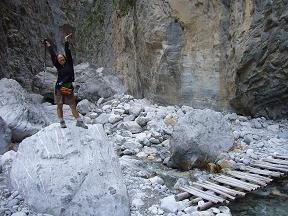
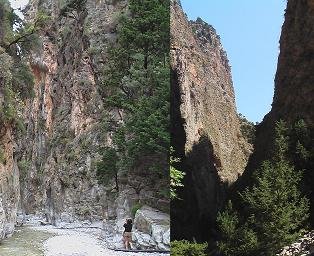
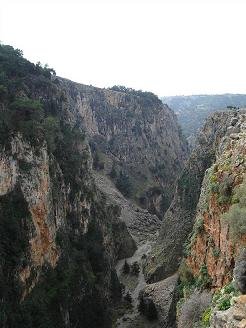

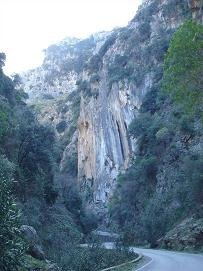
The Samaria Gorge is the longest gorge in Europe, running 16 km through the White Mountains to the Libyan Sea in south-west Crete. The walk starts at Omalos at 1,250 m and ends at the village of Agia Roumeli. The national-park section is 13 km, with 3 km more to the village. The narrow passage near the end is called the Iron Gates. Samaria became a national park in 1962 to protect the kri-kri goat and rare plants. There is an entrance fee, and the walk takes about 5 to 8 hours, so start early and bring water and good shoes.
Imbros Gorge
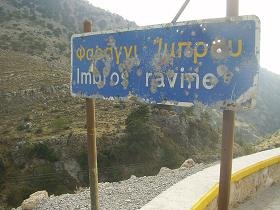
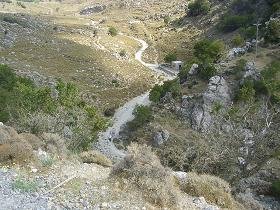
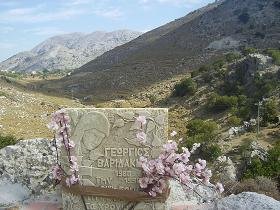
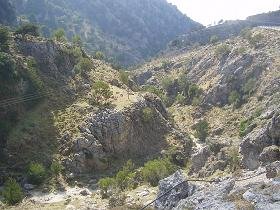
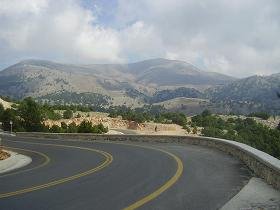
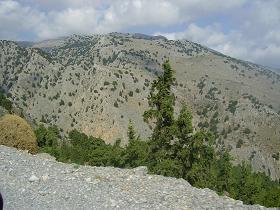
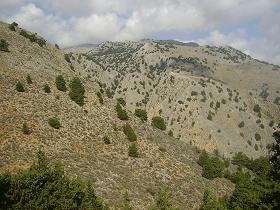
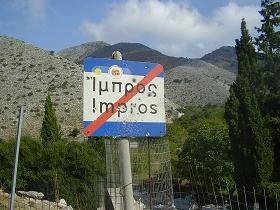
The Imbros Gorge is a shorter, quieter alternative to Samaria, 7 km long, from Imbros to Komitades near Chora Sfakion. The walk takes about 3 hours. In places the cliffs stand less than 2 m apart and 300 m high. A small entrance fee applies. There are no springs in the gorge, so carry plenty of water. The main road runs alongside, so a taxi back to Imbros is easy.
Frangokastello
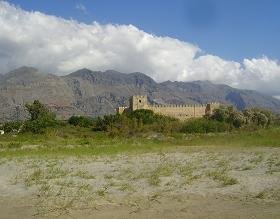

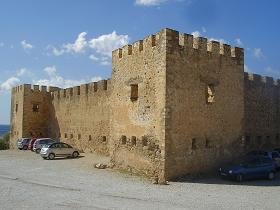
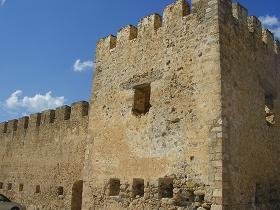


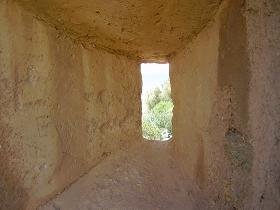


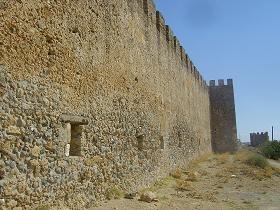

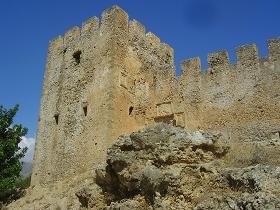
Frangokastello is a 14th-century Venetian castle on the south coast, 16 km east of Chora Sfakion. It was built in 1371, and only its outer walls and corner towers remain. On 28 May 1828, 385 of 700 Greek fighters were killed here in a battle against the Turks. Legend says shadowy figures, the Drosoulites, march at dawn on each anniversary of the battle. A large shallow beach, safe for children, lies beside the castle.
Aptera
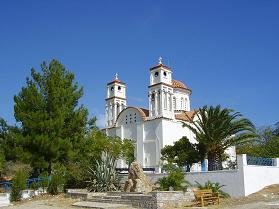
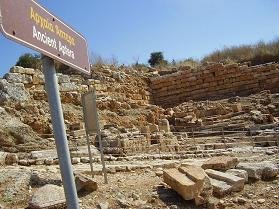
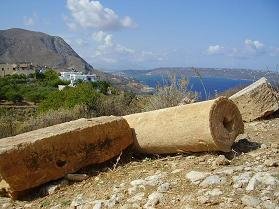
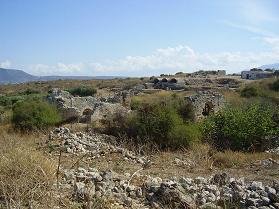
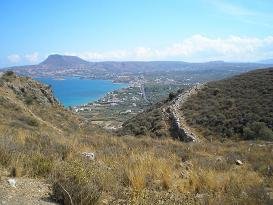
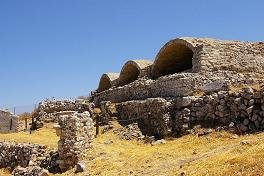
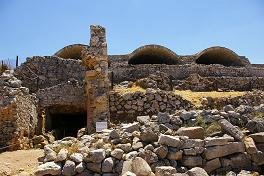
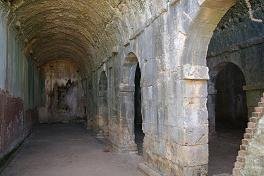
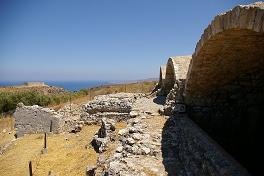
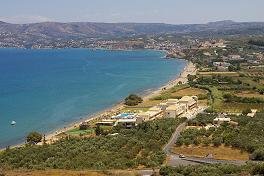
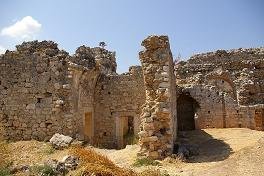
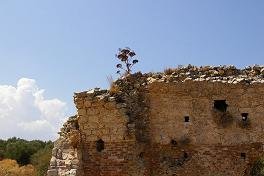
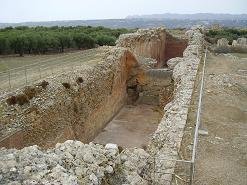
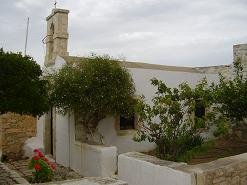
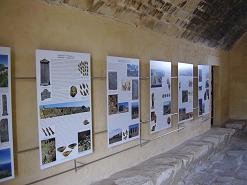
Aptera is the largest Roman site on Crete, on a hill 15 km east of Chania above the bay of Souda. The town was inhabited from the Bronze Age and peaked in the 3rd and 4th centuries BC, when it minted its own coins. Its harbours lay at Kalives and Marathi. The remains include great cisterns, Roman baths and a theatre excavated in 2008. The site is open daily except Monday.
Kydonia
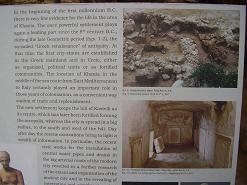
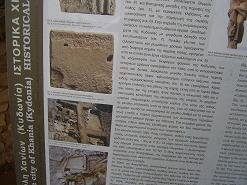
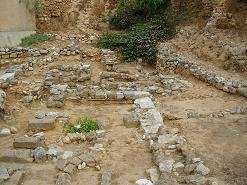
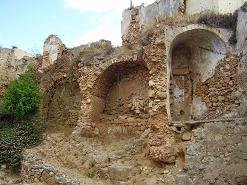

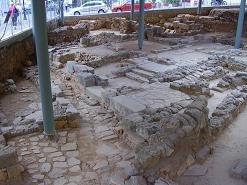
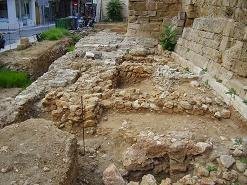
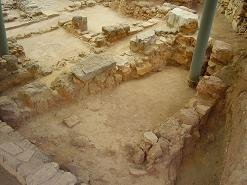
Kydonia is the ancient Minoan city beneath the Kastelli quarter of Chania old town. It was one of the most important Minoan cities on Crete. Much of it still lies under the modern houses, and the finds are shown in the Chania Archaeological Museum. Ancient city walls with reused columns and stones stand in Kastelli. Legend credits its founding to King Kydon, a grandson of Minos.
Chania Archaeological Museum
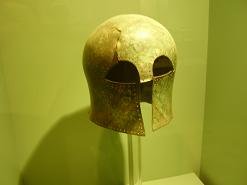
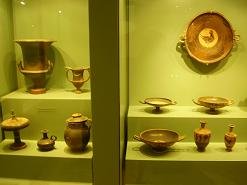
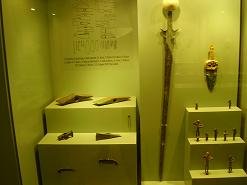
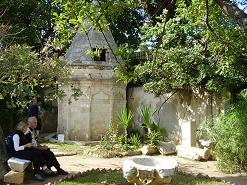
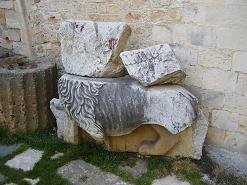
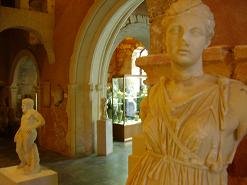
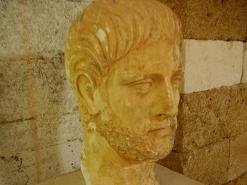
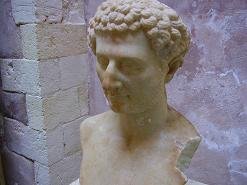
The Archaeological Museum of Chania stands in the Venetian church of St Francis on Halidon Street in the old town. It holds finds from Chania and across the island, from Neolithic clay objects to Minoan painted sarcophagi and Roman mosaic floors. One mosaic shows Dionysos and the faun Pan, another the sea god Poseidon. Displays include jewellery, coins, and tablets in the Linear A and Linear B scripts.
Churches of Chania
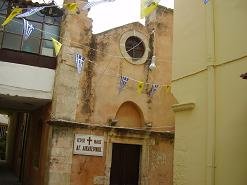
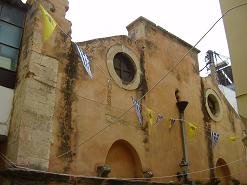
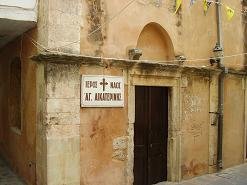
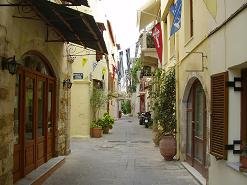

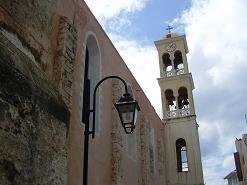
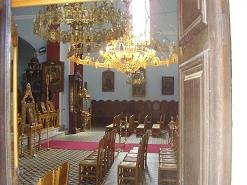
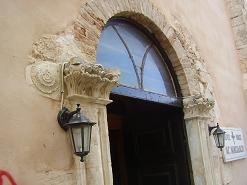
Chania keeps several historic churches in its old town, several of them converted between church and mosque over the centuries. The Agios Nikolaos church began as a 13th-century monastery church, became the Sultan Ibrahim mosque under the Ottomans, and still has both a minaret and a clock tower. The Mitropolis cathedral on Halidon Street, the seat of the Archbishop, dates from the late 19th century. The Catholic church off Halidon Street was rebuilt after the 1879 earthquake.
Agia Triada Monastery
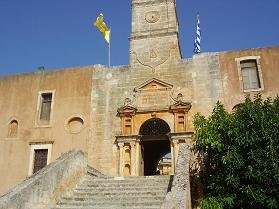
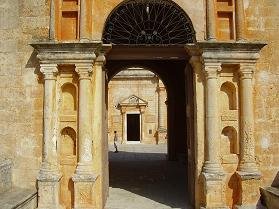
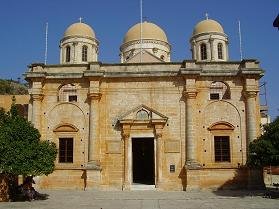
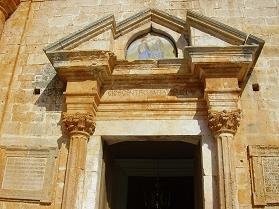
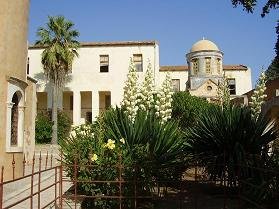
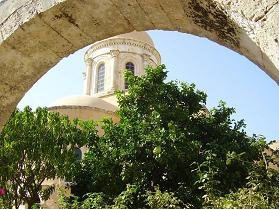
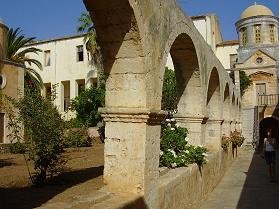
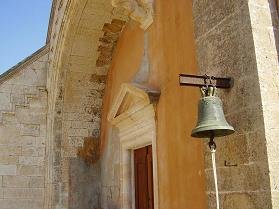
The Agia Triada Monastery stands on the Akrotiri peninsula, 16 km from Chania. Two Venetian-Cretan brothers, Jeremiah and Laurentios Jagarolon, built it from 1611. Work stopped in 1645 when the Turks took the area, and the Turks burned it in 1821. The monastery has three domes and a bell-tower added in 1864, plus a library and a small icon museum.
Karydi Monastery
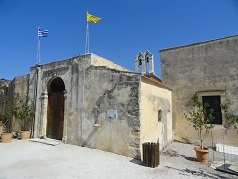
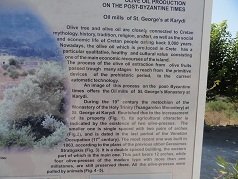
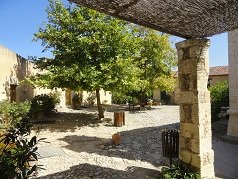
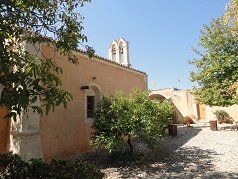
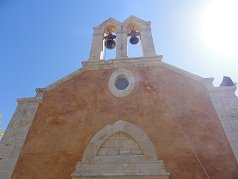
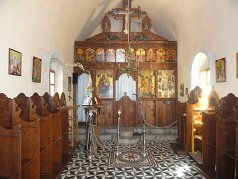
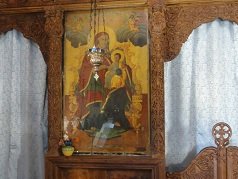
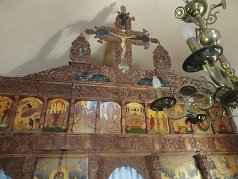
The Monastery of Agios Georgios at Karydi lies about 2 km east of Vamos in the Apokoronas. It was founded around 1600. In 1720 it was given to the Agia Triada Monastery. From 1829 the monks grew olives, and an olive-oil factory with twelve large arches was finished in 1860, producing 25,000 barrels of oil a year. Restoration began in 1996. The church holds frescoes from the 1880s.
Agia Kyriaki Monastery
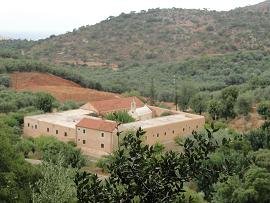
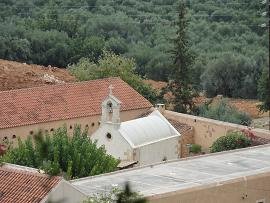
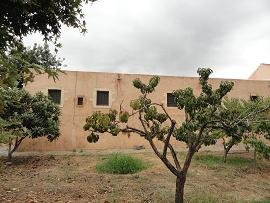
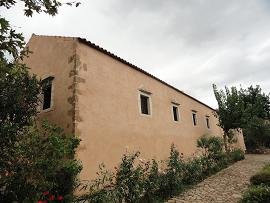
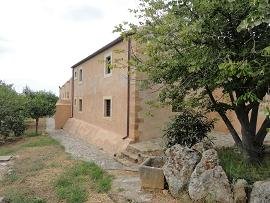
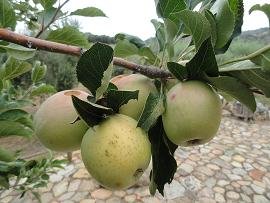
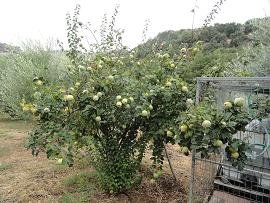
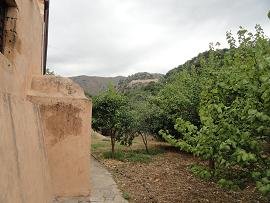
The Agia Kyriaki Monastery sits 12 km south-west of Chania, near the village of Varipetro. It was built in the 17th century and sheltered refugees from the Turks in the 19th century. It fell into ruin and was renovated between 1993 and 1996, and twelve nuns now live here. A path climbs from the monastery to cave churches and the Kastelos fortress, which gives wide views over north-west Crete.
Theriso
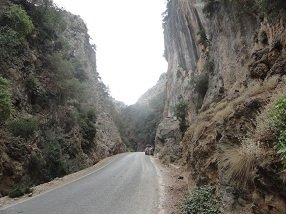
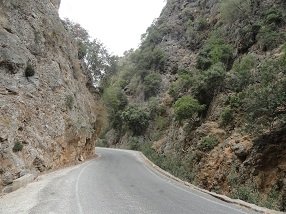
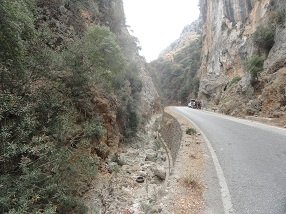

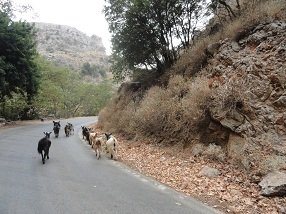
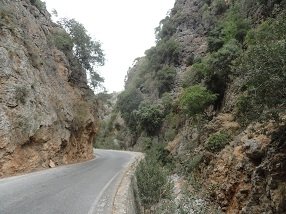
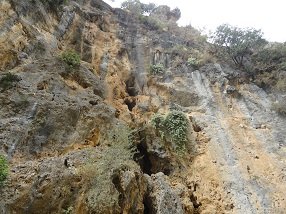
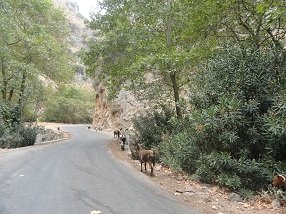
Theriso is a historic village 14 km south of Chania at 580 m, at the head of the Theriso Gorge. The gorge is the only one on Crete you can drive along its whole length. Theriso is the birthplace of Eleftherios Venizelos, the most famous Cretan politician, and in 1905 he based his revolutionary assembly here. His mother's house is now a free museum. The Byzantine church of Agios Georgios dates from 1555.
Lake Kournas
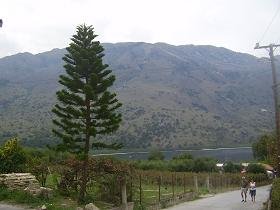
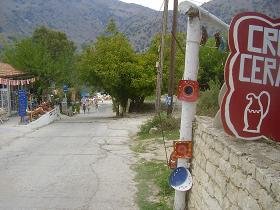
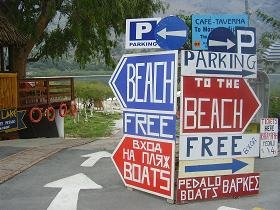
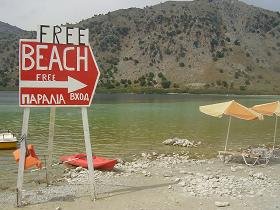
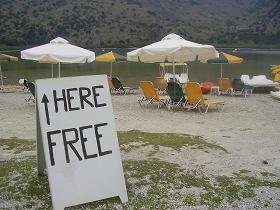
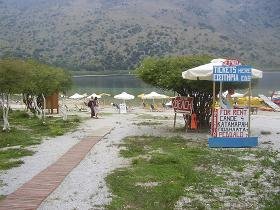
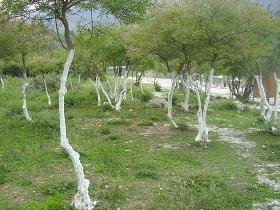

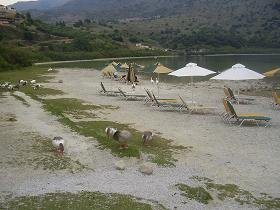
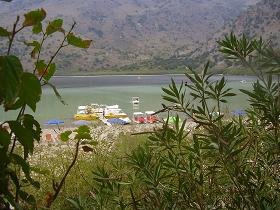
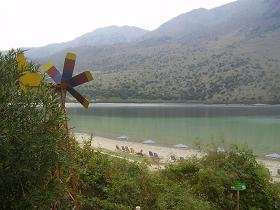

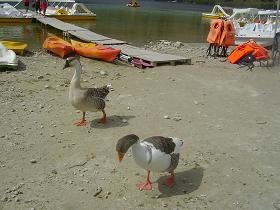
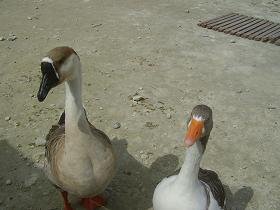
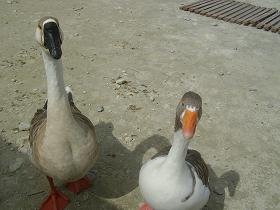
Lake Kournas is the only freshwater lake on Crete, in the Apokoronas near Georgioupoli. It is about 1.5 km across and up to 45 m deep at its southern end. Its colours shift from green to turquoise and blue, ringed by mountains. Birds, orange fish and turtles live in and around it. Tavernas, souvenir shops and pedal-boat hire line the shore, and you can swim in the lake.
Lazaretta
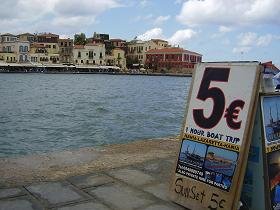
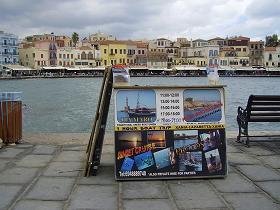
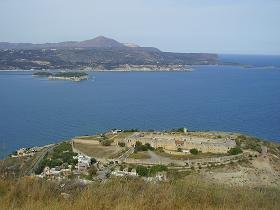
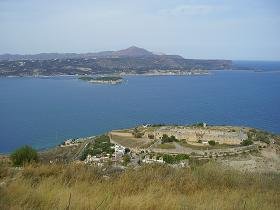
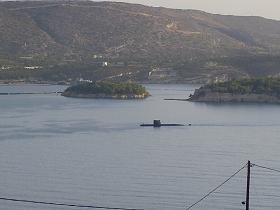
Lazaretta is a small uninhabited island in the bay of Souda, near Chania, reached by excursion boat. It once served as a leper island, and its name comes from Saint Lazarus, the patron of lepers. Remains of a large building where lepers were housed still stand. The Turks largely destroyed it in 1645 to mount a cannon against Chania. A small church of Agios Nikolaos and quiet snorkelling coves remain.
Pervolitsa
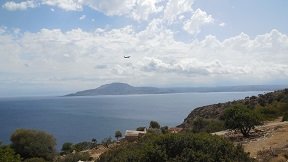
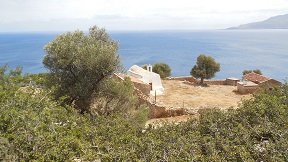
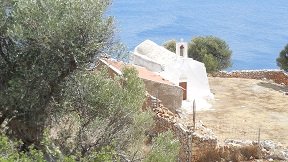
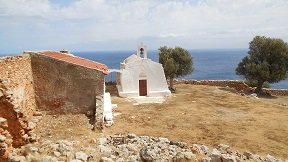
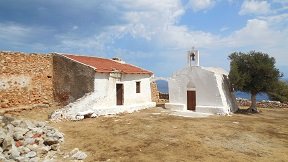
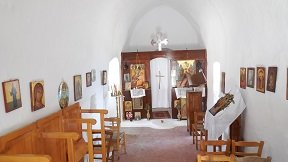
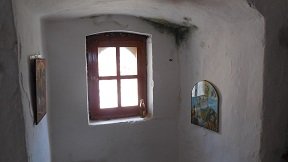
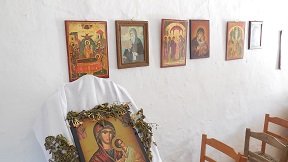
The Byzantine church of the All-Holy Virgin stands at the Bay of Pervolitsa on the east coast of the Akrotiri peninsula. The church is hard to find and reached on a rough track past grazing goats. Ruins of older buildings stand beside it. The turquoise bay is a diving spot with ancient shipwrecks and can only be reached by boat. It lies under the flight path to Chania airport.