Skyros, Greece: The Chora, Beaches, Villages and Ponies
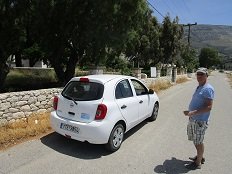
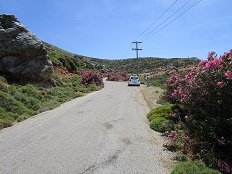
Skyros is the southernmost and largest of the Sporades islands, in the Aegean Sea about 35 km east of Evia. The island keeps a mountainous, near-empty south and a flatter, fertile north. Its car-free Chora climbs a hill below a Byzantine castle, ferries dock at the port of Linaria, and Skyros stays the quietest and least touristy of the inhabited Sporades. There is little traffic and no nightclubs, so it suits travellers who want peace. Hire a car to reach the parts of Skyros the buses miss, covered in our Skyros car hire guide.

- Group
- Sporades
- Area
- 208 km2
- Capital
- Skyros Town (Chora)
- Port
- Linaria
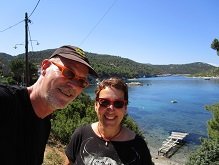
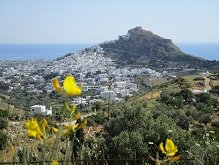

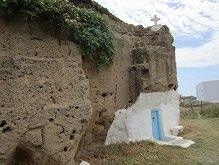
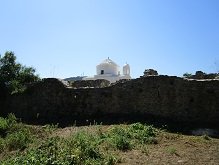

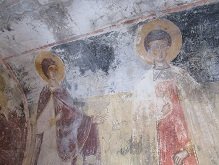

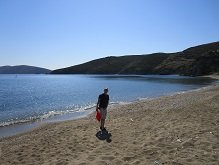

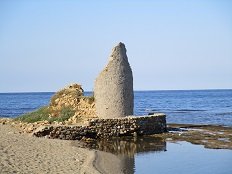
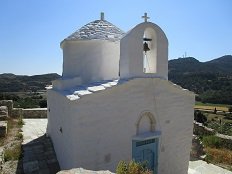
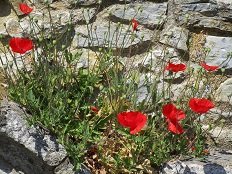
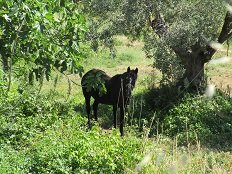
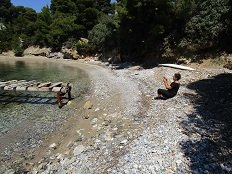

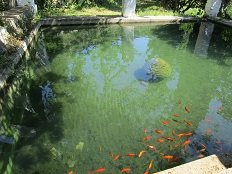
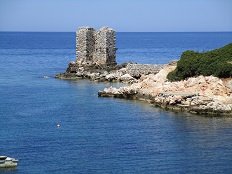
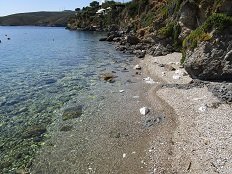
The island of Skyros
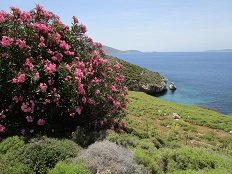
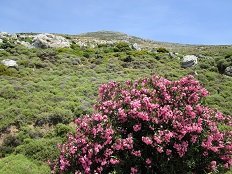
Skyros measures 208 km2 and holds about 3,000 inhabitants, which makes it the largest of the Sporades and, among the inhabited islands of the group, the least visited. The south of the island is mountainous, dry and almost empty, while the north is flatter, fertile and wooded with pine. The Chora, the island capital, stands on the east side below a castle, and all ferries arrive on the west side at the port of Linaria. A bus links the two in about 20 minutes. Skyros is surrounded by many small islands and lies about 35 km east of the large island of Evia.
History and mythology
Skyros carries a dense layer of myth and history. In legend the hero Achilles hid here disguised as a girl to avoid the Trojan War, and was uncovered when Odysseus offered him a sword; Theseus, the hero who killed the Minotaur, was exiled to the island and thrown from a cliff by King Lykomedes. Skyros was an Athenian colony, a place of exile in Byzantine times, and later held by Venetians and Turks. The one statue in the Chora honours the English poet Rupert Brooke, who died near the island in 1915 and is buried in Tris Boukes Bay. Today Skyros is an important base for the Greek navy and air force.
Getting to Skyros
Skyros has no direct international flights, so most visitors reach it by ferry or a short domestic flight. A ferry runs daily between the town of Kimi on Evia, reached by road from the mainland, and the port of Linaria, and in high season it also links Skyros with the northern Sporades of Skiathos, Skopelos and Alonissos. A plane flies from Athens to the island airport in the north three times a week, a trip of about 40 minutes. Full details are on the Skyros car rental page, which also explains why a car helps on an island where the best beaches lie far apart.
Beaches of Skyros
Skyros keeps its busiest beaches on the east coast at Molos and Magazia, a 4 km run of sand just north of the Chora with most of the island's accommodation and the only bus link from the capital. Quieter sandy beaches ring the north and west, from Gyrismata and Palamari to Atsitsa, Acherounes and the windsurf beach of Kalamitsa, and several coves double as naturist beaches. Most sit at the end of a dirt track and have no facilities, so a car and your own water and shade matter. The full run is set out in the Skyros beaches guide.
Sights, ponies and Rupert Brooke
The main sight of Skyros is the Chora itself, a car-free hill town below a Byzantine castle and the monastery of Agios Georgios, with an archaeological museum and the Manos Faltaits folklore museum. The island also keeps its own endangered breed of small pony, the Bronze-Age town of Palamari in the north, the church of Agios Nikolaos built into the rock at Pouria, and the grave of the poet Rupert Brooke in remote Tris Boukes Bay. These are gathered in the Skyros sights guide.
Villages of Skyros
Skyros keeps its life in a few small villages, led by the car-free Chora on the east coast and the port of Linaria on the west. Magazia and Molos are the beach villages that hold most of the island's rooms, while Aspous, Kalamitsa, Atsitsa and Katounes are quieter coastal spots.
Skyros Chora
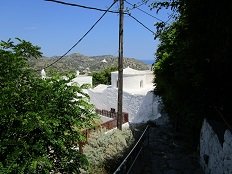
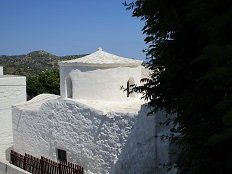
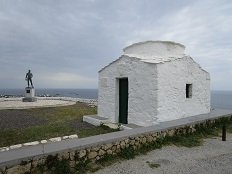
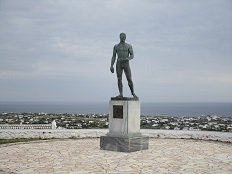
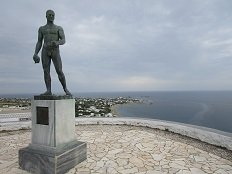
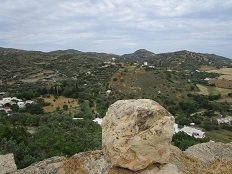
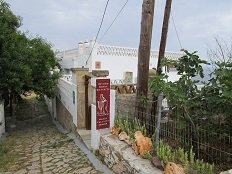
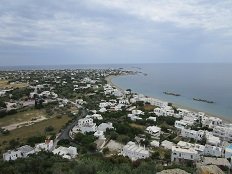
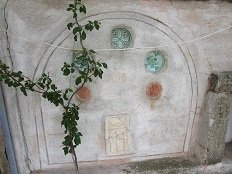
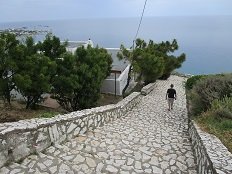
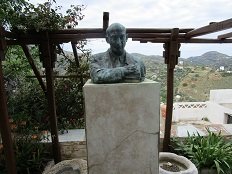
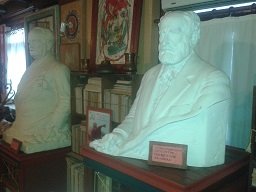
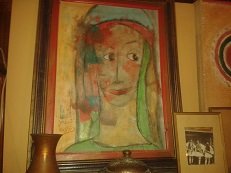
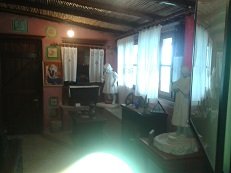
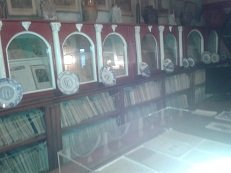
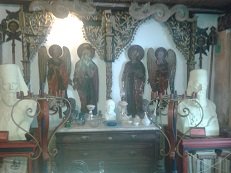
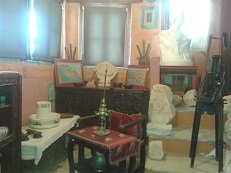
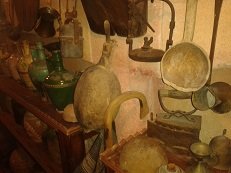
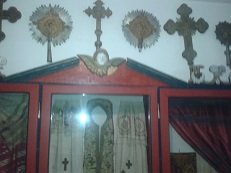
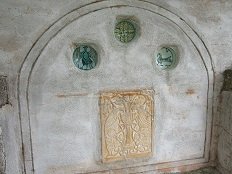
Skyros Chora is the car-free island capital on the east coast, a hill town of narrow cobbled lanes, small squares and white houses, built up in the shape of an amphitheatre below a Byzantine castle. The streets are too narrow for cars, so you climb on foot past the houses to the castle, the monastery of Agios Georgios and the two museums at the top. The town keeps much of its original charm because most tourist rooms sit outside it on the beaches at Magazia and Molos. The castle, monastery and museums are described in the Skyros sights guide.
Linaria

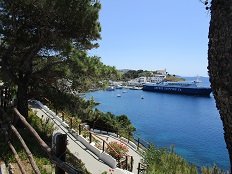
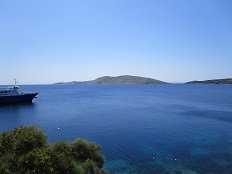
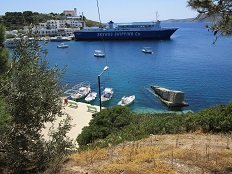
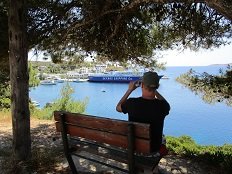
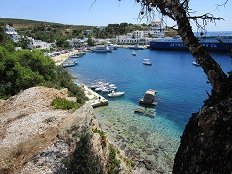
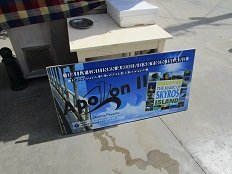
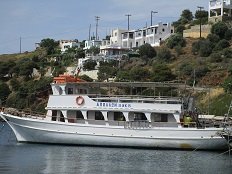
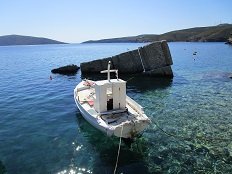
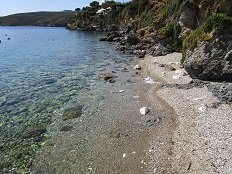
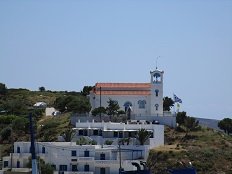
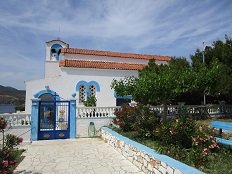
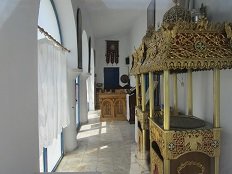
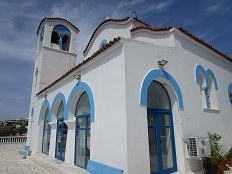
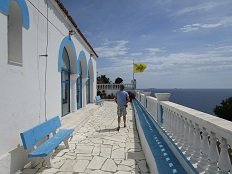
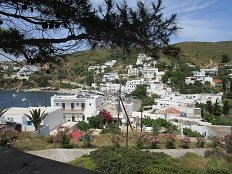
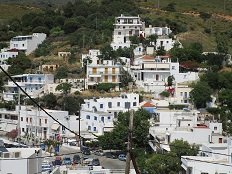
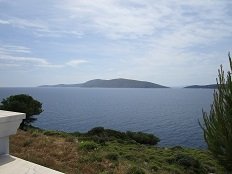
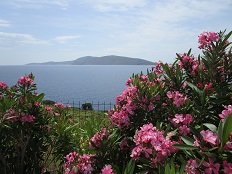
Linaria is the port village of Skyros, on the west coast, founded in 1828 and built up a hillside in the shape of an amphitheatre in a bay sheltered from the wind. The largest church on the island, Agios Nikolaos Limarias, crowns the hill with a tall bell tower and a wide view over the harbour. All the island's ferries dock here, linking Skyros with Kimi on Evia and, in high season, the northern Sporades. The village is quietly lively year-round, with tavernas, shops, a bakery and a petrol station, and lies 9 km from the Chora with a regular bus. In summer caiques run from the harbour to the sea caves and to the islet of Sarakino with its Glyfada beach.
Magazia & Molos
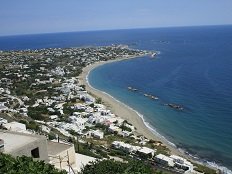
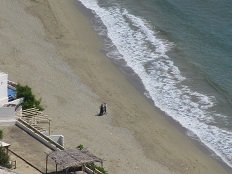
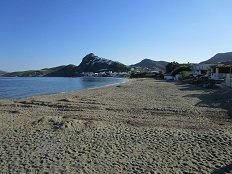
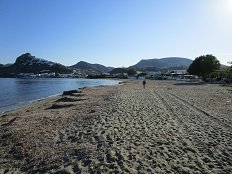
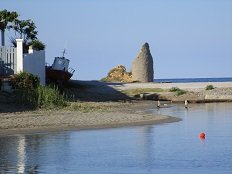
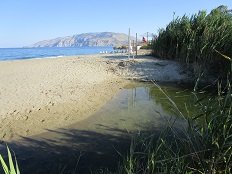
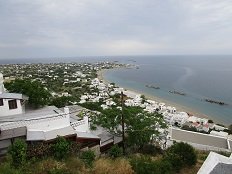
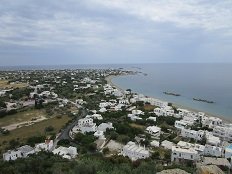
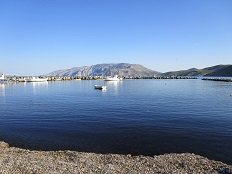
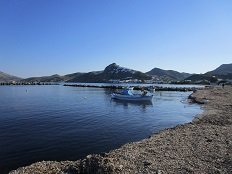
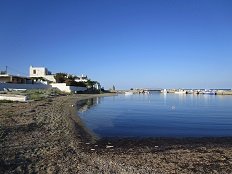
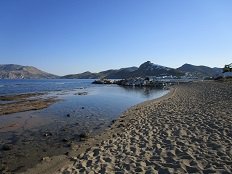
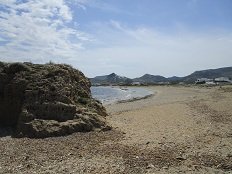
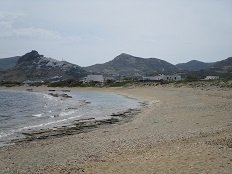
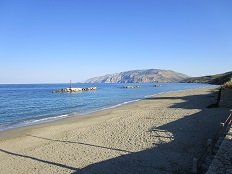
Magazia and Molos are the two beach villages of Skyros, on the east coast just 4 km north of the Chora, sharing a long sandy beach. This is where most of the island's accommodation sits, along with a good spread of tavernas and beach bars, and it is the only stretch with a bus link from the Chora. It suits travellers who want to stay on the sand within easy reach of the capital. The beach is described in the Skyros beaches guide.
Aspous
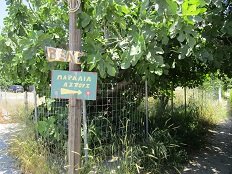
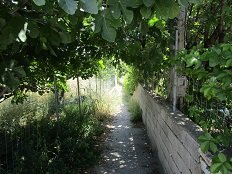
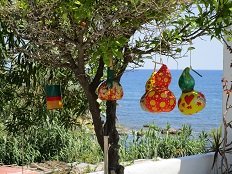
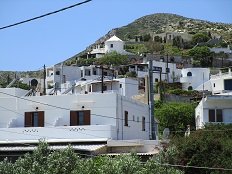
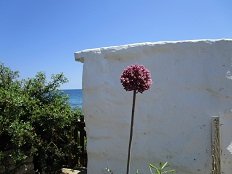
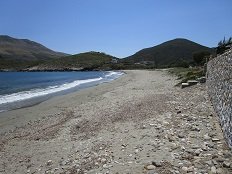
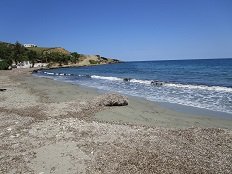

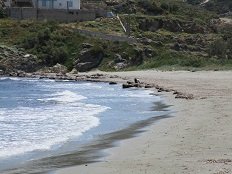
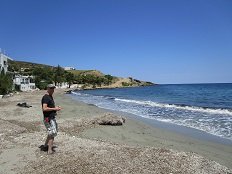
Aspous is a quiet village set in a sandy bay on the north-east coast, about 5 km from the Chora. Its houses are scattered across the green hills above the beach, and it has a few tavernas, a mini market, a cafe-bar and a petrol station, but little other development. It makes a calmer base than the beaches just north of the capital, and canoes and pedal boats are for hire in high season.
Kalamitsa
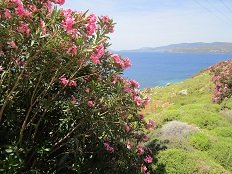
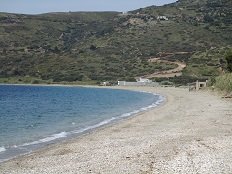
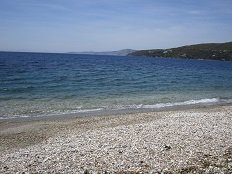
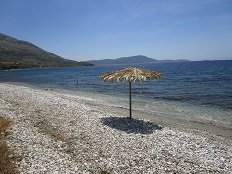
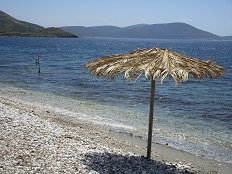
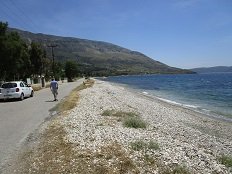
Kalamitsa is a small village at the windsurf beach of the same name, just south of the port of Linaria and about 10 km from the Chora. It sits in the path of the wind, which draws windsurfers, and it is organised, with tavernas, cafes and a surf club along a long sand and pebble beach. Seaside self-catering rooms stand within a short walk of the water.
Atsitsa
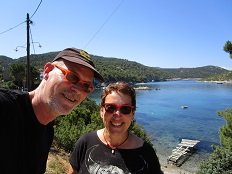
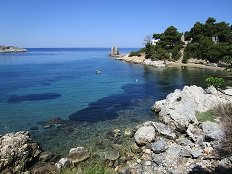
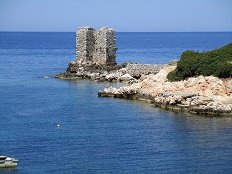

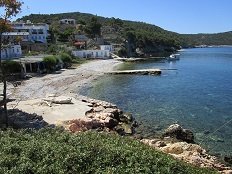
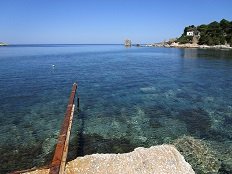
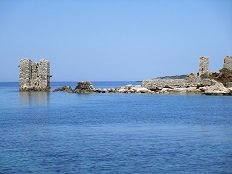
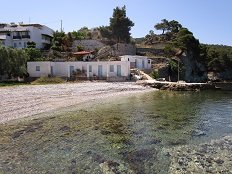
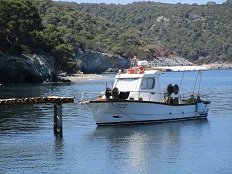
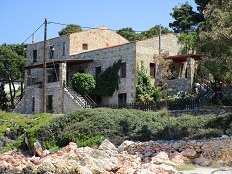
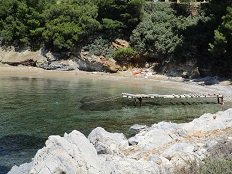
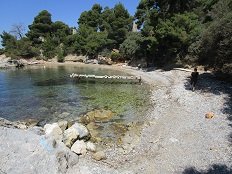
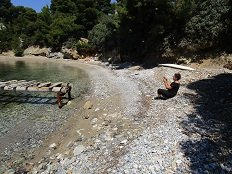
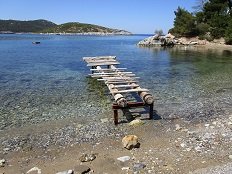
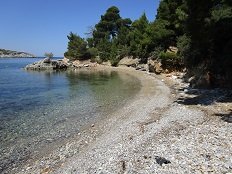
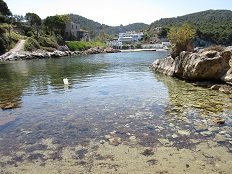
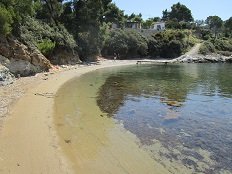
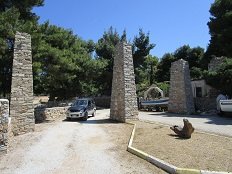
Atsitsa is a village on the north-west coast of Skyros, about 17 km from the Chora and well connected by road, named after a small island offshore. It sits in a pine forest that runs down to a pebble beach, among olive and fruit trees. Ruined buildings on the coast and stone pillars in the sea are remnants of a railway built around 1900 by a German company that mined metals in the hills. Since 1982 an alternative holiday centre here has run yoga courses.
Katounes
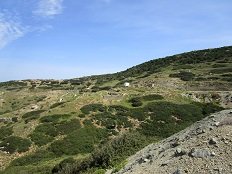
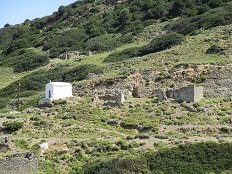

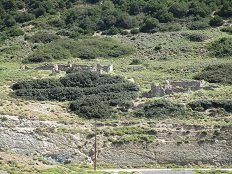

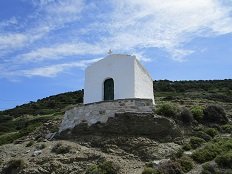
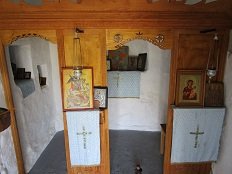
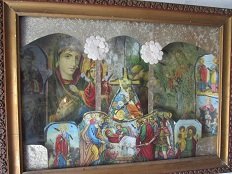
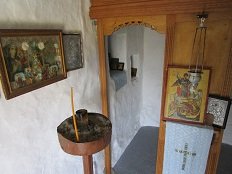
Katounes is an area in the north of Skyros, 6 km from the Chora on the road towards the airport, just before the turn to Palamari. Its large tumbled stone buildings look at first like ruined forts, but they are the remains of very large sheepfolds and shepherds' houses from the days before the modern road, when a sizeable community of shepherds grazed their flocks here. The houses date from the 19th century, and the pretty little church of Agios Georgios stands on a hill above them.
Where to stay
Accommodation on Skyros concentrates in and around the Chora and its beaches. The Chora holds hotels within walking distance of the shops and tavernas, Magazia and Molos put you on the sand, and Linaria and Aspous suit a quieter base. Villas and self-catering apartments are scattered at Gyrismata, Acherounes and Aspous. Compare the options in the Skyros hotels & villas guide, which covers the island's hotels and its self-catering villas.
Where to eat
Skyros serves its best food in the Chora and at the harbour of Linaria. The tavernas of Linaria cook fresh fish and Skyrian dishes on the quayside, the Chora holds family tavernas and cafes in its lanes, and beach bars at Magazia feed the crowd on the sand. Local specialities include Skyrian cheese pie and fava. The dining spots are set out in the Skyros restaurants guide.
The Skyros guides
Four guides cover the island in detail. Pick a theme below.