Antikythera, Greece: The Remote Island of the Ancient Mechanism
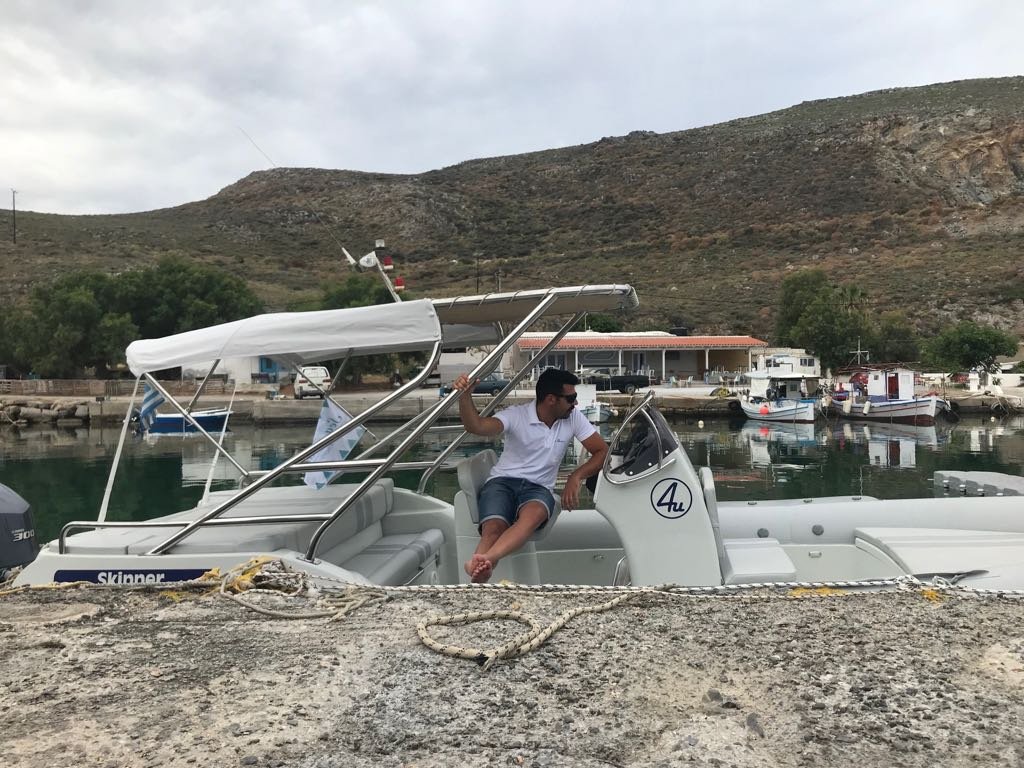
Antikythera, also spelled Antikythira, is a small, dry, rocky island halfway between western Crete and Kythira, famous worldwide for the Antikythera Mechanism - a 2,000-year-old bronze astronomical computer found in a shipwreck off its coast. Its name means "opposite Kythera", and with only a handful of residents, no sandy beaches and few facilities, Antikythera is one of the most isolated and unspoiled islands in Greece.
- Between
- Crete & Kythira
- Size
- 20.5 km²
- Population
- ~20
- Main village
- Potamos
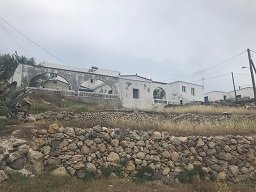
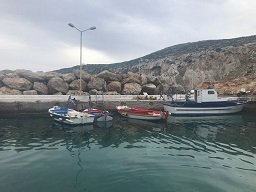


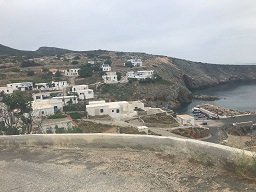
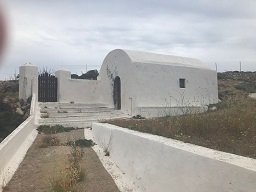
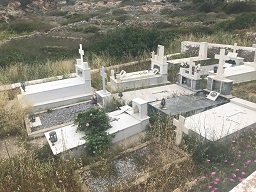
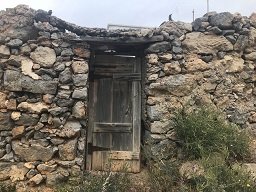

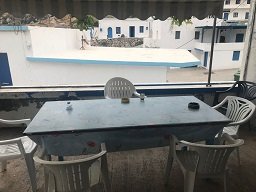

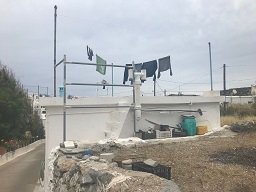

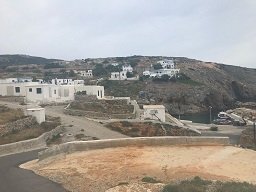
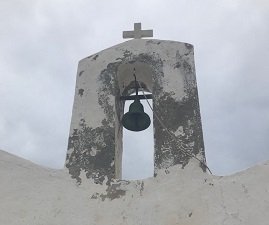
The island of Antikythera
Antikythera lies halfway between western Crete to the south and Kythira and the Peloponnese to the north, part of the Ionian islands, with Kythira about 38 kilometers away. It covers 20.5 square kilometers - roughly 10.5 by 3.5 - and had about 40 residents (17 by 2018, including a priest and a policeman) who live from fishing, farming and cattle. The main village and port, Potamos, sits in a northern bay with two tavernas and a couple of cafes that double as mini-markets, and the port beach of Chalara; the mountain village of Galaniana holds a few more people and the church of Agios Myronas. The island rises to Mount Plagara at 378 metres, only got mains electricity in the 1980s, and is laced with hiking trails to churches, caves and the pebble beach of Xiropotamos near the lighthouse of Pharos.
The Antikythera wreck and mechanism
Antikythera is known above all for the Antikythera Wreck and the extraordinary object found in it: the Antikythera Mechanism, a 2,000-year-old bronze device with 29 gears, now in the National Archaeological Museum in Athens. Used to carry out complicated astronomical calculations such as predicting eclipses and to work as a calendar, it is considered a kind of ancient analogue computer. Sponge divers found the wreck by chance in 1900, and in 1901 recovered from 45 metres down the 1.94-metre bronze statue of a youth, dated to 340 BC. The ship itself dates from 70 to 60 BC and also carried coins, glassware and bronze and marble statues; salvage stopped in 1901 after divers died or were paralysed, and the French captain Cousteau dived the site again in 1976, raising still more, including parts of the hull.
History of Antikythera
Excavations show Antikythera was inhabited 3,500 years ago, with traces of the Minoan civilisation. From the 4th century BC until 67 BC it was a base for Cilician pirates, who lived in a fortress in the north-east until the Roman statesman Pompey defeated them; near the fort stand the remains of a temple to Apollo, whose marble statue is now in Athens. The island later belonged to the Roman and Venetian empires and served the Romans as a place of exile. Today its old churches, windmills and fortress ruins draw a few walkers, and birdwatchers come for the roughly 250 species that pass through - Antikythera is considered the largest birdwatching site in the Mediterranean.
Getting there and staying
Few travellers reach Antikythera: there is no airport, only a heliport, and the island is served mainly by the occasional ferry between Kissamos on Crete and Gythio on the mainland, plus a long direct crossing from Piraeus. Planning matters, and on a hike you must carry your own water, because the island is desolate and has few facilities. Accommodation is very limited - there is no hotel, only some rooms for rent in the harbour of Potamos and the municipal guesthouse - though a small modern hotel is being built just outside the village.