Milos: Island Guide, Adamas, Plaka, Pollonia, Beaches & Hotels
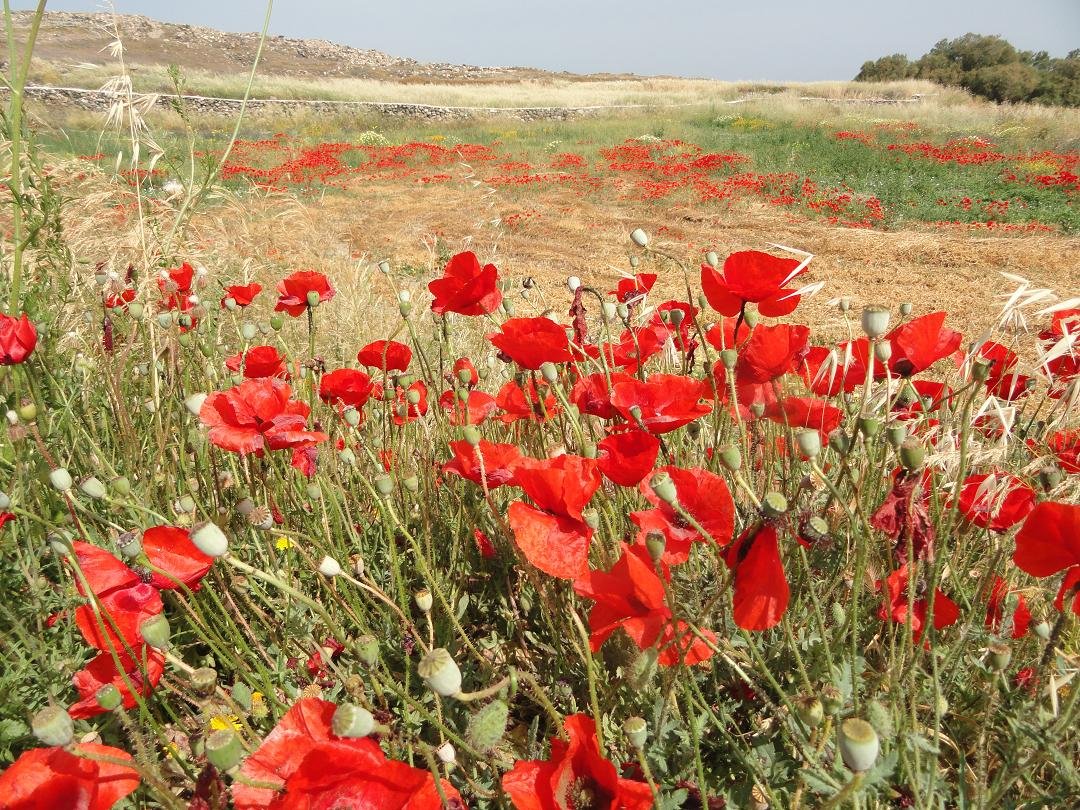
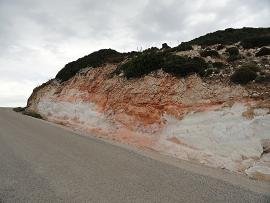
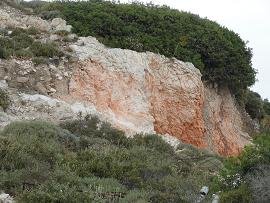
Milos is a volcanic island of the Cyclades in the Aegean Sea, 161 square kilometres in size with about 4,500 residents, known for its many colours, long sandy beaches and the villages of Adamas, Plaka and Pollonia. The island owes its fame to the "Aphrodite of Milos", better known as the Venus de Milo, found by a farmer in a field in 1820 and now in the Louvre in Paris. Like Santorini it is of volcanic origin, its soil rich in sulphur, perlite and kaolin, and because the island is fairly large it stays quiet - it pays to rent a car and go exploring beyond the Adamas-Plaka-Pollonia triangle. Hire a car to reach the parts of Milos the buses miss, covered in our Milos car hire guide.
- Sea
- Aegean
- Size
- 161 km²
- Population
- ~4,500
- Main port
- Adamas
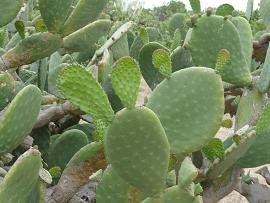
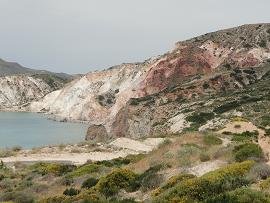
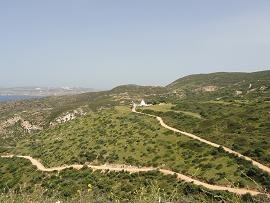
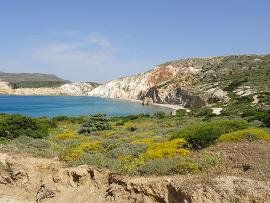
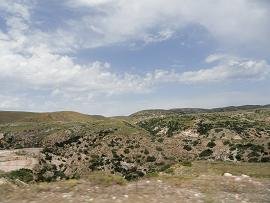
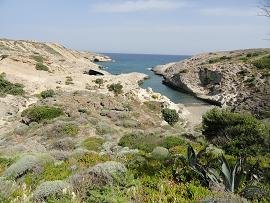
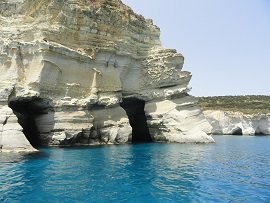
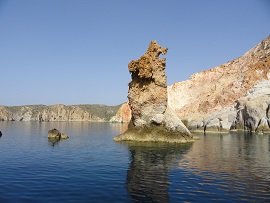
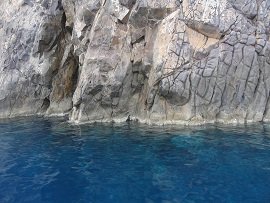

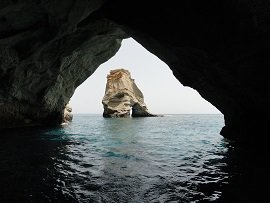
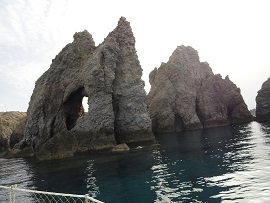
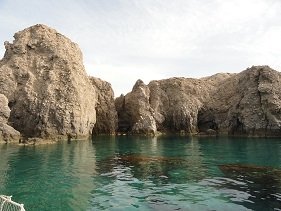
The island of Milos
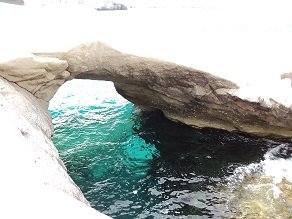
Milos is a Greek island in the Aegean, one of the Cyclades, south-west of Kimolos, of volcanic origin like Santorini, with hot springs and sulphur that testify to the old activity. It is 161 square kilometres with about 4,500 residents, most of them in the north; the south is very sparsely populated. Most visitors stay in the triangle of Adamas, Plaka and Pollonia, so a car or the bus opens up the quieter corners. Thanks to its large protected port, Milos was an important centre in ancient times, with a Minoan settlement at Phylakopi on the north coast, and the food and the people on the island are genuinely welcoming.
The villages of Milos
Adamas is the main port, and on the hills north of it lie Tripiti, Triovasalos, Pera and the capital, Plaka, while Pollonia sits on the north-east coast.
Adamas, the port
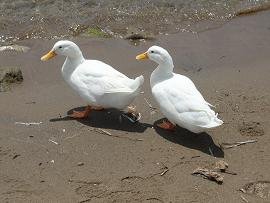

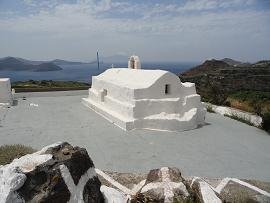
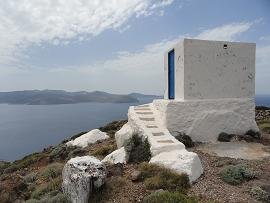
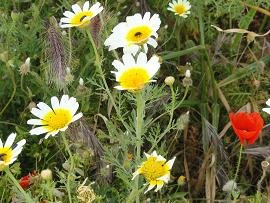
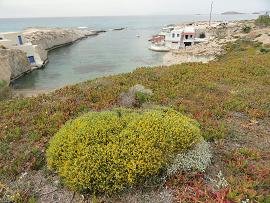

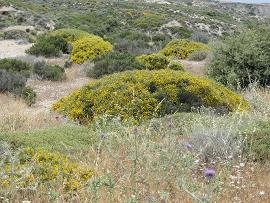
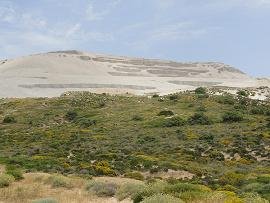
Adamas is the main port of the three villages, set so deep in its bay that the view looks like a lake with no visible exit. The village itself has no great beach, but just outside the centre is the broader Papikinou Beach with sunbeds, umbrellas and a taverna, small Lagada Beach across the promenade, and the big sandy Achivadolimni opposite the town. Along the promenade are good restaurants, shops, an ATM and travel agencies for excursions, ferry tickets and car rental.
Plaka, the capital
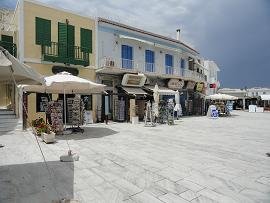
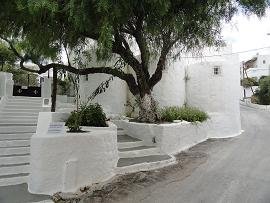
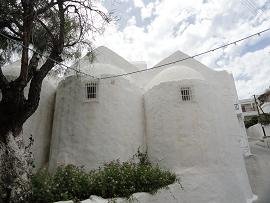
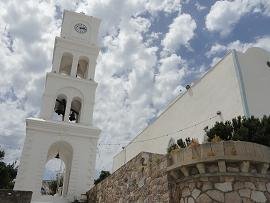
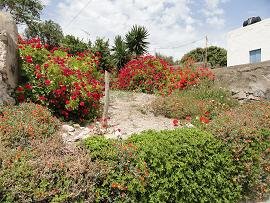
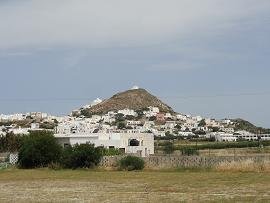
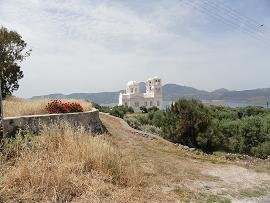
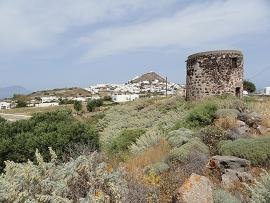
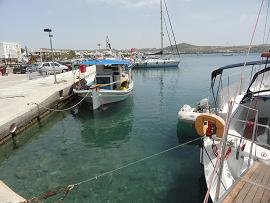

Plaka is a beautiful, unspoiled, photogenic Chora of white houses and a tangle of narrow streets, with amazing views and a few museums worth visiting. The village is dominated by a volcanic hill topped with churches, where a Venetian fortress once stood. Nearby Tripiti sits on a hill of windmills, and Klima keeps its old fishermen's houses on the water, where the ancient capital once stood.
Pollonia
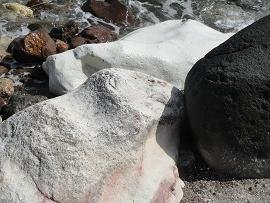
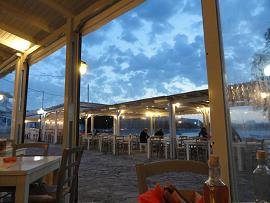
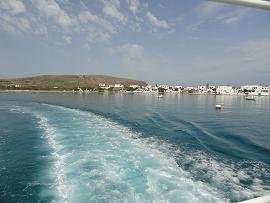
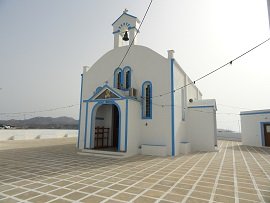
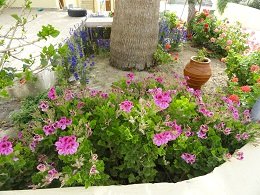
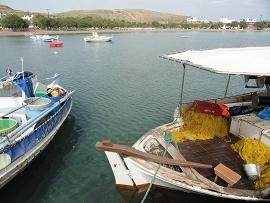
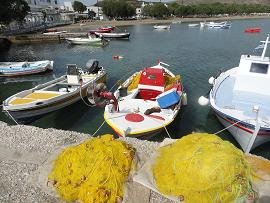
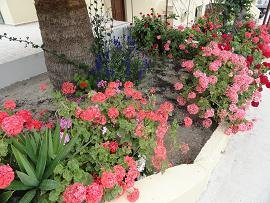
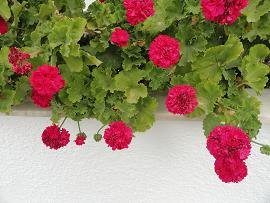
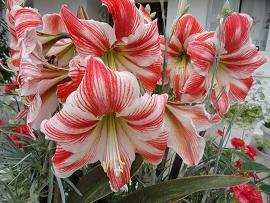
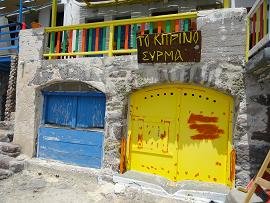
Pollonia - often called Apollonia, though the name is really Pollonia without the A - is an attractive village in a sheltered bay on the north-east coast, emerging as a tourist destination. Kaiks and a small ferry run three times a day to the island of Kimolos, 10 kilometres away, and you can take a car across. The white houses with blue shutters, small waterfront churches and bougainvillea line good waterfront tavernas and small hotels, among them the popular fish taverna and the busy restaurant Gialos, with a mini-market and a bakery in the village.
The beaches of Milos
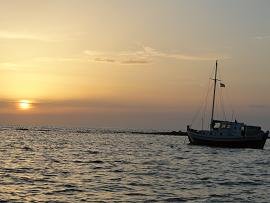
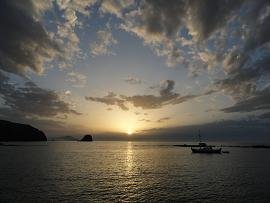
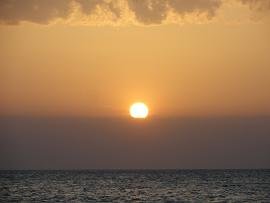
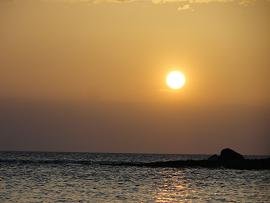
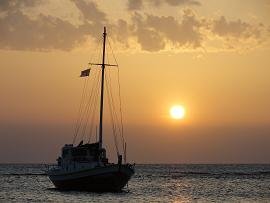
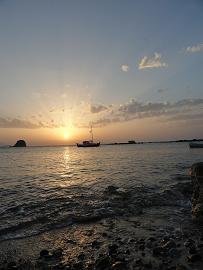
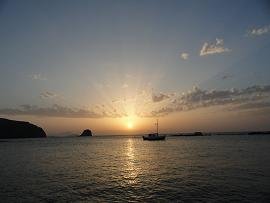
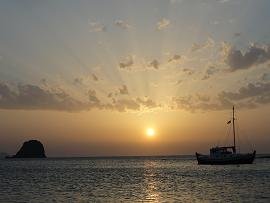
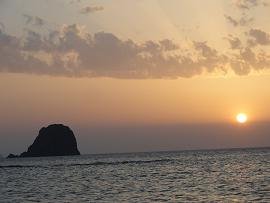
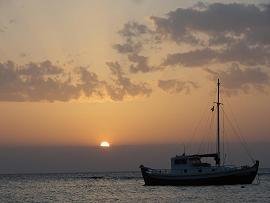
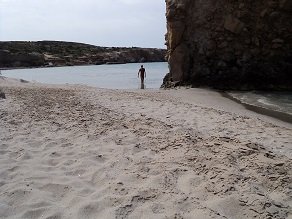
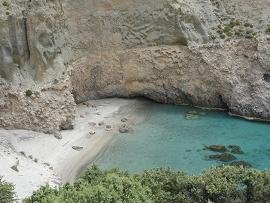
Milos is blessed with many beautiful but often remote beaches, generally very quiet and ideal for discreet naturism. In the bay of Pollonia is a good, safe sandy town beach backed by tamarisk trees, with more small pebble coves to the west that catch some of the island's prettiest sunsets. The best beach reachable by public transport is the sand-and-pebble Paliochori; the beaches in the west, near most of the island's monasteries, need private transport, and from Adamas you can take a boat to Empourios across the bay. See the full guide to the beaches of Milos.
The sights of Milos
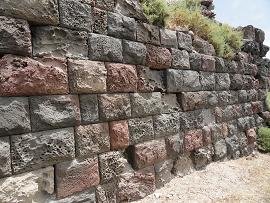
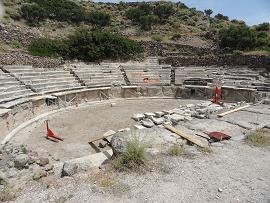
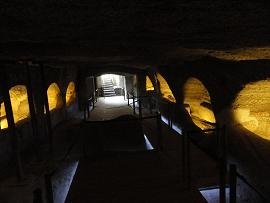
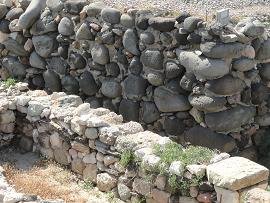
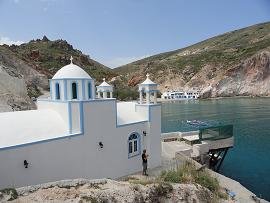
Most of the attractions cluster around Plaka. The Plaka museum holds a copy of the Venus de Milo, and the ancient city of Tripiti on a nearby slope was the island's capital from about 1000 BC to the Byzantine period, with well-preserved walls, a Roman theatre and the spot where the Venus was found. Its most impressive remains are the catacombs, the earliest known Christian site in Greece, probably 1st-century AD, of three tunnels with side rooms, the longest 184 metres, with only the central one open today. Phylakopi, between Adamas and Pollonia, is a Bronze Age town, one of the biggest outside Minoan Crete and Santorini. A boat trip around the volcanic coast to the inaccessible island of Antimilos is a fine excursion. Read more in the Milos sights guide.
The history of Milos
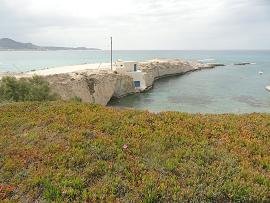
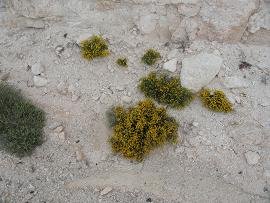
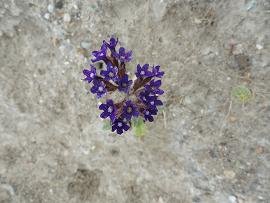
Milos was already inhabited in the neolithic, and in the Minoan period it supplied volcanic glass, obsidian, to Crete for making ornaments. After the Dorians arrived in Greece around 1100 BC the island was colonised from Laconia. During the Peloponnesian War Milos refused to join the Delian League, and in 416 BC Athens sent a punitive expedition: as Thucydides tells it, the men were killed and the women and children enslaved, a disaster that moved Euripides to write his tragedy The Trojan Women. The famous Aphrodite of Milos was found here in 1820 during excavations.
Getting to Milos & car rental
Ferries to Milos all stop at the port of Adamas, with good links to Folegandros, Sifnos, Santorini and Piraeus, and the island also has an airport a few kilometres from Adamas; a fast ferry from Santorini takes about 2 hours. Because Milos is fairly large, renting a car is well worth it to reach the remote beaches such as Fyriplaka, and a jeep helps on the unpaved roads of the west - the travel agencies along the Adamas promenade rent cars, or see the Milos car rental guide. The map of Milos helps with planning.
Where to stay on Milos
Below are three places in Pollonia where we stayed; there are more on the Milos hotels page.
Soultana Apartments, Pollonia
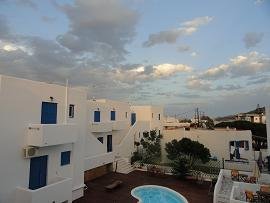
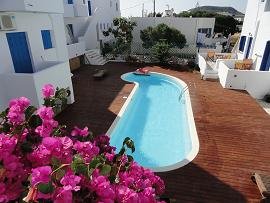
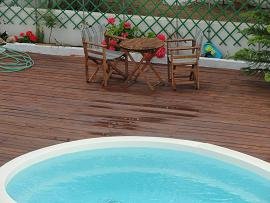
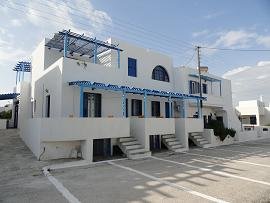
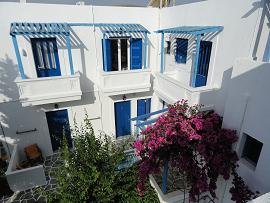
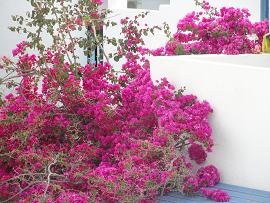
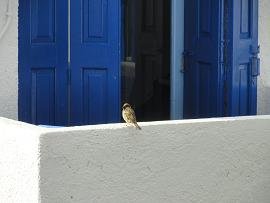
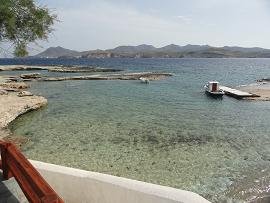
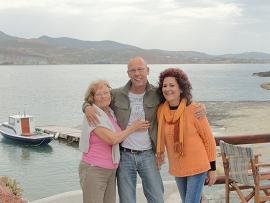
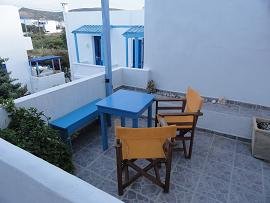
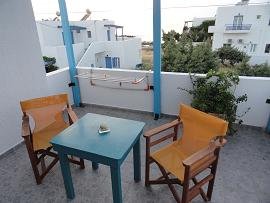
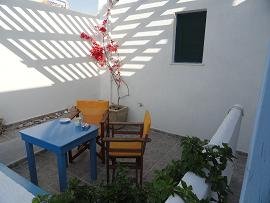
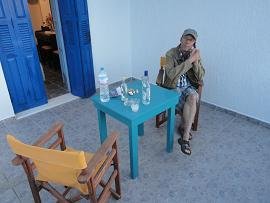
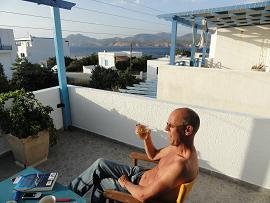

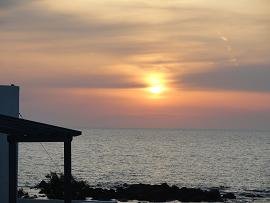
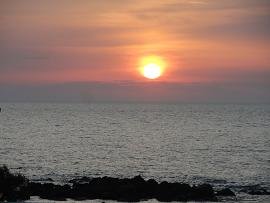

Soultana Apartments stand in Pollonia on a quiet spot with almost no passing traffic, where we stayed five days and had a wonderful time, waking to the sparrows and the sound of the sea. Ms. Soultana and her team are warm hosts, and the hotel across the street serves an easy breakfast buffet by the sea. It reminded us of Aliki on Paros, another village we love, and Milos itself did not disappoint - beautiful nature, fine beaches, good food and very kind people.
Check availability & bookApollon Hotel, Pollonia
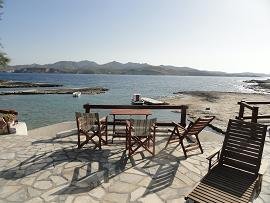
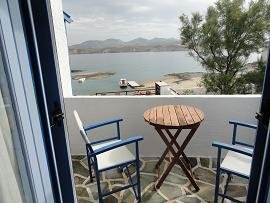
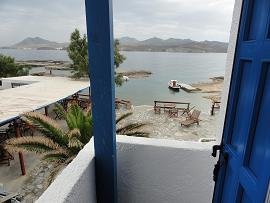
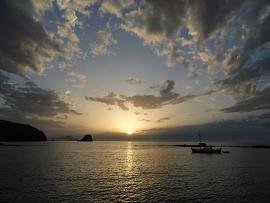
Apollon Rooms sit in Pollonia with a view over the eternal blue of the Aegean and a fine sunset, built in the traditional architecture in white and light blue. There is a private beach for swimming, a bar and a restaurant with a sea view, and the double and twin rooms come with modern comforts, each decorated with its own character.
Check availability & bookHeliotropio Hotel, Pollonia
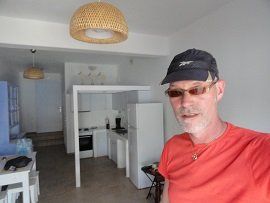
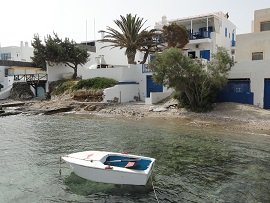
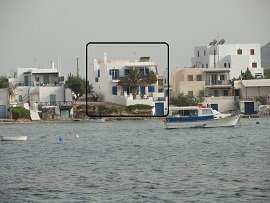
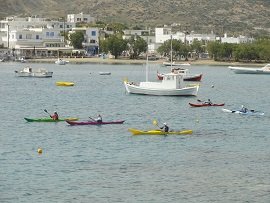
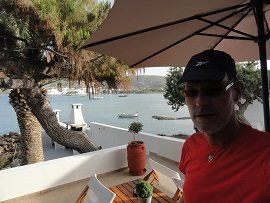
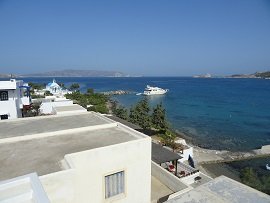
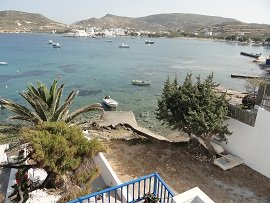
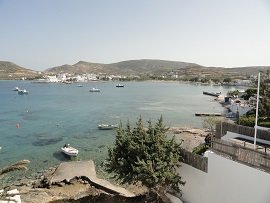
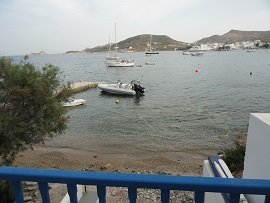
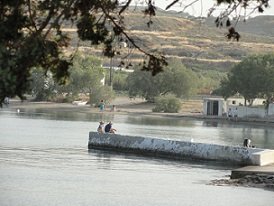
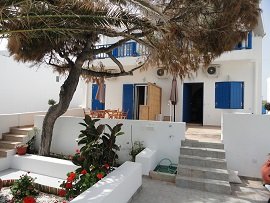
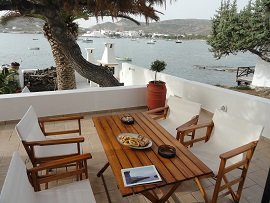
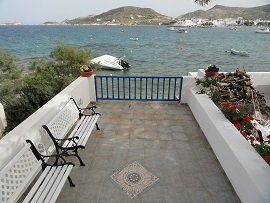
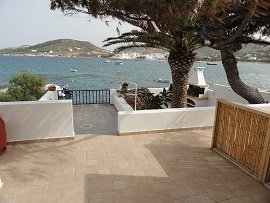
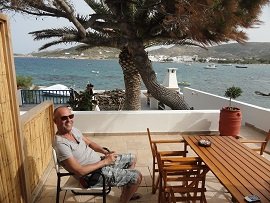
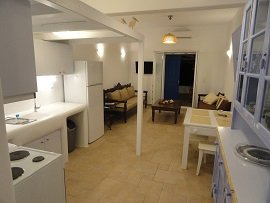
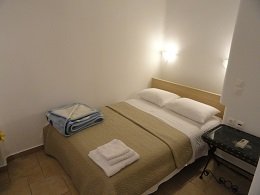
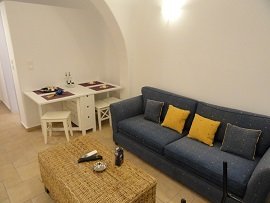
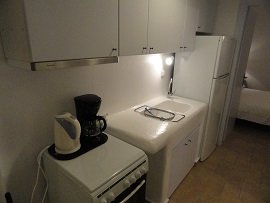
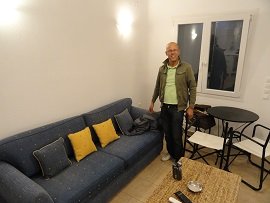
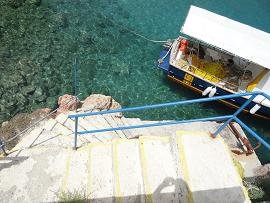
Heliotropio Hotel earned our "supertip" when we returned to Milos in 2013 - a beautiful, peaceful place right on a private beach, looking over the bay with the boats, the village and one of Pollonia's two larger beaches. The tasteful studios and apartments are fully equipped, with a large porch and steps down to your own little beach, and the big village beach is about a two-minute walk away.
Check availability & book