Ancient Olympia: Birthplace of the Olympic Games
Ancient Olympia is the sanctuary of Zeus in the Peloponnese where the Panhellenic Games, the forerunner of today’s Olympics, began in 776 BC. The site stands 10 kilometres east of Pyrgos in a fertile, pine-covered valley where two rivers meet, and every four years the Olympic flame is still lit under the columns of its Temple of Hera.
- From Pyrgos
- 10 km east
- First games
- 776 BC
- Games every
- 4 years
- Flame lit at
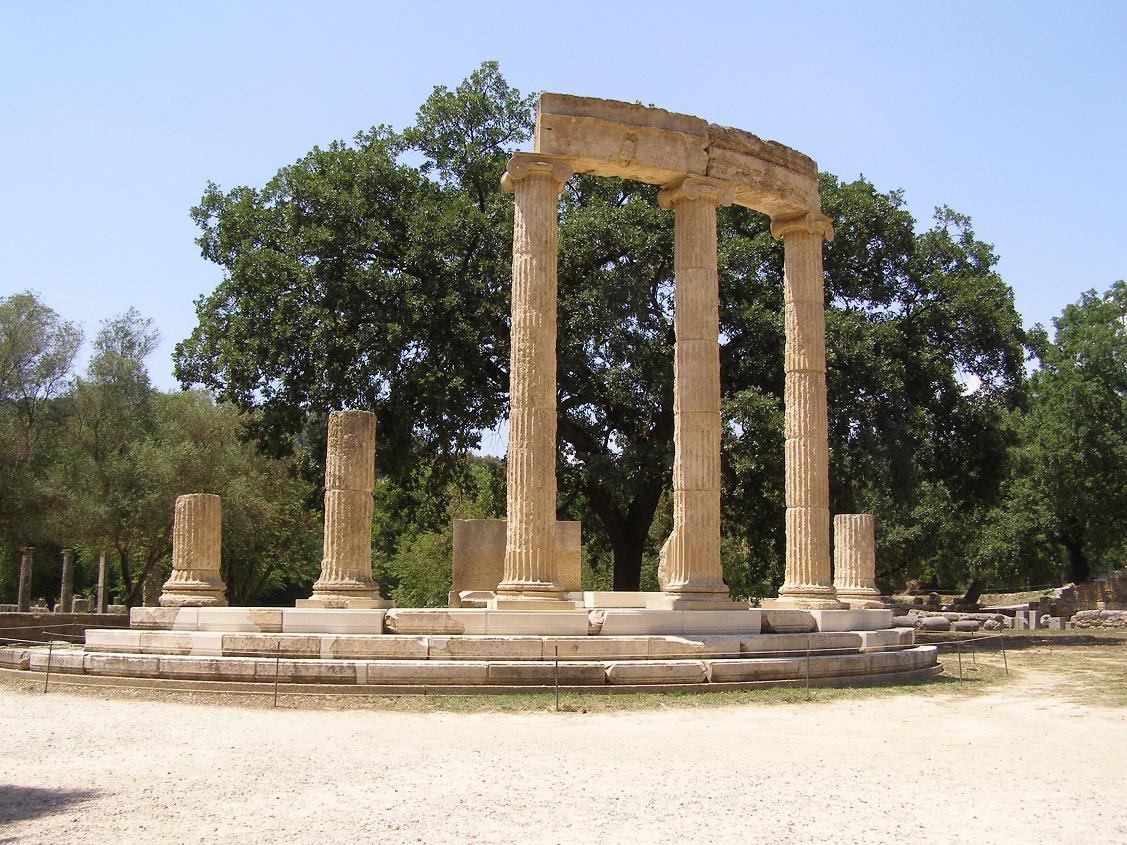
- Temple of Hera


The archaeological site
| Sight | What it is | Highlight |
|---|---|---|
| Temple of Zeus | Doric temple, built 457 BC | Held the 13-metre gold-and-ivory statue by Phidias, one of the Seven Wonders |
| Temple of Hera | Older temple of the sanctuary | The Olympic flame is lit under its columns every 4 years |
| Ancient stadium | Running track of the games | Hosted the Panhellenic Games from 776 BC |
| Archaeological Museum | On-site museum | Nike of Paionios, Hermes with the infant Dionysos, 42 pediment sculptures |
The archaeological site of Olympia is the sanctuary of Zeus, an extensive precinct of temples, altars and treasuries alongside the buildings built for the games, including the stadium. Olympia was never a city — it was the place where the games were held and the gods were worshipped, and its only permanent residents were the priests and their staff. The Temple of Zeus, built in 457 BC, housed a 13-metre statue of the god: a wooden frame covered with plates of ivory and gold, the god seated on a wooden throne inlaid with ivory, ebony, gold and precious stones. The sculptor Phidias made it, and it ranked among the Seven Wonders of the ancient world. The statue was lost in the 5th century AD and survives only in old descriptions and on ancient coins; a copy stands in the Hermitage Museum in Saint Petersburg. At the Temple of Hera the Olympic flame is still lit every four years, keeping the ancient sanctuary alive at each modern Games. A fire in 2011 scarred the surrounding valley, and its marks are still visible.
The Archaeological Museum
The Archaeological Museum of Olympia holds finds from prehistoric times to the Early Christian period, a short walk from the ruins. Its largest attraction is the group of 42 carved sculptures from the two pediments of the Temple of Zeus, dating from the 5th to the 1st century BC. Beside them stand beautiful bronzes and terracottas and fine marble sculptures, among them the famous Nike of Paionios, carved from prized Parian marble; the winged figure once stood about 3 metres tall before parts of her wings broke away. Another highlight is the statue of Hermes carrying the infant Dionysos. The museum also keeps the inscribed helmet of the general Miltiades, offered to the temple after his victory over the Persians at Marathon, and a unique bronze battering-ram, the only one ever found from antiquity.
Where to stay in Olympia
Two hotels sit within walking distance of Olympia’s town centre and its historic ruins, and both keep an outdoor pool for the end of a sightseeing day.
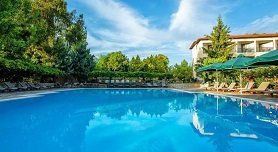
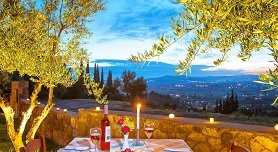
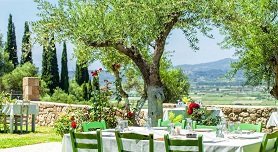
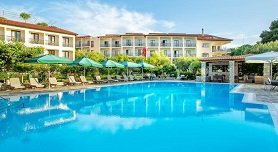


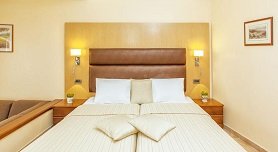
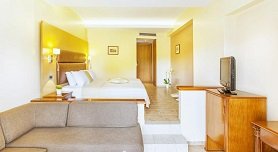
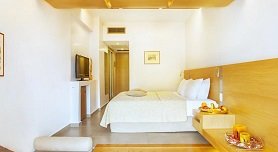
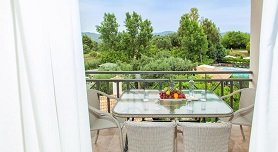
Best Western Hotel Europa stands on top of Drouvas Hill in Ancient Olympia, among the landscape of the sanctuary with views of the Arcadian Mountains and the Alfios Valley. It offers 80 spacious rooms with marble floors and balconies, a 24-hour front desk, three bars, a Greek restaurant and a pool-side tavern, an outdoor pool with a pool bar, a garden, free parking and free Wi-Fi, with a rich buffet breakfast each morning. Kaiafas Beach lies 20 kilometres away, and guests can drive to the Temple of Apollo Epikourios (1.5 hours), the Medieval Castle of Chlemoutsi (45 minutes) or the ski centre at Helmos-Kalavrita (2.5 hours).
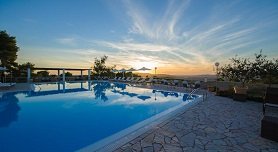


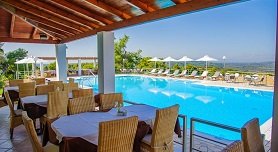

Olympion Asty Hotel enjoys a countryside setting in Olympia with a lovely outdoor pool and terrace. Its spacious rooms have marble floors, a seating area and a private balcony with views of the Alfeios River and Kiparissia Bay, free wireless internet and breakfast included. The gardens make a relaxing setting after sightseeing, the town centre and ruins are a short walk away, Kaiafas Beach is 20 kilometres off, and free private parking is available nearby.
Kaiafas: lake, springs and beach
Kaiafas Lake and its beach lie 18 kilometres from Ancient Olympia at the foot of Mount Lapitha, a good base if you want the ruins and a sandy beach on the same trip. The setting pairs thermal springs with a large, quiet sandy beach backed by dunes and pine trees. On the eastern side of the lake, two rocks hold caves where the water flows out; ancient myth made this forest the home of the Nymphs, and the medicinal water drew temples and altars in their honour. The area carries several accommodations and restaurants.
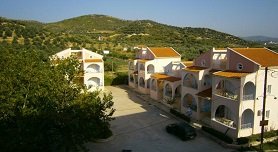


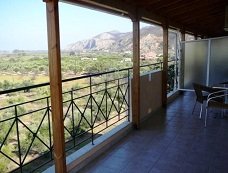
Kaiafas Lake Hotel stands 800 metres from Lake Kaiafa and 900 metres from Zacharo and Kaiafa beaches, with a swimming pool and a traditional Greek tavern. Its air-conditioned rooms include a fridge and a private balcony, while the spacious studios and apartments have wooden floors, a satellite TV, a mini fridge and a private bathroom, with room service available. The pool sits among greenery with free sun beds, umbrellas and a poolside bar. Kaiafas Beach is 1.2 kilometres away, the sandy beach of Zacharo 2 kilometres, and Ancient Olympia 18 kilometres; free Wi-Fi and free on-site parking are provided.
Getting to Olympia
Olympia sits 10 kilometres east of Pyrgos, so most visitors reach it by way of that city. The archaeological site and the museum lie at the edge of the modern village beside the ruins, and both stay within easy walking distance of the town’s hotels, tavernas and shops. For the sights, the site of the sanctuary, the Temple of Zeus and the Temple of Hera, and the Archaeological Museum are the whole and considerable point of a stay.