Salamis (Salamina), Greece: The Island near Piraeus

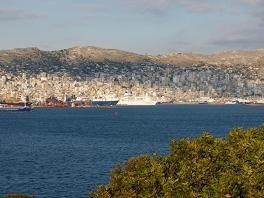
Salamis, also called Salamina, is the largest island in the Saronic Gulf, just 2 kilometers off Piraeus - famous for the Battle of Salamis of 480 BC and today a mix of heavy industry, quiet southern beaches and green nature. Salamis is an island of extremes: shipyards and industry on one side, but pine forest, clean southern beaches and the largest fishing fleet in Greece on the other, all within a ten-minute ferry ride of Athens.
- Size
- 95 km²
- Population
- ~31,000
- From Perama
- 10 min
- Battle
- 480 BC




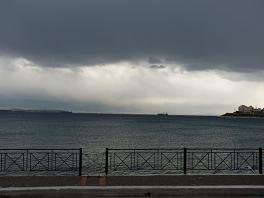
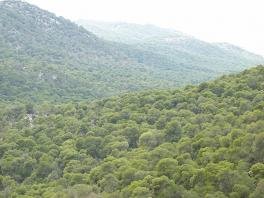
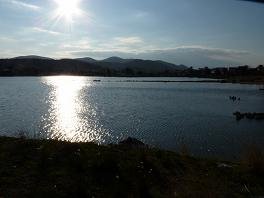
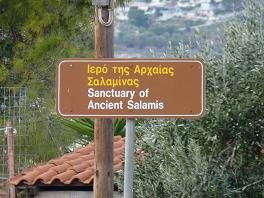




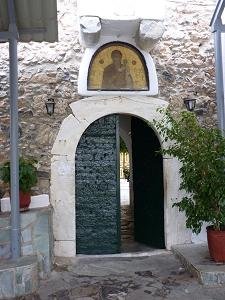
The island of Salamis
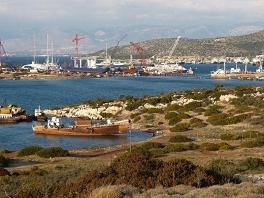
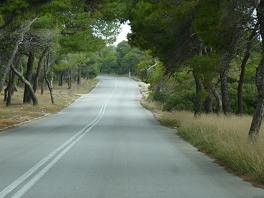
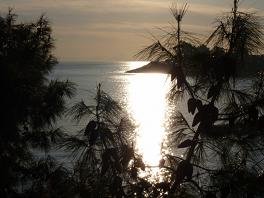
Salamis is the largest island in the Saronic Gulf, sometimes called Salamina after its capital, covering 95 square kilometers just 2 kilometers off the mainland and the port of Piraeus. It is mostly mountainous and rocky, rising to the 404-metre Mavrovouni, with a pine forest in the south and about 31,000 permanent residents, many times more in summer. The capital, Salamina, lies on the west side and the main ferry port, Paloukia, on the east; the quickest crossing is the ten-minute ferry from Perama near Piraeus. Salamis has the largest fishing fleet in Greece, five shipyards and the headquarters of the Greek navy.
The Battle of Salamis
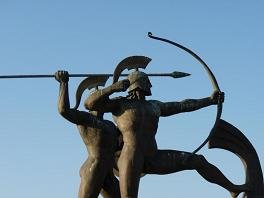
Salamis is famous for the Battle of Salamis in 480 BC, when the Athenian admiral Themistocles defeated the Persian fleet sent by King Xerxes in the strait between the island and the mainland - a turning point in the Greco-Persian Wars. The bay in front of Ambelakia, on the east of the island, is where the battle took place, and the Greek navy is still headquartered on Salamis today.
Sights of Salamis
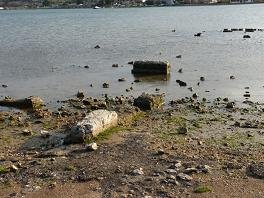
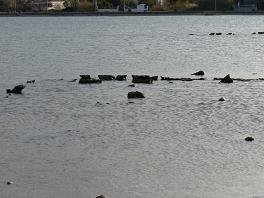
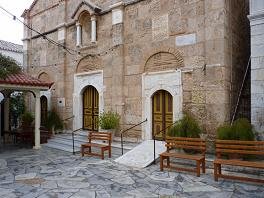
Ambelakia, 4 kilometers south-east of the capital, is the oldest town on the island and the site of the ancient harbour of Koulouris, with underwater ruins, acropolis walls and 16th-century churches. Moulki (Aianteio, named after the hero Ajax), south-west of the capital, has pine woods, a good beach and 11th- and 12th-century churches. Above it on Mount Stavros stand the 18th-century monastery of Agios Nikolaos Lemonion and the 10th-century Byzantine church of Agios Ioannis Kalyvitis. The Cave of Euripides at Peristeria, with ten chambers, yielded finds from Neolithic to Roman times and is believed to be where the exiled playwright Euripides wrote his tragedies.
Museums of Salamis
The open-air Maritime Museum at Paloukia displays a collection of cannons and torpedoes. The Folk Art and History Museum, housed in the town hall, tells the story of Salamis through costumes, old farm equipment, furniture, weapons from the Greek Revolution, icons, rare manuscripts and ceramics; it is open Monday to Friday from 9:00 to 16:00.
The beaches of Salamis
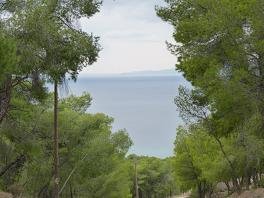
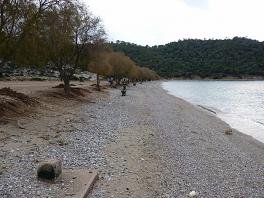
For clean water and quiet sand, head to the greener south of the island. The beaches of Kaki Vigla, Faneromeni, Saterli, Selinia, Kanakia and Peristeria are among the best on Salamis and much cleaner than those in the industrial north, and the area is far less developed; Faneromeni also has a monastery with beautiful frescoes. Psili Ammos ("fine sand"), in the north-west opposite Elefsina, is a lovely beach beside one of the island's oldest churches, Agios Grigorios.