Athos Peninsula, Halkidiki: Ouranoupoli, Ierissos, Nea Roda & the Beaches
The Athos peninsula is the eastern of Halkidiki's three legs, named after the sacred Mount Athos, at 2,030 metres the highest mountain in Halkidiki. Its secular north and west coast holds the towns of Ouranoupoli, Ierissos, Nea Roda and Olympiada, with Blue Flag sandy beaches and seafood tavernas. Ouranoupoli is the gateway: boat cruises leave its port along the monastic coast, and ferries cross to Ammouliani island. The monastic republic in the south, with its 20 monasteries, stays closed to casual visitors.
- Region
- Halkidiki
- Mount Athos
- 2,030 m
- Monasteries
- 20
- Gateway town
- Ouranoupoli


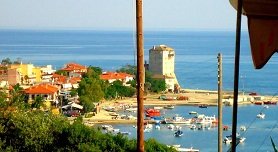

The Athos peninsula and the Holy Mountain
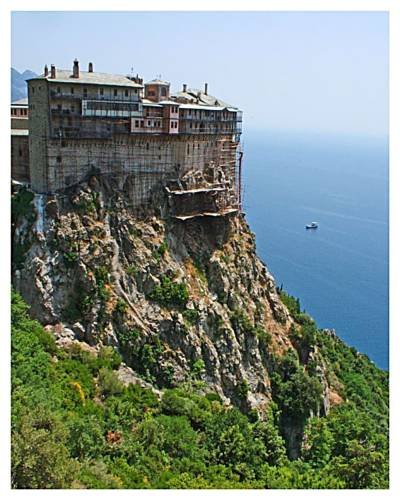
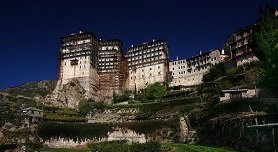
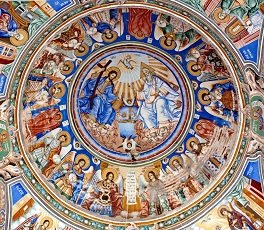
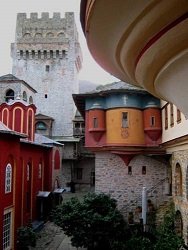
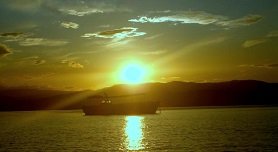
The Athos peninsula takes its name from the sacred mountain in the south, and at 2,030 metres Mount Athos is the highest mountain in Halkidiki. The peninsula is autonomous within Greece and holds a special status, including in tax. Its capital, Karyes, dates from the 9th century. The peninsula has 20 monasteries: the first was founded a little over a thousand years ago and the last in the 16th century, while the oldest, largest and most important, Megisti Lavra, dates from 963 and stands on a rock in the south-east. An ancient law forbids building a road between Karyes and the outside world, so boats and narrow paths still reach the monasteries as they always did. Access stays limited to men who hold a permit for religious or study reasons; women and children up to 18 are not allowed, and the maximum stay is four days. Ordinary travellers see the coast instead by boat cruise from Ouranoupoli, Ierissos or Nea Roda.
Villages of the Athos peninsula
The secular coast keeps its towns on the north and west of the peninsula: Ouranoupoli in the north-west, Ierissos and Nea Roda on the north-east neck, and Olympiada on the east coast. Each pairs a sandy beach with tavernas, shops and rooms.
Ouranoupoli
Ouranoupoli is the last town before the Athos peninsula and is known as the gateway to Mount Athos, 120 kilometres from Thessaloniki. It stands directly on the sea, with a sandy beach and facilities of sunbeds, umbrellas and taverns, and it keeps ample accommodation and restaurants. Its port sends ferries and excursion boats to the monastic coast, to the Drios islets opposite the town, and across to Ammouliani island. The Byzantine Andronikos tower rises in the port, built in 1344 and the highest tower in Halkidiki.
Ierissos
Ierissos sits north-west of Nea Roda and ranks among the largest towns in Halkidiki. In antiquity it was Akanthos, founded in the 7th century BC by settlers from Andros; part of the coastal cemetery has been excavated, uncovering 600 graves. Ierissos holds a kilometres-long sandy beach with a Blue Flag for its clean water, plus many restaurants, shops and nightlife. Kakoudia beach lies just outside the centre.
Nea Roda
Nea Roda is a small town on the north-east neck of Halkidiki, at the narrowest point of the finger just north of Athos. The Persian king Xerxes had a channel dug here in 480 BC to give his fleet passage, and archaeological remains from antiquity survive in the village. Nea Roda keeps a wide sandy Blue Flag beach, seafood restaurants, shops, and bars and clubs for the evening. It lies between Ierissos and Ouranoupoli, 124 kilometres from Thessaloniki.
Olympiada
Olympiada is a village and beach on the east coast of Halkidiki, backed by beaches, mountains and forests and good for diving and snorkelling. Ancient Stageira, the birthplace of the philosopher Aristotle, stands about 1 kilometre to the east beside Aristotle's Park. The Egnatia motorway connects the village to Thessaloniki, 90 kilometres away.
The beaches
The Athos peninsula lines its secular coast with sandy beaches, several flying the Blue Flag. Ierissos keeps a kilometres-long Blue Flag beach and the cove of Kakoudia; Nea Roda holds a wide Blue Flag beach; Ouranoupoli has an organised town beach with sunbeds and taverns; and Komitsa beach, near Nea Roda within the Mount Athos World Heritage area, sits about 2 kilometres from the Holy Mountain. Olympiada adds a sheltered east-coast beach by ancient Stageira. See the full guide to the beaches of the Athos peninsula.
Sights and boat cruises
The peninsula's headline sight is the Mount Athos boat cruise: tour boats leave Ouranoupoli, Ierissos and Nea Roda to see the coastal monasteries from the sea. In Ouranoupoli's port stands the Byzantine Andronikos tower, built in 1344 by order of the Vatopediou monastery and the highest tower in Halkidiki. On the east coast, ancient Stageira near Olympiada marks the birthplace of Aristotle, and the ancient sites of Akanthos at Ierissos and the Xerxes channel at Nea Roda add more history. They are gathered in the Athos sights guide.
Where to stay
Accommodation on the Athos peninsula concentrates in the coastal towns, as pensions, studios, apartments and seafront villas rather than large resorts. Ouranoupoli suits a base by the cruise port, Nea Roda and Ierissos put you on the Blue Flag beaches, and Olympiada keeps quiet rooms by ancient Stageira. Compare the options in the Athos hotels & villas guide.
Getting to the Athos peninsula
The Athos peninsula is reached by road from Thessaloniki, about 120 kilometres from Ouranoupoli, with a regular bus service; from the airport you take a taxi to the bus station, about a 10-minute drive. The Egnatia motorway serves the east-coast approach to Olympiada. From Ouranoupoli's port, ferries cross to Ammouliani island and boats run to the Mount Athos coast; excursion boats also leave from Ierissos and Nea Roda.