Paros: Island Guide, Parikia, Naoussa, Beaches & Hotels
Paros is a central Cyclades island in the Aegean Sea, big enough to tour for a couple of weeks, with the harbour capital of Parikia, the fishing village of Naoussa and long sandy beaches on its south and east coasts. The island has been inhabited since about 3200 BC and sits strategically in the middle of the Cyclades; its villages are all different, so there is something for everyone, and many visitors come back again and again to find new places and revisit old favourites. Hire a car to reach the parts of Paros the buses miss, covered in our Paros car hire guide.
- Sea
- Aegean
- Region
- Cyclades
- Capital
- Parikia
- Known for
- Parian marble



The island of Paros
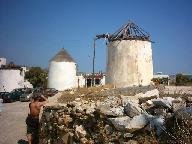
Paros lies in the heart of the Cyclades and works well as a base, with good beaches on the south and east coasts and a string of contrasting villages. For shopping and sights head to the capital Parikia; for beaches the south and east are best. The island is famous for its fine white Parian marble, quarried since antiquity, and for the Byzantine church of Panagia Ekatontapiliani in Parikia. Inland stands Lefkes, the old Chora and one-time capital, kept authentic and largely untouched by tourism.
Parikia, the capital


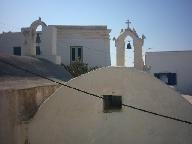

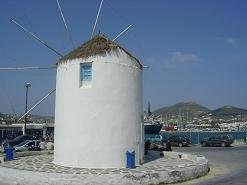
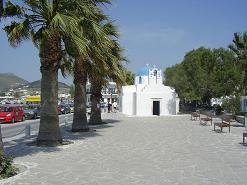
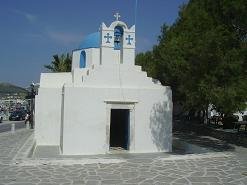

Parikia is the capital and main resort, set in a protected bay on the west coast and inhabited since the Bronze Age. At its centre is a typical Cycladic Chora with a piece of Venetian wall built in 1207 on the site of the old acropolis; the old town lies to the west and the beach and modern part, with most of the hotels, to the east. The ferries dock by the large white windmill, near the bus station, the taxi stand and the boat to Antiparos. Along the quay are tavernas, ticket offices, shops, cafes and ancient relics, and behind the promenade are narrow shopping streets, white houses with bougainvillea and small squares. The town beach is not the most inviting with ferries coming and going, so head to the long sandy beach of Livadia just outside the centre.
Naoussa

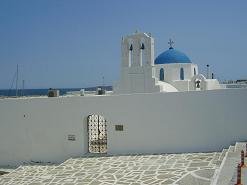
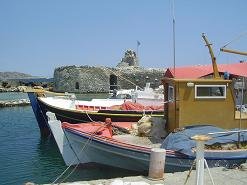
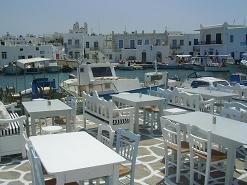

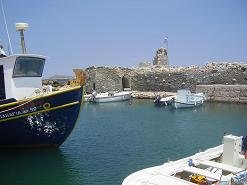
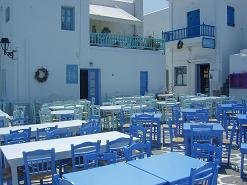
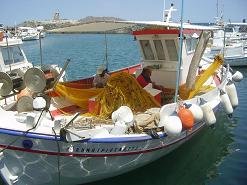
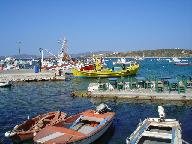
Naoussa is a picturesque fishing village in the north of Paros, with a beautiful harbour of colourful Greek boats, an old white Chora, a promenade of tavernas and the old Venetian houses behind the kaiks. It is dominated by a large church and gets very busy in the evening, when everyone returns from the beaches - quieter and pleasant in the daytime. There is no really good beach in the village itself, but boats and buses run to better beaches nearby, including Santa Maria.
Alyki and the villages

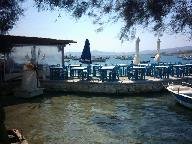
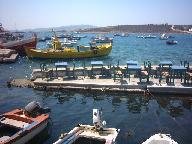
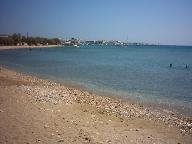
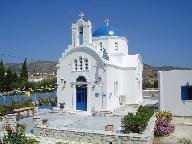
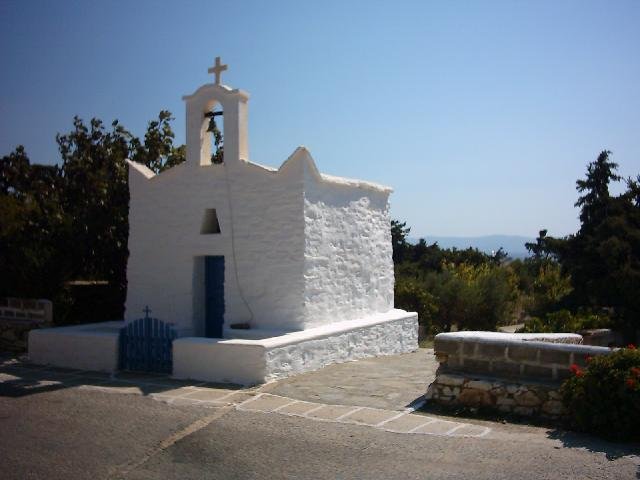
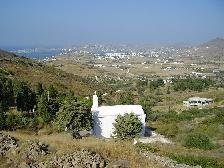
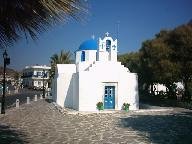
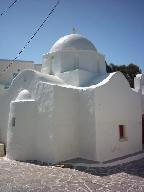
Alyki, also spelled Aliki, is a small, pretty village on the south coast: a few houses, some hotels, a harbour front of restaurants, two supermarkets and a little white church with a blue dome, with a big, good beach and more beaches around every corner. Reach it by bus or a cheap taxi from Parikia, or walk the coast from the small ferry harbour of Punta. On the east coast, Piso Livadi sits in a protected bay overlooking Naxos, quieter than Parikia or Naoussa and close to many beaches, among them the long, windsurf-friendly Chrissi Akti (Golden Beach). Inland, Lefkes is the authentic old Chora, once the pirate-era capital.
The beaches of Paros
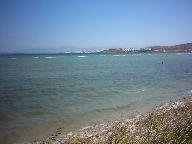

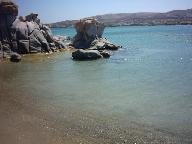
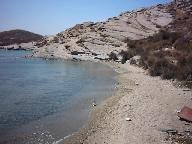


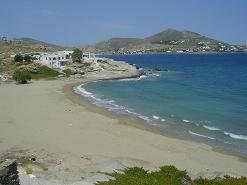
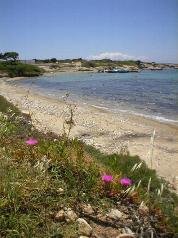
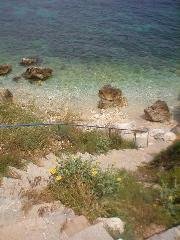
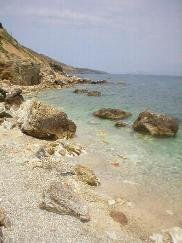
Paros has so many beaches it is hard to name them all, spread mainly along the south and south-east coasts, with more in the west between the cliffs and in the north. In the north are Santa Maria and Kolymbithres, the latter with a striking rock in the sea; on the east coast Chrissi Akti, or Golden Beach, is rated the best on the island and popular with windsurfers for its wind and waves. The quieter, smaller beaches in the south around Aliki and Pounta are just as good and much calmer, and there is a naturist beach north of Parikia at Krios and more quiet coves between Aliki and Pounta. See the full guide to the beaches of Paros.
The church of Ekatontapiliani

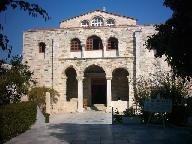
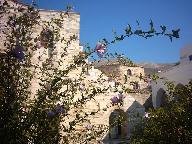

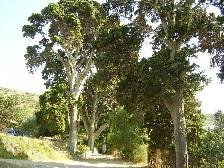
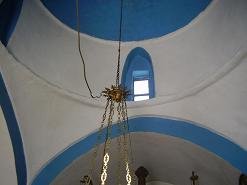
Panagia Ekatontapiliani, better known as the church of a hundred doors, is a major Byzantine monument 200 metres from the port of Parikia. Tradition dates its beginnings to the reign of Constantine the Great (280-337 AD), and it is built in three parts from different periods. Its name comes from its hundred doors, of which only 99 have been counted; the last, it is said, will reveal itself when the Greeks take Constantinople back. The church was ruined in the 1773 earthquake and rebuilt, and only the belltower was not restored, so the bells hang outside beside the entrance in a big tree.
The history of Paros
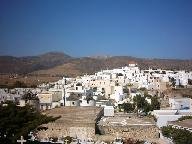
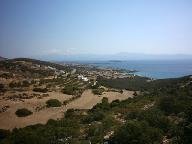
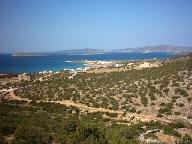

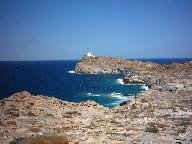
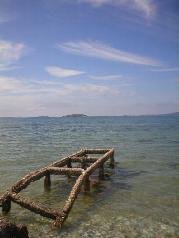

Paros has been inhabited since 3200 BC, shown by excavations on the islet of Saliagos between Paros and Antiparos - the two were probably a single island until an earthquake split them. In myth King Alkaios of Crete was its first king and founded a city where the capital Parikia now stands, and the Cretans made fertile, central Paros a naval base. The Ionians took over in 1100 BC and the Arcadians under Parios - who gave the island its name - around 1000 BC, after which Paros grew into a maritime power. Part of the Parian army fought on the Persian side in the Persian Wars and was defeated by the Athenians. In 338 BC Paros passed, with the rest of Greece, to Philip of Macedonia, and after Alexander the Great's death to the Egyptian Ptolemies. The Romans took the island next, then the Byzantines, who brought Christianity and built the church of Ekatontapiliani in Parikia, the most important monument of that period in Greece; the Venetians ruled from 1207 to 1389, the Ottomans after them, and Paros joined the new Greek state after the 1821 revolution.
Getting to Paros & car rental
Paros is reached by ferry and by plane, and Parikia is well connected across the Cyclades. Renting a car is a good plan, because the island has a lot to offer and the quieter beaches and inland villages reward exploring; wooden boats, buses and taxis also serve the beaches away from the towns. Plan a trip to Paros and, when you are hungry, the Paros restaurants guide lists places to eat in Parikia, Naoussa and the villages.
Where to stay on Paros
Below are two places we like; there are many more on the Paros hotels page.
Hotel Manto, Naoussa
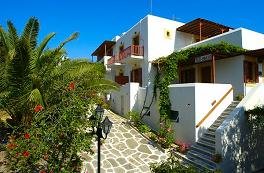
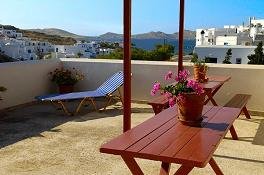
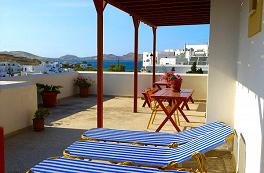
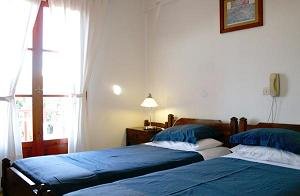
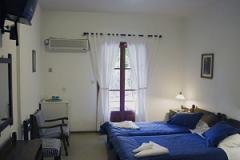
Hotel Manto stands in a quiet spot a few minutes' walk from the centre of Naoussa, built in the traditional Cycladic style. It offers free internet and spacious, air-conditioned rooms with a private bathroom, balcony and fridge, all with a TV and views over the Aegean or the gardens. Breakfast with fresh juices and home-made delicacies is served daily, and there is a sea-view terrace with sun loungers, next to the restaurants, bars and shops of Naoussa.
Check availability & bookIkia Studios, Alyki
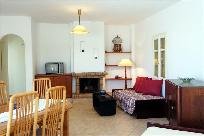

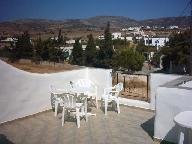
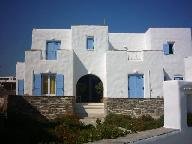
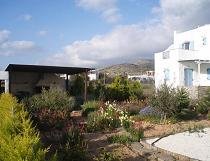
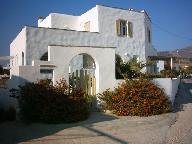
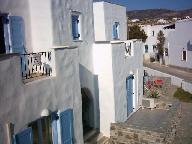


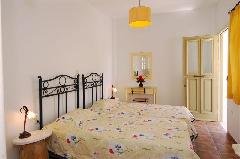
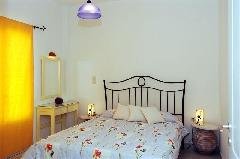

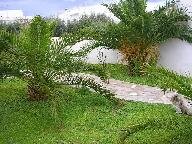
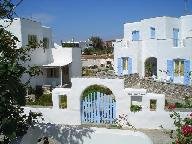


Ikia Studios sit in Alyki in the south of Paros, close to the beach, in an A-class complex built in 2001 - our own choice and, over the years, more of a second home than a hotel. The tastefully decorated studios, apartments and complete houses are a short walk from a supermarket, a bakery, tourist shops, tavernas and a small bar, with a petrol station in the village and the two village beaches plus fabulous coves such as Faranga and Makria Myti (both also naturist) nearby. Owner Anna is always welcoming, the prices are low, and she sometimes has special offers for stays of six days or longer.
Check availability & book