Crete, Greece
Crete is the largest Greek island and lies at the southern edge of the Aegean Sea. Crete divides into 4 regional units - Chania, Rethymno, Heraklion and Lasithi - that run from the green, mountainous west to the drier, quieter east. Hire a car to reach the parts of Crete the buses miss, covered in our Crete car hire guide.

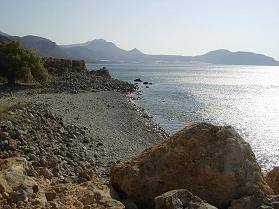
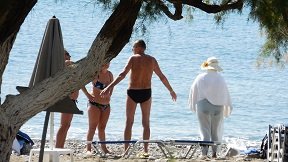
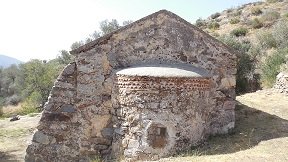
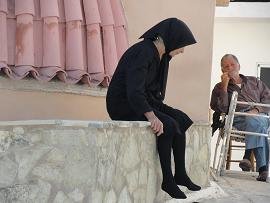
Crete has something for everybody
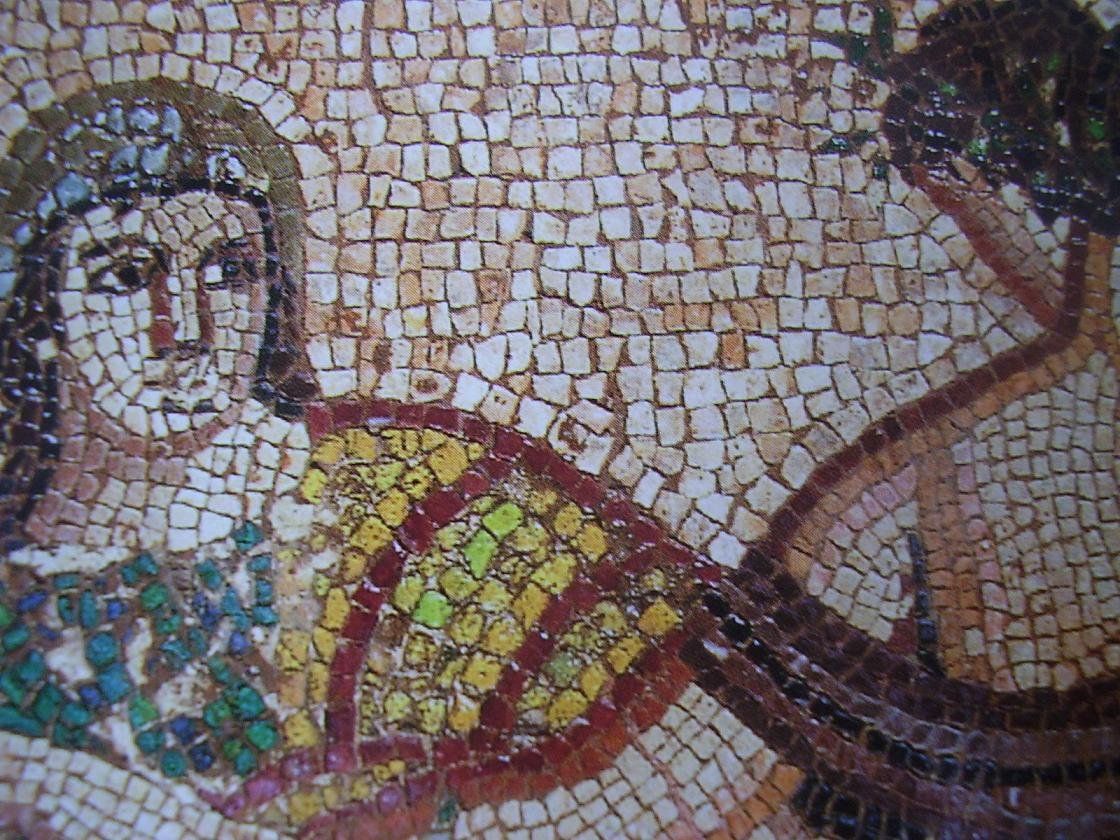
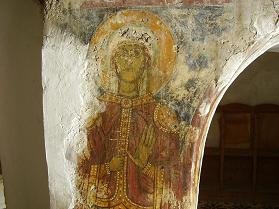
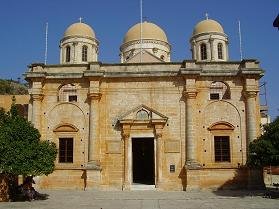
Crete offers quiet beaches, high mountains, ancient sites and lively resorts within one island. Crete marks the southern boundary of the Aegean Sea and is long and mountainous, so its high central range holds back the rain-clouds and shelters the south coast. The island carries the remains of every power that ruled the region: ancient cities and palaces of the Bronze Age Minoan civilisation, Byzantine and Venetian churches and castles, and Turkish forts and mosques.
Roughly, Crete falls into 3 parts - the east, the middle and the west. The east is dry but full of flowers and beautiful nature, the middle below Heraklion is a patchwork of vegetable fields and olive groves, and the west is the greenest, with pine trees and forests. Ierapetra, the southernmost city, is the sunniest city in Europe, because the northern winds drop their clouds on the high mountains before they reach the south coast.
The 4 regions of Crete
Crete is too large for a single base, so plan your trip by its 4 regional units. Each region has its own airport reach, coastline and character, and each has a full guide on this site.
- Western Crete is the greenest region, with the White Mountains, the Samaria Gorge and the harbour town of Chania - read the Chania guide.
- The smallest region wraps a Venetian old town and the palm-beach coast of Preveli and Plakias - read the Rethymno guide.
- Central Crete holds the island capital, the Minoan palace of Knossos and the big north-coast resorts - read the Heraklion guide.
- Eastern Crete is drier and quieter, with Agios Nikolaos, Elounda, the Lasithi Plateau and the palm beach of Vai - read the Lasithi guide.
Top experiences on Crete
Crete rewards a touring holiday, because its best sights and beaches sit far apart across the island. Below are the experiences that draw most travellers, ordered by how far they stand out.
- Hike the Samaria Gorge in western Crete, one of the longest gorges in Europe.
- Tour the Minoan palace of Knossos just outside Heraklion.
- Cross by boat to the Venetian fortress islet of Spinalonga off Elounda.
- Reach the palm-forest beach of Vai in the far east.
- Lie on the shallow lagoon of Balos and the pink sand of Elafonisi in the far west, two beaches reached by dirt road or excursion boat.
- Base a few days in Elounda or on the south coast at Matala to slow down.
Tour the island - rent a car
Rent a car or a bike on Crete, because the island is so large and beautiful that a single resort shows you only a corner of it. Compare prices before you arrive and pick up the car at the airport or in your town, so you can drive the mountain roads, reach the empty beaches and stop in villages that buses never touch. If you would rather be driven, see our Crete airport transfers guide.
Coastal villages with a good beach
Choose a coastal village with its own identity for a relaxed base, rather than the concrete resorts of Malia or Chersonissos. These villages keep a traditional feel, shallow family beaches, tavernas and all amenities, without the noise. A few favourites follow.
- Stay in Agia Pelagia, a cosy village 22 km from Heraklion with sandy, shallow beaches and easy day trips.
- Relax at Almirida in the green Apokoronas, about 25 km west of Chania, with 3 shallow beaches and cheap villas.
- Explore Bali, a cluster of small coves on the north coast between Heraklion and Rethymno.
- Settle in Kalives, a lively but unhurried Apokoronas village with large sandy beaches.
- Wander the fishing village of Panormos, 22 km east of Rethymno, with fish tavernas and old streets.
- Sit on the long beach of Georgioupoli on the north coast, reached by a road lined with eucalyptus trees, about 20 km from Rethymno.