Sifnos, Cyclades: Island Guide, Villages, Beaches & Hotels
Sifnos is a hilly island in the western Cyclades of Greece, 74 square kilometres in size with about 2,000 residents, roughly 6 hours by ferry from Piraeus. The island is known for its white Cycladic villages, its many churches and dovecotes, its pottery and cooking, and its beaches. It is the most popular island of the western Cyclades yet still reasonably quiet; its highest mountain, Profitis Ilias, reaches 680 metres, and in peak season ferries also link it with Paros, Milos, Folegandros and Santorini. Hire a car to reach the parts of Sifnos the buses miss, covered in our Sifnos car hire guide.

- Sea
- Aegean · Cyclades
- Size
- 74 km²
- Population
- ~2,000
- Ferry from Piraeus
- ~6 h


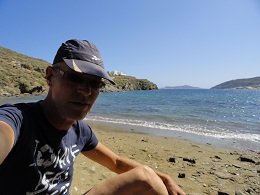

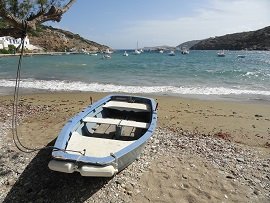
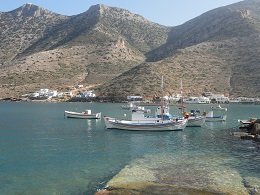
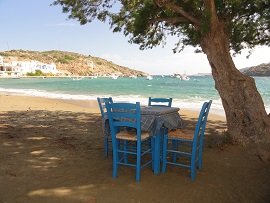
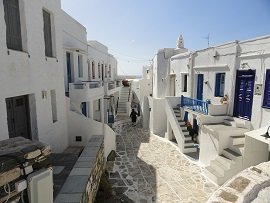
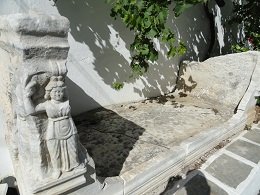

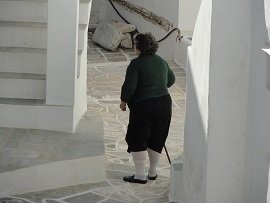
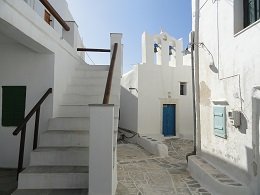
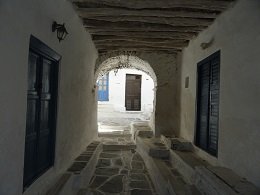
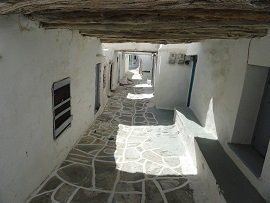
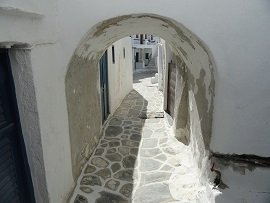
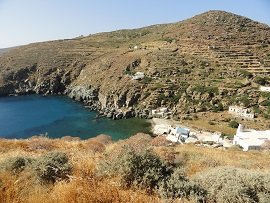
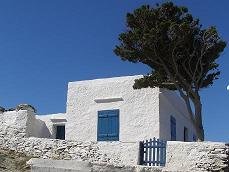


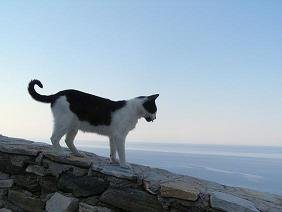


The island of Sifnos
Sifnos belongs to the Cyclades in the Aegean Sea, east of the Peloponnese, and lies in the western part of the group about 6 hours from Piraeus. It covers 74 square kilometres and has a little over 2,000 residents. The island is popular for its hilly landscape dotted with white Cycladic villages and for its beaches, and it holds many dovecotes, beautiful churches, several monasteries and remains of antiquity, including Hellenistic towers and the Mycenaean acropolis of Agios Andreas. In the Archaic period Sifnos flourished on its gold mines and offered a golden egg to Apollo at Delphi each year; when the islanders sent a gilded egg instead, the story goes, the mines were flooded and the island turned to making pottery. Because it is so popular, accommodation can run short in high season, so it pays to book ahead. A map of Sifnos helps in planning where to stay.
Villages of Sifnos


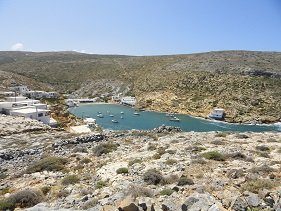

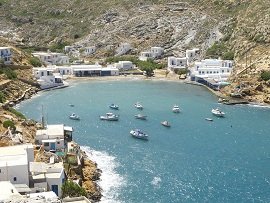
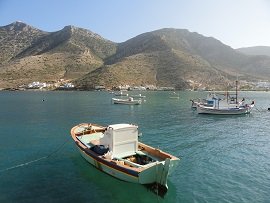
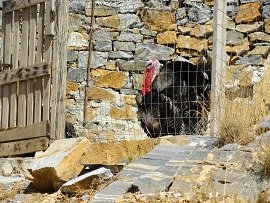
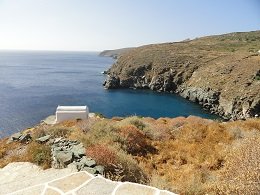
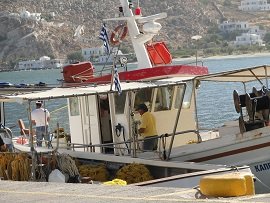
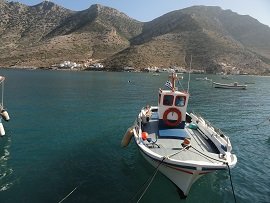
Sifnos keeps its life in a handful of white villages inland and around the coast. All ferries arrive at the port of Kamares, from where buses climb to the capital, Apollonia, and its neighbour Artemonas, while Kastro, the old capital, stands apart on the east coast.
Apollonia
Apollonia is the capital of Sifnos, set at the island's crossroads and built over three hills in white Cycladic houses and blue-domed churches. It has been the capital since 1836 and is almost merged with the neighbouring village of Artemonas. Its lanes hold most of the island's shops, cafes and nightlife, and buses from here reach the port, the villages and the beaches.
Artemonas
Artemonas is the village of the beautiful gardens, almost joined to Apollonia to the north. It is a Venetian village whose Kohi church was built on an older temple of Artemis, and its neoclassical mansions and quiet lanes make it one of the prettiest corners of the island. Old windmills stand on the hillside above it.
Kastro
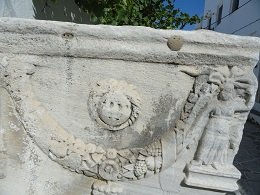
Kastro is the former capital and the prettiest village on Sifnos, on the more isolated east coast about 5 kilometres from Apollonia. It has been inhabited for over 3,000 years, is car-free, and is full of churches, with a stretch of old city wall, ancient sarcophagi built into the houses and an Archaeological Museum. Its churches, museum and sea views are covered in the Sifnos sights guide.
Kamares
Kamares is the ferry port of Sifnos, a lively village in a sheltered bay with a long sand-and-pebble beach, tavernas, car-rental shops, potteries and the island's bus station. Its clean, gently shelving beach holds a Blue Flag and suits families, and most of the island's rooms sit here or a short bus ride away. See the beach in the Sifnos beaches guide and the rooms in the Sifnos hotels & villas guide.
Beaches of Sifnos
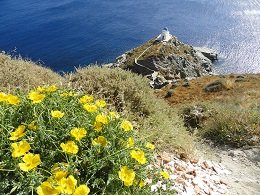
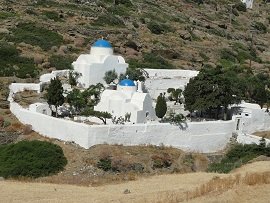


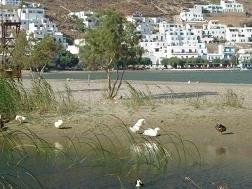

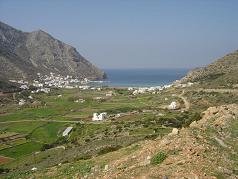
A row of fine beaches lines the south of Sifnos, of which Vathi, set in its own small bay with a taverna, is the best, reached by bus or by kaiki from Kamares. Platis Gialos is the island's main beach, a coastal village with tavernas, rooms and small hotels, though it opens up only around June. Faros, a little to the south-east, is a popular village with three small beaches. Kamares itself has one of the largest, safe and shallow beaches, good for families, while Heronissos lies in a quiet bay in the far north. For the full list see the Sifnos beaches guide.
Sights, pottery and cuisine
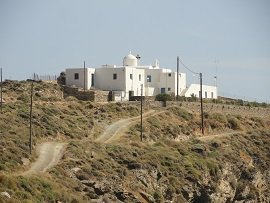
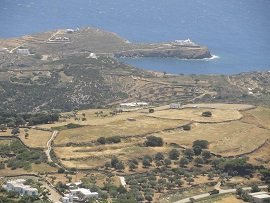


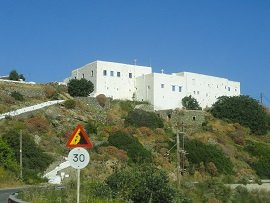
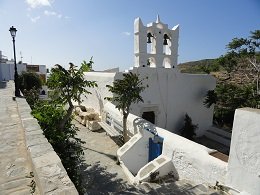

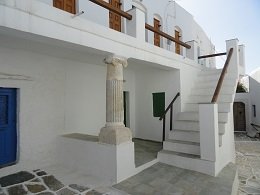
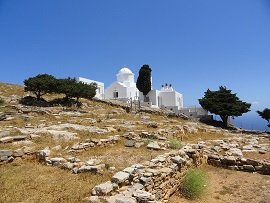

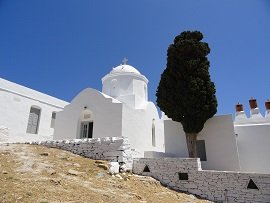


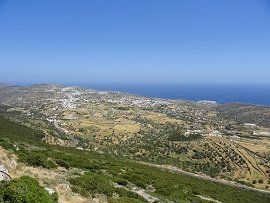
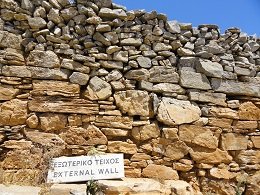
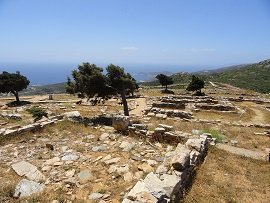
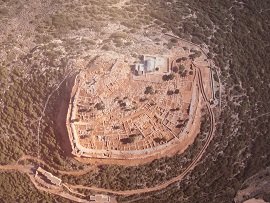

The most important sight is the Chrisopigi Monastery, set on a small islet joined by a road west of Faros and standing beside a fine sandy beach. Inland rise the Mycenaean acropolis of Agios Andreas and the many churches of car-free Kastro, while dozens of Hellenistic watchtowers still dot the hills. Sifnos is also famous for its pottery: the island's clay feeds the potteries of Kamares and the villages, and the same clay pots are used to cook the local food. That food is a point of pride, for Sifnos gave Greece the cook Nikolaos Tselementes, whose recipe book became so well known that his surname is still the everyday Greek word for a cookbook. The island's kitchens are known for revithada, chickpeas slow-baked overnight in a clay pot, and mastelo, lamb or goat baked in a clay pot at Easter. These sights and traditions are set out in the Sifnos sights guide.
Where to stay on Sifnos
Most rooms on Sifnos are in the port of Kamares and in the villages of Apollonia, Faros, Artemonas and Platis Gialos. Kamares keeps you on the island's longest beach and by the buses, Faros and Cherronisos are quieter and closer to the water, and Artemonas suits a base in the hills. Compare the options, including the island's studios and self-catering apartments, in the Sifnos hotels & villas guide. To eat out, see the Sifnos restaurants guide.
Sifnos in winter
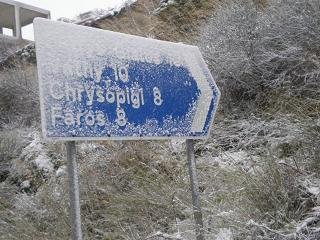

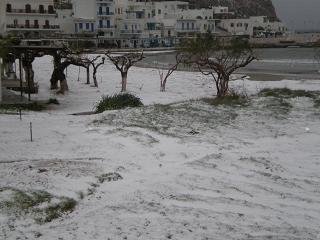
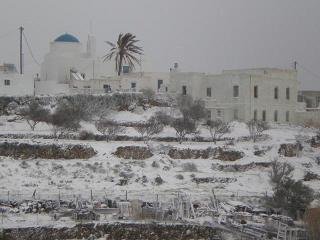
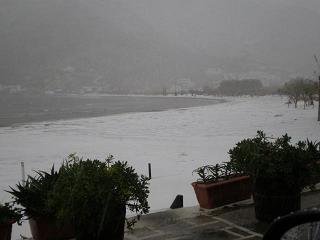
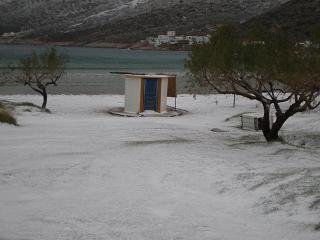

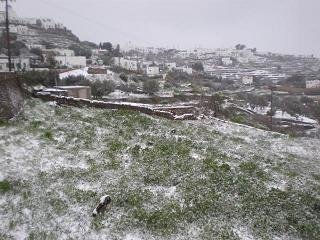
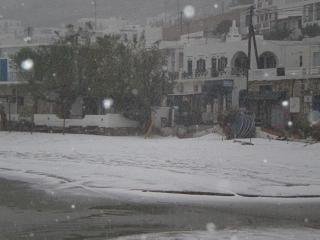
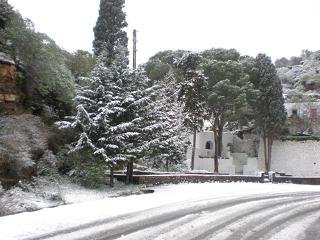
Sifnos is not sunny every day of the year. These photographs, taken by Kostas Kampoerakis, show the island under snow in February 2008, when Sifnos and much of Greece had a spell of cold, wintry weather.