Sithonia, Halkidiki: Peninsula Guide, Beaches, Villages & Hotels
Sithonia is the central and greenest of the three peninsulas of Halkidiki in northern Greece, a rugged, pine-covered strip of small fishing villages and many sandy beaches, less developed than neighbouring Kassandra and facing Mount Athos to the east. The capital is Nikiti, the largest town is Neos Marmaras, and the coast holds Porto Koufo, the largest natural harbour in Greece, and Vourvourou with the island of Diaporos and its nine islets offshore. Sithonia lies west of the Athos peninsula and east of Kassandra, about 100 kilometres by road from Thessaloniki.
- Location
- Central Halkidiki
- Region
- Halkidiki, Greece
- Capital
- Nikiti
- Largest harbour
- Porto Koufo
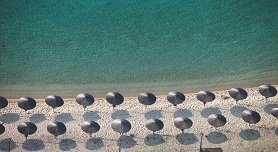
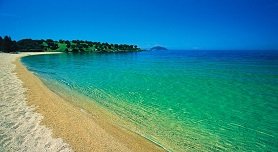
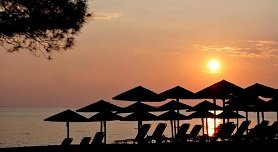
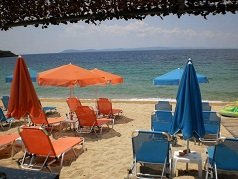
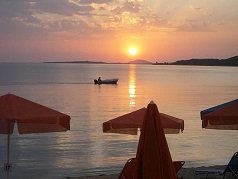
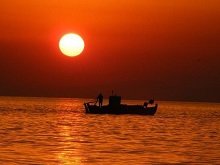
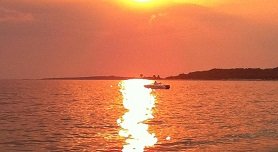
The Sithonia peninsula
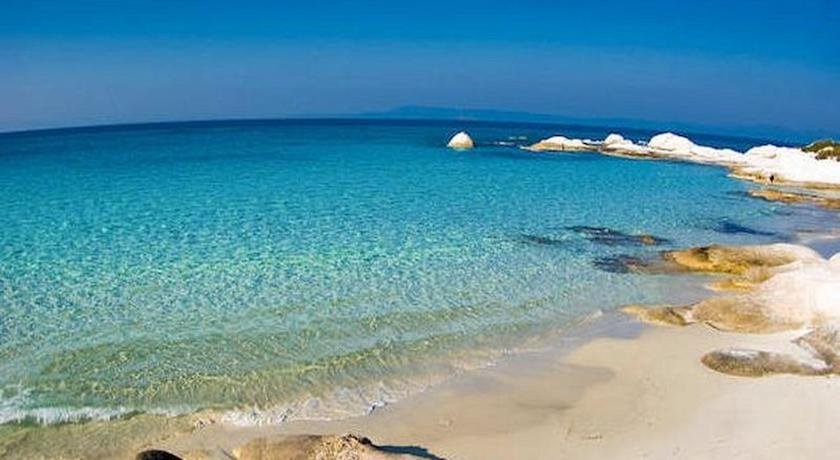
Sithonia is the middle of the three "fingers" of Halkidiki, between Kassandra to the west and the Athos peninsula to the east. The landscape is rugged and mountainous, thickly covered with pine, and dotted with small fishing villages and many quiet, sometimes deserted sandy beaches, which makes it greener and less built-up than Kassandra. The capital of the peninsula is Nikiti. Tourism draws both Greeks and foreign visitors, and the pine trees often grow right down to the sand. Among the historic sites is the ancient city of Torone, founded in the 8th century BC by settlers from Chalkida on Evia.
The villages of Sithonia
Sithonia keeps its life in a ring of coastal villages: Neos Marmaras and Porto Carras on the west coast, Ormos Panagias and Vourvourou in the north-east, Sarti on the east coast, and Toroni and Porto Koufo in the south-west, with the capital Nikiti and the resorts of the northern approach behind them.
Neos Marmaras
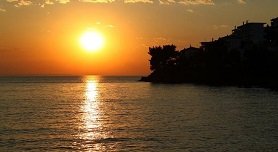
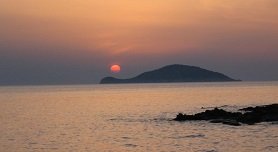
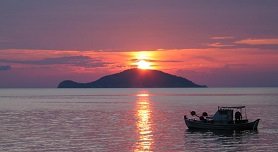
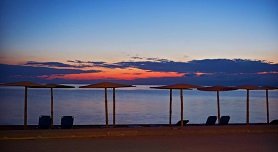
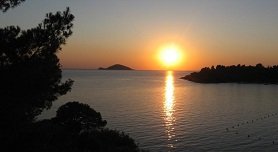
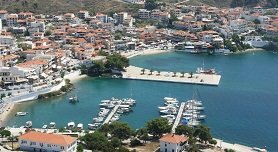
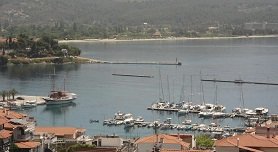
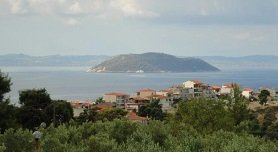
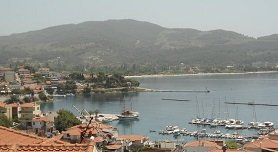
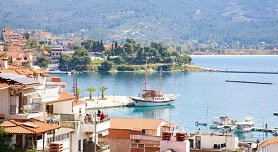
Neos Marmaras is the largest town on Sithonia, on the west coast about 125 kilometres from Thessaloniki, with around 3,000 permanent residents whose families mostly came as refugees from the Turkish island of Marmara in 1925. Tourism is the main industry, and the town has many accommodations, restaurants, bars and discotheques, with several sandy beaches and coves nearby. Just south lies Porto Carras, one of the largest five-star resorts in Greece, and off the coast rises the uninhabited islet of Kefylos, sometimes called Turtle Island. Where to stay is set out in the Sithonia hotels & villas guide.
Ormos Panagias
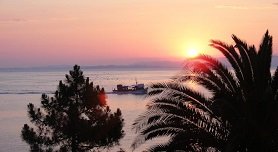
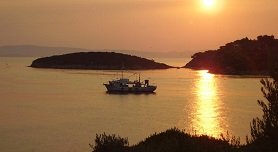
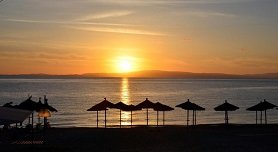
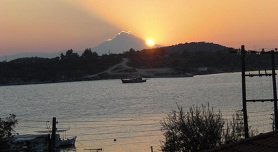
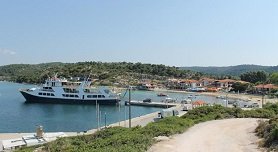
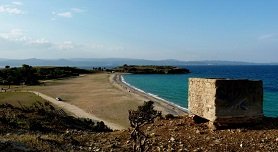
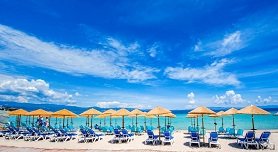
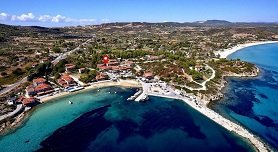
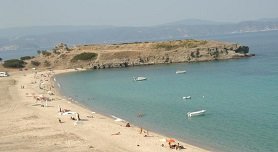
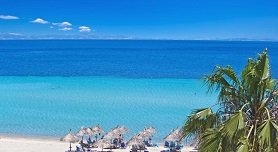
Ormos Panagias is a harbour village north of Vourvourou that grew up around an old Byzantine church, restored in 1970; its name means "the harbour of the Virgin Mary". It is counted as part of the town of Agios Nikolaos, a few kilometres to the north. This is an important little port: excursion boats leave in the morning to sail around the Athos peninsula and its monasteries. The village keeps accommodations, restaurants and the wide, blue-flag beach of Trani Ammouda, 1.8 kilometres long and rated among the finest in Halkidiki.
Vourvourou & Diaporos
Vourvourou sits on the north-east coast, 120 kilometres from Thessaloniki and 10 kilometres south of Agios Nikolaos, with about 150 permanent residents, white-sand beaches and shallow turquoise water. Nine islands lie offshore, giving the bay the look of a calm lake; the largest, Diaporos, is about 200 metres out and is a protected nature reserve reached by rented boat. Karidi is the best-known beach, and because the sea is calm and shallow and the pines shade the sand, the area is well suited to families with small children.
Sarti
Sarti is a coastal village on the south-east side of Sithonia, about 140 kilometres from Thessaloniki, named after the ancient city of Sarte that once stood here. Modern Sarti grew from around 1922, when immigrants from Asia Minor settled after the Turkish-Greek war, and it is now one of the main holiday destinations on the peninsula, with a 2.5-kilometre white-sand beach, several smaller bays and a clear view across to Mount Athos. Excursion boats also sail from Sarti around the Athos peninsula.
Toroni
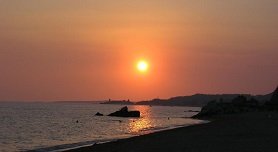
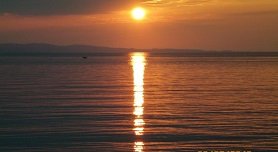
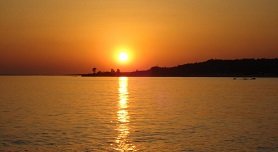
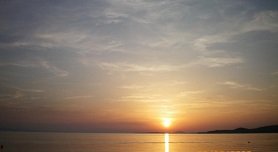
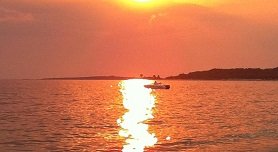
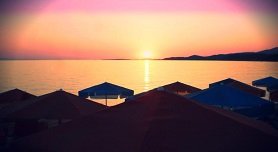
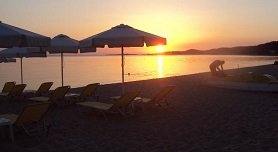
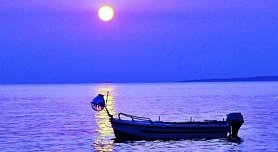
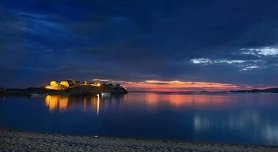
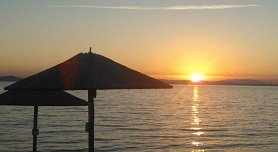
Toroni, on the south-west coast, has about 250 permanent residents and was founded in the 8th century BC by settlers from Chalkida on Evia. On a headland just outside the modern village stand the ruins of ancient Toroni with the Lecythus castle, an acropolis and the 5th-century church of Agios Athanasios. The village is popular for its 2.5-kilometre beach of thick yellow sand with a small palm grove, a blue-flag beach known for its sunsets. The ancient remains are described in the Sithonia sights guide.
Porto Koufo
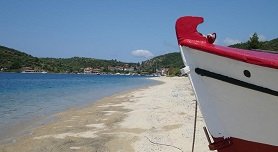
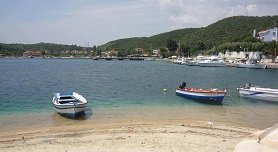
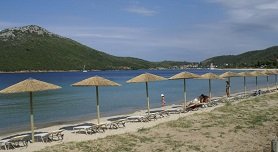
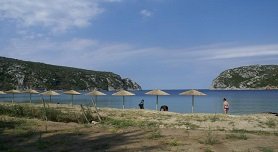
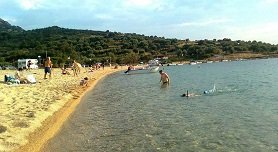
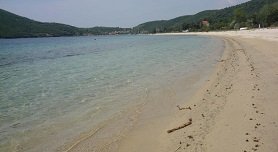
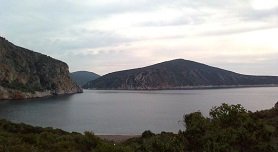
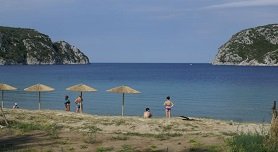
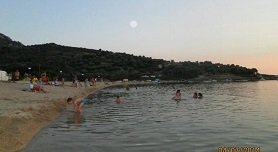
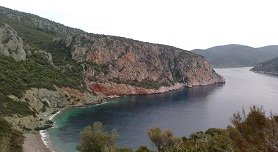
Porto Koufo lies in a bay in the south-west of Sithonia, about 145 kilometres from Thessaloniki, and is the deepest and largest natural harbour in Greece. So well hidden is the entrance that lighthouses now mark both sides, and in World War II the Germans used the bay as a submarine base; a few of their fortifications survive. It was the harbour of ancient Toroni, which called it the "Deaf Harbour" because the bay was so sheltered you could not hear the sea. Today yachts and fishing boats fill it, with tavernas and small hotels around the water.
Nikiti & the northern approach
Nikiti is the capital of Sithonia, at the neck of the peninsula, with a sandy beach and an older hill village behind. Along the central Halkidiki coast that leads onto Sithonia lie the resorts of the northern approach: Metamorfosi, just west of the entrance to the peninsula with its blue-flag beach of Makrya Lagada; Gerakini, a long-established resort on the strip between Sithonia and Kassandra, near ancient Olynthus; Psakoudia, the port of Ormylia with a 4-kilometre blue-flag beach; and Pyrgadikia, a small fishing village on the north-east neck that looks across to Mount Athos. Sikia, one of the oldest towns in Halkidiki, sits inland in the south, its beach 3 kilometres away at Paralia Sikia.
The beaches of Sithonia
Sithonia is ringed by sandy beaches, most backed by pine forest and often unspoilt, from the shallow, family-friendly coves of Vourvourou to the long resort beaches of the west and the wilder sands of the east coast. Karidi at Vourvourou, Trani Ammouda at Ormos Panagias, the 2.5-kilometre beaches of Toroni and Sarti, and the rock-fringed coves near Sarti are among the best known. The full run of beaches by area is set out in the guide to the beaches of Sithonia.
Sights of Sithonia
The main sights of Sithonia are Porto Koufo, the largest natural harbour in Greece, the ruins of ancient Toroni with its Lecythus castle, and the nine islands of Vourvourou led by Diaporos. Behind them lie the ancient city of Olynthus on the northern approach, the Byzantine church at Ormos Panagias and the wide views of Mount Athos from the east coast. These are gathered in the Sithonia sights guide.
Where to stay
Accommodation on Sithonia is mostly small and family-run, in hotels, studios, apartments and villas around the coast, with the largest resorts at Neos Marmaras and Porto Carras. Neos Marmaras suits a lively base on the west coast, Vourvourou and Ormos Panagias keep quiet beach rooms in the north-east, Sarti gathers small places on the east coast, and Toroni and Porto Koufo hold the south-west. Compare the options in the Sithonia hotels & villas guide, which covers the hotels and the self-catering studios, apartments and villas.
Where to eat
Sithonia serves its best food along the harbours and beaches. Neos Marmaras lines up restaurants, bars and tavernas along its waterfront, Ormos Panagias and Porto Koufo cook fresh fish by their harbours, and Vourvourou, Sarti and Toroni keep beach tavernas by the sand. Where to eat by area is set out in the Sithonia restaurants guide.
Getting to Sithonia
Sithonia is reached by road rather than by ferry, since it is part of the mainland of Halkidiki. Most travellers fly to Thessaloniki Airport and drive south: Metamorfosi at the entrance of the peninsula lies about 95 kilometres away, Vourvourou about 120 kilometres, Neos Marmaras about 125 kilometres and Porto Koufo about 145 kilometres. A car is useful, because the beaches and villages lie far apart around the wooded coast.