Gavdos, Greece: Island Guide, Beaches, Villages & Where to Stay
Gavdos is the southernmost inhabited island of Europe, a small, wild island in the Libyan Sea about 36 miles (roughly 45 kilometres) south of Crete, 9 kilometres long and 4.5 kilometres wide with around 45 permanent residents. Gavdos belongs to the Region of Crete and keeps its life in the capital Kastri and the port of Karave. The island has no mains water and no power grid, so travellers come for wild beaches, cedar-covered dunes and the marker at the southern cape rather than for resorts.

- Sea
- Libyan Sea
- South of
- Crete
- Size
- 9 × 4.5 km
- Highest
- 345 m
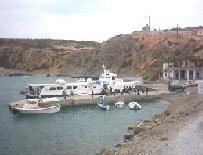


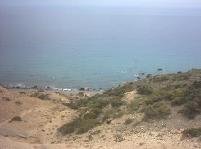
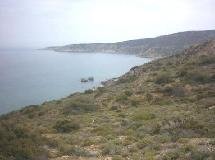
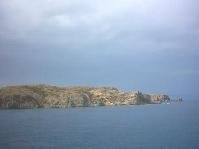

The island of Gavdos
Gavdos is the southernmost inhabited island of Europe, set in the Libyan Sea about 36 miles (roughly 45 kilometres) south of Crete. Gavdos measures 9 kilometres long and 4.5 kilometres wide, rises to 345 metres at its highest point, and counts around 45 permanent residents.
The island collects rainwater because it has no fresh-water source, and it runs on diesel generators that are usually switched off at night. Gavdos belongs to the Region of Crete, its capital is Kastri, and its landscape mixes sand dunes, cedar and pine, steep coastal rock, grazing goats and sea birds.
Gavdos has been inhabited since about 3000 BC, and Greek myth names it Ogygia, the island of the nymph Calypso in Homer's Odyssey. Its population once passed 8,000 in the early Byzantine period, when the island even had its own archbishop; the Venetians later abandoned it, pirates turned it into a stronghold where Barbarossa sheltered in 1539, and older names for the island include Cavdos, Clauda and the Venetian Gotzo.
Villages and the port


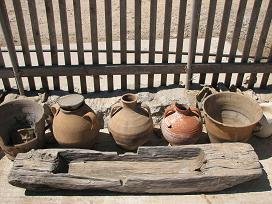
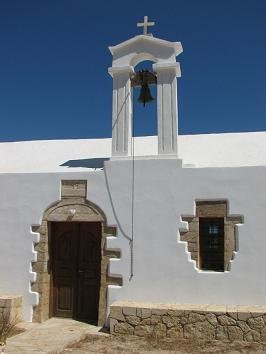



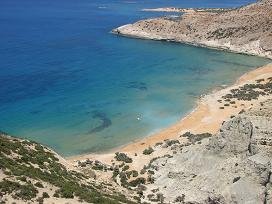
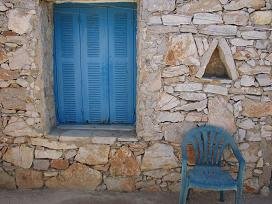
Gavdos keeps its handful of settlements around the port and across the north and south. Karave (Karabe) is the island's only harbour and the point where the ferry from Crete lands, and a taxi-tractor carries visitors and luggage up from the quay.
Kastri is the capital of Gavdos, and Kastri holds the post office, a doctor and a small medical centre. Vatsiana is the southernmost village of the island and keeps a small folklore museum, Ambelos is a tiny inland hamlet, and Faros gathers around the restored lighthouse on the east side with a view across to the islet of Gavdopoula.
Sarakiniko is the most developed settlement, with tavernas, rooms and a supermarket set behind its sandy bay. Rooms in Karave, Sarakiniko and Korfos are compared in the Gavdos hotels & villas guide.
The beaches of Gavdos
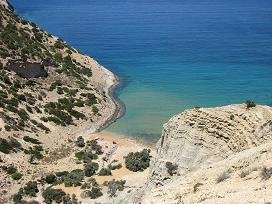
Gavdos rings itself with wild, mostly unorganised beaches on every side of the island. Sarakiniko in the north-east is the busiest, a wide sandy bay 2 kilometres north of the harbour, while Agios Ioannis in the north spreads pale sand and cedar shade below a tiny village.
Korfos, Potamos, Pyrgos, Lavraka and the southern cape of Tripiti complete the ring, and about 80% of the coast is open to naturists. Each bay, how to reach it and which offer shade or a taverna are set out in the guide to the beaches of Gavdos.
Sights of Gavdos
The main sight of Gavdos is Tripiti, the southern cape that marks the southernmost point of Europe. A giant wooden chair stands on the rock at Tripiti, and three sea-carved arches give the cape its name, from the Greek “tripa” meaning hole.
Faros keeps the island’s lighthouse and its view to Gavdopoula, Vatsiana holds a small museum, and caves open in the cliffs behind Agios Ioannis beach. These landmarks and the island’s nature and history are gathered in the Gavdos sights guide.
Where to stay
Accommodation on Gavdos is limited and simple, so booking ahead for July and August is wise. Gavdos offers apartments, studios, rooms and a few stone villas rather than large hotels, gathered mainly at Sarakiniko, Korfos, Agios Ioannis and near the port at Fokia.
Many travellers also camp freely under the cedars, and most places arrange a transfer from Karave harbour on request. The hotels, apartments and villas are compared by area in the Gavdos hotels & villas guide.
Where to eat
Gavdos serves its food in a small number of family tavernas next to the beaches. Sarakiniko cooks fresh fish and Cretan dishes at the Consolas tavern and the Vailakaki family restaurant, while Korfos Bay feeds walkers at Georgo’s and Maria’s fishing taverna.
Agios Ioannis keeps the Kapetan Theofilos taverna at the end of the road, and a supermarket at Sarakiniko covers self-catering. Where to eat by area is set out in the Gavdos restaurants guide.
Getting to Gavdos
Gavdos is reached only by ferry, because the island has no airport. Boats sail from Chora Sfakion on the south coast of Crete, 45 kilometres away, mainly at weekends, and from Paleochora on weekdays until the end of October, with extra summer sailings from Sougia.
Selino Travel and Anendyk Lines run the crossings, and the small ferry can be slow when the Libyan Sea turns rough. Travellers reach the Cretan ports by road from Chania, so a stop in south-west Crete usually comes before the boat.