Parga, Greece: A Venetian Resort Town on the Epirus Coast
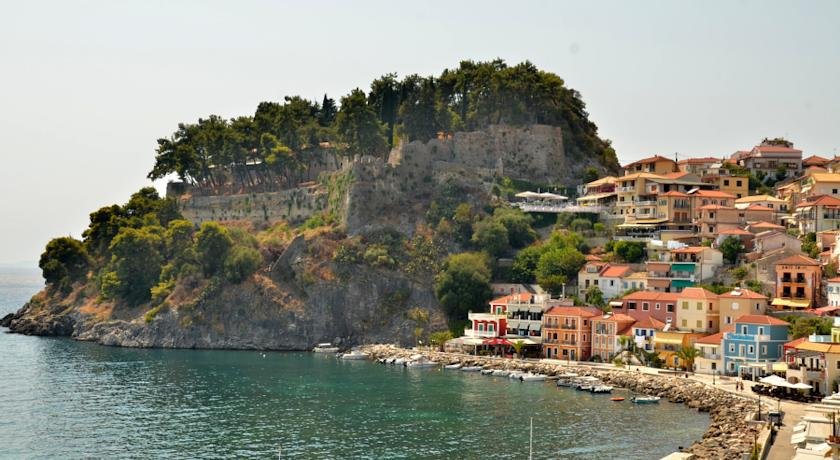
Parga is a resort town of about 2,500 people on the Ionian coast of Epirus in northwest Greece, built on a hill around a bay and facing the island of Paxos. Parga is famous for the Venetian castle above its stacked, flower-hung houses, the chapel-topped islet of Panagia in its bay, and the sandy beaches of Valtos and Lichnos a short walk or boat ride away. It is worth visiting for those sights together with day trips to the Acheron river springs, all within reach of a compact town you can cross on foot. Though it sits on the mainland, Parga keeps an island feel, with pine- and olive-covered slopes running down to the Ionian Sea.
- Region
- Epirus
- Sea
- Ionian
- Population
- ~2,500
- Nearest airport
- Preveza ~60 km
The town of Parga
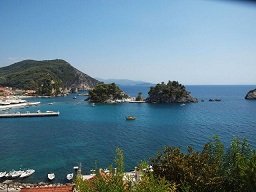
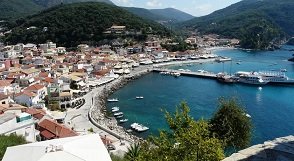
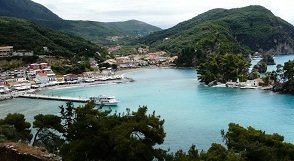

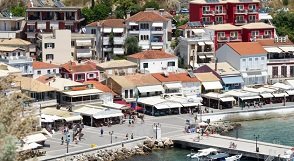
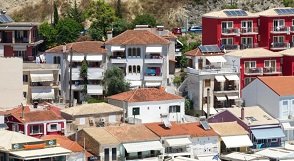

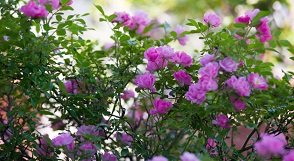

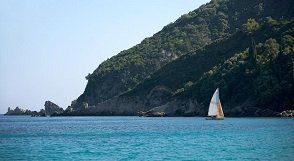

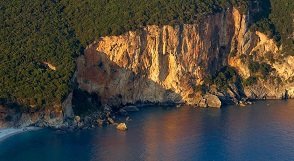


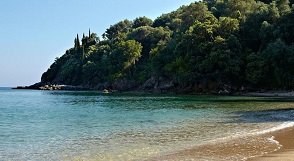
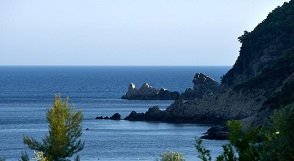
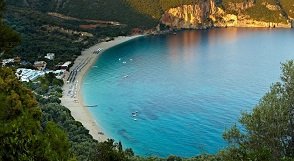
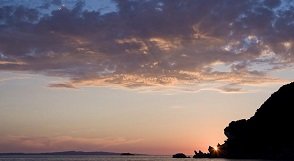

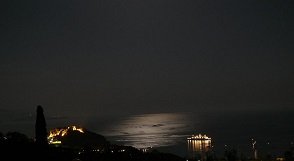
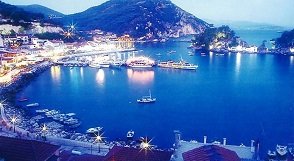
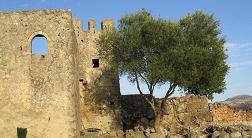
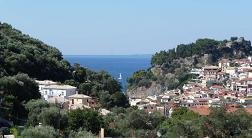
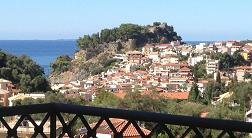
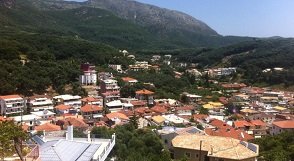
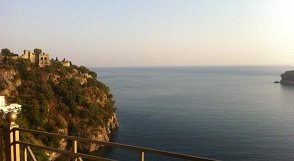
Parga is a town of about 2,500 people built on a hill around a bay on the northwest coast of the Greek mainland, in the region of Epirus on the Ionian Sea. Corfu lies to the northwest, Paxos and Antipaxos to the west, and the ferry port of Igoumenitsa to the north. The town's colourful houses climb the slope in tiers, decked with flowers, while olive and pine trees cover the hills and small tree-topped rocks stand offshore in the clear water. Parga has Venetian roots, and its narrow lanes, stairways and old houses date largely from that period; the old-town district behind the harbour is known as the Tourkopazaro. Ancient settlers occupied the area long before, on what is thought to be the site of the old town of Toryne. A castle crowns the hill above the town. Local residents first built the fortress in the 11th century to defend against pirates. The Venetians fortified it in the 13th century, Ottoman forces burned it after 1542, and the Venetians rebuilt and enlarged it in 1572 to hold 400 homes within its walls. The Turks retook it in 1819.
The beaches of Parga
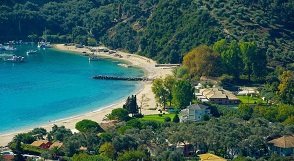
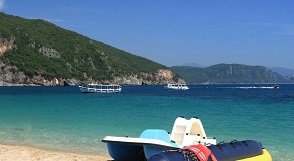
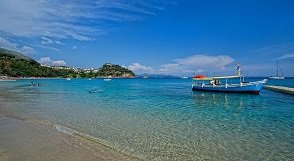
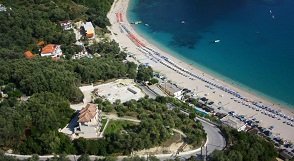


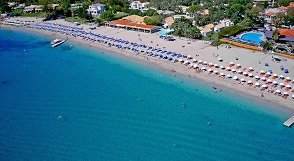



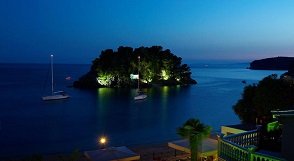

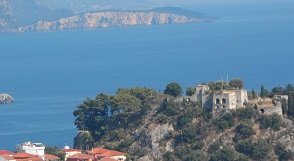
Parga's best-known beaches are Valtos and Lichnos, both organised bays with sunbeds, umbrellas and water sports. Valtos lies about 2 kilometres from the centre, a 20-minute walk or a summer taxi-boat ride away, and runs 3 kilometres of tiny white pebbles, with the Kastro Point break at its northern end drawing windsurfers. Lichnos sits about 4 kilometres southeast, a sandy beach with some pebbles and the sea cave of Aphrodite reached by boat or pedal boat. In the town itself a large sandy town beach faces the islet of Panagia and its church, and the nearby Krioneri and Piso Krioneri beaches lie 1 to 2 kilometres from the centre. Sarakiniko, a quieter mixed sand-and-shingle beach, is 8 kilometres west. The full list is set out in the Parga beaches guide.
Sights & day trips
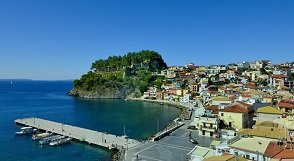
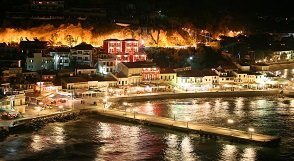

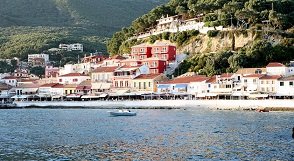
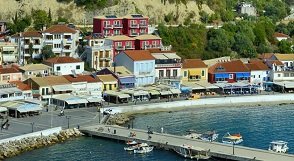
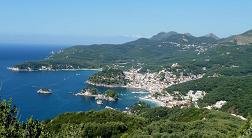
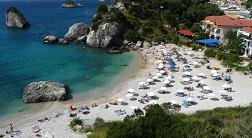
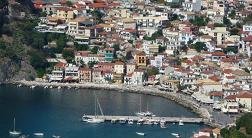


The main sight in Parga is the hilltop Venetian castle above the town, with the chapel-topped islet of Panagia in the bay below. Each summer the town holds the Pargina, a festival of music and cultural events through the old-town lanes. Day trips reach much of Epirus and the Ionian: boats cross to Paxos, Antipaxos and Corfu, and excursions run inland to the Acheron river, known in antiquity as the Styx, where you can walk, canoe or ride horses along the springs before the river meets the sea at Ammoudia south of Parga. Near the river stands the Nekromanteion of Ephyra, a 6th-century-BC oracle of the dead with labyrinthine underground tunnels that Homer places in the Odyssey. 3 kilometres north, in the village of Anthousa, the well-preserved castle of Ali Pasha looks out over the town, with views to Paxos, Antipaxos and, on clear days, Corfu. Longer excursions reach Ioannina, the lakeside capital of Epirus, the Vikos Gorge and the Meteora monasteries, the first of which was built in 1336 atop a 623-metre rock pillar.
Where to stay & eat in Parga
Accommodation in Parga ranges from hotels in the town itself to studios and apartments beside the beaches, with a smaller choice of villas. Staying in town keeps you by the harbour, the tavernas and the nightlife, while rooms near Valtos, Lichnos or Krioneri put you by the sand in a quieter setting. In the old town the Acrothea Hotel sits close to the harbour, while the Lichnos Beach hotel and the Salvator Villas and Spa Hotel give a quieter base above the beaches. Compare the full range of hotels, apartments and studios in the Parga hotels guide. In the evening, harbourfront tavernas serve fresh seafood and Greek classics, with a scatter of family-run places in the old-town lanes above.
Getting to Parga
Parga is reached by air through Preveza (Aktion) airport, which lies just over 60 kilometres south of the town and takes European charter flights in summer. From Athens a domestic flight to Preveza takes about 45 minutes, and Ioannina airport to the northeast is a second gateway. Igoumenitsa, north of Parga, is the ferry port for crossings from Italy and links to Corfu. From the airport most visitors reach Parga by car, taxi or bus.
Frequently asked questions
Why is Parga famous?
Parga is famous as a Venetian-era resort town on the Ionian coast of Epirus, known for the hilltop Venetian castle above its tiered, flower-hung houses, the chapel-topped islet of Panagia in its bay, and the nearby beaches of Valtos and Lichnos.
Is Parga worth visiting?
Yes. Parga combines the hilltop castle, the offshore Panagia islet and two of Epirus's best-known beaches within walking or boating distance of the centre, and it works as a base for day trips to the Acheron river springs, the Nekromanteion of Ephyra and the island of Paxos.
Is Parga Greek or Albanian?
Parga is a Greek town, in the region of Epirus in northwest Greece. It sits near the Greek-Albanian border and passed through Venetian, French, British and Ottoman hands over the centuries before joining the modern Greek state, but it is Greek today.
What airport do you fly to for Parga?
The nearest airport is Preveza (Aktion), about 60 kilometres and roughly an hour's drive south of Parga, which takes European charter flights in summer. Ioannina airport to the northeast is a second gateway, and some visitors fly to Corfu and continue by ferry to Igoumenitsa.