Chania Beaches: The Best of West Crete
The Chania region holds the finest beaches in western Crete, from the turquoise lagoons of Balos and Elafonisi to the sheltered coves of the Akrotiri peninsula and the green Apokoronas coast. This guide runs from the famous north-west lagoons to the Akrotiri beaches near Chania town, the Apokoronas resorts to the east, and the wild south coast around Sougia, Paleochora and Sfakia. Hire a car to explore Crete at your own pace, covered in our Crete car hire guide.

- Region
- West Crete
- Famous lagoons
- Balos & Elafonisi
- Akrotiri coves
- Stavros, Marathi
- South coast
- Sougia, Sfakia
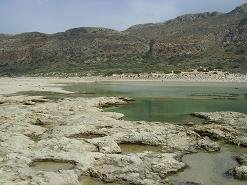
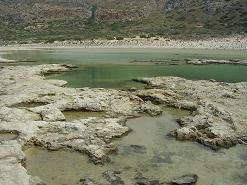


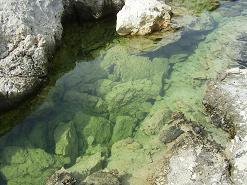
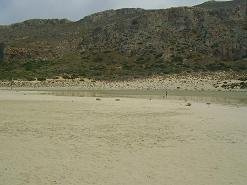
Balos
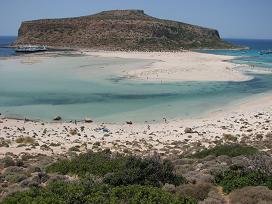
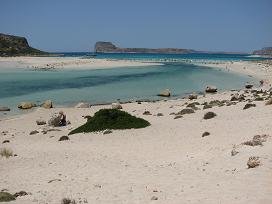

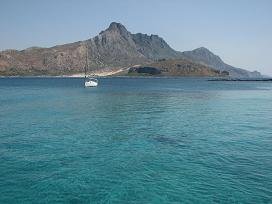
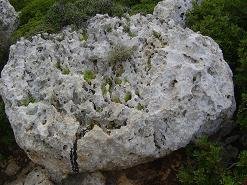
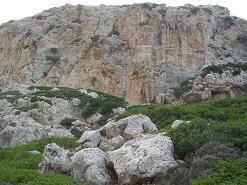
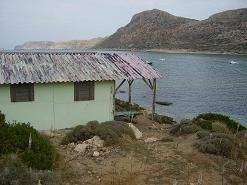
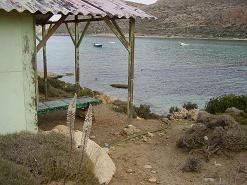
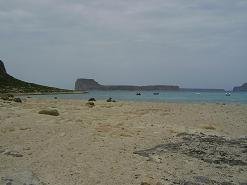
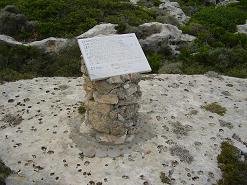
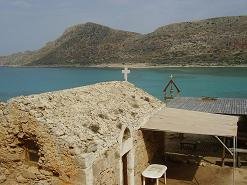
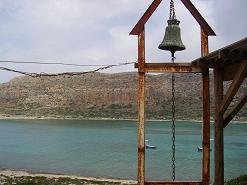
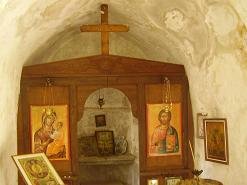
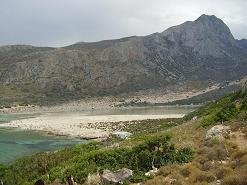
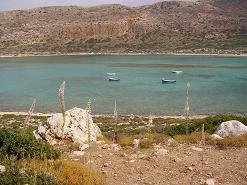
Balos is a turquoise lagoon at the north-west tip of Crete, on the Gramvousa peninsula. You reach it in two ways. The easy way is by boat from Kissamos on the Gramvousa day cruise. The other way is a rough road, then a walk of about an hour and a half each way. Most people swim on the left side of the bay, where the sea is deeper. The right side stays very shallow and clear. White sand tints the water pale. Amenities are few, so bring plenty of water. A small old church stands on the path behind the beach.
Elafonisi
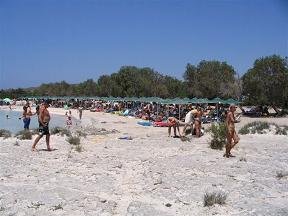

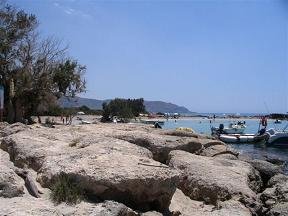
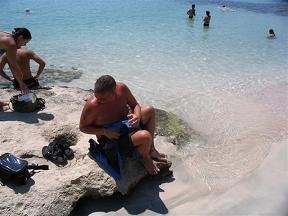
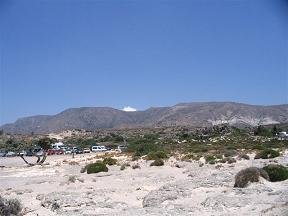
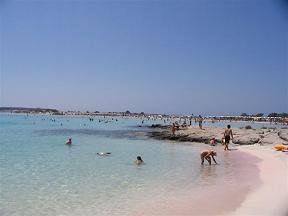
Elafonisi is a shallow lagoon and islet at the south-west corner of Crete, famous for its pink-tinged sand. The islet of Elafonisi lies opposite the mainland beach, and you wade across the shallow water to reach it. It is one of the best-known beaches in western Crete. Go early in the morning to find it quiet. A few small tavernas open around 15 June and set out sunbeds. Kedrodasos, a quieter cedar-backed beach, lies a short walk east of Elafonisi.
Falassarna


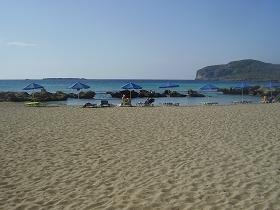


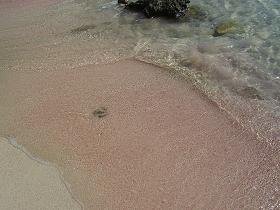


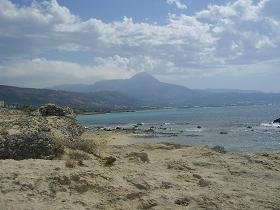


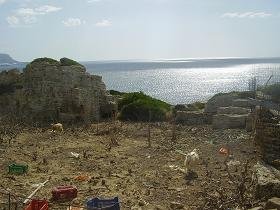


Falassarna is a long sandy beach on the west coast of Crete, about 16 km from Kissamos. The bay of Livardi holds roughly 3 km of fine sand. The water is clear and the sand is sometimes tinged red or pink, giving the beach a tropical look. A signed “Big Beach” exit reaches the widest stretch, and naturists use the rocky far end. Ancient Falassarna, the Hellenistic port of Polyrrinia, lies about 2 km north. The old harbour now sits 6 to 9 m above the sea, because western Crete is slowly rising.
Gramvousa
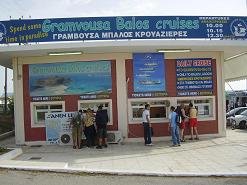
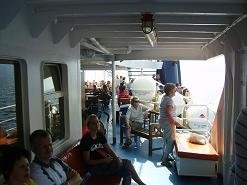
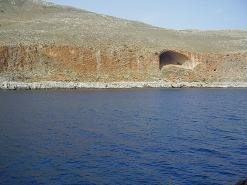
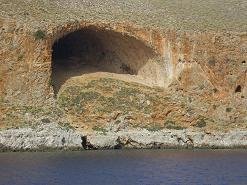
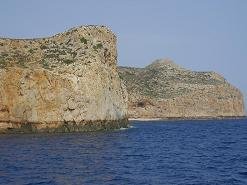
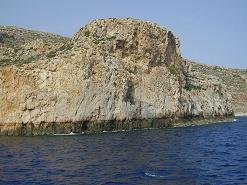
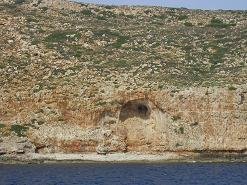
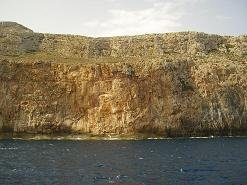
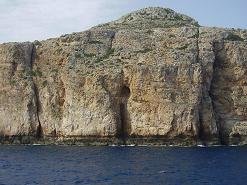
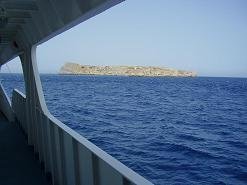
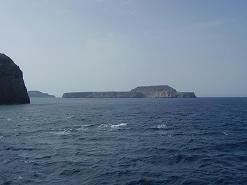
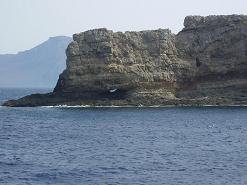
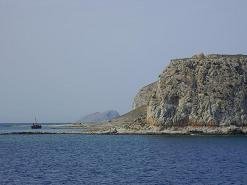
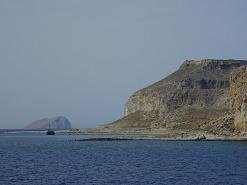
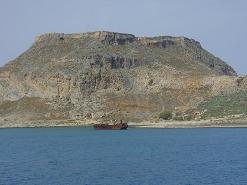
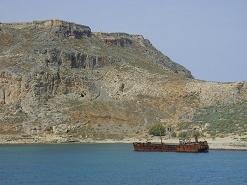
Gramvousa is a small islet off north-west Crete, crowned by a Venetian fortress. The Gramvousa and Balos cruise sails from Kastelli Kissamos in about an hour. The castle stands 137 m above the sea on Imeri Gramvousa and dates from 1579 to 1584. It is almost triangular, and each side is about 1,000 m long. 3,000 revolutionaries once sheltered on the island and, short of food, turned to piracy. For the full story of the fortress and the lagoon opposite, read the Gramvousa and Balos guide.
Seitan Limania
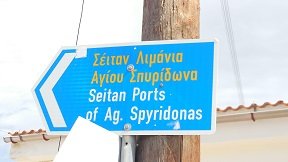
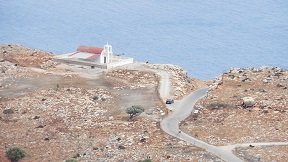
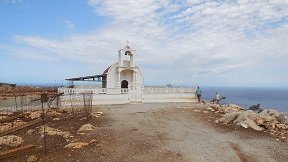

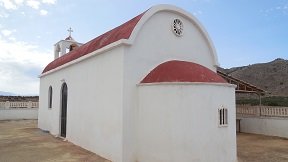
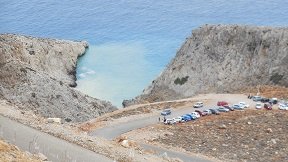
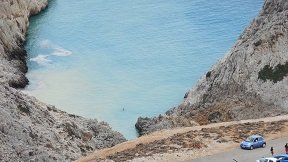
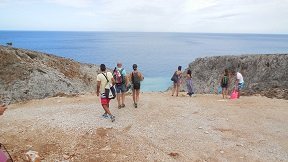

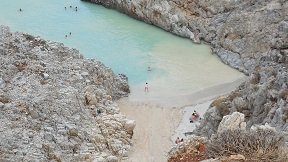
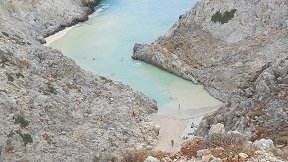
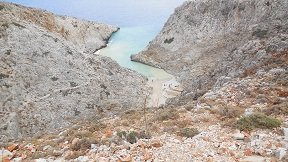
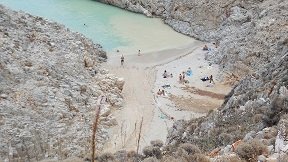
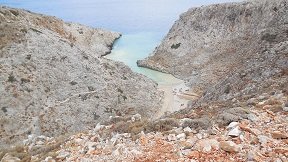
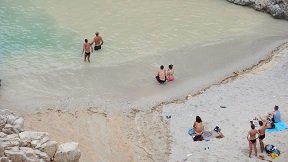
Seitan Limania is a narrow, fjord-like cove on the east side of the Akrotiri peninsula, about 20 km from Chania. It is also known as Devil’s Beach. A steep path drops from the car park to the pebble cove in about 15 minutes. The cove is not organised and has no taverna, so bring your own water. Good shoes and a head for heights help on the descent.
Stavros
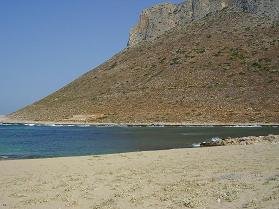
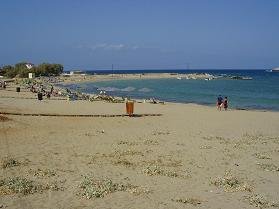
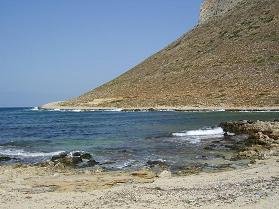

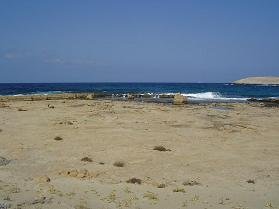

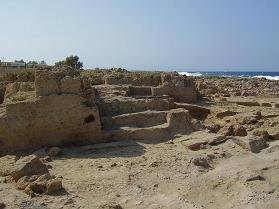
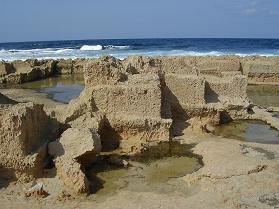
Stavros is a sheltered sandy bay on the north of the Akrotiri peninsula, east of Chania. The round bay sits below a bare mountain, where scenes of the film Zorba the Greek were shot. A quieter second beach lies next to the main one. An old Minoan cave is set in the rocks nearby. The village has several tavernas plus studios and apartments to rent.
Marathi
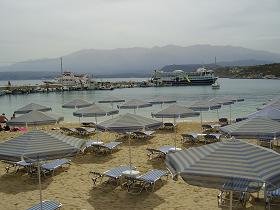
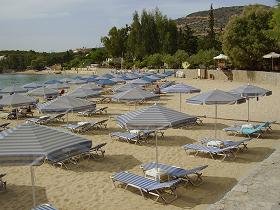
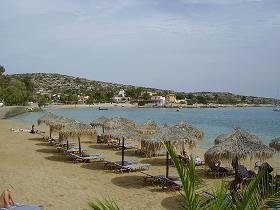


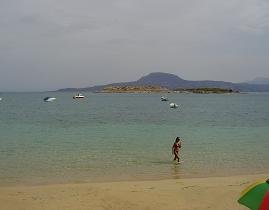
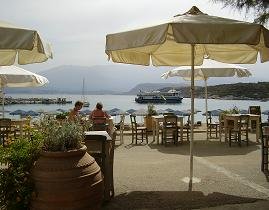
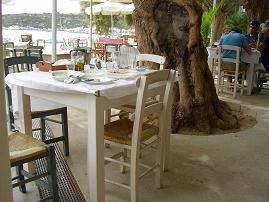
Marathi is a shallow, family-friendly sandy beach on the south-east of the Akrotiri peninsula, about 18 km from Chania. A small pier splits it into two beaches. The bay is protected, so the water stays calm with hardly any waves. Fish tavernas draw people from Chania, and the airport is 7 km away. The Roman remains of Minoa, probably the harbour of ancient Aptera, lie just north.
Kalathas
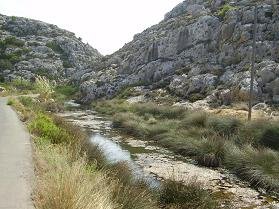
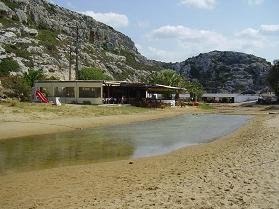
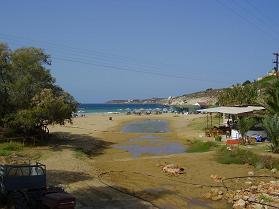
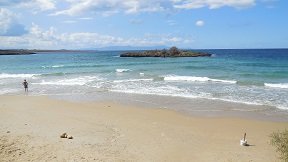
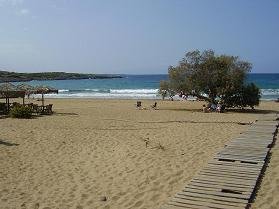
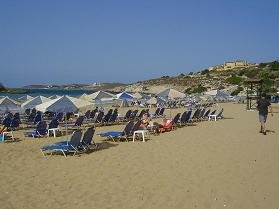
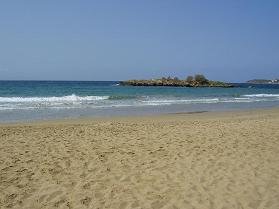
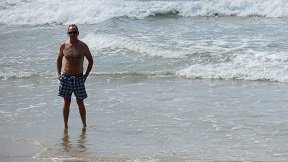
Kalathas is a wide sandy beach on the west of the Akrotiri peninsula, 12 km from Chania. It runs about 150 m, stays shallow, and is shaped like a triangle, with a small island offshore. The main beach is organised with umbrellas and sunbeds, and quieter coves flank it on both sides. Two tavernas and two supermarkets sit by the beach.
Agia Marina
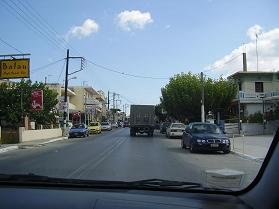
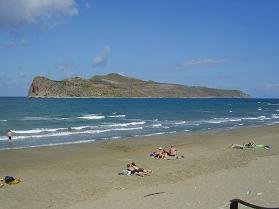
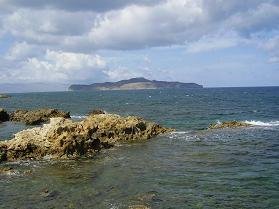
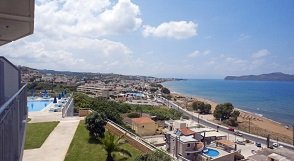
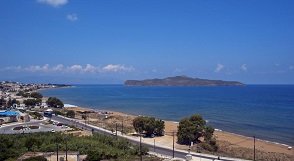

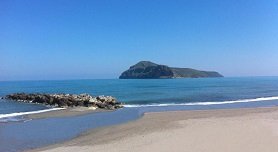
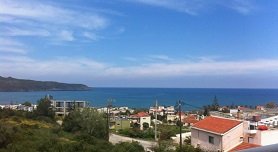
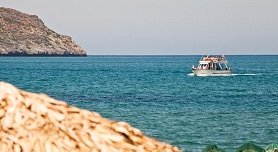
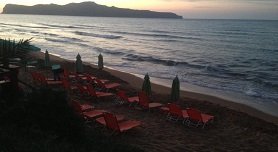
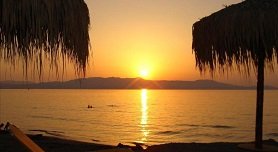
Agia Marina is a long resort beach 9 km west of Chania. The sandy beach runs about 2.5 km and looks out at the islet of Agii Theodori, 400 m offshore. On that islet stand the remains of a Venetian fortress built in 1574. Large hotels with pools line the front, while the older village, Pano Agia Marina, sits 500 m uphill.
Kolymbari
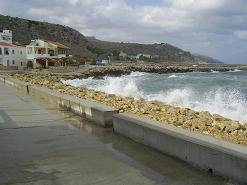
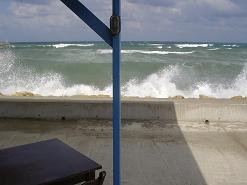
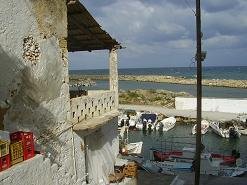
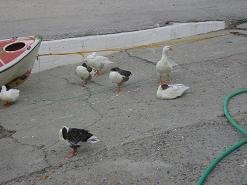

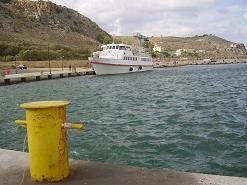
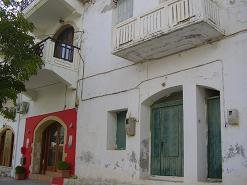
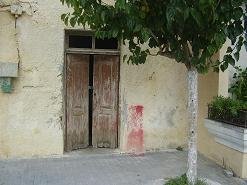
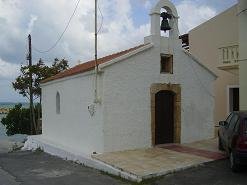
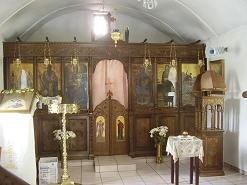
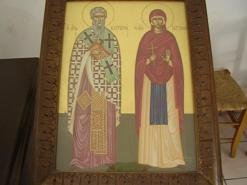
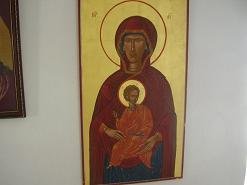
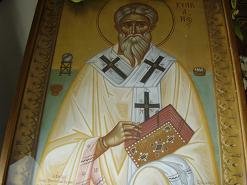
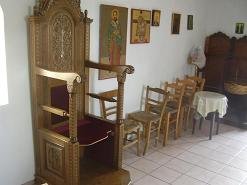
Kolymbari is a fishing village with a long pebble beach at the foot of the Rodopos peninsula in north-west Crete. The Tavroniti beach runs along its east side. Good fish restaurants draw people from Chania, and mass tourism has stayed away. On a hill just outside stands the 17th-century Gonia Monastery, built between 1618 and 1634.
Almyrida
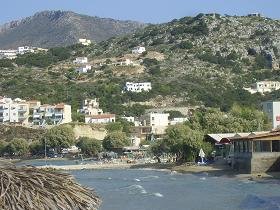
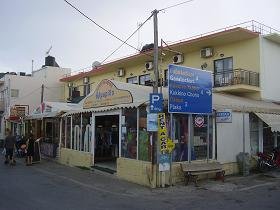

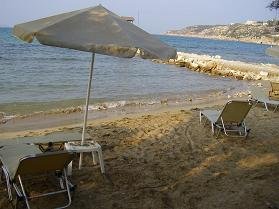
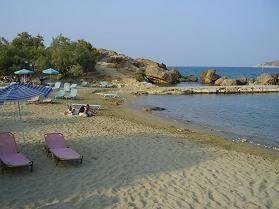
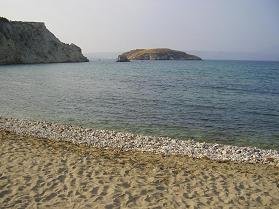
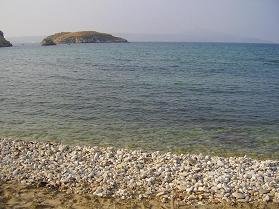
Almyrida is a small Apokoronas resort with shallow blue-flag beaches in the bay of Souda, about 25 km east of Chania. It has two blue-flag beaches: a smaller one to the west and a long curving one to the east that is safe for young children. Both are flat and sandy and slope gently into clear water. A windsurfing school sits on the west beach. In the village stand the remains of a 5th-century early-Christian basilica with mosaics.
Georgioupoli
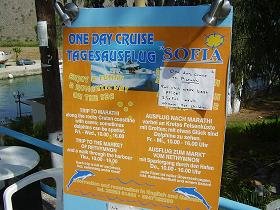
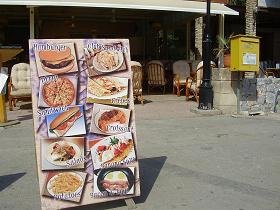
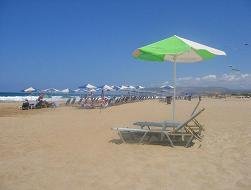
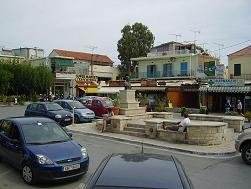
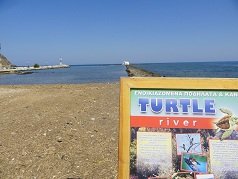
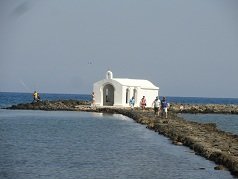
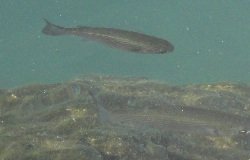
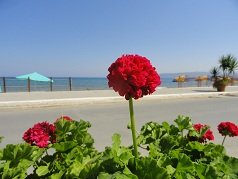
Georgioupoli is a coastal village on a 10 km sandy beach on the north coast, about 35 km from Chania. It stands on the delta of the Almyros river, which flows down from Lake Kournas. The little Agios Nikolaos church sits on a pier out in the sea, and you can walk to it. Eucalyptus and plane trees line the approach. The long beach stays relatively quiet and relaxed.
Kalives

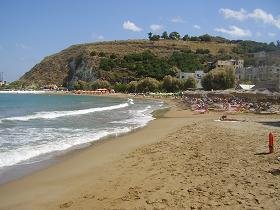
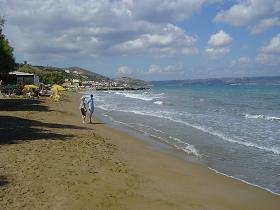
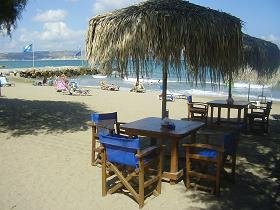
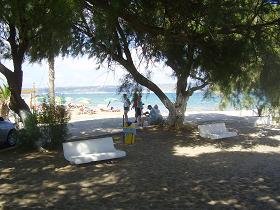
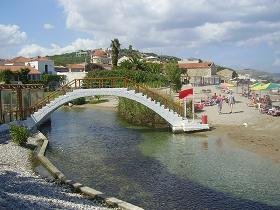
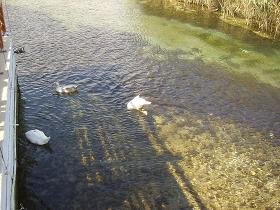
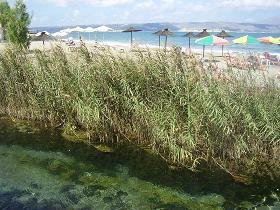
Kalives is a seaside village with good sandy beaches about 20 km east of Chania. The eastern beach lies in the village itself and is the busiest. The western beach is quieter, about 1 km away. A river runs through the village under several bridges. Between Kalives and Almyrida lie the quiet, facility-free sand-and-pebble beaches of Kera.
Sougia


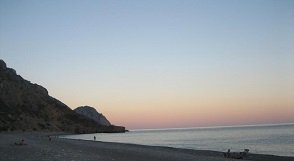
Sougia is a relaxed south-coast village with a long beach, 70 km from Chania. The drive crosses green mountains in about 2 hours. Boats from Chora Sfakion call here on the way to Paleochora. Part of the beach is used by naturists. The village keeps an easy, authentic feel.
Paleochora
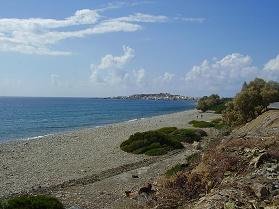
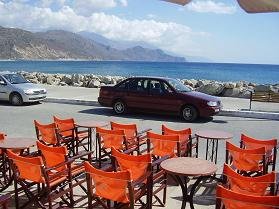
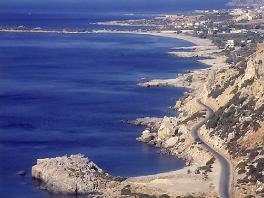
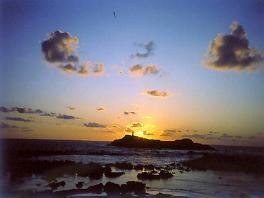
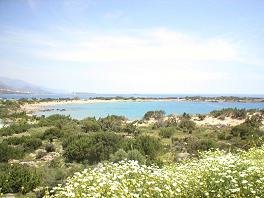
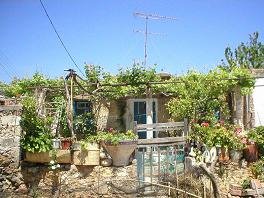
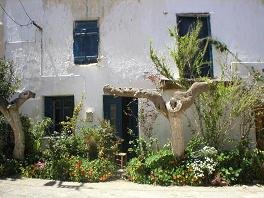
Paleochora sits on a small peninsula in south-west Crete, 77 km from Chania, with beaches on both sides. One side has a sandy beach, the other a long pebble beach used by naturists. About 1,500 people live here. Houses stay under two storeys, and part of the village closes to traffic each evening. A ruined Venetian castle of 1278 crowns the headland. Boats leave the harbour for Gavdos and Elafonisi.
Sweet Water Beach
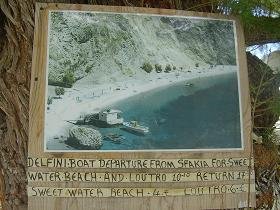
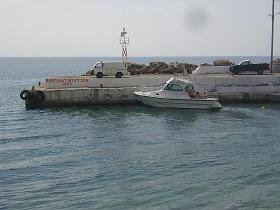
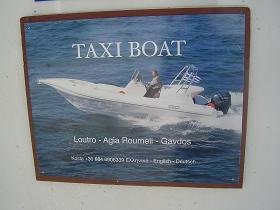
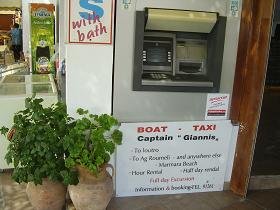
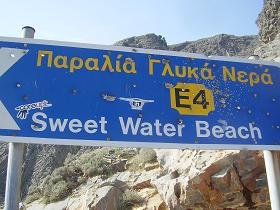
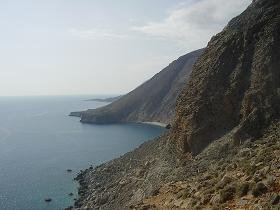
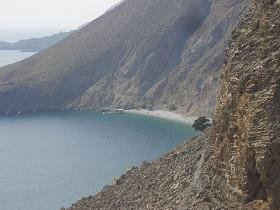
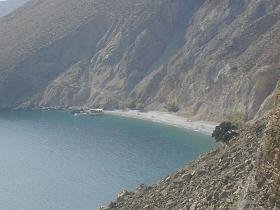
Sweet Water Beach is a remote pebble cove between Chora Sfakion and Loutro on the south coast. Its Greek name is Glyka Nera. Fresh water seeps from the rocks, which gives the beach its name. Taxi boats run from both villages, or you walk the coast path from Loutro in about 45 minutes. High cliffs shelter the cove. A small kantina opens in high season.
Afrata
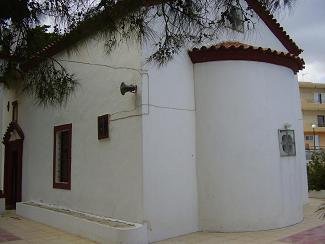
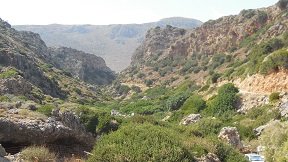
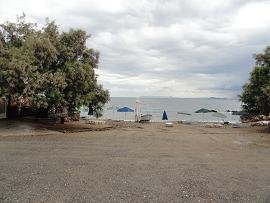
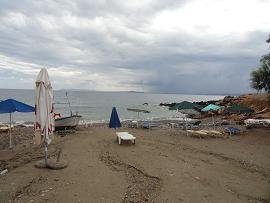
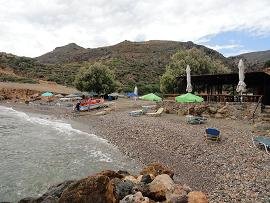
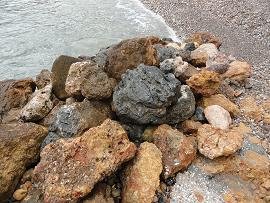
Afrata is a small pebble beach at a gorge mouth on the Rodopos peninsula, 28 km west of Chania. The beach lies 1.5 km below the village of Afrata, which sits at 160 m. A taverna serves the beach and sunbeds are for rent. The quiet Rodopos peninsula stays largely undiscovered.
Menies & Diktynna



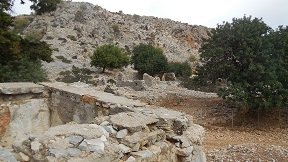
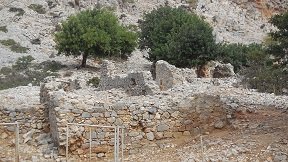

Menies is a remote beach at the north tip of the Rodopos peninsula, beside the ancient Diktynna sanctuary. The sanctuary honoured the goddess Diktynna, and its first form dates from 700 BC. A Roman temple once ringed the site. The easiest approach is by boat from Kolymbari. Statues found here are on show in the Chania Archaeological Museum.