Folegandros, Greece: The Chora, Villages, Beaches and Sights
Folegandros is a remote island in the Cyclades, in the Aegean Sea northwest of Santorini. Folegandros measures 32 km2 and holds about 650 inhabitants, which keeps it quiet and traditional even in summer. Its cliff-top Chora ranks among the most beautiful towns in the Cyclades, ferries dock at the small port of Karavostasis, and the farming village of Ano Meria stretches along the road to the north. The island suits travellers who want white Cycladic streets, clifftop views and calm, since it has few accommodations and fills up fast in July and August. Hire a car to reach the parts of Folegandros the buses miss, covered in our Folegandros car hire guide.

- Group
- Cyclades
- Area
- 32 km2
- Capital
- Chora
- Port
- Karavostasis
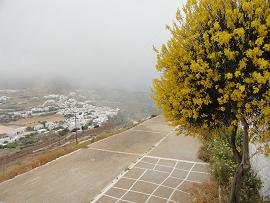
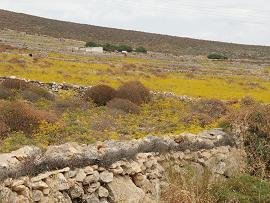


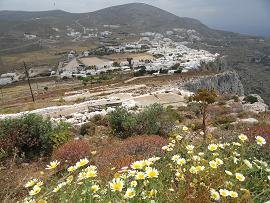
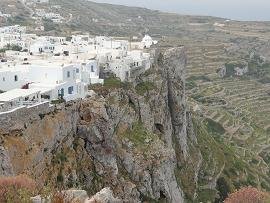
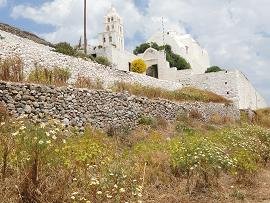


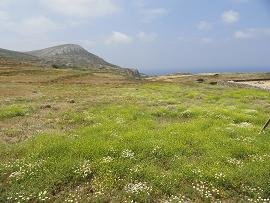
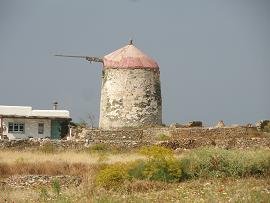
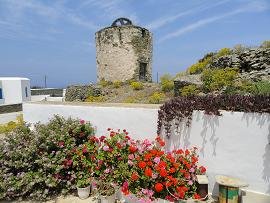
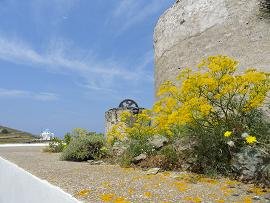

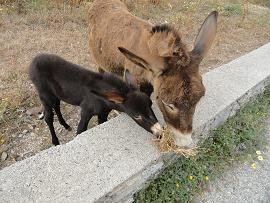


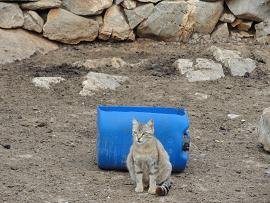
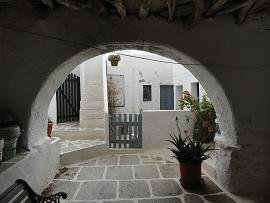
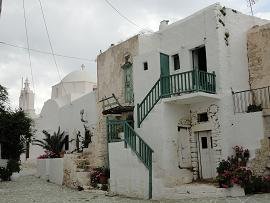

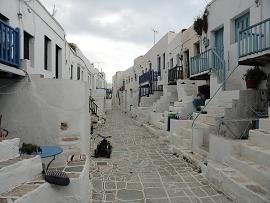
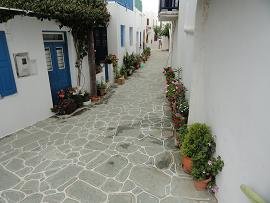
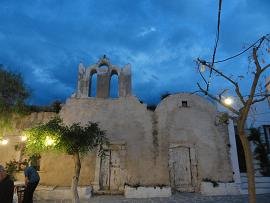
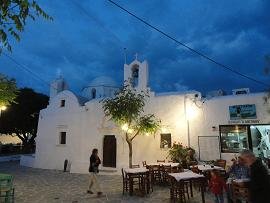
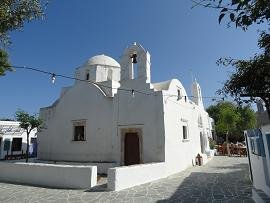
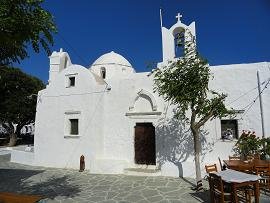
The island of Folegandros
Folegandros measures 32 km2 and holds about 650 inhabitants, which makes it one of the smaller and more remote islands of the Cyclades. The island lies northwest of Santorini and keeps a barren, rocky look, with steep cliffs falling to the sea. Because it sits away from the busy island routes, Folegandros stays relatively quiet and has held on to most of its traditional character. It is seen as a romantic, up-market island, so accommodations are limited and fill up quickly in July and August. Life on the island gathers in three settlements: the port of Karavostasis, the cliff-top capital of Chora, and the farming village of Ano Meria to the north.
Getting to Folegandros
Folegandros is reached by ferry from Piraeus, the main port of Athens, and from the neighbouring Cycladic islands. A Sea Jets fast catamaran carries passengers from Piraeus in the morning and reaches Folegandros in about 4 hours after a stop at Milos. Aegean Speedlines runs a car ferry on the same route through Milos, and Zante Ferries connects the island with several others in the group. Daily ferries also link Folegandros with Santorini, a crossing of about 50 minutes, and with Milos, a little over an hour. The nearest airport sits on Milos and takes domestic flights only, so most visitors fly to Athens and continue by ferry. Ferry schedules change from year to year, so check the current itinerary before you book.
Villages of Folegandros
Folegandros keeps its life in three villages: the cliff-top capital of Chora, the port of Karavostasis where the ferries dock, and the farming village of Ano Meria along the road to the north. A regular bus links the port with the Chora, and in summer it continues to Ano Meria.
Chora (Folegandros Town)
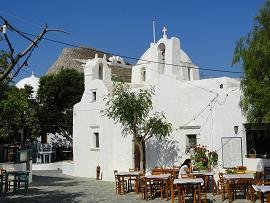
Chora, also called Folegandros Town, is the island's only large settlement, 3 km from the port on top of a 200-metre cliff. The Chora is a typical Cycladic town of white cubic houses and small churches set around a series of squares, with trees for shade and pots of flowers along the lanes. Travellers often compare it with Mykonos Town for its narrow streets, white houses and pretty churches, but without the crowds of Mykonos. The town holds bars, restaurants, shops, a post office, a petrol station, an ATM, a pharmacy, a bakery and small grocery stores, though there is no bank. Its medieval Kastro and the Panagia church above it are covered in the Folegandros sights guide.
Karavostasis
Karavostasis is the port of Folegandros, a mostly modern village built for the ferry trade on the east coast. Colourful wooden kaiks lie in the bay and fishermen mend their nets on the quay, while accommodations, tavernas and a few shops ring the pebble beaches. The sandy Vardia beach beside the village looks out over rocks, islets and neighbouring islands, and the coves nearby suit small children. A regular bus runs to the Chora, and a shuttle bus meets the ferry and carries campers to Livadi. These village beaches are described in the Folegandros beaches guide.
Ano Meria
Ano Meria is a traditional farming village strung along the road north of the Chora, sometimes reached by bus. The village itself holds nothing spectacular, but the road to it passes windmills and opens wide views over the sea towards the islands of Serifos and Crete. Ano Meria keeps the only museum on the island, a Folk Museum that shows how island families once farmed and lived. Paths from the village drop to quiet northern beaches such as Agios Georgios, Ampeli and Livadaki, so Ano Meria makes a good start for a walk.
Beaches of Folegandros
Folegandros keeps its best-known beach at Agali, a good sandy bay under an hour's walk from the Chora with tavernas that also rent rooms. Quieter sandy coves ring the island, from the village beaches at Karavostasis and Vardia to Agios Nikolaos, Katergo, Livadi and the northern beaches of Agios Georgios, Ampeli and Livadaki. Several coves double as naturist beaches, and many sit at the end of a footpath or a dirt track, so a walk, an ATV or a car helps. The full run is set out in the Folegandros beaches guide.
Sights of Folegandros
The main sight of Folegandros is the Kastro, the best-preserved medieval castle quarter of the Cyclades, built into the Chora as a fortress against pirates. Above the town stands the white 19th-century Panagia church, raised on the foundations of an ancient temple of Artemis and dedicated to the Virgin Mary. The Chora itself is a sight, and the Folk Museum at Ano Meria records the island's farming past. These landmarks are gathered in the Folegandros sights guide.
Where to stay
Accommodation on Folegandros concentrates in the Chora and around the port of Karavostasis. The Chora puts you among the shops, tavernas and squares of the old town, while Karavostasis keeps you by the beach and the ferry. Rooms are limited and up-market, so book early for July and August. Compare the options in the Folegandros hotels & villas guide, which covers the island's hotels and its self-catering studios and apartments.
Where to eat
Folegandros serves its food in the tavernas of the Chora, the harbour of Karavostasis and the village of Ano Meria. The Chora holds most of the tables, from all-day breakfast gardens to family tavernas on the squares, while Ano Meria is the place for matsata, the island's home-made pasta. The dining spots Hans tried, with his verdicts, are set out in the Folegandros restaurants guide.
Getting around
Folegandros is a fine island for walking, with footpaths over the mountains linking the Chora, Ano Meria and the beaches. A car or a scooter still helps on hot days or when the best beaches lie far apart. Scooterland in the Chora rents bikes and quads, and Tomaso Car Rental in the Chora hires out cars. A regular bus also links the port, the Chora and, in summer, Ano Meria, so you can reach the main villages without your own transport.