Gramvousa and Balos Beach, Crete: The Lagoon and the Pirate Fortress
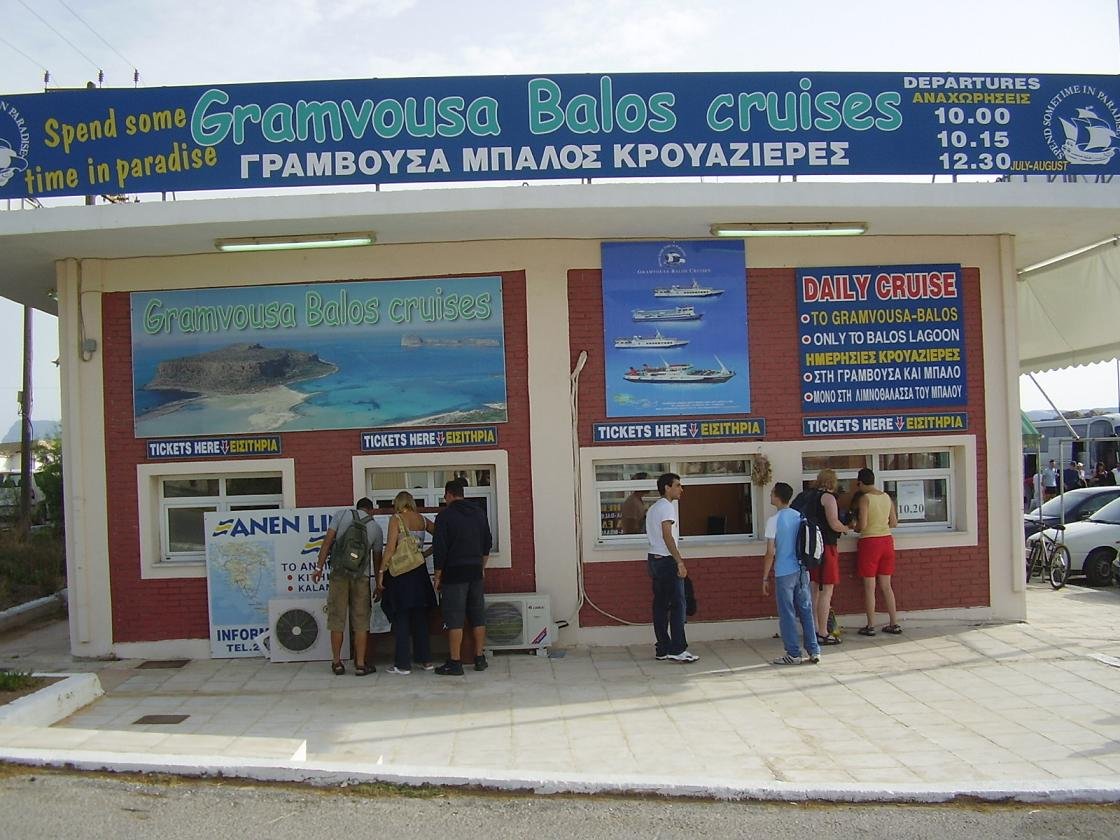
Gramvousa is a small islet off the north-west tip of Crete, crowned by a Venetian fortress and famous for the turquoise Balos lagoon opposite, reached by boat in about an hour from Kissamos. The day trip from Kissamos to Gramvousa and Balos is one of the most popular excursions in western Crete, combining a clifftop pirate fortress with one of the island's most beautiful beaches.
- Off
- NW Crete
- Fortress
- 1579–1584
- Boat from Kissamos
- ~1 h
- Balos lagoon
- Opposite
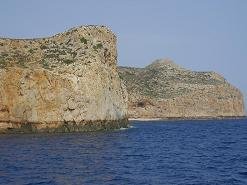
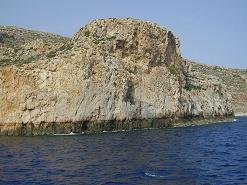
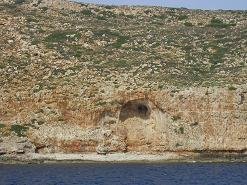
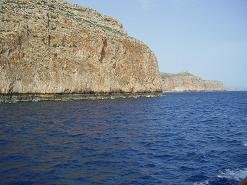
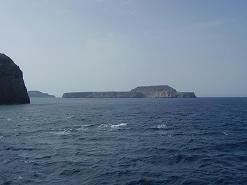
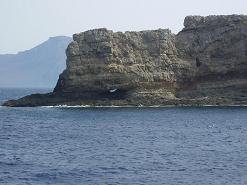
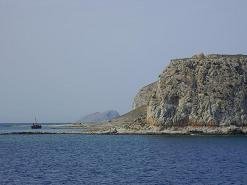
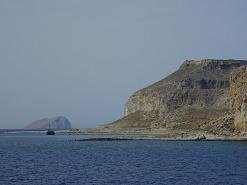
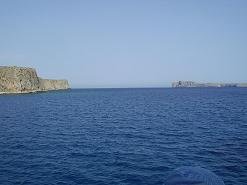
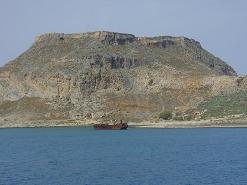
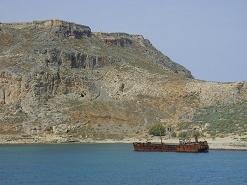
Gramvousa island
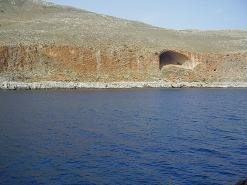
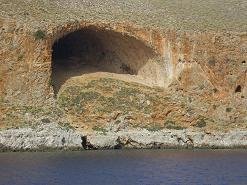
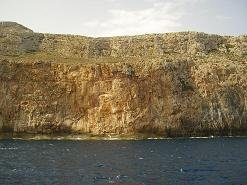
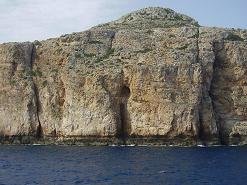
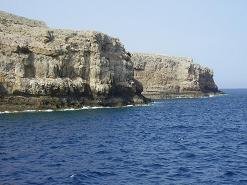
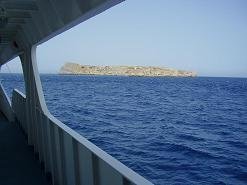
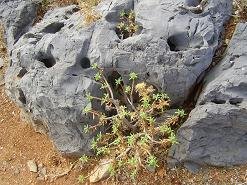
Gramvousa is one of the small satellite islands off the north-west side of Crete, reached by boat in about an hour from the town of Kastelli Kissamos. The ferry sails close to the coastline, giving a good view of the landscape and of the land elevation that has raised the west of Crete six to nine metres out of the sea over the last 2,000 years, while the east has been sinking - visible in the colour of the rocks. Along the way you pass a small church, sea caves such as the cave of Tersanas, and the rough road that runs out to the tip of the peninsula and Balos.
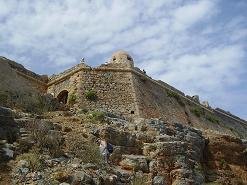
The castle of Gramvousa
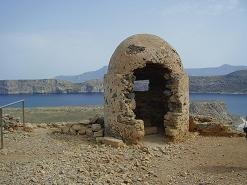
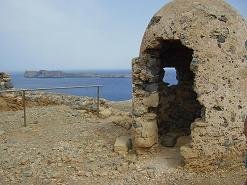
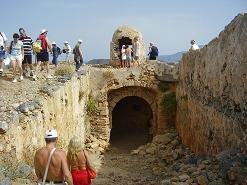
The Venetians built the castle of Gramvousa between 1579 and 1584; it was almost triangular, each side about 1,000 metres long, and was wrecked in 1588 when lightning struck the powder store, then rebuilt in 1630. Gramvousa is bound up with the struggle to free Crete from the Ottomans: 3,000 revolutionaries sheltered here for three years and, short of food, turned to piracy. It was one of the last places the Turks took (in 1692) and the first part of Crete to be freed (in 1825, when Cretans disguised as Turks entered the fortress). An English-French garrison took the island in 1828. Today Gramvousa is also an important bird sanctuary with rare plants.
Wild and Imeri Gramvousa
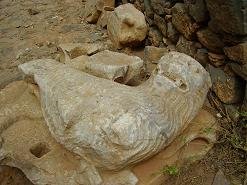
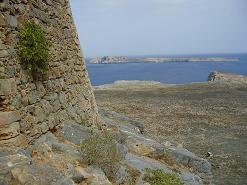
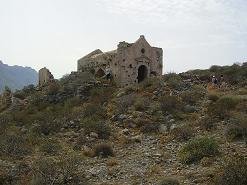
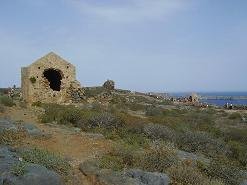
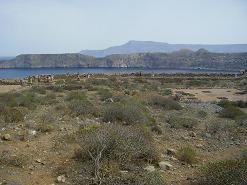
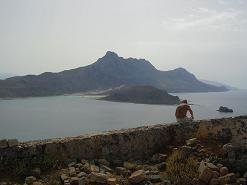
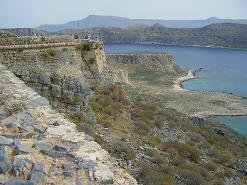
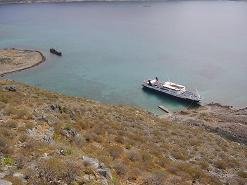
There are two Gramvousa islands. Agia Gramvousa, or Wild Gramvousa, to the north of the peninsula, is a rocky, steep and inhospitable place that rises sharply from the sea - which is how it got its name. Imeri Gramvousa is gentler, with a nice beach and a harbour, and the beaches of Balos lie in the bay opposite it. Both islands are uninhabited, and the Gramvousa peninsula itself has no settlements, so it can only be visited on a day trip; stories of treasure buried in its caves add to the romance.
How to get to Gramvousa
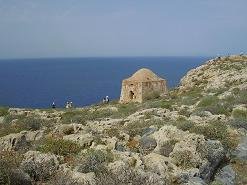
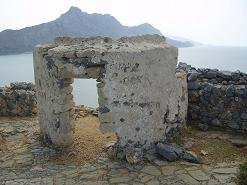
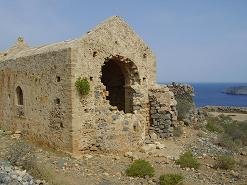

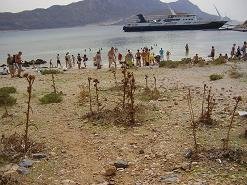
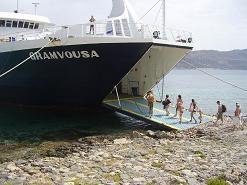
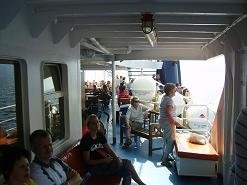
Boats to Gramvousa leave from the harbour of Kissamos, west of the town, run by Gramvousa Balos Cruises; a typical trip leaves around 10:00 and returns near 18:00. The boat is comfortable, with shaded and sunny deck seating, sun beds and indoor tables, and serves a proper lunch of Greek salads, souvlaki, chicken and more alongside the usual snacks and drinks. Tickets to Gramvousa and Balos cost around 22 euros (2008); it is a popular trip, so booking ahead is wise.
Balos Beach
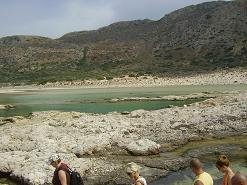
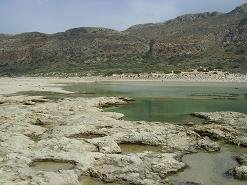
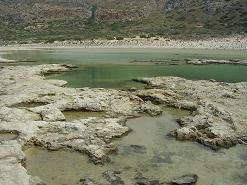


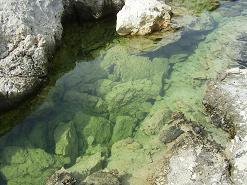
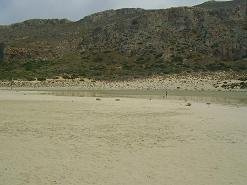
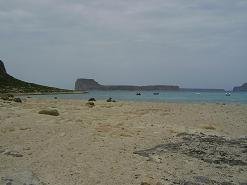
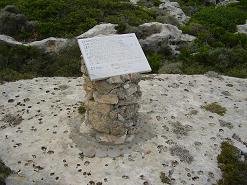
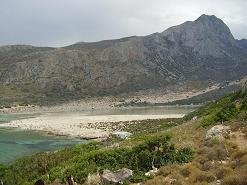
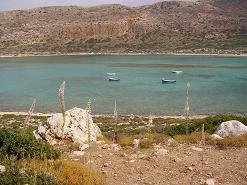
Balos Beach sits at the far north-west of Crete on the Gramvousa peninsula. You can reach it by car over a rough road - the last stretch is not suitable for cars, so you walk about an hour and a half each way - or, far more easily, by boat from Kissamos. Despite claims that Balos is a hidden secret, the day trip is popular and the beach can fill up in the afternoon in high season. Most people swim on the left side of the bay, where the sea is deeper; the right side is very shallow and clear.
The church at Balos
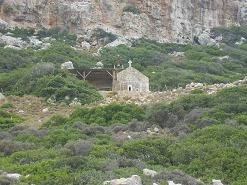
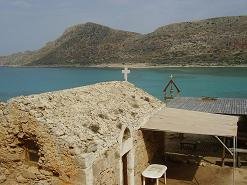
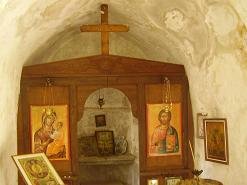
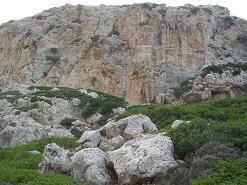
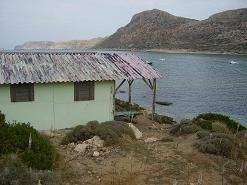
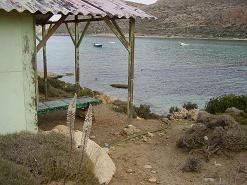
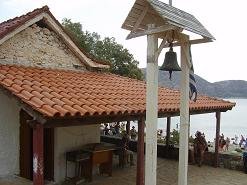
Near Balos beach stands a small, pretty 19th-century church that is worth a look; when it is open you can light a candle inside. To find it, follow the path that leads up from behind the house on the left side of the beach with the deeper water, which also seems to be a taverna in high season. Above the rocks and mountains around Balos you can often spot birds of prey.