Limnos (Lemnos), Greece: Myrina, the Villages, Beaches & Sights
Limnos, also spelled Lemnos, is a volcanic and fertile island in the north-eastern Aegean Sea, 477 km2 in size with about 16,000 inhabitants and almost 260 km of coastline. The east of the island is flat, green and fertile, with cornfields and grazing cattle, while the west is rockier, volcanic and hilly and holds most of the best beaches. Limnos is a centre of Greek wine making, and its irregular ferry links have kept it clear of mass tourism, so it suits travellers who want a quiet island. Hire a car to reach the parts of Limnos the buses miss, covered in our Limnos car hire guide.

- Group
- North Aegean
- Area
- 477 km2
- Capital
- Myrina (Kastro)
- Second town
- Moudros

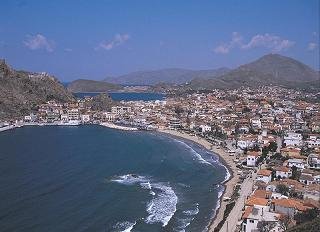
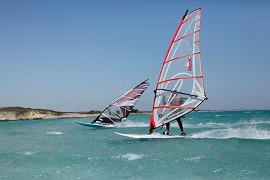
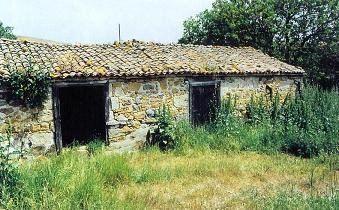
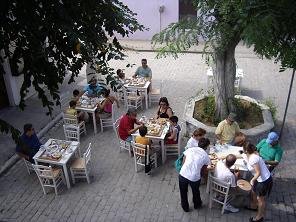
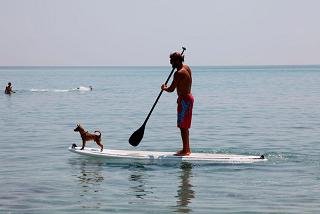
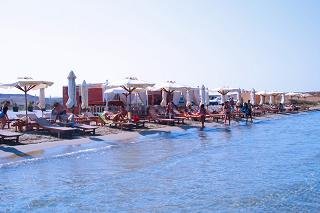
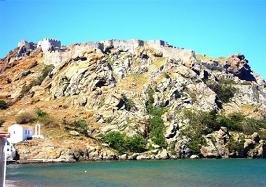
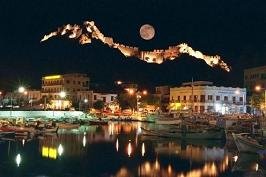


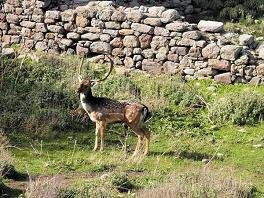
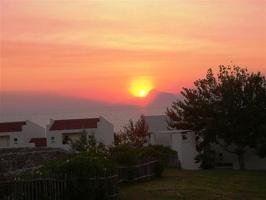
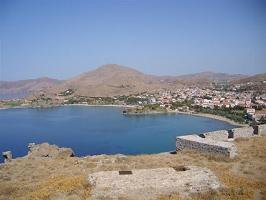
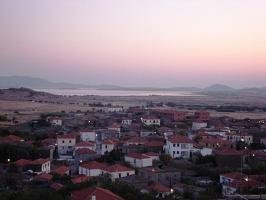

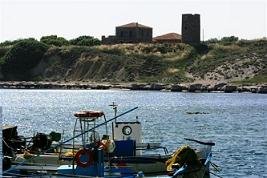
The island of Limnos
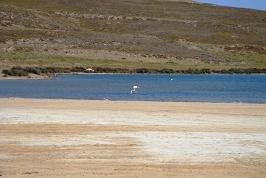
Limnos measures 477 km2, holds around 16,000 inhabitants and has a coastline of almost 260 km, which makes it one of the larger islands of the North Aegean. The island is volcanic and fertile: the east is flat and green with cornfields and cattle, while the west is rockier, volcanic and hilly, rising to Mount Skopia at 430 metres in the north-west. Limnos grows wheat, grapes, almonds and sesame and makes its own wine, though the land is dry, with little rain and often strong wind. Many deep bays hold sheltered sandy beaches, and in the east the two lakes of Aliki and Chortarolimni draw flamingos and other birds. Its strategic position near the Dardanelles has long brought a large military presence.
History and mythology
Limnos carries a deep layer of myth and history tied to fire and metal. In legend the volcanic island belonged to Hephaistos, the god of fire and metalworking, who is said to have landed here after Hera threw him from Mount Olympus, and his ancient city of Hephaisteia stood in the north-east. The island's oldest town, Poliochni, was a settlement of merchants that traded across the Aegean from about 4000 BC until an earthquake struck around 1300 BC. Above the capital, the Kastro of Myrina rises on an ancient acropolis: the Byzantine emperor Andronikos I began it in 1186, the Venetians completed it, and the Russians damaged its walls during their siege of 1770. At Kotsinas in 1478 a local woman named Maroula took up her fallen father's sword against the Ottoman Turks and became a symbol of the island's resistance, and Limnos finally joined Greece in 1912.
Villages of Limnos
Limnos keeps its life in the capital Myrina and a scatter of traditional villages across the island. Myrina and Moudros are the two towns, while Kaspakas, Sardes and Kotsinas are smaller inland and coastal villages, each described below.
Myrina, the capital
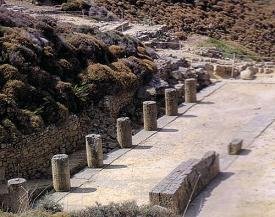
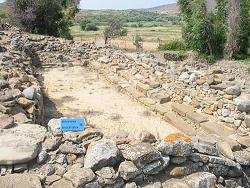
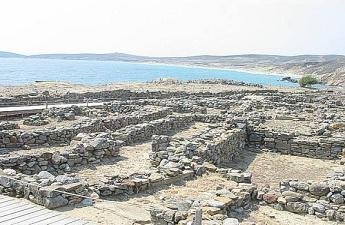
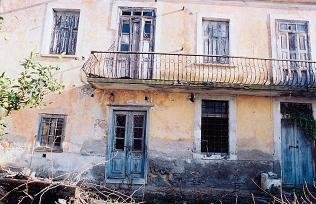
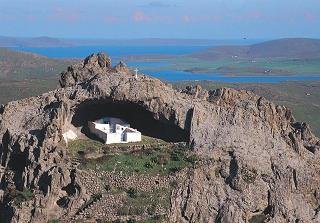

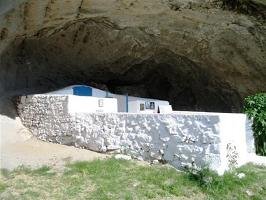
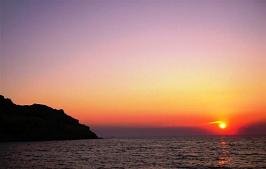
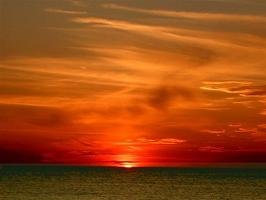
Myrina, also called Mirina or Kastro, is the capital of Limnos on the south-west coast, a colourful working town of about 5,000 inhabitants. Myrina keeps its life in small backstreets full of shops that sell the island's goat cheese, almonds, figs, honey and wine, rather than in tourist strips. Its focal point is the medieval Kastro, built on an ancient acropolis on a rock between the town's two bays, where deer now roam free inside the walls. The northern bay holds the wide Romeikos Yialos beach, the southern bay a fishing harbour and Nea Maditos beach, and the former Turkish governor's residence houses the island's Archaeological Museum. The castle and museum are set out in the Limnos sights guide.
Moudros
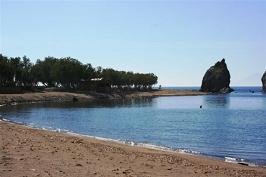

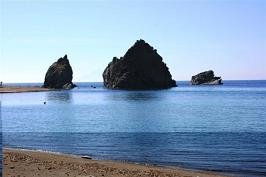
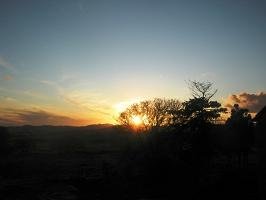
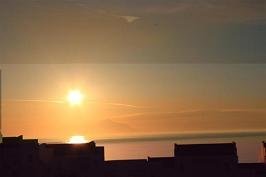
Moudros is the second town of Limnos, on the east side of the Bay of Moudros, one of the largest natural harbours in the Aegean. Moudros dates from the 14th century and served as a naval anchorage in the 1912 war of independence and as an Allied base in World War I, remembered by a military cemetery for Allied soldiers just outside the village. The village has tavernas, bars, shops, banks and a post office, along with the church of the Annunciation that dominates it and an older Byzantine church at the end of the market street. Above the village stand the ruins of Palaiokastro, the oldest castle on the island, and along the bay lies the prehistoric islet settlement of Koukonisi, where excavations have shown a Minoan trading presence.
Kaspakas
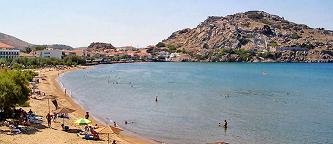
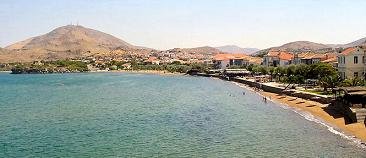
Kaspakas is a traditional working village of about 800 people, five to six km north of Myrina at the foot of Mount Agios Anastasios. Kaspakas takes its name from Byzantine times, after a general called Katalakos Kaspakas who came to the island in 883 to settle a dispute between the monks and the local people. The village was built up into the hills as protection against pirate raids, so it keeps old mansions and many narrow paved lanes. Its beach at Agios Ioannis lies about 1.5 km below on the west coast, among large volcanic rocks.
Sardes
Sardes is a small traditional village in the hilly interior of Limnos, one of the higher inland settlements on the island. Sardes keeps old stone houses around a central square and sits among the farmland and vineyards of the island's fertile middle. It lies away from the coast, so it stays quiet and rural, and it falls within the area of the island's Petrified Forest along with Varos, Moudros, Thanos and Kontias.
Kotsinas
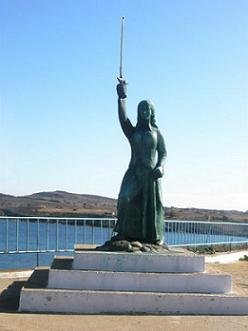
Kotsinas is a small coastal village set in a bay in the north of Limnos, west of the ancient site of Hephaisteia. Kotsinas keeps the Byzantine castle of Kotsinas, repaired in 1361 by the Gattilusi family who ruled the island until the Turkish conquest, and a bronze statue of the heroine Maroula holding a raised sword by the church above the sea. The village has a couple of tavernas, a concrete pier and a small harbour with fishing boats, and a long dune-backed beach runs along its north side. The Varos Village Hotel keeps its own free section of this beach, reached by a short shuttle from the hotel.
Sights of Limnos
The main sights of Limnos are its ancient sites, its castles and its volcanic landscape. Poliochni in the south-east is one of the oldest towns in Europe, dating from about 4000 BC, and Hephaisteia in the north-east was the ancient capital, with the nearby Kabeirio sanctuary of the Kabeiroi. Above them stand the Kastro of Myrina and the Byzantine castle of Kotsinas, while the north of the island keeps the Ammothines sand dunes at Gomati, often called the only desert in Europe. These are gathered in the Limnos sights guide.
Beaches of Limnos
Limnos has around a hundred beaches, and the best of its sheltered sandy bays lie on the west and south coasts. Evgatis, 6 km south of Myrina, is a wide 4 km strand often called the most beautiful beach on the island, while Agios Ioannis, Plati and Thanos hold organised sand within easy reach of the capital. In the east, Keros is a 4 km beach counted among the safest windsurfing spots in Greece, and quieter sands such as Aliki, Makrys Gialos and Gomati reward a drive down a dirt track. The full run of beaches is set out in the Limnos beaches guide.
Getting to Limnos
Limnos has no international airport, so most visitors arrive by domestic flight or by ferry. A domestic flight reaches the island airport near Moudros from Athens and from Thessaloniki, and because few planes land the airport stays quiet. Ferries come in from Kavala, Rafina, Piraeus and Thessaloniki on the mainland and from the neighbouring islands of Lesbos, Chios and Samos. Sailings are not always regular, so check the current timetables online before you travel.
Where to stay
Accommodation on Limnos concentrates in and around Myrina and along the southern beaches. Myrina keeps hotels and self-catering rooms within walking distance of the shops, the harbour and the castle, the beach of Evgatis has its own beachfront hotel, and the inland village of Varos holds a restored village hotel with a private beach at Kotsinas. Compare the options in the Limnos hotels & villas guide, which covers the island's hotels and its self-catering rooms by area.
Where to eat
Limnos serves its best food in the harbours and squares of Myrina and its villages. The waterfront of Myrina and the beach village of Plati cook fresh fish and Greek dishes, the kafenions of the inland villages pour local wine and ouzo, and the island's own produce fills the plate. Local specialities include the soft kalathaki cheese made in a little basket, thyme honey, almonds and figs, and the Muscat wine of Limnos. The places to eat by area are set out in the Limnos restaurants guide.
The Limnos guides
Four guides cover the island in detail. Pick a theme below.