Lasithi Villages & Towns: Agios Nikolaos to the Far East
The Lasithi region spreads across eastern Crete, from the capital Agios Nikolaos and the resort of Elounda to the harbour towns of Sitia and Ierapetra, the high Lasithi Plateau and the far-eastern villages of Zakros and Palekastro. This guide gathers the towns and villages most worth a visit, grouped by area: the Gulf of Mirabello, the north-east coast, the far east, the Lasithi Plateau and the south around Ierapetra. Hire a car to explore Crete at your own pace, covered in our Crete car hire guide.

- Region
- East Crete
- Capital
- Agios Nikolaos
- Plateau
- Lasithi Plain
- Far east
- Zakros





Agios Nikolaos
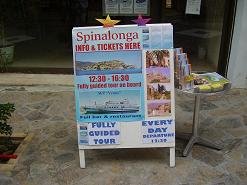
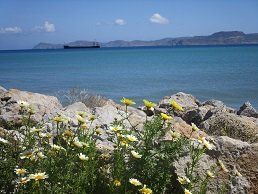
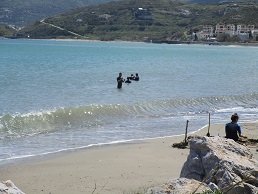
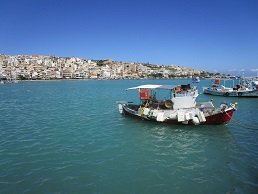
Agios Nikolaos is the capital of the Lasithi region, a town of nearly 20,000 people on the Gulf of Mirabello. It is built around a small deep lake, Lake Voulismeni, joined to the harbour by a short channel. A long promenade with shops, cafés and terraces rings the waterfront and the lake. The 10th-century church of Agios Nikolaos, which gave the town its name, stands on a hill at San Nicolo Bay. The town makes a lively base for the whole region, with boat trips to Spinalonga and Elounda close by.
Elounda
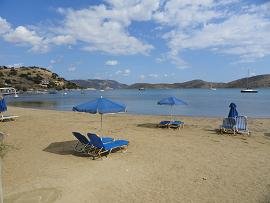
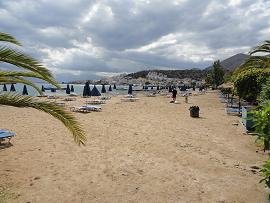
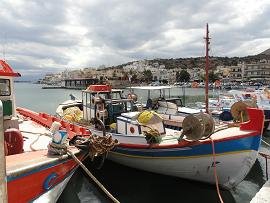
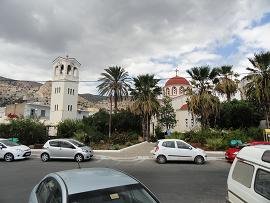
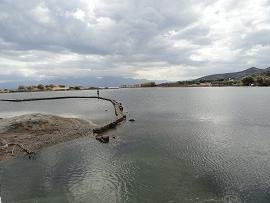
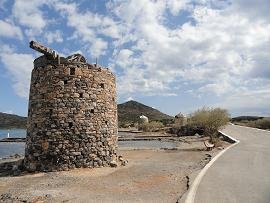
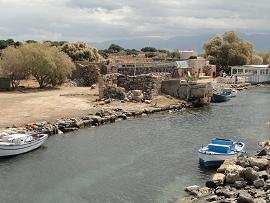
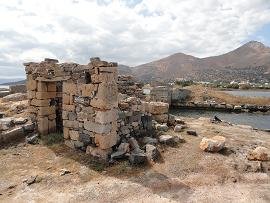
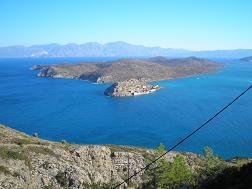
Elounda is a coastal village and luxury resort 11 km from Agios Nikolaos, on the Bay of Mirabello. It faces the Spinalonga peninsula and the fortress island of Spinalonga, and it draws the island's most upmarket hotels. The village keeps a fishing harbour and a lived-in centre behind the resorts. Excursion boats leave for Spinalonga, and Plaka lies 5 km north along the coast. For self-catering villas here, see the Lasithi villas guide.
Sitia
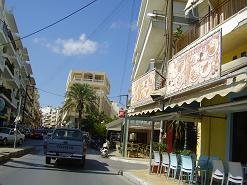
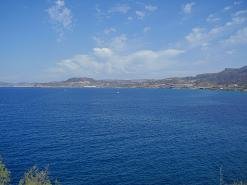

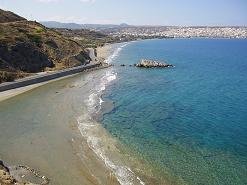
Sitia is a relaxed harbour town of about 9,000 people in the far east of Crete. It feels more like a large village than a town, and it has kept a quiet character rare in the bigger Cretan cities. The town lives from its harbour, olives, wine and raisins, with a long waterfront of tavernas and cafés below tiers of white houses. Ferries link Sitia with Kasos, Karpathos, Rhodes and the Cyclades, and the local airport has direct flights, including from Amsterdam.
Ierapetra

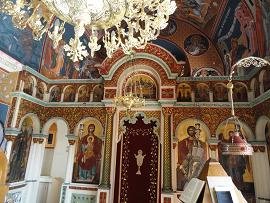

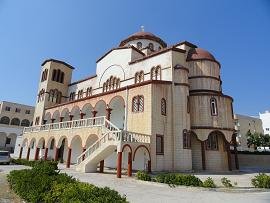
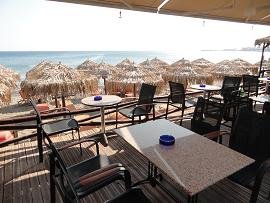
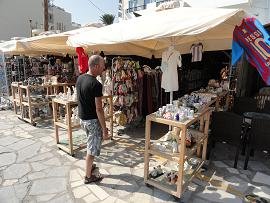
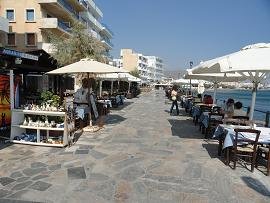
Ierapetra is the southernmost town in Crete and the fourth largest on the island. It sits on the narrowest part of Crete, in a fertile plain of greenhouses that supply much of the country. The town is mostly modern concrete, but the old quarter by the fishing harbour keeps narrow Turkish-era streets, tavernas and cafés. At the harbour stand the Venetian Kales fortress and the 14th-century Afentis Christos church, the oldest in the town. Boats sail from here to the island of Chrissi.
Neapoli


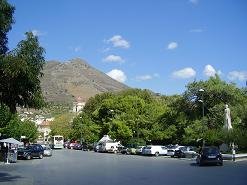
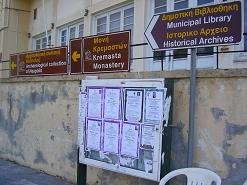
Neapoli is a quiet market town in a mountain valley 15 km west of Agios Nikolaos. It was the capital of Lasithi until 1904, when Agios Nikolaos took over. The large cathedral of the Virgin Mary, flanked by two palm trees, stands on the main square where the town's life gathers. Neapoli keeps Venetian and Byzantine history, and the man who became Pope Alexander V in 1409 was born in the nearby hamlet of Kares.
Kritsa

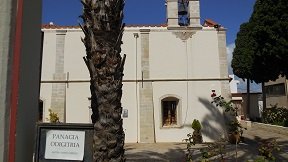

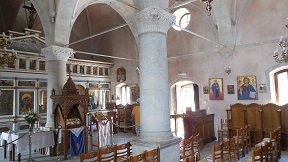
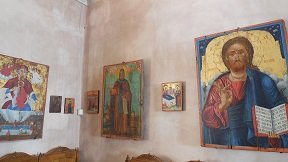
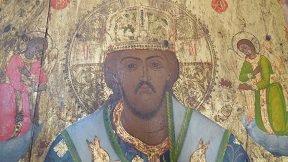
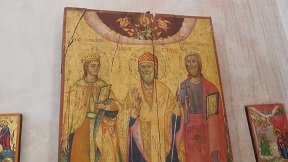
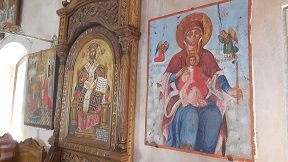
Kritsa is a traditional mountain village 8 km south-west of Agios Nikolaos, with about 2,700 people. Its narrow, photogenic streets climb the hillside past several Byzantine churches, mini-markets, tavernas and souvenir shops. It is best explored on foot from the car parks on the edge of the village. The Panagia Kera church with its famous frescoes stands 1 km before the village; see the Lasithi sights guide.
Sisi
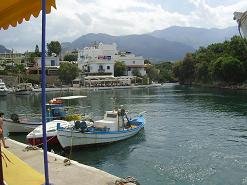
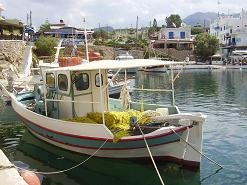
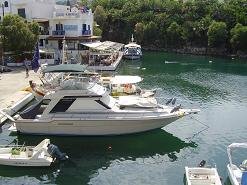
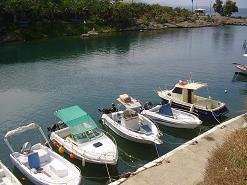
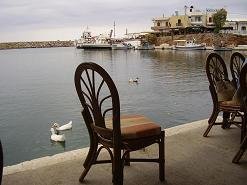
Sisi is a small, attractive village on the north coast between Heraklion and Agios Nikolaos, just off the main road. Its long, narrow harbour looks almost like a river running through the village, and boat trips leave from it. Sisi has stayed largely unspoilt, with no giant hotels, a pleasant boulevard of terraces and back lanes of small shops. A town beach sits in the village, and three more beaches lie a short walk towards Milatos.
Milatos
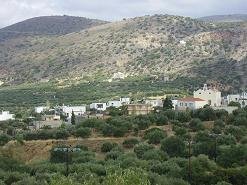
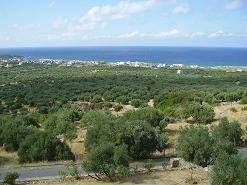
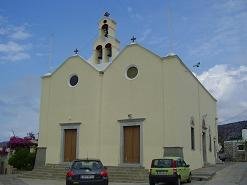
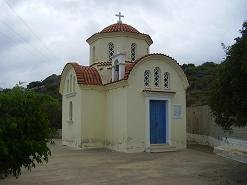
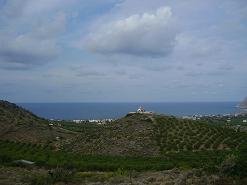
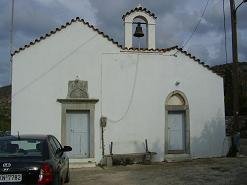
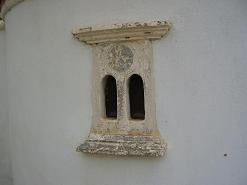
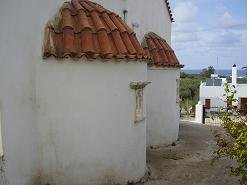
Milatos is a village on the north-east coast, next to the resort of Sisi. It splits into the traditional upper village of white stone houses and Milatos Beach below. The harbour has fish tavernas and a supermarket, and better beaches lie a short walk towards Sisi. Milatos was an important city in antiquity and one of seven Cretan cities said to have joined the Trojan war. The Milatos cave, signposted outside the village, is worth the short walk with a torch.
Mochlos
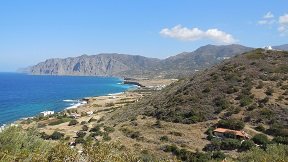
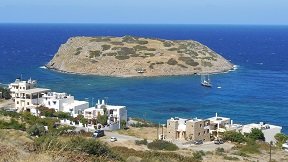
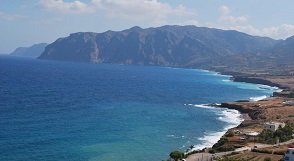


Mochlos is a small fishing village of about 100 people on the coast between Agios Nikolaos and Sitia. It has a handful of tavernas, rooms and a stony beach, and almost no traffic or nightlife. Extensive Minoan remains lie on the island of Mochlos just offshore, opposite the village chapel, with a settlement and tombs. The village is reached most easily by car, or from the bus stop at Sfaka on the national road above it.
Tzermiado & the plateau
Tzermiado is the largest and liveliest village on the Lasithi Plateau, a high mountain plain ringed by the Dikti range. Founded in the 15th century, it sits on the slopes of Mount Selena, with tavernas and shops selling handmade rugs, cloth and ceramics. The Trapeza cave near the village was lived in during the Neolithic and later used for burials. The plateau is known for its old windmills and its ring of farming villages, and it holds the Dikteon cave associated with the birth of Zeus.
Zakros
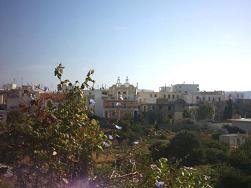
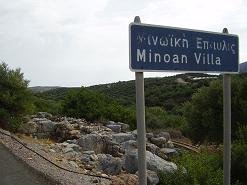
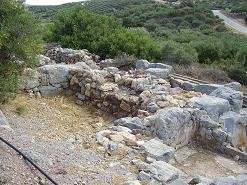
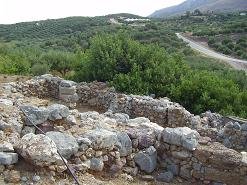
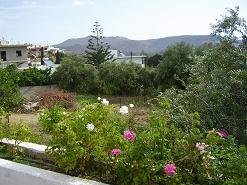
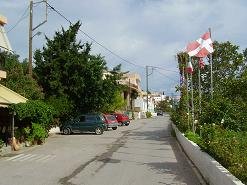

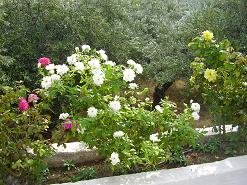
Zakros is a village about 40 km south-east of Sitia, near the middle of the east coast. Most visitors pass through on the way to the Minoan palace at Kato Zakros, 8 km east and lower down. The village has hotels, shops, supermarkets and tavernas, and a strong spring at the top delivers about 800 cubic metres of water an hour to the olive groves. Restored windmills, a mill museum and the Afentis Christos church stand up in the village, and the Valley of the Dead gorge runs from here down to Kato Zakros.
Palekastro

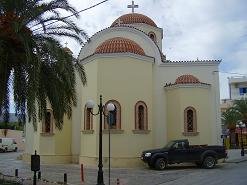
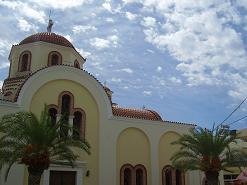
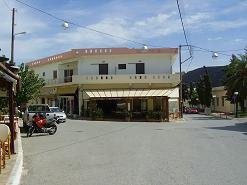
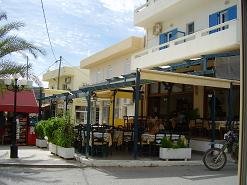
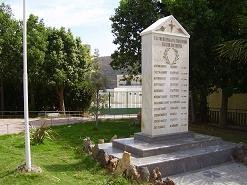
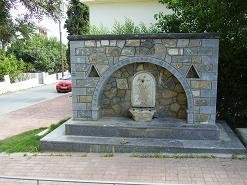
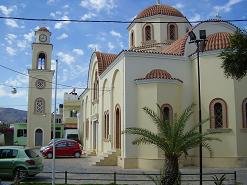
Palekastro is a village of about 1,100 people in the north-east, 17 km from Sitia and 7 km from the palm beach of Vai. It is named after a Venetian kastro that once stood on the flat hill east of the village, now stripped for building stone. The village is busy with traffic heading to Vai, Itanos and Kato Zakros rather than with visitors who stay. It has a folklore museum and important Minoan excavations nearby.
Hamezi


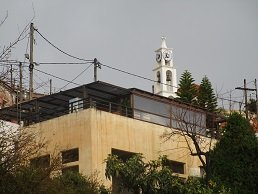


Hamezi is a charming traditional mountain village of white houses, 10 km east of Sitia on the national road. It is quiet, with fruit trees and pots of flowers in front of the houses. Hamezi has been inhabited since Minoan times, and an oval villa shaped like a fortress, with two floors and a protected courtyard, has been excavated on a hill above the village.
Ziros
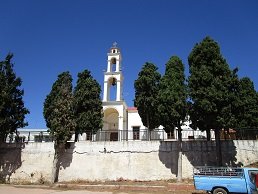
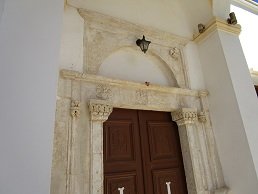
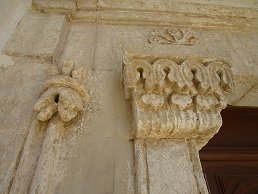
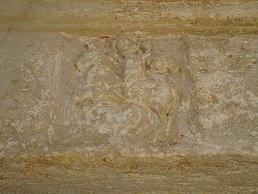
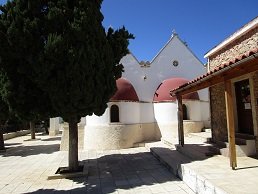
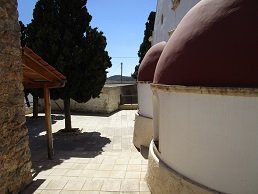
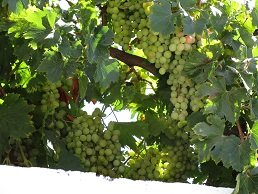
Ziros is a large village of about 750 people 30 km south of Sitia, at the crossroads for Goudouras and Makrigialos, Sitia, and Xerokampos and Kato Zakros. It sits in the fertile Armeno-Handras plateau below Mount Engremno, its streets full of fruit trees and vines. Several churches stand here, including the Byzantine Agia Paraskevi of 1523 with wall paintings from 1565. Ziros makes a good stop on the way to the south-east coast.