Samothraki (Samothrace): The Wild Island of the Great Gods

Samothraki, or Samothrace, is a dramatic, green mountain-island in the north-east Aegean, famous in antiquity for the Sanctuary of the Great Gods and today for its wild nature - waterfalls, hot springs and Mount Fengari, the highest peak in the Aegean. Hard to reach and refreshingly quiet, Samothraki draws walkers, mountaineers and travellers who want lakes, rivers and forest rather than crowds.
- Sea
- NE Aegean
- Size
- 178 km²
- Population
- ~2,800
- Peak
- Fengari 1,660 m





The island of the Great Gods
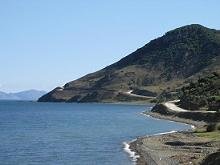
Samothraki covers 178 square kilometers and rises straight from the sea, south-east of Thassos and not easily reached, with about 2,800 inhabitants. Its great mountain, Fengari, is the highest in the Aegean at 1,660 metres - the peak from which legend says Poseidon watched the war at Troy - and much of what draws people is the island's wild nature of lakes and waterfalls. The ferries arrive at the port of Kamariotissa on the west coast, a greener and pleasanter town than first impressions suggest, with restaurants, banks, a post office and the bus station; boats run mainly from Alexandroupoli, and less often from Kavala, Thassos and Limnos.
Chora and the Sanctuary
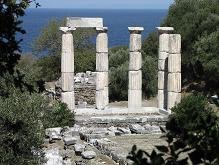
The capital, Chora, sits about 5 kilometers east of Kamariotissa, hidden at the foot of a hill and almost invisible from the sea - built that way in the Middle Ages against pirate raids - a maze of narrow cobbled streets below a Genoese fortress that was originally Byzantine, and the most beautiful village on the island. On the north coast at Palaiopoli lies the Sanctuary of the Great Gods, set in a spectacular wooded canyon, where the 2.5-metre marble Nike, the "Winged Victory of Samothrace", was found - now in the Louvre, with a copy in the local museum. The site keeps remains from every period, including the Arsinoeion, the largest round building of ancient Greece, and the columned Hieron.
Therma and the waterfalls
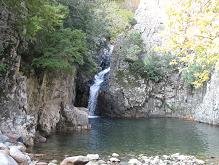
The spa village of Therma, 13 kilometers north of Kamariotissa in a forest of plane trees, has healing hot springs of varying temperature and is the best base for hiking, with shops, tavernas and accommodation and a pebble beach with a small harbour. Just east are the cold pools and waterfalls of Kyra Vathra, and a 45-minute walk into the Fonias gorge reaches still more beautiful pools and falls. Therma is also a starting point for climbing Mount Fengari, a round trip of about six hours.
The beaches of Samothraki
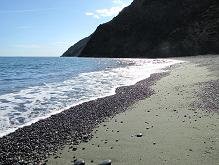
The best beach is Pachia Ammos in the south, about 15 kilometers from Kamariotissa and reached by bus: an 800-metre sandy beach set between two cliffs, with a taverna, a beach bar and sunbeds on one side and a quieter stretch to the north. Kipos Beach on the east side, about a kilometer of pebbles reached by bus, is quiet, clear-watered and a destination for naturists.
Where to stay on Samothraki
Mariva Bungalows
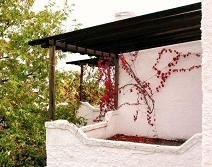
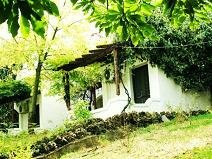
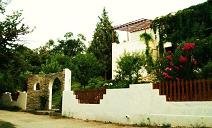


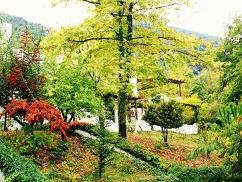

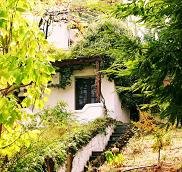

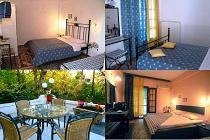
Mariva Bungalows stand in the north of Samothraki, 1 kilometer from the beach and 4 kilometers from the Fonias River, an ideal base for the island's mountains, rivers and waterfalls. Set among lush vegetation, the arched bungalows have air conditioning, a TV and a balcony, with free parking and free WiFi in reception, and the owners offer activities including yoga, cycling and hiking.
Check availability & book