The Beaches of Gavdos
Gavdos has wild, mostly unorganised beaches on every side of the island, from the busy sands of Sarakiniko in the north-east to the southern cape of Tripiti, the southernmost point of Europe. The beaches carry fine sand, cedar shade and clear Libyan Sea water, and about 80% of the coast is open to naturists. Most bays have no sunbeds, water or shops, so bring supplies and shade for the day.

- Busiest
- Sarakiniko
- Most famous
- Agios Ioannis
- Southern tip
- Tripiti
- Naturist
- ~80%



Sarakiniko

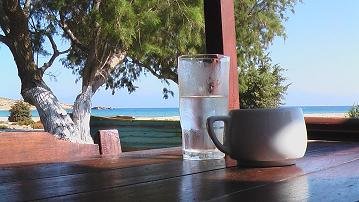


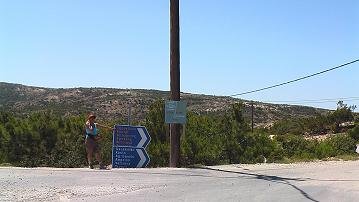
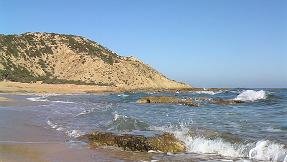


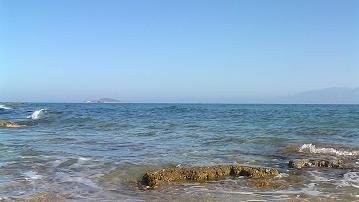

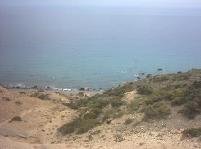
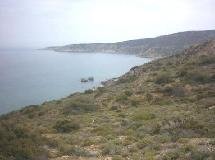
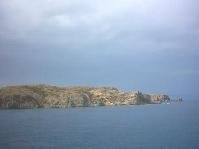
Sarakiniko is the widest and most developed beach on Gavdos, in the north-east of the island about a 20-minute, 2-kilometre walk north of Karave harbour over a dirt track. Sarakiniko has soft golden sand, a taverna or two and a few rooms, which makes it the easiest beach for a first stay.
The bay stays sheltered and shallow enough for families, and cedar and tamarisk give patches of shade behind the sand. Buses and taxi-tractors from the port reach Sarakiniko, so it works even without a walk.
Agios Ioannis
Agios Ioannis is the most celebrated beach on Gavdos, in the north of the island, and the Travel Channel voted it the second most beautiful beach in the world in 2007. Agios Ioannis spreads about 500 metres of wide pale sand next to a tiny village of around ten people, with several large caves and a clear view across to Crete.
The beach has no hotels or luxury, only sand, sea and cedar trees for shade, and it is one of the island’s naturist beaches. A bus reaches the taverna and minimarket at the end of the road, and the Kapetan Theofilos taverna is the only place to eat in this part of Gavdos.
Korfos
Korfos is a sheltered bay at the mouth of a small fertile valley, reached on foot from Karave harbour. Walk inland from the port to the crossroads and a few houses, then turn left at the sign for a beautiful coastal path down to the beach.
Korfos keeps rooms and family rooms for rent at Georgo’s and Maria’s taverna, which sits right on the sand with a sea view. The bay is a good base for the walk south to Tripiti.
Potamos
Potamos is a striking beach in the north-west of Gavdos, with yellow and red-tinted sand. Potamos is surrounded by hills and has no footpath down, so most visitors only see it from above and reach the sand itself by boat.
A few walkers find a safe way down, but the descent is steep and unmarked. Bring water and firm shoes, and treat Potamos as a viewpoint rather than a swimming beach unless you arrive by sea.
Pyrgos
Pyrgos is a quiet, isolated beach in the north of Gavdos with no facilities at all. Pyrgos is reached by small boat or by a long, adventurous walk, so it stays empty most of the time.
There is no water, food or shade waiting at Pyrgos, so carry everything you need for the day. The reward is a wild beach with almost no other people.
Tripiti
Tripiti is the southern cape of Gavdos and marks the southernmost point of Europe. Tripiti is famous for its rock formations, where three sea-carved arches (from the Greek “tripa”, meaning hole) run out into the sea, and a giant wooden chair stands on the rock for the classic photograph.
Reach Tripiti on a signed footpath of about 3 kilometres, roughly an hour, from Korfos, past a small salt lake near the cape. The path is easy to follow, and there is no land left to explore beyond this point.
Lavraka
Lavraka is a naturist beach west of Agios Ioannis, flat and backed by trees, with many rocks in the shallow water. Lavraka rewards snorkellers, though the rocky entry means you should pick your way in carefully.
Reach Lavraka in about 40 minutes from Agios Ioannis, either along the coast (which crosses the sea in places, so avoid it in bad weather) or over the rocks and paths behind the beach. Carry water, because Lavraka has no facilities.
Naturist beaches
Gavdos is a long-standing favourite with naturists, and roughly 80% of its beaches are open to naturism. Agios Ioannis and Lavraka in the north are the best-known naturist beaches, both reached from the bus stop and minimarket at the end of the northern road.
Quiet coves at Sarakiniko, Korfos and around Tripiti also suit naturists, thanks to the island’s low numbers and open coast. Where each beach sits and how to reach it is shown on the island map in the Gavdos island guide.