Kos, Dodecanese: Island Guide, Beaches & Hotels
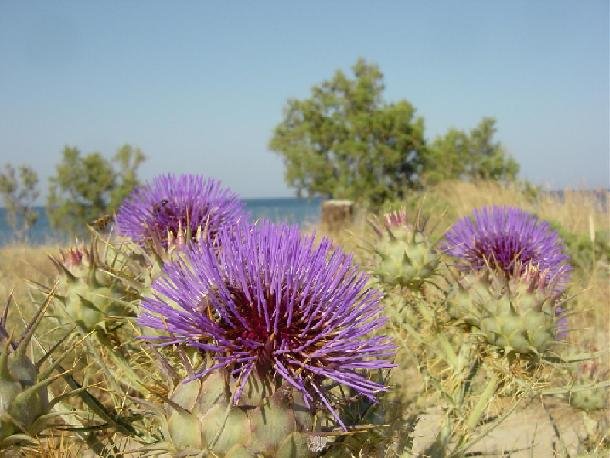
Kos is the third-largest island of the Dodecanese in Greece, 45 kilometres long and about 8 kilometres wide, with sandy beaches, an international airport and the ancient Asklepieion. It lies off the Turkish coast, north-west of Rhodes and south-east of Samos, and its many ferry links make it a good base for island-hopping, its flat north good for cycling and its bars and beaches popular with younger visitors. Hire a car to reach the parts of Kos the buses miss, covered in our Kos car hire guide. Getting from the airport is easy too, covered in our Kos airport transfers guide.
- Sea
- Aegean · Dodecanese
- Length
- ~45 km
- Width
- ~8 km
- Rank
- 3rd in Dodecanese


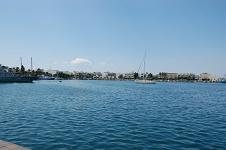


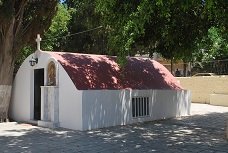

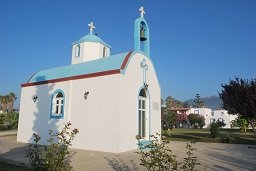


The island of Kos
Kos is a Greek island in the Aegean Sea and the third-largest of the Dodecanese, with both fertile plains and barren mountains and the best water supply of any island in the group. It has an international airport that receives many charter flights, and tourism is its main source of income. The island is closely tied to Hippocrates, the "Father of Medicine" born here, and to Asklepios, the god of healing: the tree of Hippocrates stands in the capital, a Hippocratic museum is dedicated to him, and Roman remains lie in and around Kos Town. Larger settlements include Kos Town, Kefalos, Kardamena, Tigaki, Antimachia, Mastihari and Marmari, with the mountain village of Zia among the smaller ones. Kos is a lively, busy island that can feel packed in high season, so it rewards travellers who seek out its quieter corners.
Villages of Kos
The larger settlements of Kos are Kos Town, Kefalos, Kardamena, Tigaki, Antimachia, Mastichari and Marmari, with the mountain village of Zia among the smaller ones. They run from the busy capital on the north-east coast to the old capital Kefalos in the quiet south-west and the green villages inland.
Kos Town
Kos Town, on the north-east coast, is the capital and the tourist and cultural centre of the island, looking across to the Turkish mainland. A 14th-century castle of the Knights of St John stands by the port and the ancient agora sits in the centre. Much of the town was rebuilt in an Italian style after the 1933 earthquake, with wide boulevards, ruin-topped hills and a largely pedestrian centre.
Kardamena
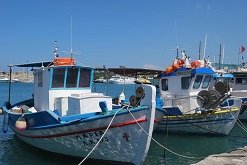
Kardamena, in the south, is one of the island's biggest resorts, a mostly new, hotel-filled village with discos, tavernas, a crowded beach and a harbour of excursion boats. It is the liveliest of the villages and built for a beach-and-nightlife holiday.
Mastichari
Mastichari is the largest village on the north coast and quieter than Kardamena, with a good sandy beach and a harbour that runs boats to Kalymnos. It suits a calmer stay while keeping the island's ferries close at hand.
Tigaki


Tigaki (Tingaki), 11 kilometres north-west of Kos Town, sits behind one of the island's longest and most beautiful beaches, popular with windsurfers. The Alykes salt lake behind it is a protected wetland where birds breed and flamingos winter, and the flat land around is good for cycling.
Marmari
Marmari lies on the north-west coast, on the west side of Lake Alyki, with an organized beach of beach beds, restaurants and accommodation. It tends to catch the wind, which keeps it breezy through the summer.
Antimachia
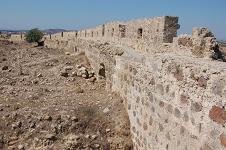
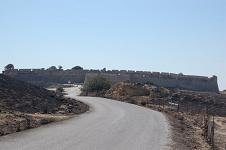
Antimachia is one of the larger villages of Kos, set inland in the centre of the island, with a ruined fortress standing above it. Away from the coast, it keeps a quieter, more everyday feel than the beach resorts.
Pyli

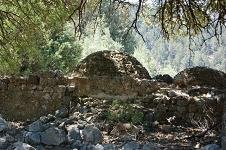
Pyli is an inland village in the green interior of the island. Above it stand the deserted houses of Palio Pyli, the abandoned old village, left when the people moved down to the modern settlement. The ruins make a quiet, scenic stop away from the coast.
Kefalos
Kefalos, 45 kilometres from Kos Town, is the island's old capital, in the most fertile, quiet and relatively unspoilt part of Kos. The best beaches lie nearby, including the large beach at Kamari with its ancient agora, so it makes a calm base far from the resort crowds.
Zia

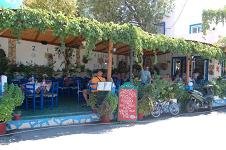
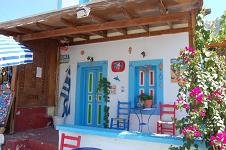
Zia is the best-known mountain village on Kos, on the green slopes inland among the island's smaller settlements. It draws visitors who want a change from the beach and a look at the higher, greener part of the island.
Beaches of Kos
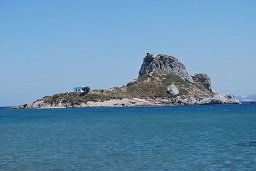
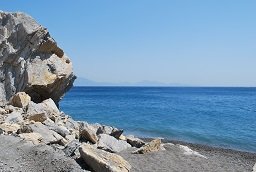
Kardamena is one of the island's major resorts, a mostly modern place of hotels, tavernas and discos with a crowded beach and an excursion harbour; 3 kilometres west lies Tropical or Natural Beach, the island's only official nudist beach. Mastihari, the largest village on the north coast, has a good sand beach and is quieter, while Tigaki offers a very large beach popular with windsurfers. The best beaches lie near Kefalos, the ancient capital 45 kilometres from Kos Town, where the coast is quieter and more unspoilt: Kamari has the largest beach, and Magic (Polemi), Sunny (Psilos Gremos), Markos, Paradise and Camel beaches string along the road from the airport, several keeping room for naturists. For the full list see the Kos beaches guide.






History & the Asklepieion
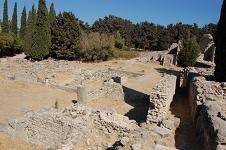
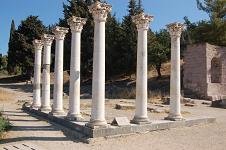
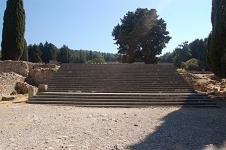
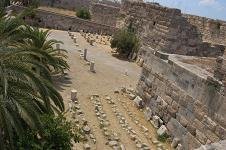

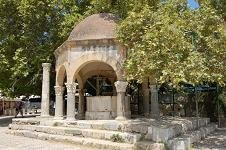

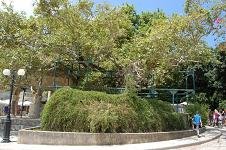
Kos was first settled by the Karians and taken by the Dorians in the 11th century BC, later joining the Delian League; Kos Town was founded in 366 BC. In antiquity the island was famous for its Asklepieion, one of the greatest sanctuaries in Greece, set on a hillside 4 kilometres west of Kos Town and dedicated to Asklepios, god of healing. It was the leading medical sanctuary of the Greek world and a masterpiece of Hellenistic architecture. Hippocrates (460–357 BC), the "Father of Medicine", was born on Kos and ran his school here. Though an important centre, Kos was never large enough to stand alone and relied for protection on Egypt, Rome and Rhodes.
Getting to Kos
Kos has an international airport with regular summer flights from several countries, served by carriers such as Aegean Airlines. By sea it has good links with Piraeus on the mainland and with many islands of the Dodecanese and beyond, including Leros, Patmos, Kalymnos, Nissiros and Rhodes, with boats leaving from Kos Town, Kardamena, Mastihari and Kamari. In high season it is worth booking a superfast-ferry ticket ahead.
Where to stay on Kos
Most hotels line the coast around Kos Town, Kardamena, Tigaki and Kefalos. See the full choice of hotels, apartments and studios on the Kos hotels page.