Kos Sights: The Asklepieion, Kos Castle & Ancient Kos
Kos is closely tied to Hippocrates, the Father of Medicine born here, and to Asklepios, god of healing, so its greatest sight is the ancient Asklepieion, backed by the Castle of the Knights and the Roman ruins of Kos Town. This guide covers the marquee sights as historical facts, from the Asklepieion and the Tree of Hippocrates to the agora, the Roman Odeon, the fortress of Antimachia, the abandoned village of Palio Pyli and the mountain village of Zia. For the whole island see the Kos island guide. Hire a car to explore Kos at your own pace, covered in our Kos car hire guide.
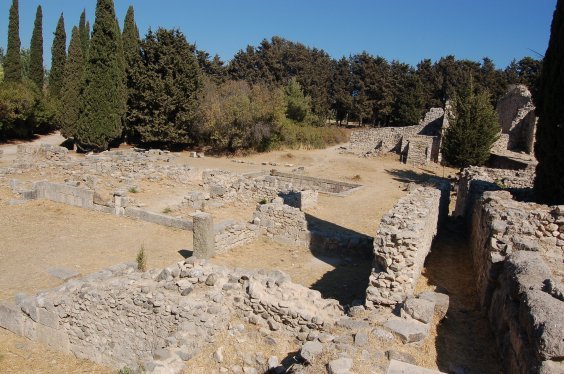
- Sanctuary
- Asklepieion
- Born here
- Hippocrates
- Castle built
- 1315
- Town founded
- 366 BC
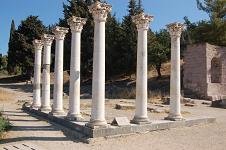
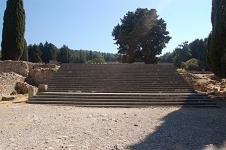




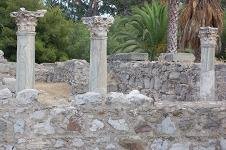

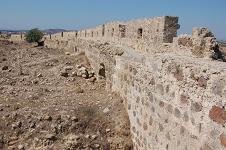
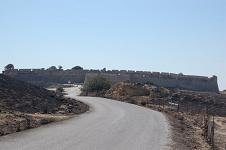

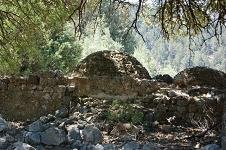
The Asklepieion
The Asklepieion is the island's greatest sight, one of the greatest sanctuaries in Greece, set on a hillside 4 kilometres west of Kos Town and dedicated to Asklepios, the god of healing. It was the leading medical sanctuary of the Greek world and a masterpiece of Hellenistic architecture, laid out in terraces on the slope. Kos was famous for it in antiquity, and it stands within an easy trip of the capital.
Tree of Hippocrates
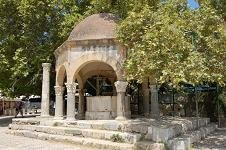
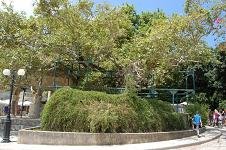
The Tree of Hippocrates is a great plane tree in the capital, linked to Hippocrates, the “Father of Medicine”. Hippocrates (460–357 BC) was born on Kos and ran his medical school here, and the island keeps a Hippocratic museum dedicated to him. The tree stands in the heart of Kos Town among the Roman remains.
Castle of the Knights
A 14th-century castle guards the entrance to the harbour of Kos Town. It was built in 1315 by the Knights of St John of Rhodes, who held the island for centuries, and its walls stand right by the port at the edge of the old town.
Agora & Roman ruins
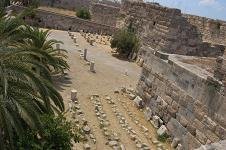
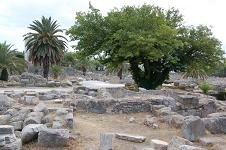
The ancient agora, the old marketplace, sits in the centre of Kos Town, and Roman remains lie in and around the capital, which was founded in 366 BC. Kos was first settled by the Karians and taken by the Dorians in the 11th century BC, later joining the Delian League. Much of the modern town was rebuilt in an Italian style after the 1933 earthquake, so the excavations sit openly among the streets.
Roman Odeon
The Roman Odeon is a restored covered theatre among the ancient ruins of Kos Town. It is one of the Roman remains that lie in and around the capital and is an easy stop on a walk through the archaeological sites.
Antimachia fortress
A ruined fortress stands above the inland village of Antimachia, in the centre of the island. Antimachia is one of the larger settlements of Kos, away from the coast, and the fort looks out over the surrounding country.
Palio Pyli
Palio Pyli is the abandoned old village of Pyli, in the green interior of the island. Its houses stand deserted on the hillside, left when the villagers moved down to the modern Pyli, and the ruins make a quiet, scenic stop inland from the north coast.
Zia

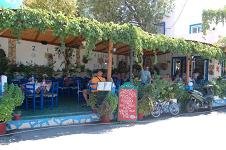
Zia is the best-known mountain village on Kos, on the green slopes inland among the island's smaller settlements. It is the usual drive for travellers who want a change from the beach and a look at the higher, greener part of the island.