Pelion, Greece: Peninsula Guide, Villages, Beaches & Hotels
Pelion (Pilion) is a green, mountainous peninsula in Thessaly, east of Volos, that closes off the Pagasetic Gulf and drops to beaches on both the calm gulf and the open Aegean Sea. The peninsula belongs to the district of Magnesia, and its capital is Volos, the busiest port in Greece after Athens and Thessaloniki. The highest mountain is Pourianos Stavros (Xeforti) at 1624 metres. Most of Pelion is densely forested with oak, beech, chestnut, maple and sycamore, and cobbled stone villages with grey and red stone roofs sit above the coast. Hire a car to reach the parts of Pelion the buses miss, covered in our Pelion car hire guide.
- Region
- Thessaly
- Gateway
- Volos
- Highest
- Pourianos Stavros 1624 m
- Seas
- Pagasetic & Aegean


The Pelion peninsula
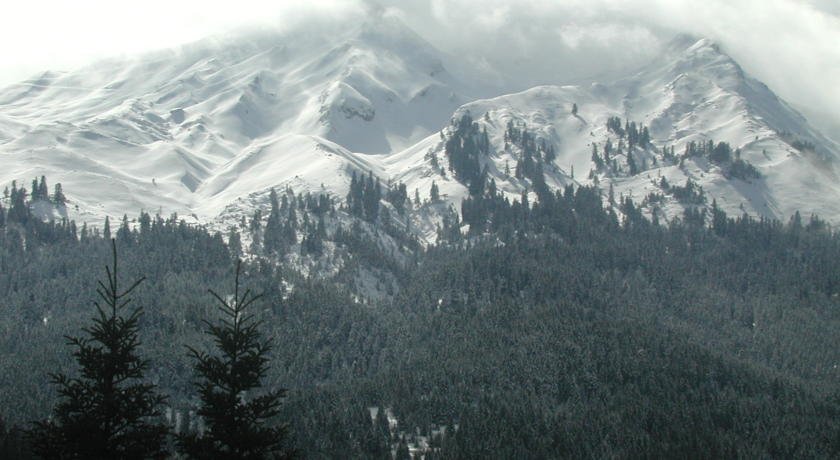
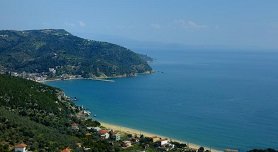
Pelion lies in the east of Greece, in the district of Magnesia, and closes off the Pagasetic Gulf on its east and south sides, narrowing to a channel at Trikeri. The capital of the region is Volos, on the Pagasetic Gulf, the busiest port in Greece after Athens and Thessaloniki. The highest mountain, Pourianos Stavros or Xeforti, reaches 1624 metres. Most of the peninsula is densely forested with oak, beech, chestnut, maple and sycamore, and many hiking trails cross it. Mount Pelion, which gives the peninsula its name, rises north-east of Volos; it often carries snow in winter, and a ski centre operates at Chania, so Pelion works as both a winter and a summer destination. In Greek myth this was the mountain of the Centaurs.
The villages of Pelion
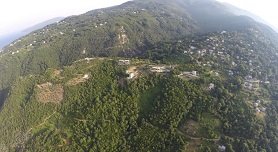
Pelion keeps its life in traditional stone villages with grey and red roofs, strung along the calm Pagasetic Gulf on the west, above the open Aegean on the east, and around the fishing harbours of the far south. Volos is the gateway town on the gulf, covered in the Volos and Pelion guide.
West-coast villages (Pagasetic Gulf)
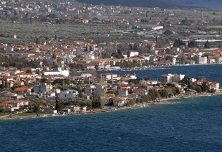

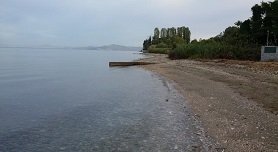
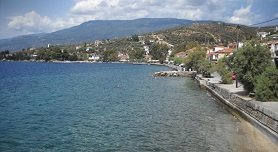
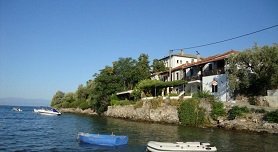
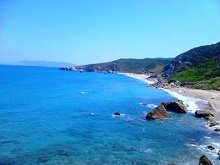
The west coast faces the sheltered Pagasetic Gulf and holds the peninsula's easiest beaches. Agria is a coastal town 8 kilometres south of Volos, popular at weekends for its seafood tavernas. Kala Nera, 18 kilometres from Volos, is a resort with the longest beach on Pelion. Kato Gatzea is a quiet fishing village among olive groves, and Koropi keeps a long sandy beach and pear orchards. Afissos, 26 kilometres from Volos, is built as an amphitheatre above the sea, with a plane-tree square and a spring fountain. Lefokastro and Kalamos are small fishing villages further south, and the mountain village of Milies sits inland above Kala Nera.
East-coast villages (Aegean)
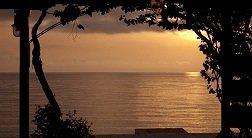
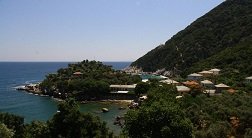
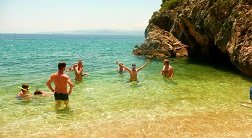

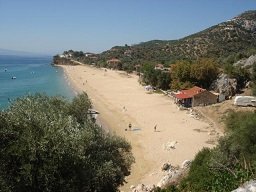
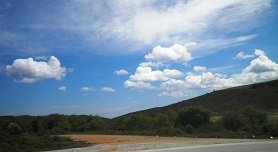
The east coast drops to the open Aegean and keeps the greenest, highest villages. Agios Ioannis is the best-known resort on this side, 45 kilometres from Volos, with a long organised beach. Damouchari, a few kilometres south, holds the only natural harbour of north-east Pelion and appeared in the film Mamma Mia. Mouresi sits 350 metres up, one of the oldest villages on the peninsula, near the scenic village of Tsagarada. Platanias, Potistika and the beach of Mylopotamos hold the sands of the south-east, looking out to the Sporades islands of Skiathos, Skopelos and Alonnisos.
The far south: Milina, Chorto & Trikeri
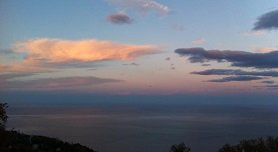
The far south narrows toward the channel at Trikeri and keeps the quietest fishing villages. Milina sits on the Pagasetic Gulf 48 kilometres from Volos, facing the islets of Prasouda and Alatas with their Byzantine monasteries. Chorto, 3 kilometres north of Milina, is popular for windsurfing and sailing and famous for its sunsets. Trikeri and its harbour Agia Kyriaki lie at the extreme south, 81 kilometres from Volos, reached by a 32-kilometre road, with an island atmosphere and traditional dress. The larger mountain village of Argalasti, once the commercial centre of South Pelion, keeps shops, a market and a tall-belltower church inland.
The beaches of Pelion
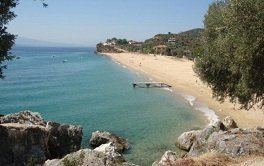
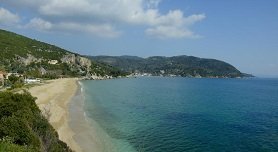
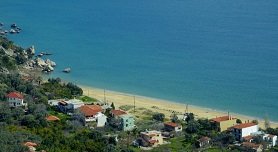
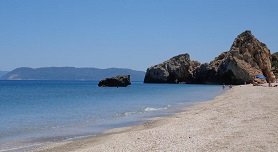
Pelion has beaches on both coasts, calm and shallow on the Pagasetic Gulf and wilder on the open Aegean. The gulf side keeps the long sands of Kala Nera and Koropi (Boufa Beach), the family beaches of Afissos and Kato Gatzea, and the quiet coves of Lefokastro, Kalamos and Milina. The Aegean side holds the turquoise pebbles of Mylopotamos, the blue-flag sands of Agios Ioannis and Papa Nero, the golden bay of Mikro, and the cliff-backed sands of Potistika and Platanias. See the full guide to the beaches of Pelion.
Sights of Pelion
The sights of Pelion mix mountain nature with old churches, monasteries and ancient ruins. Damouchari keeps a ruined Venetian castle and the Agios Nikolaos church with murals from around 1800, and it stood in for a Mamma Mia location. Trikeri holds two historic churches, and the island of Palaio Trikeri keeps the Monastery of the Annunciation of the Virgin Mary. Milina faces the islet monasteries of Prasouda and Alatas and the ruins of ancient Olizon, and Afissos stands on the site of ancient Afetes, where myth places a stop of Jason and the Argonauts. The full list is in the Pelion sights guide.
Where to stay
Accommodation on Pelion spreads through the coastal resorts and the stone mountain villages, in hotels, guesthouses, studios and villas. Agios Ioannis, Damouchari and Mouresi suit an east-coast base near the Aegean beaches, while Kala Nera, Afissos, Kato Gatzea and Lefokastro keep quieter rooms on the Pagasetic Gulf. Compare the options in the Pelion hotels & villas guide, which covers the hotels and the self-catering studios, apartments and villas.
Where to eat
Pelion serves its best food in the harbour tavernas of the coast and the family tavernas of the mountain squares. Agria and Kala Nera line up seafood restaurants on the gulf, Afissos and Kato Gatzea cook by the water, and Agios Ioannis and Damouchari feed the east-coast beaches. Volos adds its tsipouradika, the small eateries that serve mezes with tsipouro. Where to eat by area is set out in the Pelion restaurants guide.
Getting to Pelion
Pelion is reached overland through Volos, the gateway town on the Pagasetic Gulf, which links to the peninsula by road. Volos has its nearest airport at Nea Anchialos National Airport, about 40 kilometres from the west-coast resorts. From Volos, roads run down both coasts, the west-coast road following the gulf through Agria, Kala Nera and Afissos, and the east-coast road climbing over Mount Pelion to Agios Ioannis and Damouchari. The town itself is described in the Volos and Pelion guide.