Pelion Sights: Damouchari, the Trikeri Monasteries & Mount Pelion
The sights of Pelion mix mountain nature with old churches, monasteries, castles and ancient ruins spread through the villages of the peninsula. Damouchari keeps a ruined Venetian castle and a Mamma Mia harbour, Trikeri holds two historic churches and the monastery of Palaio Trikeri, Milina faces islet monasteries and the ruins of ancient Olizon, and Mount Pelion itself, the mountain of the Centaurs, rises to 1624 metres with a ski centre at Chania. Hire a car to explore Pelion at your own pace, covered in our Pelion car hire guide.
- Film location
- Damouchari
- Island monastery
- Palaio Trikeri
- Ancient city
- Olizon
- Ski centre
- Chania
Mount Pelion and the mountain of the Centaurs
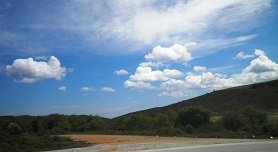
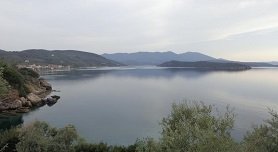
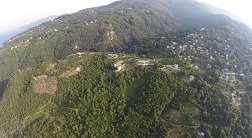
Mount Pelion rises north-east of Volos and gives the peninsula its name; in Greek myth it was the home of the Centaurs. The highest point, Pourianos Stavros or Xeforti, reaches 1624 metres, and the slopes carry snow through the winter, when a ski centre operates at Chania. The rest of the year the mountain is a haven for hikers, densely forested with oak, beech, chestnut, maple and sycamore and crossed by many trails and old cobbled paths between the villages.
Damouchari: castle and Mamma Mia harbour
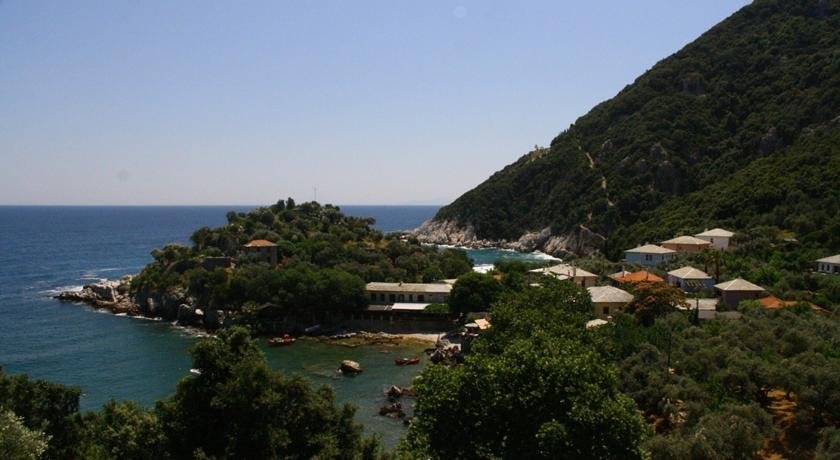
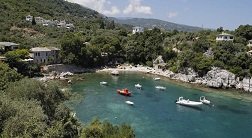
Damouchari, on the east coast a few kilometres south of Agios Ioannis, keeps the only natural harbour of north-east Pelion, which made it important for the whole surrounding area. Part of the film Mamma Mia was shot here. On the headland between the beach and the harbour stand the ruins of a Venetian castle, used by sailors and villagers as protection from pirate attacks, with the remains of another building from the Turkish period nearby; no excavations have been carried out, so little of its history is known. The Agios Nikolaos church in the village keeps beautiful murals from around 1800.
Trikeri and Palaio Trikeri
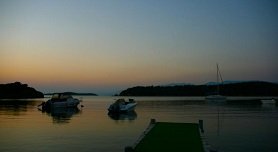
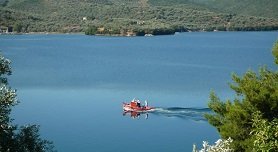
Trikeri and its harbour Agia Kyriaki lie in the far south of the peninsula, with narrow cobbled streets, traditional dress and an island atmosphere. The village keeps two churches: Agios Athanasios of 1799 and the Agia Triada of 1781, which holds a gold-covered wooden throne and a wood-carved iconostasis dating from 1739. Offshore lies the small island of Palaio Trikeri, home to 40 to 80 people with no cars and only donkeys, once a fishermen's island and, after 1947 during the Greek Civil War, a concentration camp for female political prisoners. Its landmark is the large Monastery of the Annunciation of the Virgin Mary, whose construction began in 1827, a fifteen-minute walk from the harbour.
Ancient Olizon and the Milina monasteries
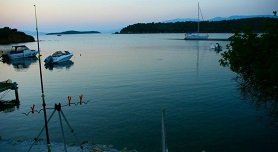
Milina faces two islets in the Pagasetic Gulf: Prasouda, which carries the Zoodochos Pigi monastery, and Alatas, which carries the Agioi Saranta monastery, both from the Byzantine period. The oval islet of Prasouda is a good diving spot, where the grave of a supposed vampire was found, buried with its head cut off and a stake through the heart. A few kilometres outside Milina, on a hill above the coastal road toward Trikeri, stand the ruins of the ancient city of Olizon, which according to Homer took part in the Trojan war with seven ships and 350 soldiers, and which held a port on both sides of the peninsula.
Ancient Afetes, Koropi and the myths
Afissos stands on the site of ancient Afetes, where myth places a stop of Jason and the Argonauts to take on water before their search for the Golden Fleece; the village keeps a plane-tree square and a spring fountain of cold water. Near Koropi lie the ruins of the ancient settlement once called Paliopyrgos and the remnants of an oracle of Apollo near Ramnos. Chorto, inhabited since ancient times and called Chortokastro in the Byzantine period, was an important southern port. Platanias is built on the ancient city of Afetes' neighbour and keeps a harbour once used by the Persians.
The mountain villages and their churches
The stone villages of Pelion are sights in themselves, with grey and red roofs, cobbled squares and old churches. Mouresi, one of the oldest villages, keeps the Agia Paraskevi church of 1792 and the older Agia Triada church on its cobbled square with very large trees. Argalasti, once the commercial centre of South Pelion, keeps traditional houses, a Saturday market and a church with a tall bell tower. Lefokastro keeps a restored arched stone bridge of 1891, and Agria keeps the Panagia Tripia chapel built into the rock by the sea. The villages themselves are set out in the Pelion peninsula guide.