Paxos (Paxi), Greece: The Green Ionian Island of Olive Groves and Sea Caves

Paxos, also spelled Paxi, is a small, green and up-market Ionian island of about 25 square kilometers, famous for its olive groves, white cliffs and sea caves, with the pretty capital of Gaios and the villages of Lakka and Loggos. Paxos has rocky white shores and turquoise water on the east, dramatic cliffs on the west, and an interior green with some 200,000 olive trees; it is quiet, a little more expensive than its neighbours, and reached by a three-hour boat trip from Corfu, its nearest airport.
- Sea
- Ionian
- Size
- 25 km²
- Population
- ~3,000
- Capital
- Gaios
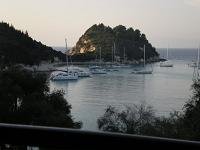
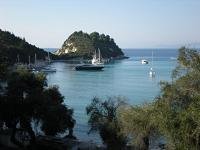
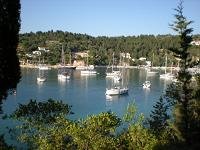




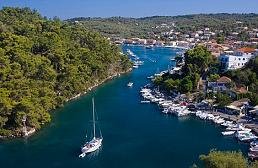
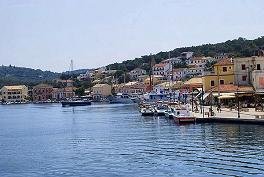

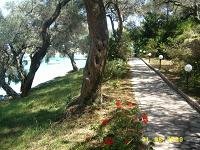
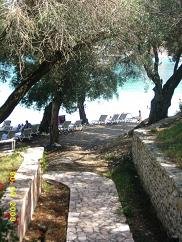
The island and Gaios
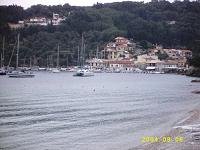
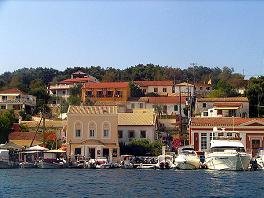
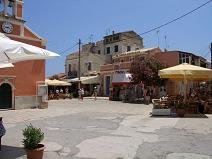
The capital of Paxos, Gaios, has about 800 inhabitants and sits in a bay sheltered by two pine-covered islets, Agios Nikolaos - with the remains of a 14th-century Venetian fortress - and Panagia, with its church and lighthouse. Gaios is a charming village of red-tiled houses around a square with a kafenion, a small pebble beach and the green statue of the resistance hero Konstantinos Kanaris; most of it survived the 1953 earthquake. Excursion boats run from here to the islets and to Antipaxos, and day-trippers from Corfu and Parga fill the town until the boats leave and quiet returns. Gaios has two ports - the old one for excursion boats, a new one outside town for the ferries to Corfu, Igoumenitsa, Parga and Piraeus.
Lakka and Loggos




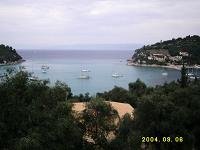
Lakka, the second-largest village with about 400 inhabitants, lies in a beautiful horseshoe bay in the north, sheltered by pine trees so the swimming is very safe, with fishing boats and yachts in the harbour and plenty of cafes, tavernas, supermarkets and a bakery; it is 8 kilometers from Gaios. Loggos, on the north-east coast between Lakka and Gaios, is a smaller fishing village of some 200 people with a cosy, colourful harbour, a few dining options and lovely beaches to the north and south. Both are served by regular buses from Gaios.
The beaches of Paxos

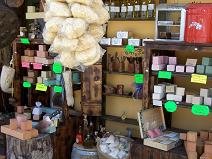
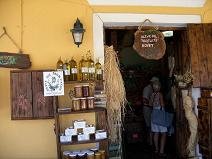


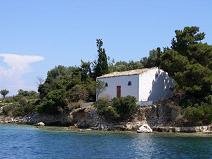
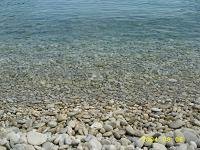
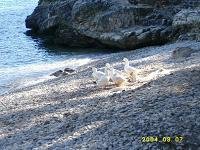
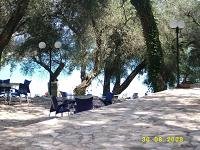
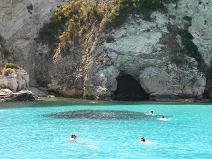
Most of the beaches of Paxos are on the sheltered east coast and are pebble, or a mix of pebble and sand; the white pebbles on the seabed give the water a beautiful turquoise colour. Harami and Kanoni, in the bay of Lakka, are shallow and family-friendly, while Monodendri and quieter Glyfada lie between Lakka and Loggos, and Kipos, Marmari and Levrecchio are close to Loggos. In the south, Mongonissi is a rare sandy beach in a protected, child-friendly bay with a taverna and safe anchorage for yachts. Only a few beaches have sunbeds; on most you find shade under a tree, and some can be reached only by boat.
Sights: the Blue Caves and Antipaxos
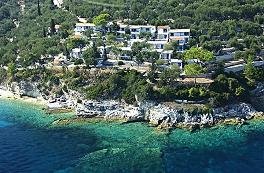




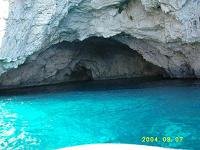
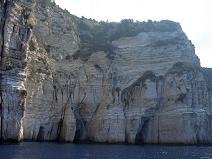
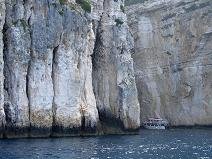
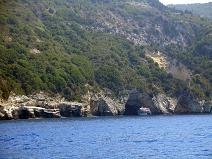
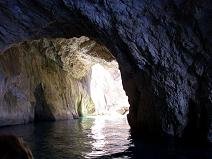
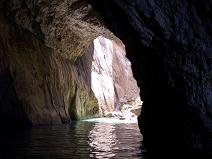
The west coast of Paxos is lined with sea caves known as the Blue Caves, which can only be visited by boat. To the south lies the little island of Antipaxos, home to only about 100 people, covered in vines and ringed by some of the finest sandy beaches in the area; excursion boats run there from Gaios.
Where to stay on Paxos
Paxos Beach Hotel, Gaios
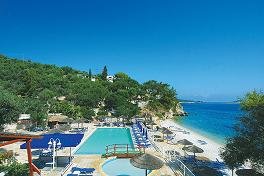
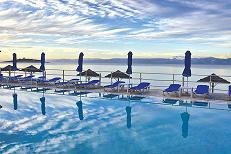
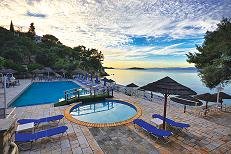
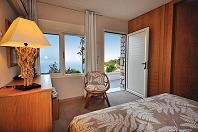
Set on a pine-covered bay 1.5 kilometers from Gaios, the Paxos Beach Hotel has a private beach, a seawater swimming pool and a mini-golf course. Rooms are decorated in natural tones with a furnished balcony over the Ionian Sea, air conditioning, satellite TV and a fridge, and there are sunbeds at the pool and on the private beach, plus tennis and table tennis. An American buffet breakfast is served by the pool, the restaurant offers Mediterranean dishes, and daily cruises to Antipaxos leave from nearby Gaios port.
Check availability & bookAmfitriti Hotel, Lakka

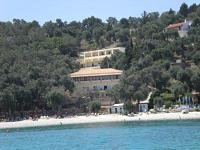
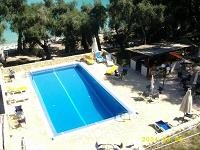
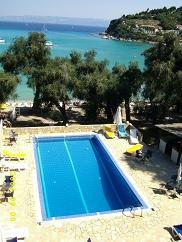
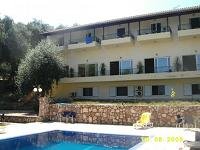
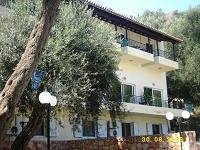
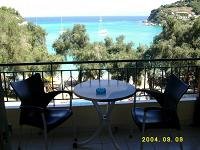

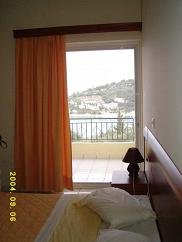
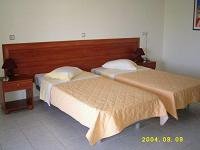
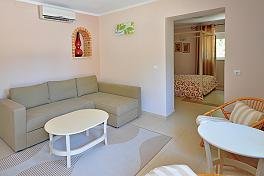
Surrounded by greenery and only steps from Harami Beach, the family-run Amfitriti Hotel has a small pool with a pool-side bar and a sun terrace, and spacious rooms with a private balcony and both mountain and sea views. Each air-conditioned room has a kitchenette with fridge and a TV; the clear water of the Ionian is right in front, with sunbeds, and the village of Lakka is just 150 metres away.
Check availability & book