Kalymnos Sights
The sights of Kalymnos centre on its sponge-diving heritage, its world-famous rock climbing, its caves and its castle. Kalymnos is the last Greek island with active sponge divers and a climbing destination that draws people from all over the world. Its caves run from the easily reached Kefala to the dramatic Skalia, the old capital of Chora keeps a renovated Big Castle above Pothia, and the islet of Telendos sits across the water from Myrties. Hire a car to explore Kalymnos at your own pace, covered in our Kalymnos car hire guide.

- Known as
- The Sponge Divers' Island
- For climbers
- Year-round rock climbing
- Best cave
- Skalia
- Off Myrties
- Telendos


Sponge diving heritage
Kalymnos is known as the Sponge Divers' Island, and it is the last Greek island with active sponge divers. Sponge fishery, along with the processing and trading of sponges, was the main profession here for hundreds of years, and the trade still shapes the town of Pothia. Visitors can see diving museums, buy the best sponges straight from the sea, and meet qualified dive guides and dive schools that keep the tradition alive.
Rock climbing
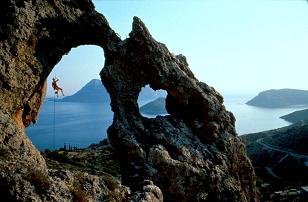
Kalymnos is a world destination for rock climbing, drawing climbers all year round. The island is rocky, the quality of the rock is superb, and most of the cliffs are easy to reach. The first climbing sectors to be equipped, known as Monastery and Austrians, lie about 20 minutes' walk from the village of Panormos, and the rest of the sectors spread across the island within about 1 to 10 kilometres.
Underwater parks
Kalymnos holds the first underwater park in Greece and the first underwater archaeological park in Greece. The caves in the sea and the rocky seabed make the island one of the best places in the country for scuba diving and snorkelling, with kilometres of coastline reserved for diving. Between Kalymnos and Telendos, divers have long brought up ancient amphoras from the sunken city off Potha.
The caves of Kalymnos
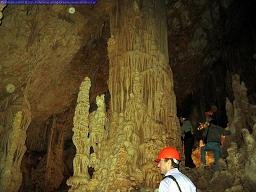
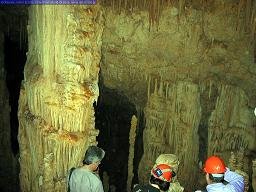
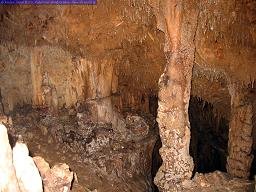
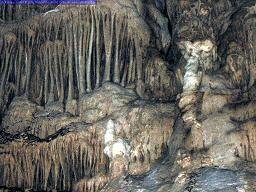
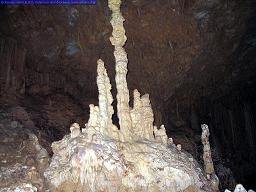
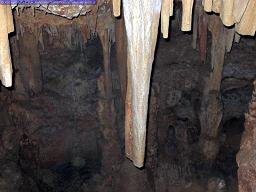
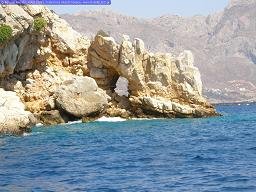
Caves are the great speciality of Kalymnos. The best known is the small Kefala cave in the south, which is on the local excursion programmes and is easy to reach by sea and by land, though it closes in the afternoon for safety. The largest and most beautiful is the Skalia cave, which is easy to reach but hard to enter, with a staircase of about 5 metres down to the first level and another of about 4 metres to the main room, and it should not be visited without someone who knows it and the right gear, but it rewards you with huge stalactites and stalagmites. The Cave of the Seven Virgins and the Cave of Kefalas, with archaeological finds, are free to visit, and the Daskalio caves on the east side near Rina are reached by kaik. A flashlight is essential, as the caves have no lighting.
Chora and the castle
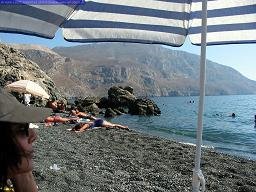
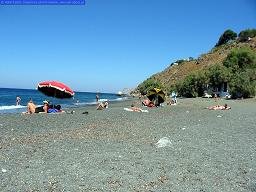
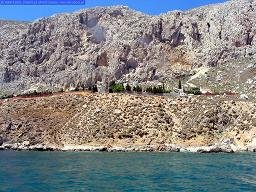


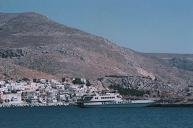
Above Pothia stands Chora, the first capital of Kalymnos, with its recently renovated Big Castle and the archaeological site of the Temple of Apollo. Pothia itself keeps the fortress of Chrysochera and the Nymfs cave on the waterfront. Chora lies about 2 kilometres from Pothia and makes an easy trip up from the port to walk the castle and the old town.
The islet of Telendos
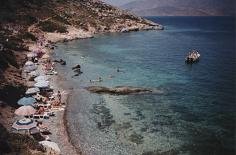

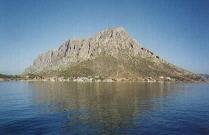

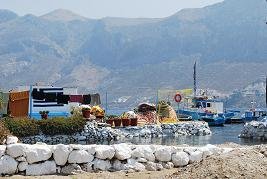


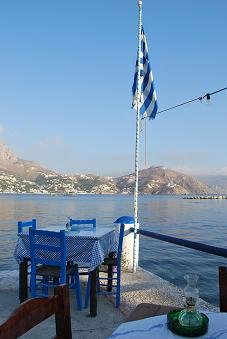
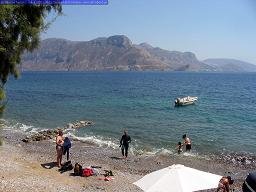
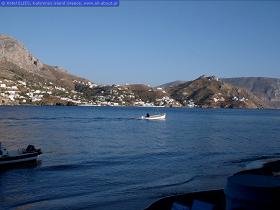
Telendos is a small island directly opposite the village of Myrties, reached by a small boat that runs back and forth across the strait. It was once joined to Kalymnos, but an earthquake in 554 AD split the two and sank the ancient capital into the sea between them. The islet is little more than one great rock with a beach in front, and its hills are scattered with old pottery. Today it keeps a hotel, about ten tavernas, several beaches and a naturist cove, and an old castle stands above. It makes a fine day trip from Myrties, and it suits a few quiet days for anyone who wants real peace.