Lasithi Sights: Spinalonga, Kato Zakros & the Monasteries
The Lasithi region holds the fortress island of Spinalonga, the Minoan palace of Kato Zakros, the fortress-monastery of Toplou and the Panagia Kera frescoes at Kritsa. This guide covers the marquee sights of eastern Crete, from the Bay of Elounda to the far-eastern palaces, the monasteries around Neapoli and Sitia, and the gorges of the south. Hire a car to explore Crete at your own pace, covered in our Crete car hire guide.
- Region
- East Crete
- Fortress island
- Spinalonga
- Minoan palace
- Kato Zakros
- Famous frescoes
- Panagia Kera



Spinalonga
Spinalonga is a small fortress island in the Bay of Elounda, off the north-east coast, and one of the most-visited sights in Crete. Its proper name is Kalidonia, but almost everyone calls it Spinalonga after the neighbouring peninsula. The Venetians built the fortress in 1579, and it held out for 45 years after the Turks took mainland Crete, falling only in 1715. From 1903 to 1957 the island served as a leper colony. Boats reach it in about 5 minutes from Plaka, or on longer trips from Elounda and Agios Nikolaos. Read the full Spinalonga guide.
Kato Zakros Palace
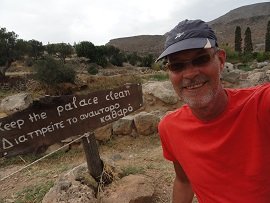
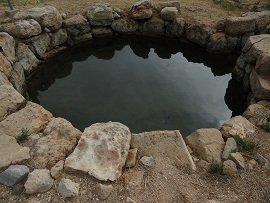
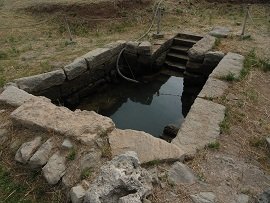
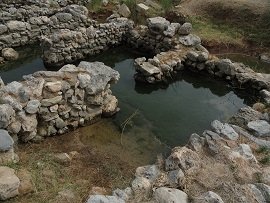
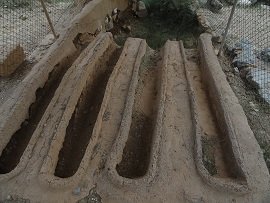
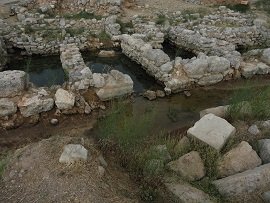
The Minoan palace of Kato Zakros stands at a sheltered bay in the far east of Crete, at the mouth of the Valley of the Dead below Zakros village. It is the fourth largest of the Minoan palaces and was a centre of trade with the East. Built mainly around 1600 BC, it has more than 250 rooms, including a treasury, a kitchen and workshops. It was discovered only in the early 1960s and, unlike other palaces, was found largely unlooted. Cypress trees, mountains and caves ring the site above the beach.
Toplou Monastery
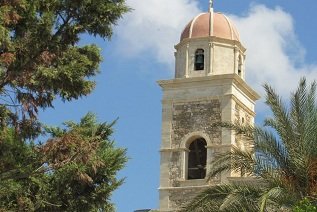
The Monastery of Toplou stands in the bare north-east near Vai and the ancient site of Itanos, 6 km from Palekastro. It dates from the mid-15th century and looks like a fortress, ringed by a 10 m wall with a 33 m bell tower visible from far off. Its Turkish name means “with the cannonball”, after the cannon it used against raiders. The Turks still captured it in 1821 and killed the monks. It is the only surviving monastery in the area near Sitia.
Panagia Kera
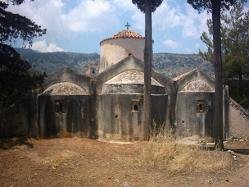
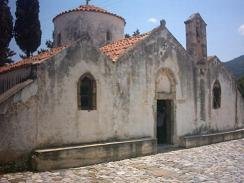
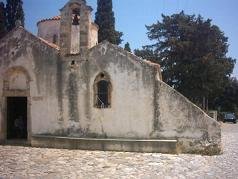
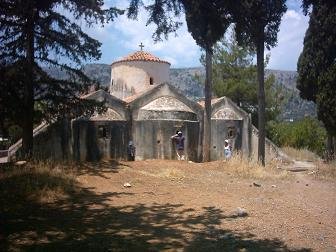
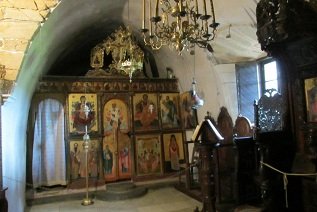
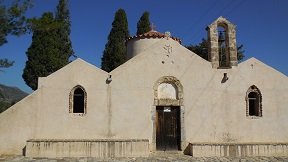
The Byzantine church of Panagia Kera stands 1 km before Kritsa, 8 km from Agios Nikolaos. It holds some of the finest Byzantine frescoes on Crete, painted in the 13th, 14th and 15th centuries. The church is dedicated to the Virgin Mary, Saint Anthony and Saint Anne. For centuries the villagers hid the frescoes from the Turkish occupiers. There is a small entrance fee, and flash photography is not allowed.
Moni Kapsa

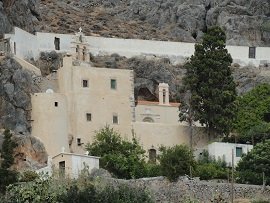


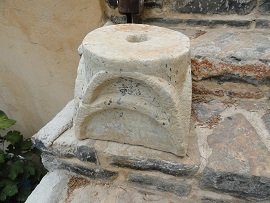
The Moni Kapsa monastery clings to a cliff in the far south-east, beside the village of Kalo Nero near Makrigialos. It is dedicated to John the Baptist and stands at the mouth of the Perivolakia gorge, with beaches below it. Founded in the 15th century, it was destroyed by pirates in 1471 and lay abandoned for centuries. The monk Gerontogiannis rebuilt it from 1861 after a life of reputed healings and miracles. Mosaic floors and columns from antiquity remain, with wide views over the sea.
Selinari

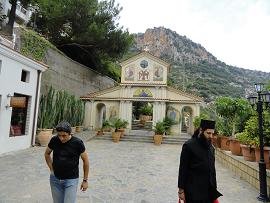

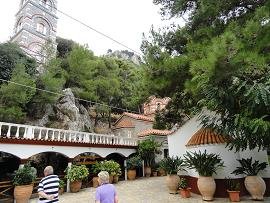
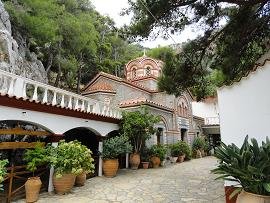
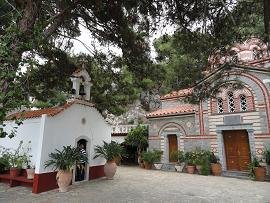
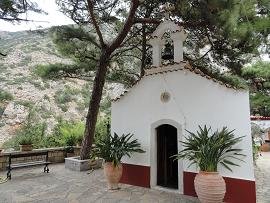

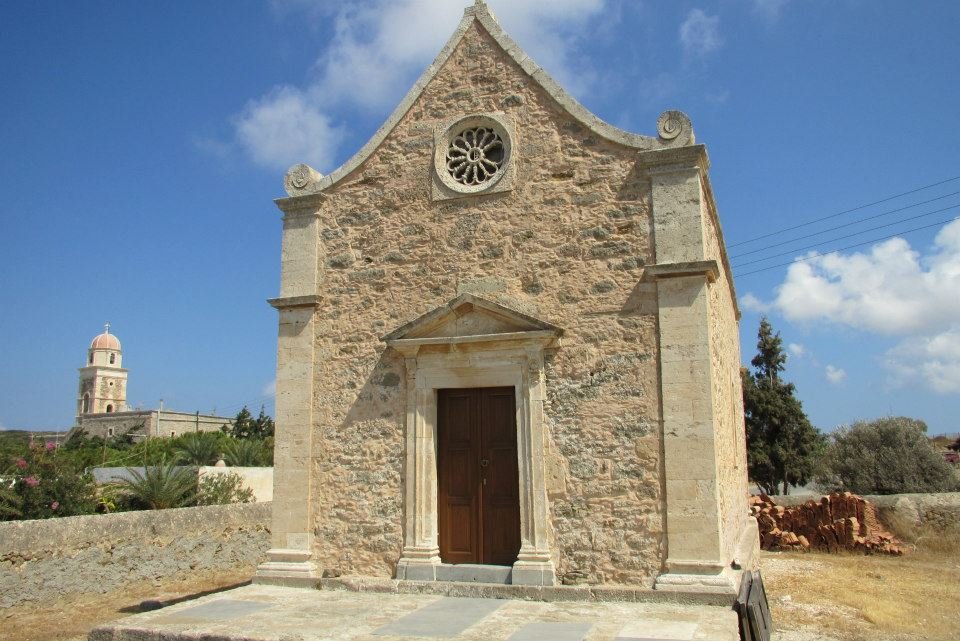
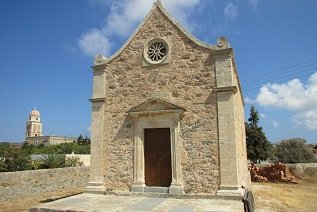
The gorge and monastery of Selinari lie on the national road near Vrahasi, in the west of Lasithi, 21 km from Agios Nikolaos. The Selinari gorge is cut between two mountains and was once home to many kri-kri wild goats. At its side stand a small old chapel and the monastery of Agios Georgios Selinaris. A monastery stood here in Byzantine times until the pirate Barbarossa destroyed it in 1538. The chapel dates from the early 16th century, built on the ruins of a 13th-century church.
Kremasta & Koufi Petra

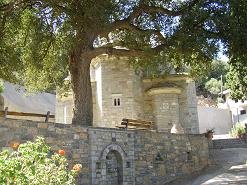
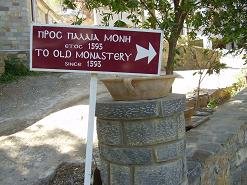
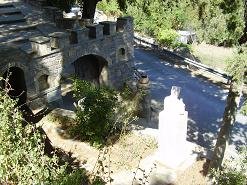
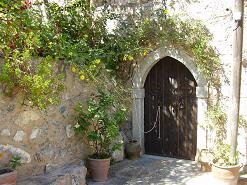
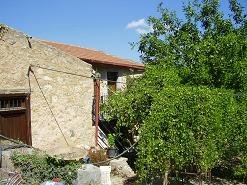
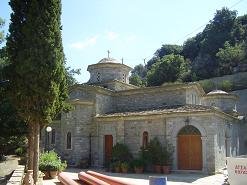
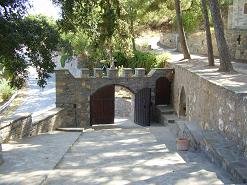
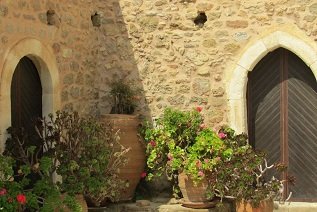
Two monasteries stand near Neapoli, in the hills around the village of Limnes. The monastery of Kremasta dates from the 16th century, with 1593 above its door and its church of 1622 inside the walls. Nearby, the newer monastery of Koufi Petra, reached from the Vrisses to Neapoli road, is known for its friendly welcome. Greek monasteries generally open from morning until early afternoon and again in the late afternoon.
Churches of Psychro
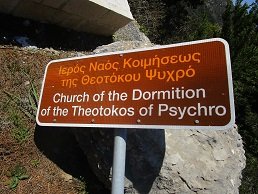
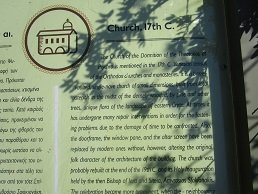
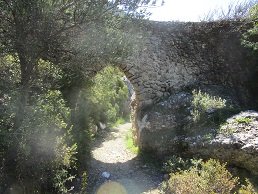
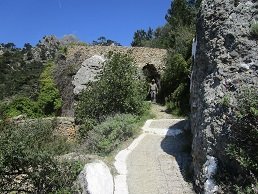


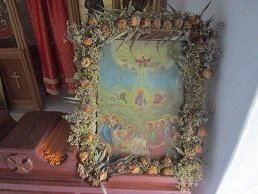
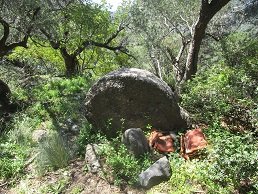
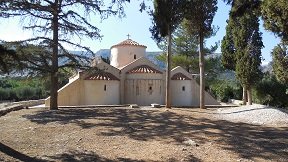
The churches of Psychro stand in a pine forest in the south-east, near Schinokapsala on the road towards Agios Ioannis. The church of the Dormition of the Virgin is reached on a short walk up a path and steps from the road. A little further, near the springs of Psychro that supply water to Ierapetra, stands a 17th-century Venetian church of Saint George. Plane and pine trees, a stream and old watermills fill the valley.
Sarakina Gorge
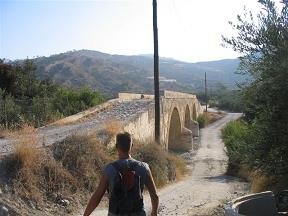
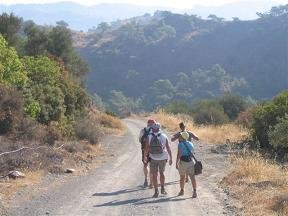
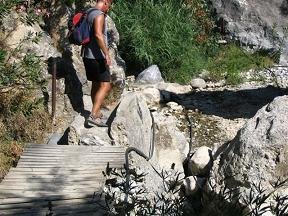
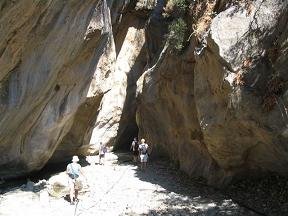
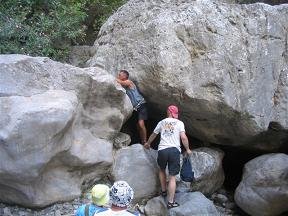
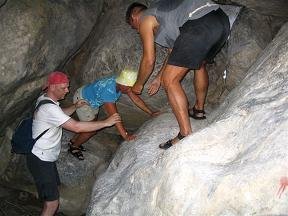
The Sarakina gorge cuts through the mountains in the south-east, above Myrtos near the village of Mithi. The walk through it takes about 4 hours and is demanding, with climbing and several crossings of the stream. Good sandals rather than shoes are best, since you often wade through water. Strong walls of rock rise close on either side. It is a rewarding but strenuous route, and you should carry plenty of water.
Mochlos island
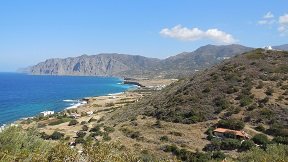
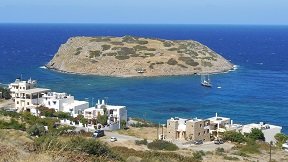
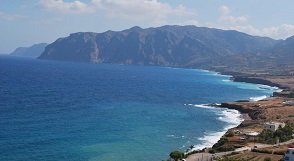


The island of Mochlos lies just off the fishing village of the same name, between Agios Nikolaos and Sitia. It holds extensive Minoan remains, with a settlement in the south and a cemetery and tombs to the west. A small chapel stands opposite it on the shore. In summer a boat sometimes crosses to the island, or to nearby Psira, and some visitors swim across the narrow strait. For the village itself, see the Lasithi villages guide.