Astypalaia, Greece: The Chora, Villages, Beaches & Hotels
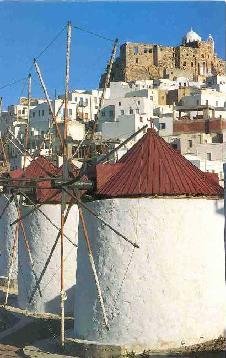
Astypalaia is the most westerly island of the Dodecanese, a butterfly-shaped island of 95 square kilometres with about 1,200 inhabitants, its whitewashed Chora crowned by a Venetian castle and a row of windmills. Officially administered from Kalymnos, Astypalaia looks and feels Cycladic, with white cubic houses, barren hillsides and, on a clear day, both Amorgos and Santorini on the horizon. It is remote and takes some effort to reach by ferry, which has kept it quiet and unspoilt, with no mass tourism and little nightlife.
- Sea
- Aegean · Dodecanese
- Size
- 95 km²
- Population
- ~1,200
- Capital
- Chora
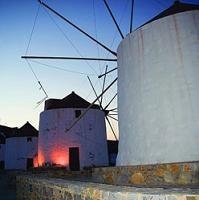
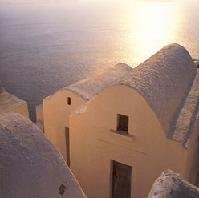
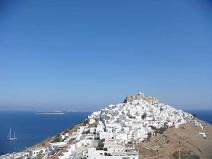
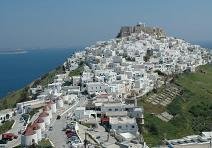
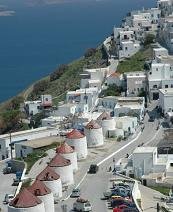
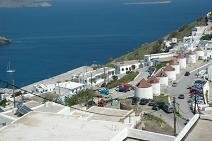
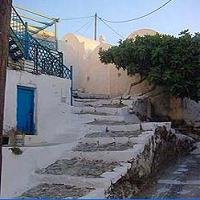
The island of Astypalaia
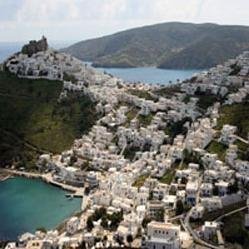
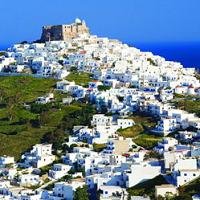
Astypalaia measures 95 square kilometres and holds about 1,200 inhabitants, the most westerly island of the Dodecanese, set between the Dodecanese and the Cyclades and drawing most of its ferries from Amorgos to the north-west. It is butterfly-shaped, pinched to a narrow waist near the Chora and spreading into two rugged wings, with barren, dry hillsides and white cubic houses. Officially it is administered from Kalymnos, but in look and feel it belongs to the Cyclades. Because it is relatively remote and served by fewer ferries, it has stayed quiet and authentically Greek, with reasonable beaches, peace and little nightlife, so it keeps the party crowd at a distance and rewards travellers who want calm.
The Chora and the villages
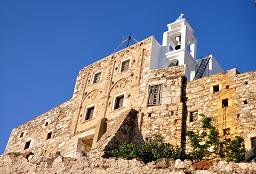
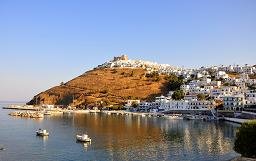
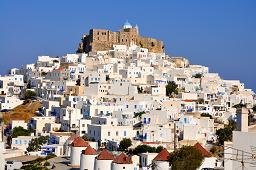
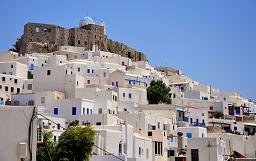
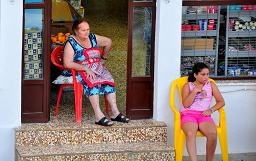

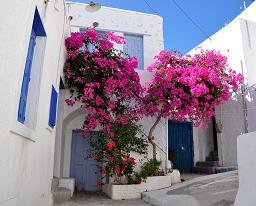
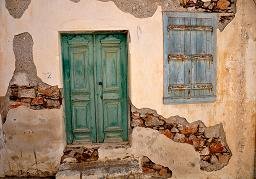

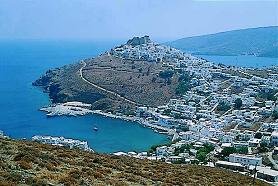
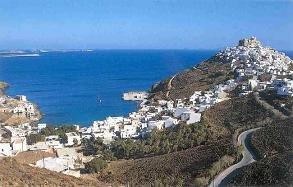
The only settlement of any size is the Chora with its port of Pera Gialos (Skala), a picturesque town of white houses climbing to the castle. Beyond it, Livadi holds the best beach over the hill, while Analipsi (Maltezana) to the east has the airport and a fertile valley, Agios Andreas on the north is the new ferry port, and Vathi is an isolated fishing hamlet in the north-east.
Chora and Pera Gialos
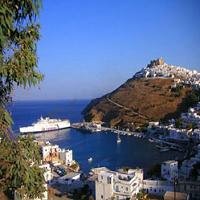
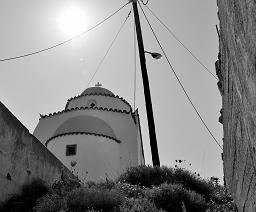
The Chora is the capital, a very attractive, amphitheatrically built town of old whitewashed houses, many staircases and a row of old windmills, crowned by the Kastro with its white church, from where the views over the sea and the surrounding islets are splendid. Below it lies its port, Pera Gialos (Pera Yalos), the two connected by stairs and hard to tell apart, with the blue-domed church of Agios Nikolaos on the hillside. Most of the island's facilities gather here: tavernas, mini-markets, an ATM, an Archaeological Museum with finds from prehistoric to medieval times, and a small town beach. Buses run from the Chora square and the port to Livadi and to Maltezana.
Livadi
Livadi (sometimes Livadia) lies 3 kilometres from the Chora, just over the hill from Pera Gialos, and holds the best beach on the island. It is backed by a fertile valley of citrus orchards, vines and gardens where vegetables were grown in ancient times, and it is the main tourist centre, with shops, a mini-market, restaurants and a range of accommodation. The long organised beach of sand and small pebbles has parasols and sunbeds for rent, and quieter coves lie within walking distance to the south.
Analipsi (Maltezana)
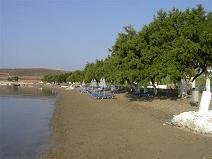
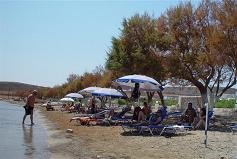
Analipsi, also called Maltezana, sits in the Bay of Maltezana about 9 kilometres east of the Chora and is the second base on the island. It is a village of Cycladic white cubic houses with coloured balconies and small churches, in a fertile valley called Mesa Nisi, with the island's small domestic airport nearby, a long sandy beach shaded by tamarisk trees, and the Hellenistic Tallaras baths with their mosaics. It is said to be named after Maltese pirates who once sheltered in the bay.
Agios Andreas
Agios Andreas, a former fishing village on the north coast, is now the site of the new port where the large ferries to the rest of the Dodecanese and to Piraeus call. Moving the ferries here from Pera Gialos has left the old harbour cleaner. The village takes its name from a small church on a cliff, and a sandy beach lies just west of it down a dirt track.
Vathi
Vathi is a tiny fishing hamlet in an enclosed bay in the north-east, 21 kilometres from the Chora, where the mouth to the sea is only about 50 metres wide, giving it the look of a lagoon. It is one of the most isolated corners of Astypalaia, with a shallow pebble beach, a few buildings, some tavernas and rooms to rent. In the past, when the wind was too strong at Pera Gialos, the ferries would dock here.
The beaches of Astypalaia
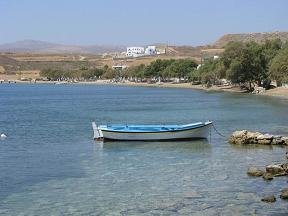
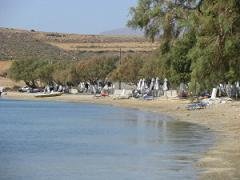
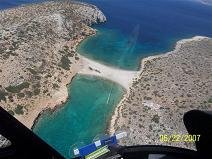
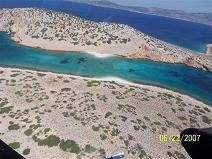
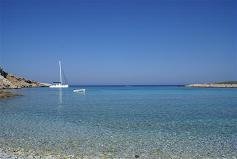
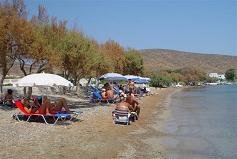
Astypalaia has plenty of beaches, and because the island is so quiet many of them suit naturists. Livadi, over the hill from Pera Gialos, is the best and most popular, a long organised beach of sand and small pebbles; south of it a footpath reaches the quieter coves of Agios Vasilios, Tzanaki and the naturist beaches beyond. To the east, Maltezana (Analipsi) has a long sandy beach under tamarisk trees, with boats out to islets such as Koutsomyti and Kounoupi. Agios Konstantinos, 7 kilometres from the Chora, is a long sandy beach half for naturists, while Vatses and Kaminakia in the south-west and Vathi, Psili Ammos, Pachia Ammos and Panormos in the north are remote coves reached by dirt track or boat. The full run is on the Astypalaia beaches guide.
Sights of Astypalaia
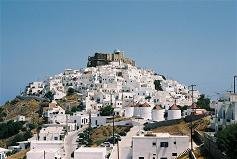
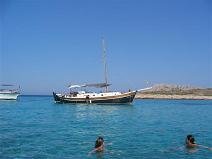
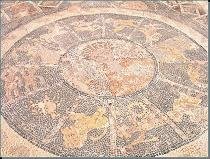

The marquee sight is the Kastro, the Venetian castle above the Chora, built on an ancient acropolis over a 9th-century Byzantine stronghold and expanded by the Venetians, who ruled the island from 1207 to 1522; the 1956 earthquake brought down much of it, leaving the 14th-century churches of Panagia Portaitissa and Agios Georgios inside. At Analipsi (Maltezana) the Hellenistic Tallaras baths keep floor mosaics of the constellations and the seasons, and an Archaeological Museum in Pera Gialos gathers finds from prehistoric to medieval times. A two-hour walk west from the windmills of the Chora reaches the Agios Ioannis monastery with its waterfall. These are set out on the Astypalaia sights guide.
Where to stay
Accommodation on Astypalaia concentrates in and below the Chora at Pera Gialos, at Livadi beach and around Maltezana (Analipsi), with only a handful of places elsewhere. The Chora and Pera Gialos keep you by the castle, the museum and the harbour tavernas; Livadi puts you on the best beach in the main tourist centre; and Maltezana suits a quieter beach base near the airport. Hotels, studios and villas are compared on the Astypalaia hotels & villas guide.
Where to eat
Astypalaia serves its food along the harbour and the beaches. The waterfront tavernas and mini-markets of Pera Gialos are the busiest, the beach of Livadi keeps tavernas and cafes among the citrus gardens, family kitchens fill the lanes of the Chora, and Maltezana (Analipsi) has a few seaside tavernas by its sandy bay. Where to eat, by area, is on the Astypalaia restaurants guide.
Getting to Astypalaia
Astypalaia is reached by ferry, and the easiest way is to fly to Santorini, which has an international airport, and take the boat on from there, the route running Santorini – Amorgos (Katapola and Aegiali) – Iraklia – Schinoussa – Koufonissi – Donoussa – Astypalaia. You can also sail from Piraeus on the mainland, but it is a long crossing. The large ferries now call at the new port of Agios Andreas on the north coast, while the island's small domestic airport at Analipsi (Maltezana) takes one or two flights a day. Schedules change from year to year, so check close to your travel date.