Sithonia Sights: Porto Koufo, Ancient Toroni & Diaporos
The main sights of Sithonia are Porto Koufo, the largest natural harbour in Greece, the ruins of ancient Toroni with its Lecythus castle, and the nine islands of Vourvourou led by Diaporos. Behind them lie the ancient city of Olynthus on the northern approach, the Byzantine church at Ormos Panagias, and the wide views of Mount Athos from the east coast, with excursion boats sailing to the monasteries from Ormos Panagias and Sarti.
- Largest harbour
- Porto Koufo
- Ancient city
- Toroni, 8th c BC
- Nature reserve
- Diaporos
- Museum
- Olynthus
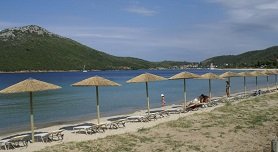
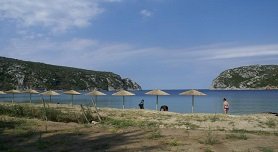
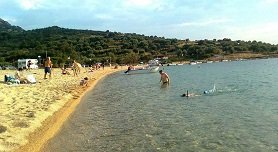
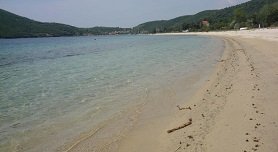
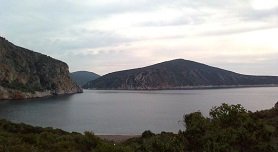
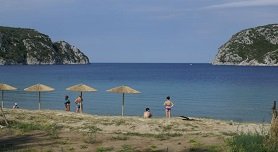
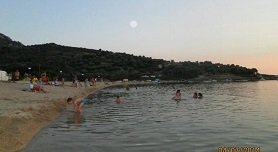
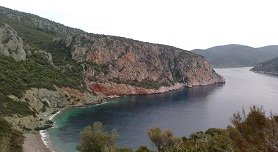
Porto Koufo, the natural harbour
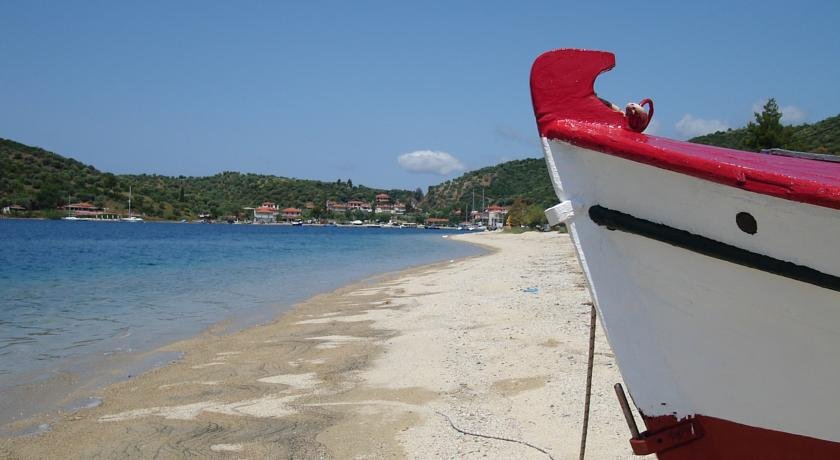
Porto Koufo, in the south-west of Sithonia, is the deepest and largest natural harbour in Greece, a bay so well hidden behind its headlands that the entrance is hard to see from the sea, which is why a lighthouse now stands on each side. In World War II the Germans used it as a submarine base, and a few of their fortifications are still visible. It was the harbour of ancient Toroni, which called it the "Deaf Harbour" because the bay is so sheltered you cannot hear the sea. Several caves lie nearby, and an old wreck rests at about 20 metres offshore. Today yachts and fishing boats fill the water, with tavernas and small hotels around it.
Ancient Toroni & Lecythus castle
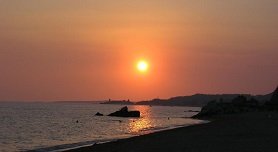
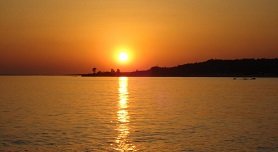
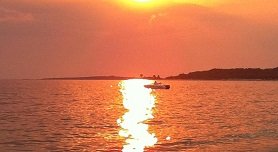
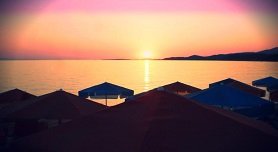
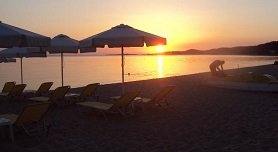
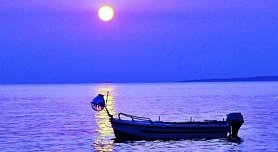
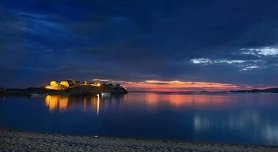
Toroni was founded in the 8th century BC by settlers from Chalkida on Evia, and its strategic position and rich resources made it one of the most important and wealthy cities in the area, once ruling 30 smaller towns. On a headland just outside the modern village stand the ruins of ancient Toroni with the Lecythus castle, an acropolis and the remains of the ancient city. Much of the old town has sunk into the sea, and a 60-metre stretch of ancient seawall has been found underwater; pottery shards still lie along the shore. Set back from the coast stands the 5th-century church of Agios Athanasios, with a separate bell tower.
Diaporos & the islands of Vourvourou
Nine islands lie in the sea in front of Vourvourou on the north-east coast, giving the bay the look of a calm lake. The largest, Diaporos, sits about 200 metres offshore; you can rent a boat in the village to reach it and explore its isolated beaches, such as the tropical Galazia Nera. Apart from one plot cleared for building, Diaporos is a protected nature reserve. Off Neos Marmaras on the west coast lie two more islets, the steep, pine-covered Kefylos, sometimes called Turtle Island, and the Spalathronisia group.
Ancient Olynthus
Olynthus is an ancient site on two hills north-west of Gerakini and Psakoudia, dating to the 7th century BC. In 432 BC King Perdiccas II of Macedon merged several Halkidiki towns into Olynthus to form a strong, defensible capital, and it grew into a major military power, which led to a three-year war with Sparta from 382 BC. When Olynthus later opposed Philip II of Macedonia, he besieged and completely destroyed the city in 348 BC, and it never recovered. The sudden destruction preserved many objects, now shown in the Archaeological Museum of Olynthus; the site lies just north-east of the modern village of Olynthos and is reached by your own transport.
Mount Athos views & the boats
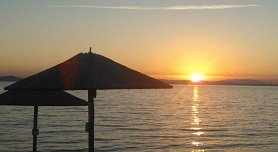
The east coast of Sithonia looks straight across to the Athos peninsula, the monastic republic on the third finger of Halkidiki, and Sarti, Toroni and Pyrgadikia all keep a clear view of it. Excursion boats sail around Athos from the harbour of Ormos Panagias, leaving in the morning, and also from Sarti, giving a good view of some of the monasteries from the sea. The mountains themselves are best seen at sunset from the beaches of the east and south-west coasts.
Ormos Panagias & Stageira
The harbour of Ormos Panagias grew up around an old Byzantine church, restored in 1970, whose name means the harbour of the Virgin Mary. On the northern approach, near the fishing village of Pyrgadikia, the ancient town of Stageira, birthplace of the philosopher Aristotle, keeps archaeological remains, and Byzantine walls once cut the Pyrgadikia headland off from the rest of the mainland. Sikia, inland in the south, is one of the oldest towns in Halkidiki, with the remains of a fortification south of Sarti towards Sykia.