
Sifnos Sights: Kastro, Monasteries, Pottery & Cuisine
The main sights of Sifnos are the car-free old capital of Kastro, the Chrisopigi and Panagia tis Vrissis monasteries and the Mycenaean acropolis of Agios Andreas, alongside a living tradition of pottery and cooking. Dozens of Hellenistic watchtowers, hundreds of chapels and the potters' workshops of Kamares round out an island that rewards a few days of exploring on foot and by bus. For the villages and beaches, see the Sifnos guide. Hire a car to explore Sifnos at your own pace, covered in our Sifnos car hire guide.

- Old capital
- Kastro
- Chief monastery
- Chrisopigi
- Oldest site
- Agios Andreas
- Famous craft
- Pottery






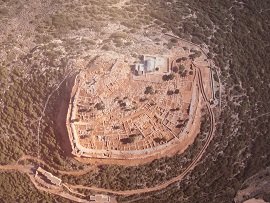

Kastro, the old capital
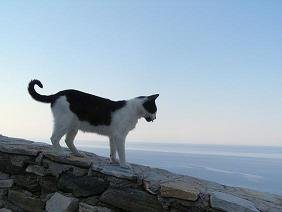
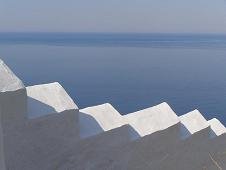
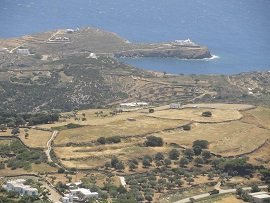
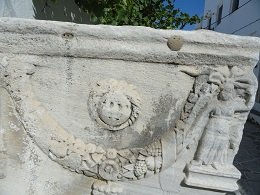
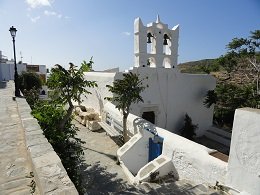
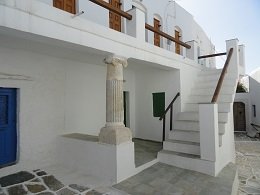
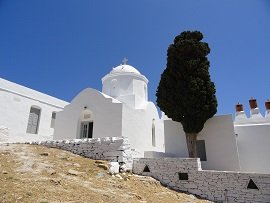
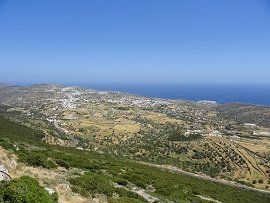
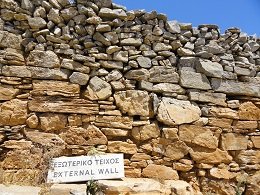
Kastro is the former capital and the prettiest village on Sifnos, on the more isolated east coast about 5 kilometres from Apollonia. It has been inhabited for over 3,000 years and is car-free, so you explore it on foot. A stretch of the old city wall still stands, ancient sarcophagi are built into the walls of the houses, and the village holds an Archaeological Museum and many small churches, with wide views over the Aegean from the edge of the cliff.
Chrisopigi Monastery
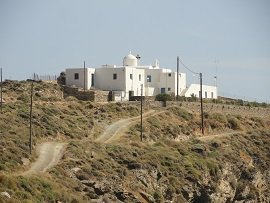
The Chrisopigi Monastery is the most important sight on Sifnos, set on a small islet joined to the land by a short road, west of the village of Faros. It dates from 1650 and stands beside a fine sandy beach, and the islanders regard it as the protector of the island. Its whitewashed walls and the rock it sits on make it one of the most photographed spots in the Cyclades.
Panagia tis Vrissis
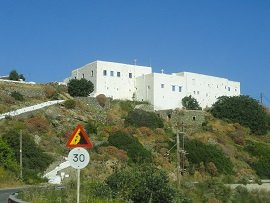
The Monastery of Panagia tis Vrissis stands at Exabela, a few kilometres south of Kastro. It was built in the 17th century and holds old frescoes and icons, a quiet stop on the road between the villages and the south-coast beaches.
Agios Andreas acropolis
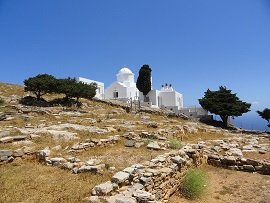
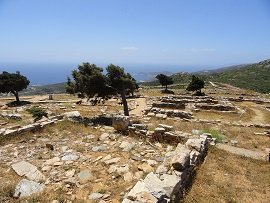
The Mycenaean acropolis of Agios Andreas sits on a hill on the route from Apollonia to Vathi and dates from the 13th century BC. You can reach it in about half an hour on foot or by car. It has a small museum and the church of Agios Andreas from 1701, and the hilltop gives superb views over the island.
Artemonas and the Kohi church
The Venetian village of Artemonas, almost joined to the capital Apollonia, is worth seeing for its neoclassical mansions, its gardens and its churches. Its Kohi church was built on the site of an older temple of Artemis, and old windmills line the ridge above the village.
Sifnos pottery
Sifnos is one of the great pottery islands of Greece. In legend the islanders turned to making pottery after their gold and silver mines were lost, and the craft has continued ever since. The island's clay feeds the workshops of Kamares and the villages, where potters still throw plates, bowls and the tall clay pots used in the local kitchen; several of these potteries stand along the waterfront at Kamares, close to the tavernas and shops.
Sifnian cuisine
Sifnos has a cooking tradition out of proportion to its size. The island gave Greece Nikolaos Tselementes, the early-20th-century cook whose recipe book became so well known that his surname is still the everyday Greek word for a cookbook. Sifnian kitchens are known above all for two clay-pot dishes: revithada, chickpeas slow-baked overnight in the wood oven, traditionally eaten on Sunday, and mastelo, lamb or goat baked in a clay pot, a dish of Easter. The same local pots that hold these dishes are made in the island's potteries, so the food and the craft belong together. To eat these dishes in a taverna, see the Sifnos restaurants guide.