Heraklion Beaches: The Best of Central Crete
The Heraklion region holds the beaches of central Crete, from the sheltered north-coast bays around Agia Pelagia to the resort sands east of the capital and the wild south-coast coves of the Messara. This guide runs west to east along the north coast, from Agia Pelagia, Lygaria and Ammoudara to Gouves, Chersonissos and Analipsi, then crosses the island to the southern beaches of Matala, Tsoutsouros and Lendas. Hire a car to explore Crete at your own pace, covered in our Crete car hire guide.
- Region
- Central Crete
- Capital
- Heraklion
- North coast
- Agia Pelagia, Gouves
- South coast
- Matala, Lendas
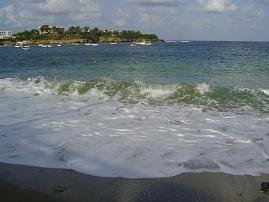
Agia Pelagia
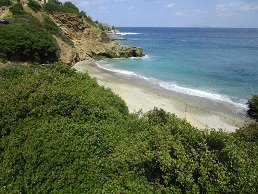
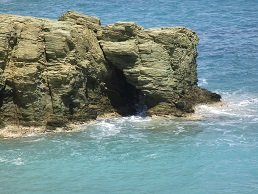
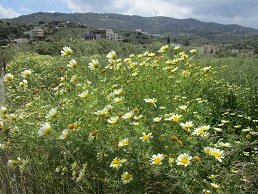
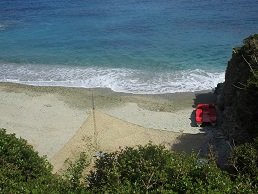
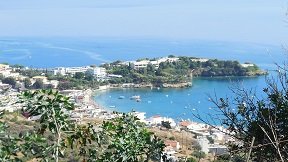
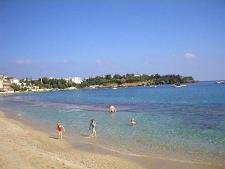
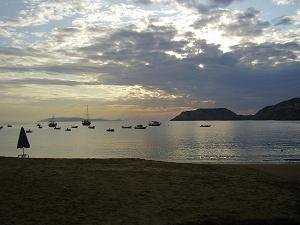
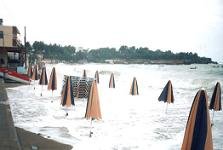
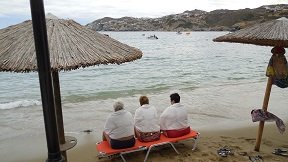
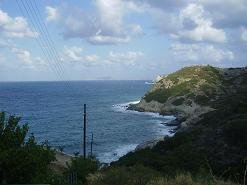
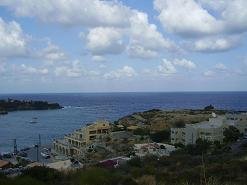
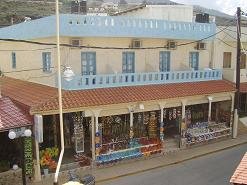
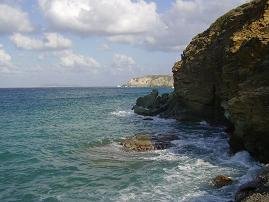
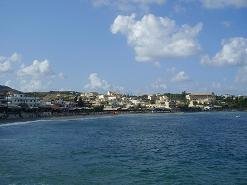
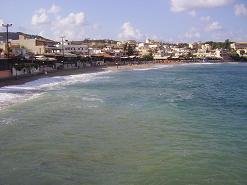
Agia Pelagia is a sheltered bay 22 km north-west of Heraklion, set 4 km off the main road. It stands on the site of the ancient Greek city of Apollonia, and its name comes from a monastery 1 km west of the bay. The resort is really a cluster of small villages and beaches, and the main beach is the most eastern one. A short boulevard behind that beach holds restaurants, cocktail bars and a supermarket. The bay looks green and pretty, with traditional wooden caiques on the water and rocks rising from the sea. Several roads drop from the National Highway into the village, and signs are few, so the approach can confuse first-time visitors. Since 2019 the main beach fills with umbrellas and sunbeds in summer.
Lygaria
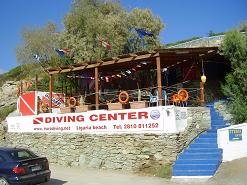
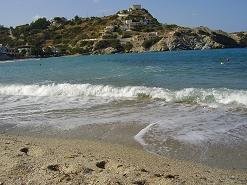
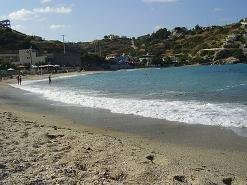
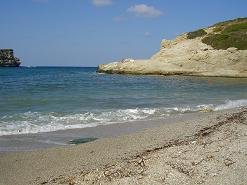
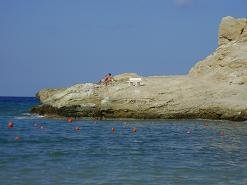
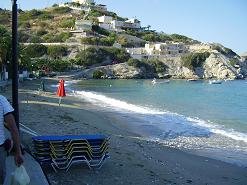

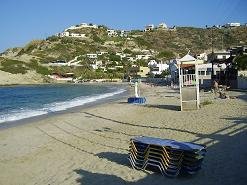
Lygaria is a sandy beach in a small bay near Agia Pelagia, reached on the Heraklion - Gazi - Lygaria route. The drive from Heraklion takes about 30 minutes, and the beach lies a 20 to 30 minute walk from Agia Pelagia. The sand shelves gently into the sea, though a smooth flat rock breaks the surface over part of the beach. A few tavernas, a cafe and a supermarket sit behind the sand. The village itself is little more than the beach and a handful of houses, with a complex of luxury apartments added in recent years. For a wider choice of tavernas, walk or drive the lit road to Agia Pelagia.
Pantanassa
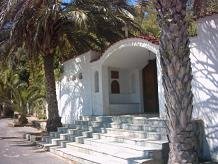
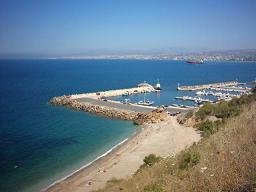
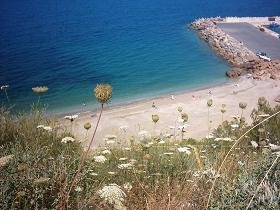
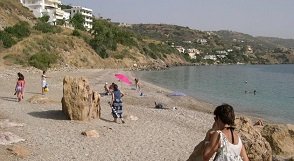
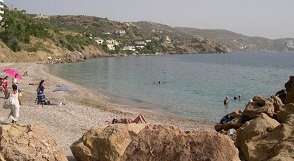

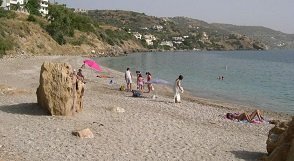
Pantanassa is a quiet, hidden beach about 12 km west of Heraklion on the road to Agia Pelagia. Both the beach and the small village take their name from the Pantanassa monastery beside the highway, a nunnery built around 1950 and dedicated to the Virgin Mary. A large harbour full of fishing boats sits beside the village, and from it you look across to Heraklion in the distance. The beach lies hidden from the road on the far side of the harbour, so few tourists find it. Cretans use it most. A couple of tavernas by the harbour serve food and drink.
Ammoudara
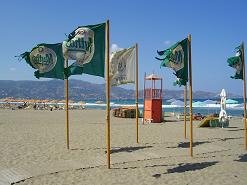
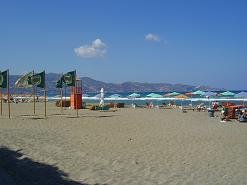
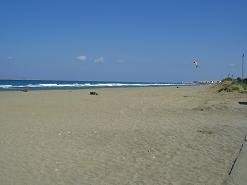
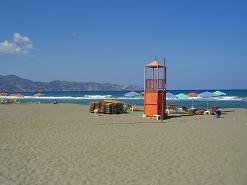
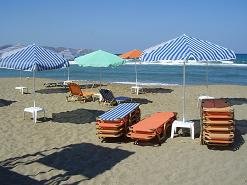
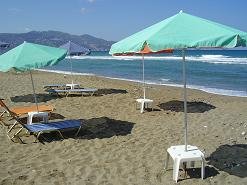
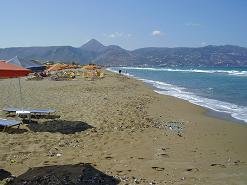
Ammoudara is a sandy beach 5 km long just west of Heraklion town. It draws both visitors and Heraklion residents, and the centre of the city lies about 4 km away. Sunbeds and parasols are for rent, water sports run in summer, and tavernas line the sand for a drink or a meal. The village behind the beach holds plenty of shops and some nightlife. This is the Ammoudara of Heraklion, not the beach of the same name near Agios Nikolaos in eastern Crete.
Gouves
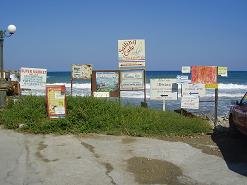
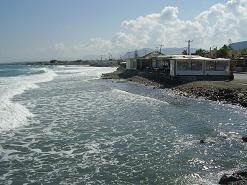
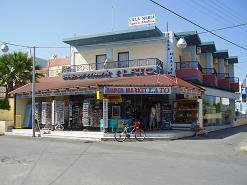
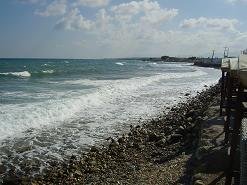
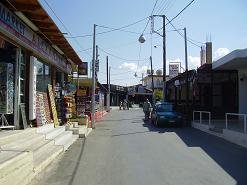
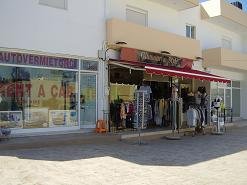
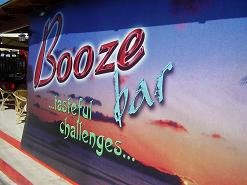
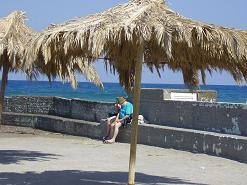
Gouves is a resort area on the north coast, 18 km east of Heraklion between Gournes and Analipsi. It is really several villages: Kato Gouves down by the sea and the older Pano Gouves higher up. Most visitors mean Kato Gouves, which was built for tourism. A boulevard a few miles long runs behind the shore and passes several organised sandy beaches. Shops, tavernas, bars, supermarkets, a pharmacy and a medical clinic serve the resort. The village is reached from the Old National Road or the signed Gouves exit off the New National Road.
Chersonissos
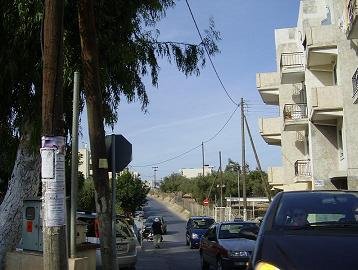
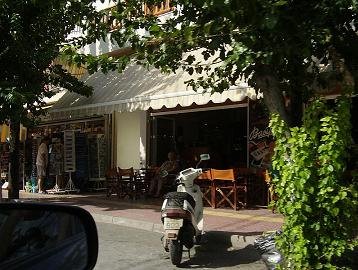
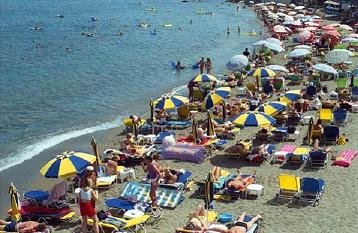

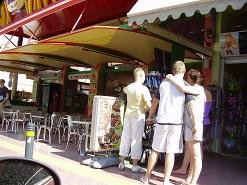
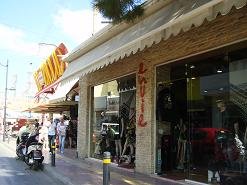
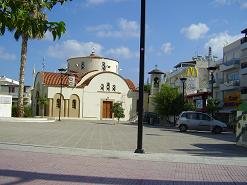
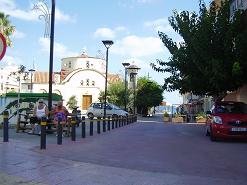
Chersonissos is a lively north-coast resort east of Heraklion and, with Malia, the party centre of Crete. A wide choice of restaurants, bars and clubs draws visitors who come to party at night and rest by the pool or on the beach by day. The town beach is small and busy, and the resort spreads in a mix of modern buildings, souvenir shops and tavernas. Renting a car and driving inland reaches quieter, more traditional parts of the island.
Anissaras

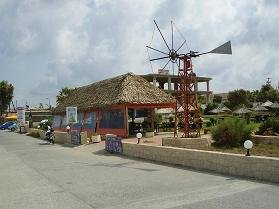
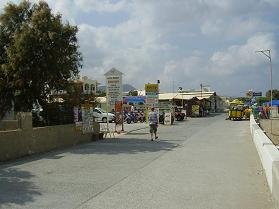
Anissaras is a resort village on the north coast of Heraklion, between Chersonissos and Analipsi. It was built for tourism, and holds mainly hotels, shops and car rentals rather than old stone houses or churches. The sandy beach is good, with parasols and sunbeds for rent, and one end sits below a large hotel. It suits a beach-and-swimming holiday rather than a search for traditional character.
Analipsi
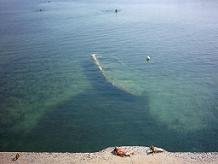
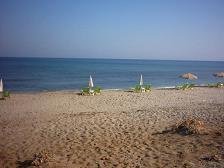
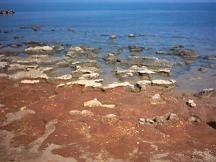
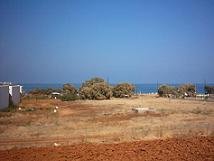
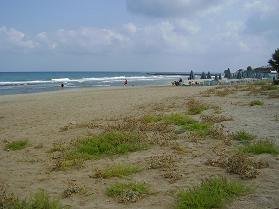
Analipsi is a quieter north-coast beach village next to Chersonissos, yet much calmer than its neighbour. It has three beaches, two small and one large, not fully covered with sunbeds, with some rocks in the sea in places. A few tavernas and a supermarket stand on the seafront and more sit down in the village. The people are friendly and planes pass in the distance on the approach to Heraklion airport. It is one of the author's favourite places to begin a holiday.
Matala

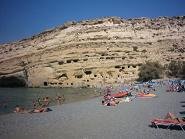
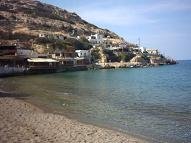
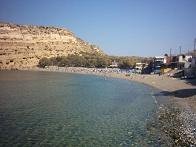
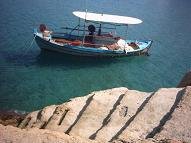
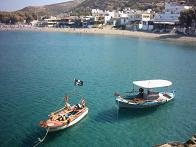
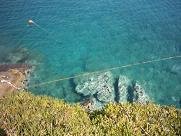

Matala is a sandy south-coast beach 71 km from Heraklion, reached on the Heraklion - Agia Varvara - Agii Deka - Mires - Matala road. The town is large, busy and touristic, with hotels, apartments, a campsite, restaurants and shops. It began as the harbour of Phaistos in Minoan and Greek times, and became the harbour of Gortyn after 220 BC. Matala is famous for the man-made caves carved into the sandstone cliff beside the beach. The archaeological sites of Phaistos, Agia Triada and Gortyn all lie within easy reach, and the beautiful Kommos beach is nearby.
Tsoutsouros
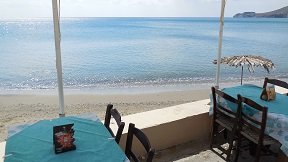
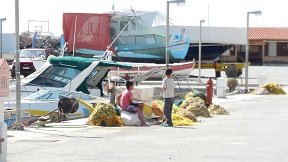
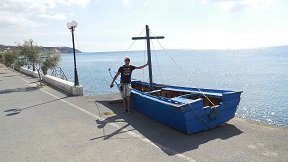
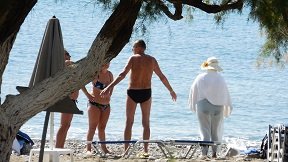
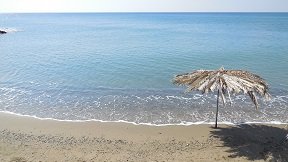
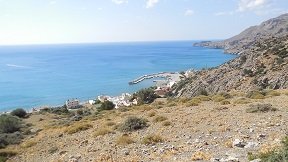
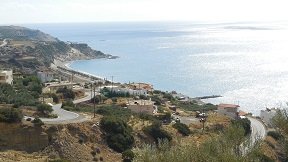
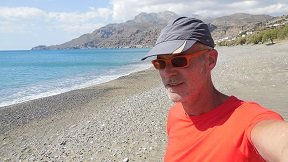
Tsoutsouros is a small village on the south coast, 65 km from Heraklion. It is reached on the Heraklion - Peza - Arkalochori - Skinias - Kato Kastelliana route, or from the west through Ano Vianos and the coast road past Keratokampos and the fishing village of Kastri. The village is built on the ruins of the ancient city of Inatos, the former harbour of Priansos. Little of the ancient site is now visible, and finds from a nearby cave are shown in the Archaeological Museum in Heraklion. It is one of the author's favourite quiet south-coast spots.
Lendas
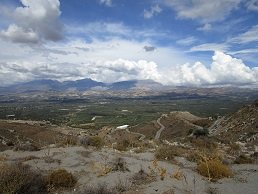
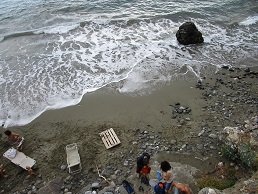
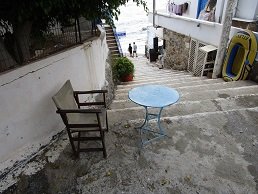

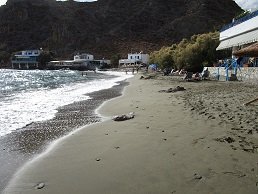


Lendas is a small coastal village 73 km south-east of Heraklion, reached via the exit at Agii Deka. The name comes from the Greek word for lion, because the peninsula looks lion-shaped from above. It is an ancient Greek and Roman site with Byzantine churches and excavations to visit. The village is full of flowers and has plenty of tavernas and a supermarket. The small town beach lies in the village, and 15 minutes east stands a large, quiet naturist beach beside the pebble beach of Petrakis.