Heraklion Villages: Wine Country & the Messara Plain
The Heraklion region holds the wine villages south of the capital, the orange-grove village of Fodele, the mountain village of Zaros, and the market towns of the Messara Plain. This guide runs from Archanes, Katalagari and Kounavi in the wine country near Knossos, west to Fodele and Zaros, then south to Mires, Agii Deka and Agia Varvara on the Messara Plain. Hire a car to explore Crete at your own pace, covered in our Crete car hire guide.
- Region
- Central Crete
- Wine village
- Archanes
- El Greco
- Fodele
- Messara town
- Mires


Archanes
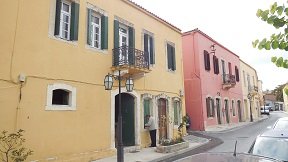
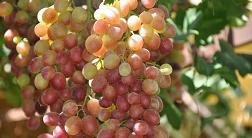
Archanes is a large village of about 4,500 people, 14 km south of Heraklion and 5 km from Knossos. It is mainly farming country, and much of the wine of Crete is produced here. The village has two parts, Kato Archanes and the larger, higher Epano Archanes, surrounded by olive groves and vineyards. Restored neoclassical houses fill the streets, and the village won an award as the second best-restored village in Europe. The Byzantine Panagia church holds a collection of fine icons, and the village keeps an Archaeological Museum, free to enter, that shows Minoan pottery and finds from the cemeteries of Fourni and Anemospolia. A bus runs to Heraklion at least hourly on weekdays.
Katalagari
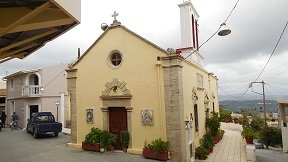
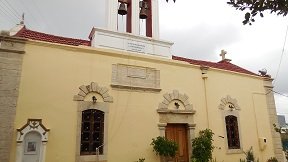
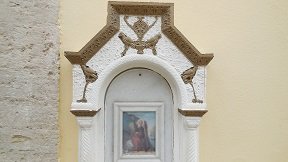
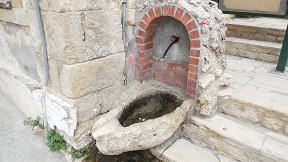
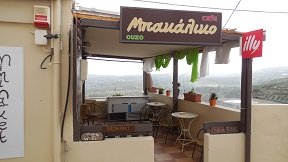
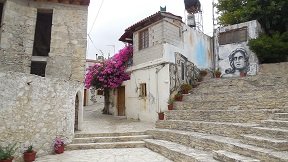
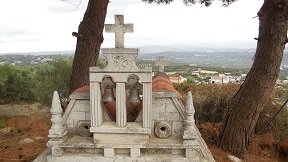
Katalagari is a small traditional village 17 km south-east of Heraklion, just below Archanes near the Dikti mountains and the Peza valley. About 300 people live here, mostly from livestock, farming and wine. Tourism is light, and the village has a few mini-markets, kafenions and tavernas. Larger Archanes, with banks, pharmacies, shops and supermarkets, lies a short distance away.
Kounavi
Kounavi is a village of about 900 people 15 km south of Heraklion, just above Archanes on the Heraklion - Knossos - Kounavi road. It holds several Byzantine churches, the best known being the church of the Metamorphosis of Sotiras. That blue-domed church has three aisles and five domes in the shape of a cross, with the central dome raised higher than the rest. Local tradition says five unmarried sisters built it, each raising one dome. The church sits a little outside the village centre, and finding it may need directions from locals.
Fodele

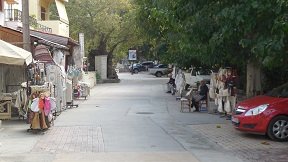
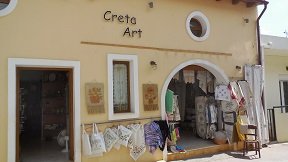

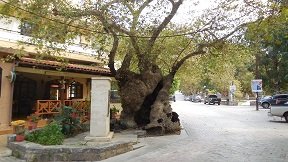
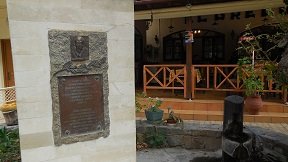
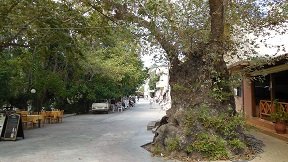

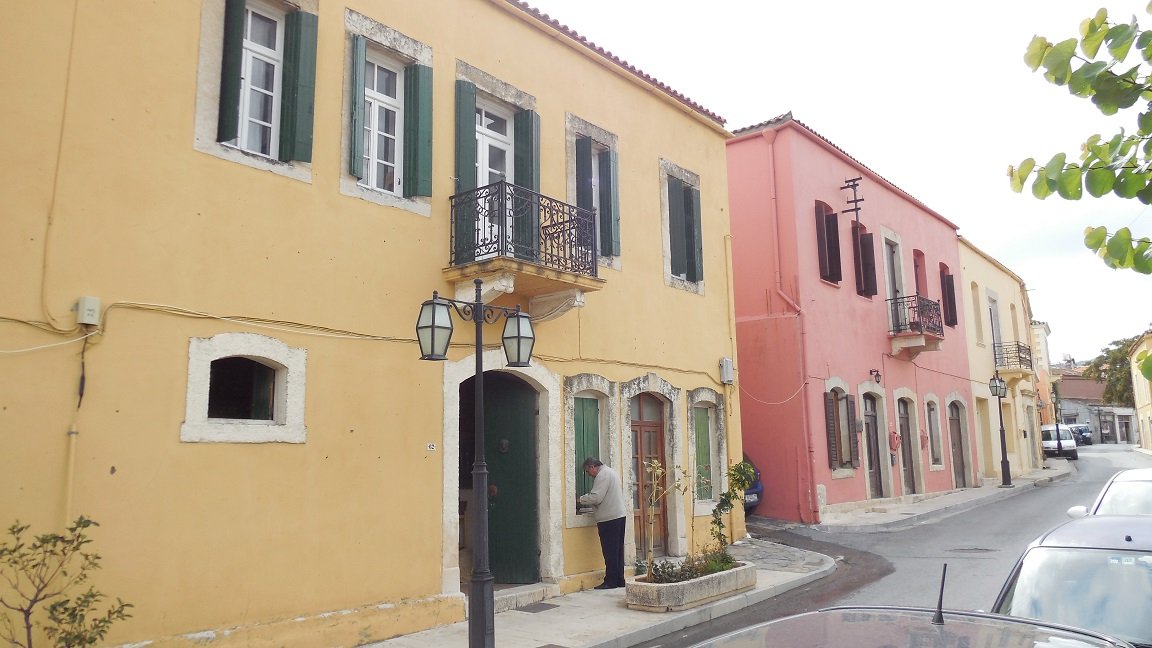
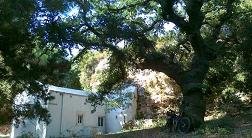
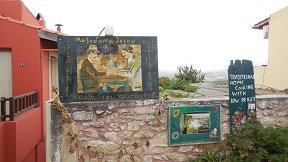
Fodele is a village 20 km west of Heraklion, surrounded by orange and lemon groves. It holds a bakery, mini-markets, a pharmacy, tavernas, souvenir shops and small churches, and keeps a relaxed feel under the plane trees along the river. It is the reputed birthplace of the painter El Greco, though some hold that he was born in Heraklion. A stone monument from Toledo, presented in 1934, stands next to a thousand-year-old tree, and the house where El Greco is said to have been born is now a small museum. The beach of Fodele lies 2 km from the village.
Zaros
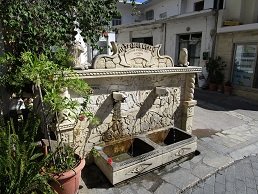
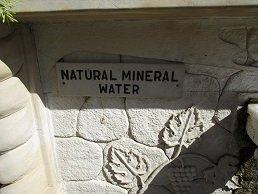
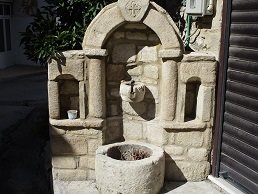
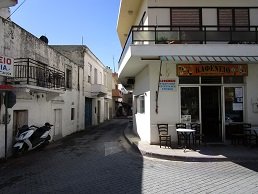
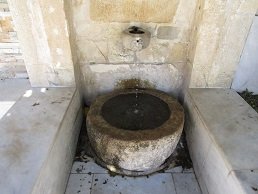
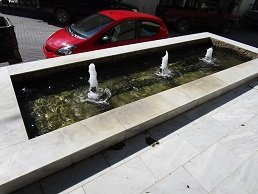
Zaros is a picturesque village 45 km south-west of Heraklion, on the plain below the Psiloritis mountain. It is reached on the road from Agia Varvara or from the town of Mires to the south. The village is large and lively, with restaurants, mini-markets, shops and a petrol station. It is famous for its spring water, and the bottled Zaros mineral water comes from here. Lake Zaros lies just outside the village at the mouth of a gorge, and a local vivarium raises fresh trout. The deep green-blue lake sits among the mountains, and you can walk to it or drive.
Mires
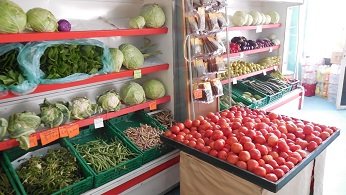
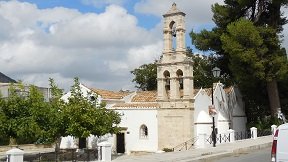
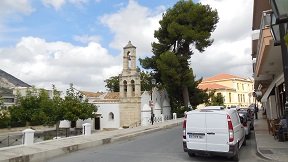
Mires, also spelled Moires, is a busy commercial town of about 6,500 people in the centre of the Messara Plain, 53 km south of Heraklion. It is the largest town in the area and stands on the Heraklion - Agia Varvara - Agii Deka - Mires road. The large Agios Georgios church rises beside the main road. Mires is a crossroads for the south of Crete, with regular buses to the beaches of Matala and Lendas and links to Agia Galini, Rethymno, Zaros and Kamares. It also serves the archaeological sites of the Messara.
Agii Deka
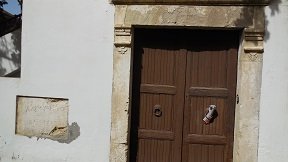


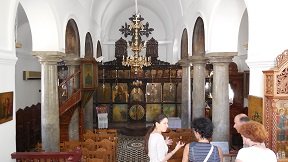

Agii Deka is a traditional village on the north side of the Messara Plain, beside the ancient Roman city of Gortyn, about 15 km east of Mires. Its name means the ten holy ones, after ten early-Christian Cretans martyred here on 23 December 250 AD. Stones and ornaments from Gortyn are built into the village houses, including part of the Law Code of Gortyn. Two churches stand in the village: the older 12th-century Byzantine church, built where the martyrs were beheaded, keeps their marble block, and the newer church stands on the edge of the village.
Agia Varvara
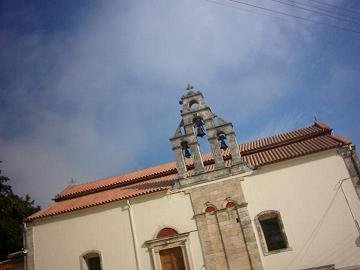
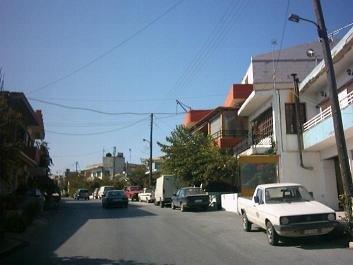
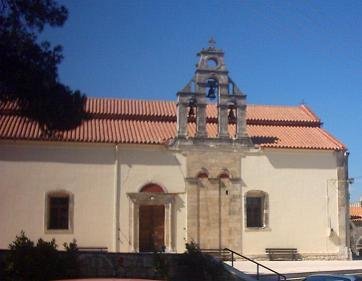
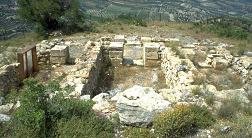
Agia Varvara is a long, busy village at the head of the Messara Plain, 30 km south of Heraklion on the road to Mires. It is the main town of its municipality and has about 2,000 people. The chapel of Profitis Elias in the village is said to mark the geographical centre of Crete. About 1 km north-west, on a hill called Patela, lie the ruins of ancient Rizinia, which date from 1500 BC and where two 7th-century BC temples were found.
Afrati
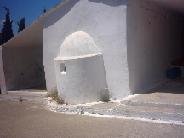
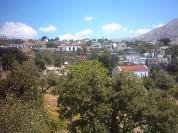
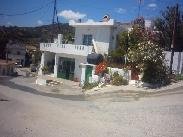
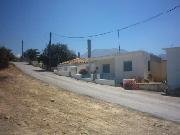
Afrati is a traditional village in the south-east of the Heraklion district, reached on a detour off the road from Kastelli to Ano Vianos, past the village of Panagia. The remains of an ancient city lie in the area, though reaching them needs a walk of an hour or more from the village. The village itself stays authentic and its people are welcoming. It sits about 3 km from the signed turn-off.