
Sights of Milos: The Catacombs, Trypiti Theatre and Phylakopi
Milos has plenty of sights beyond its beaches, from the early-Christian catacombs and the ancient theatre at Trypiti to the Bronze-Age town of Phylakopi, the colourful syrmata fishermen's houses and the village of Plaka. Most are reachable by car, a few only by boat on the daily excursions from Adamas, and the island's paths make it good for walking too; for the wider island see our Milos travel guide. Hire a car to explore Milos at your own pace, covered in our Milos car hire guide.
- Island
- Milos
- Venus de Milo found at
- Trypiti
- Catacombs
- 1st century AD
- Main village
- Plaka
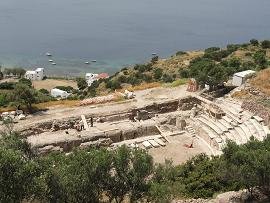
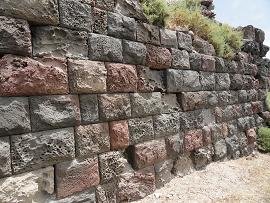
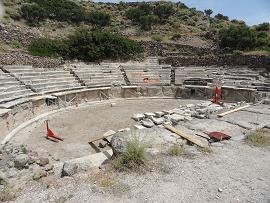
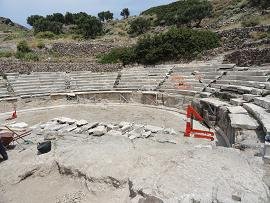
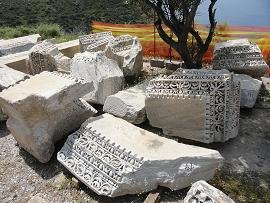
The ancient theatre and old village of Trypiti
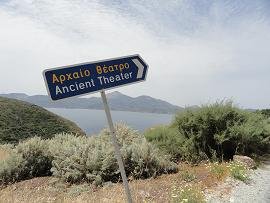
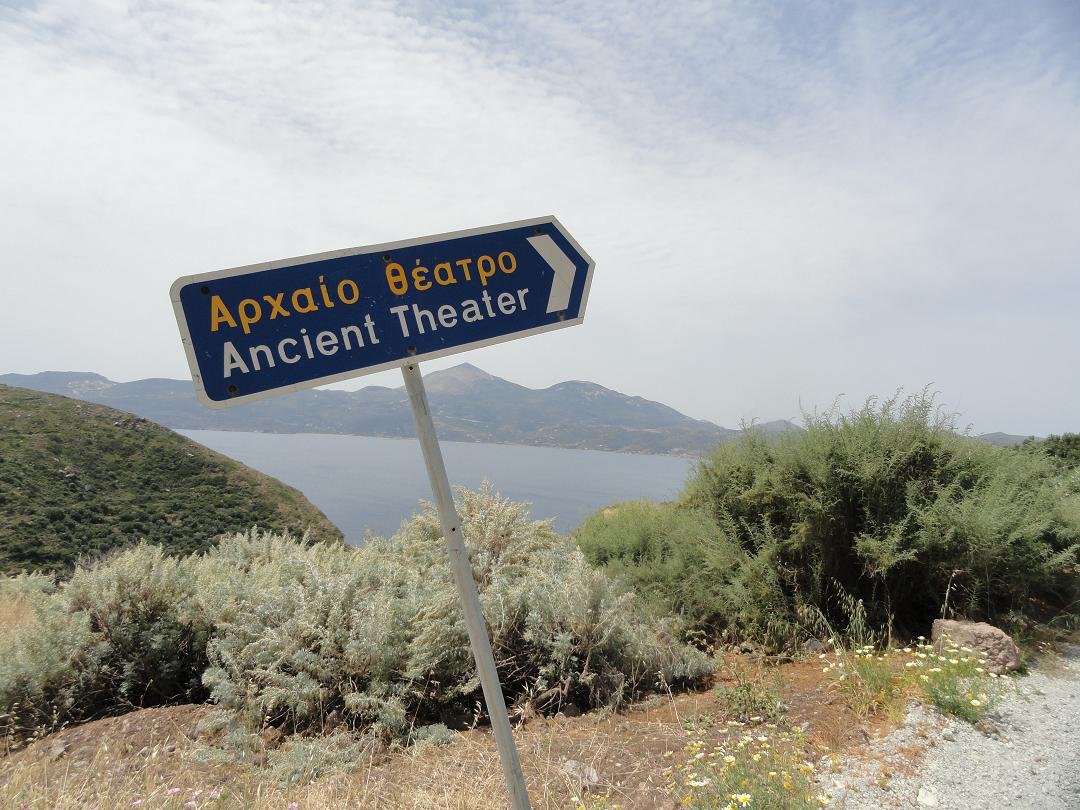
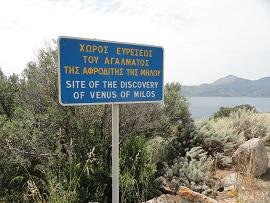
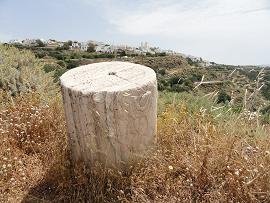
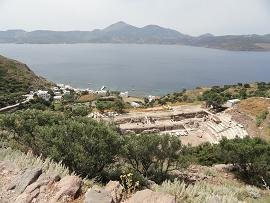
Trypiti, also spelled Tripiti, is an old village on a slope near Plaka that was the island's capital from about 1000 BC to the Byzantine period, and its ancient Roman theatre and city walls are the best-preserved remains. This is also where the Venus de Milo was found, now marked by a memorial, while a copy of the statue stands in the Plaka museum. The lower town lay behind the ancient port below a small hill that once held a temple, now replaced by a small church built from its stones. To reach the theatre, take the path down just before the small parking area rather than the path leading up, which only gives a coastal walk with beautiful views.
The catacombs of Milos
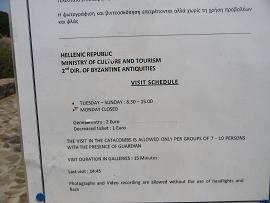
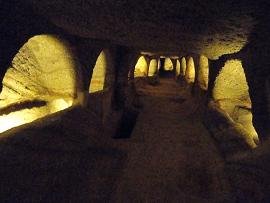
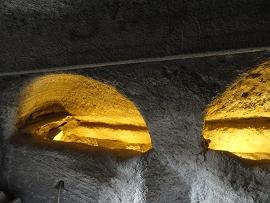
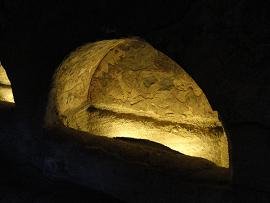
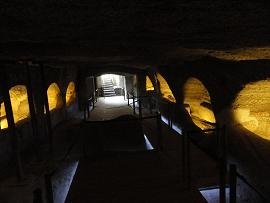
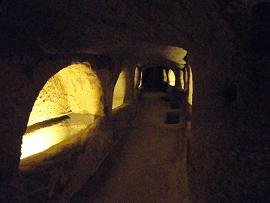
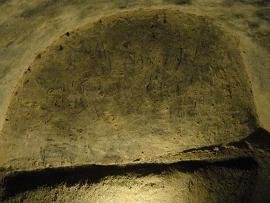
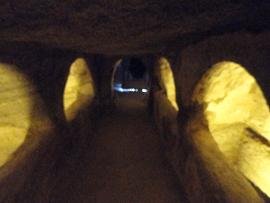
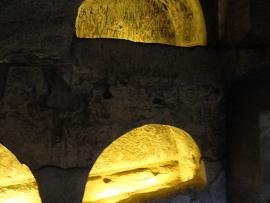
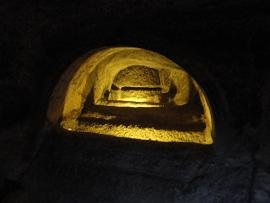
The catacombs of Milos are the earliest known Christian site in Greece, probably from the 1st century AD, cut into the soft volcanic rock below the old city. They form three tunnels, the longest 184 metres, with side rooms where thousands of people were buried, at a height that varies from 1.6 to 2.5 metres; artificial passages dug in the 20th century joined the three galleries into one complex. Most of the central catacomb is open to visitors with a guide, except the lowest parts where standing upright is hard. They open daily from 8.30 to 15.00 and close on Mondays, and were looted before their discovery in 1840. Even older catacombs lie below at the Klima seashore and can only be seen from a boat.
The ancient town of Phylakopi
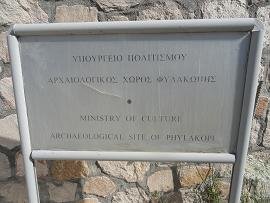
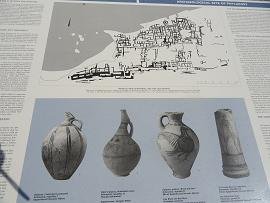
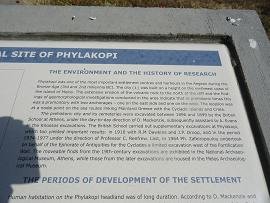
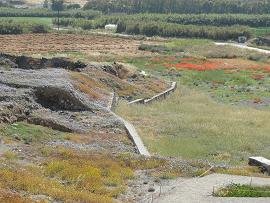
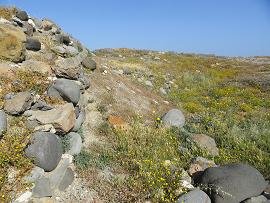
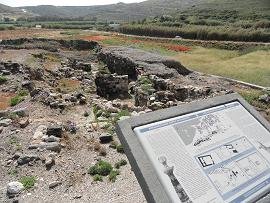
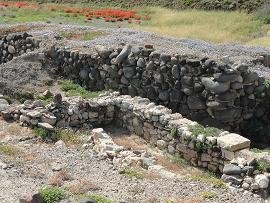
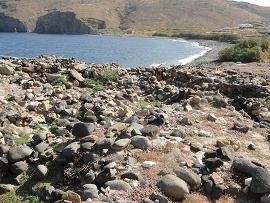
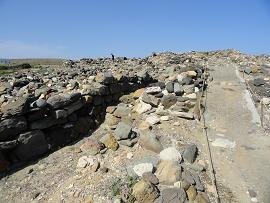
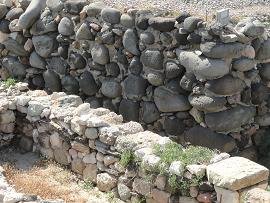
Phylakopi is a Bronze Age town in the northeast of Milos, between Adamas and Pollonia just over the hill from Pollonia, now fenced and with no road sign pointing to it. Some of its houses now stand in the sea. It was one of the largest cities outside Minoan Crete and Santorini and remained the island's capital into the Mycenaean period until it declined around 1100 BC. Some finds are in the Plaka museum, while the best pieces are in the Archaeological Museum in Athens.
A boat excursion around Milos
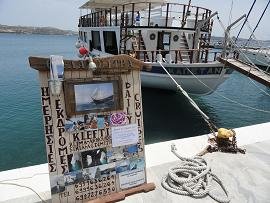
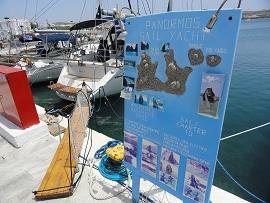
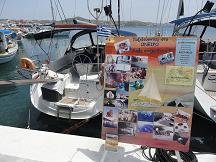
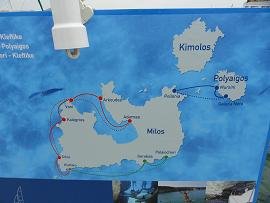
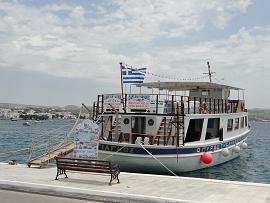
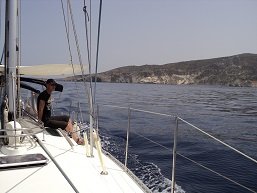
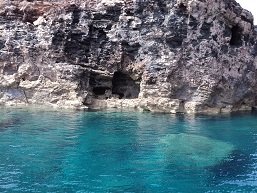
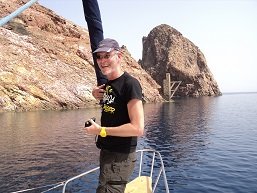
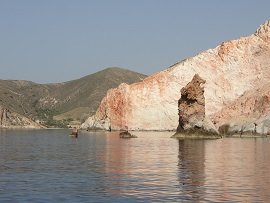
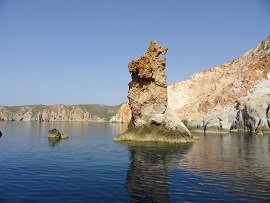
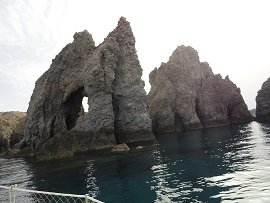
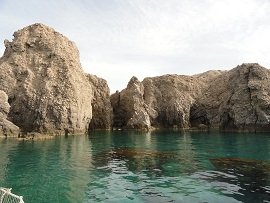
A boat excursion around Milos runs every morning from the harbour of Adamas to the coastal sights, sailing along the volcanic coast past the inaccessible island of Antimilos or out to the Glaronissia islets and around the island of Polyaigos. It is the easiest way to reach a coastline you cannot see from the road. For more on the island see our Milos travel guide.
A private boat trip around Milos
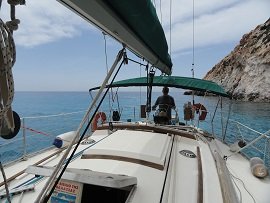
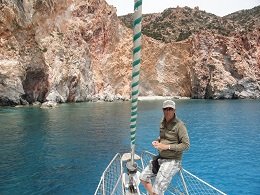
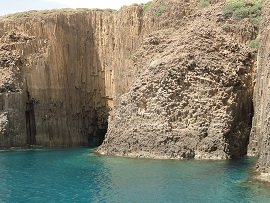
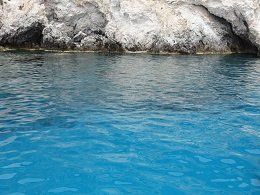
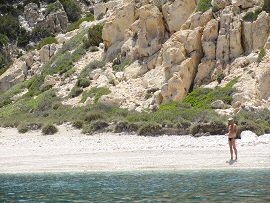

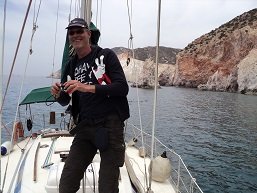
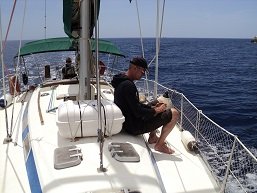
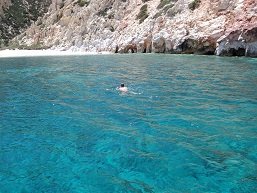
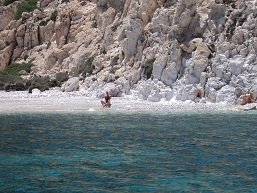
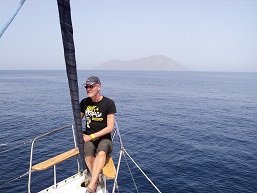
Renting your own boat on Milos can be cheaper than expected and lets you see all the coastal sights, circle the island of Polyaigos and step onto a pristine beach on a deserted island at your own pace.
The syrmata of Milos
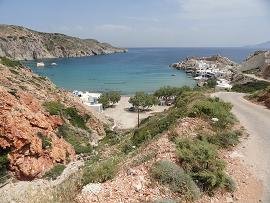
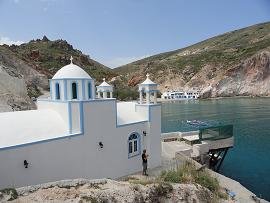
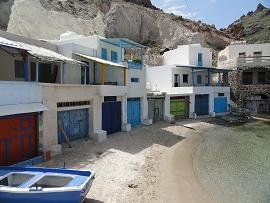
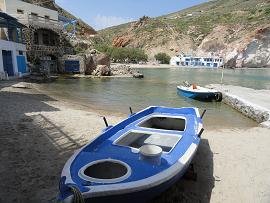
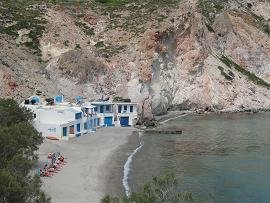
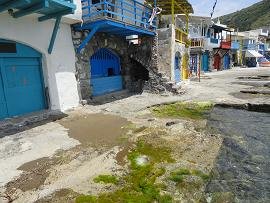
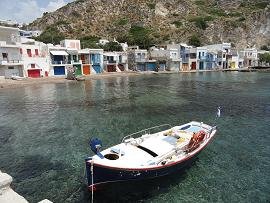
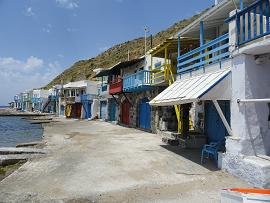
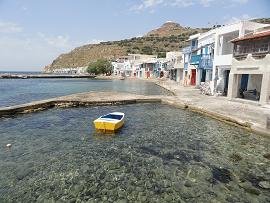
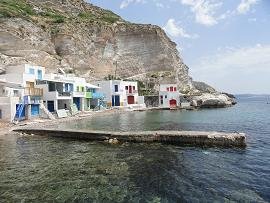
The syrmata are the distinctive coastal houses of Milos, small former fishermen's homes built partly or wholly into the rock, with brightly painted doors and shutters and the square-shaped boats typical of these harbours. The boats were stored on the ground floor through the unsafe winter fishing months. The best examples are at Klima, Emborios, Mandrakia, Fourkovouni and Firopotamos; similar houses exist elsewhere in the Cyclades, such as at Mesa Pigadia beach on Santorini.
Achivadolimni Lake
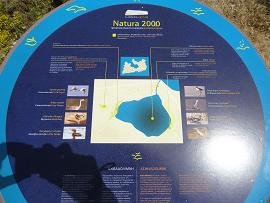
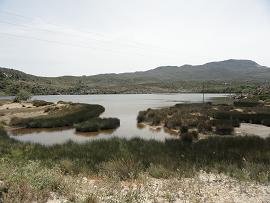
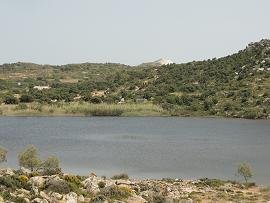
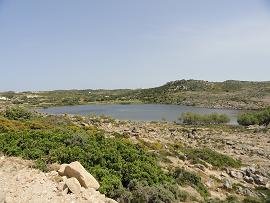
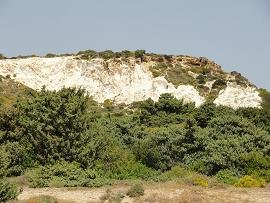
Achivadolimni Lake, behind Achivadolimni beach, is the largest wetland in the Cyclades and an important stop for migrating birds. Separated from the sea by the beach, its water is brackish to salty, and the lake is a protected nature reserve.
The mines of Milos
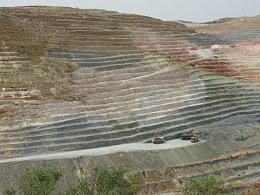
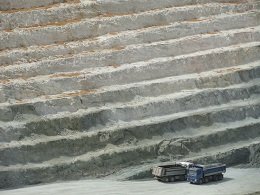
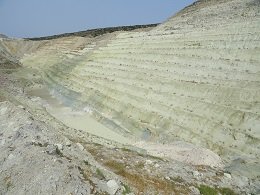
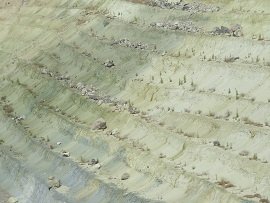
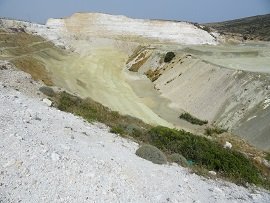
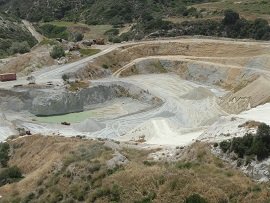
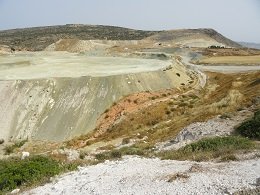
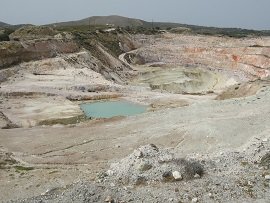
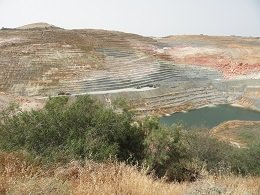
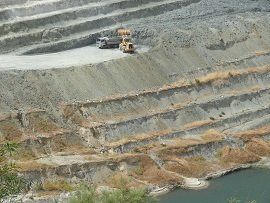
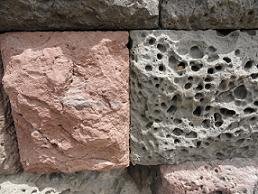
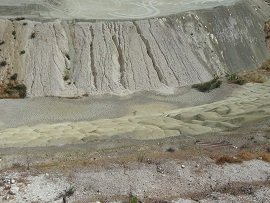
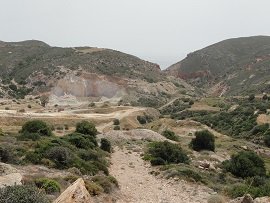
The mines of Milos have worked the island since obsidian - a very hard black stone used for weapons and tools - was found here around 8000 BC, and mining and mineral trade continue today. Volcanic activity left the soil rich in raw materials and rare minerals, and a large mining industry still employs much of the population, especially northeast of Pollonia, where the digging exposes the colourful volcanic ground. This lasting industry is a reason Milos never became as dependent on tourism as many other islands.
The landscape of Milos
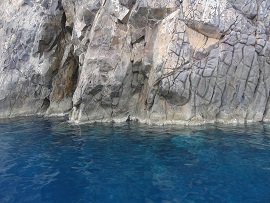
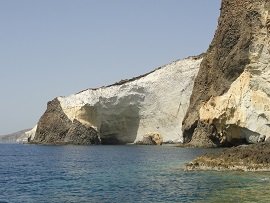
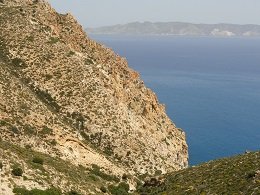
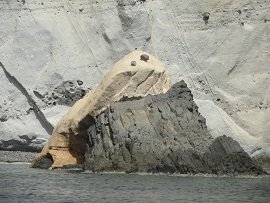
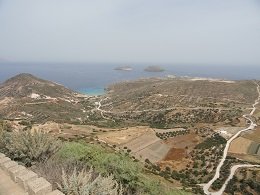
The landscape of Milos is truly beautiful and, in places, unlike any other island. Parts recall Samos, Crete or other Cyclades such as Paros, yet much of it is unique, and its beaches are, in the writer's view, the finest of all the islands he has visited. The coastline of Milos and of nearby Polyaigos is magical, with rocks in many colours and a clear blue sea, and the coastal syrmata villages, all colour, are a highlight, even if the inland villages apart from Plaka are not the most picturesque in the Cyclades.
The village of Plaka
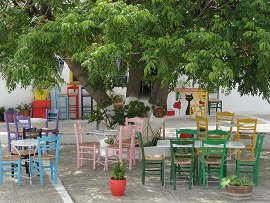
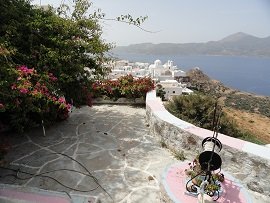
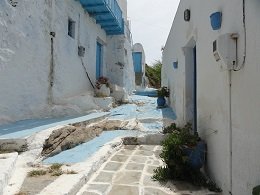
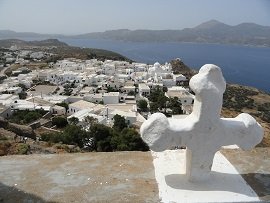
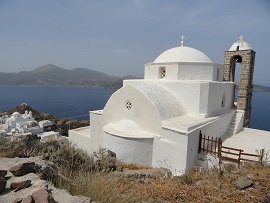
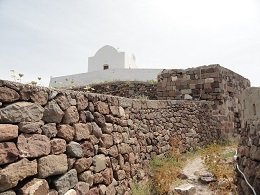
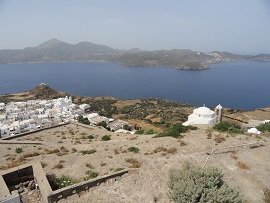
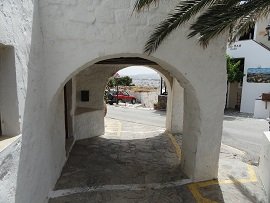
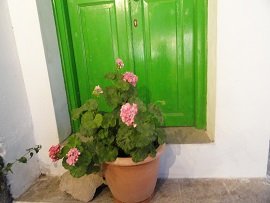
Plaka is the most authentic village on Milos, a large, mostly car-free settlement of charming narrow streets, quaint shops, several museums including the Archaeological Museum, beautiful churches and a fortress with a magnificent island view. A good restaurant sits in the village too. A large car park in front of Plaka serves visitors, as the streets are too narrow for cars.