Lesbos, Greece: Molyvos, the Beaches, Ouzo Villages & the Petrified Forest
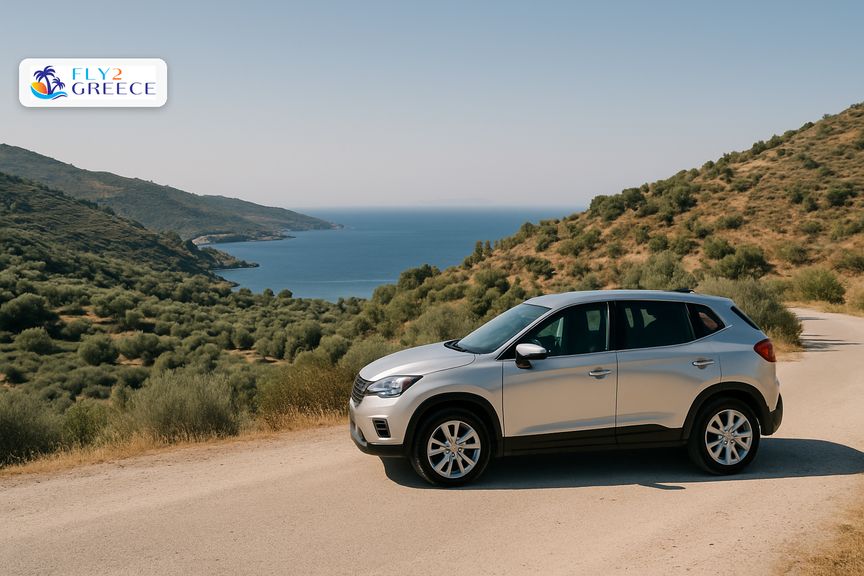
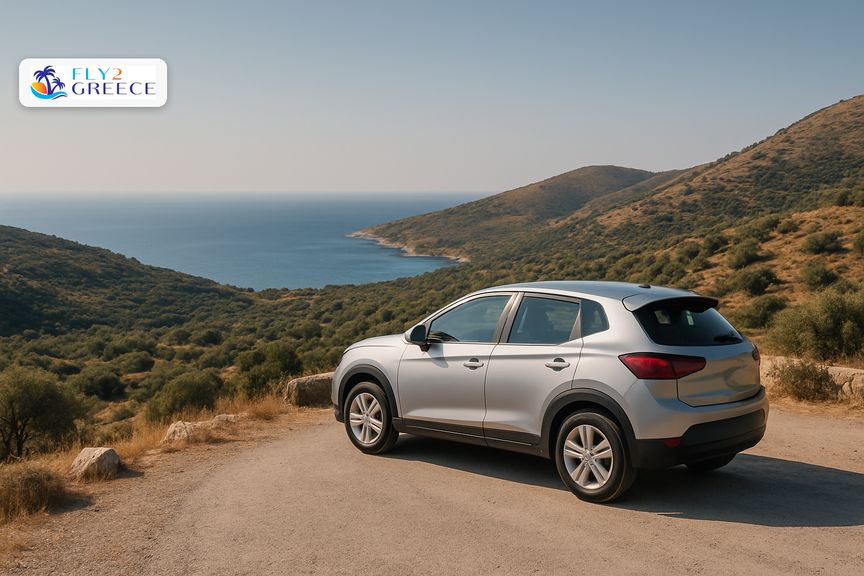
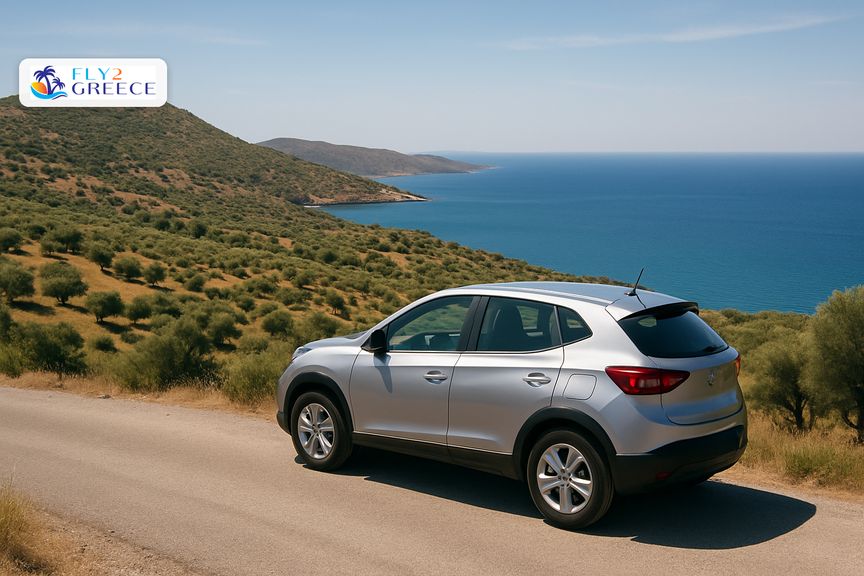
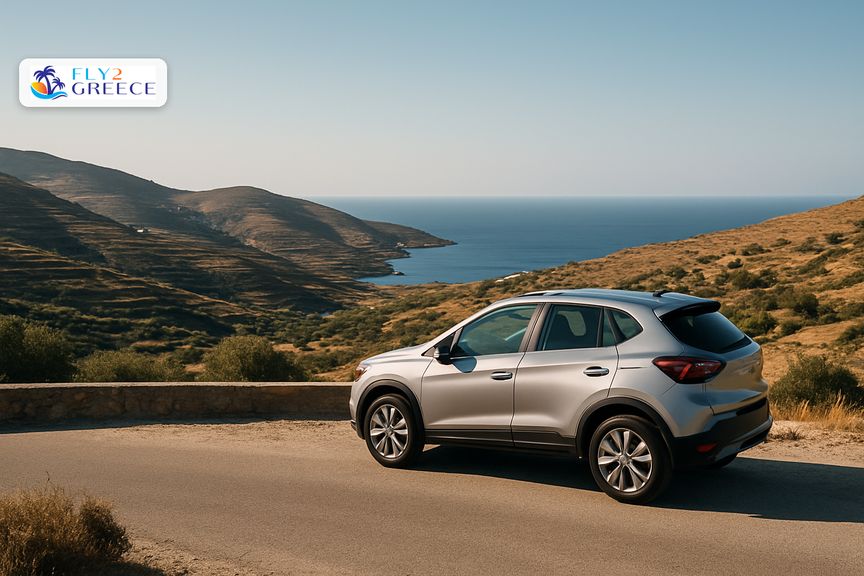
Lesbos, also written Lesvos, is the third-largest Greek island, in the north-east Aegean off the coast of Turkey. The island pairs the medieval town of Molyvos and the capital Mytilene with the ouzo town of Plomari, the 8-kilometre beach of Vatera and a petrified forest in the west. Olive groves and ouzo distilleries keep Lesbos self-sufficient, so it stays greener and less developed for tourism than most Aegean islands. Hire a car to reach the parts of Lesbos the buses miss, covered in our Lesbos car hire guide.

- Group
- North Aegean
- Capital
- Mytilene
- Size
- 3rd largest in Greece
- Known for
- Ouzo & petrified forest
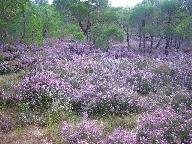
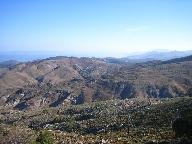

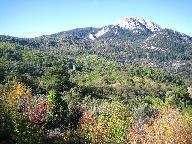

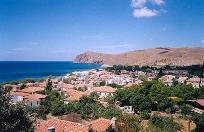
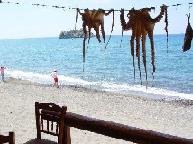
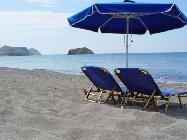
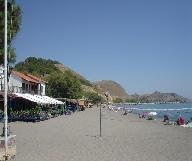


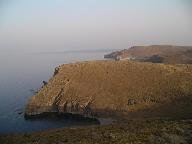
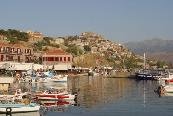





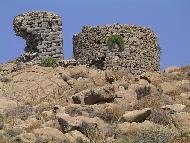
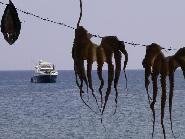
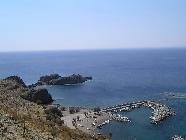
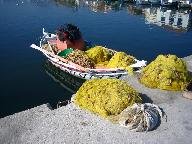

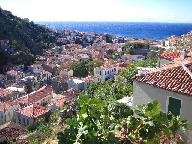
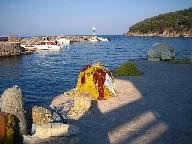

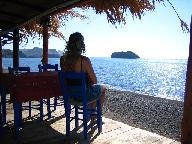
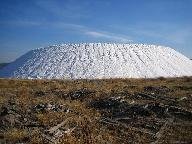
The island of Lesbos
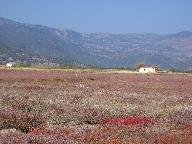
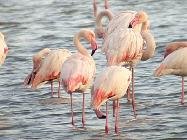
Lesbos is the third-largest of all the Greek islands, set in the north-east Aegean within sight of the Turkish coast. The capital, Mytilene, holds about 30,000 people on the south-east tip, and a Byzantine castle stands above its harbour. The interior is green with olive groves and pine forest, which feed the island's two great industries, olive oil and ouzo. Lesbos is one of the best places in Europe for migrating birds, and the wetlands around Kalloni, Skala Polichnitos and Sigri draw birdwatchers each spring. The island is large, so a rented car opens up the quiet west and the remote beaches that most visitors never reach.
Towns and villages
The towns of Lesbos range from the medieval hill town of Molyvos to the ouzo capital of Plomari. Molyvos, also called Mithymna, rises to a Genoese castle in the north, and the resort village of Petra sits just below it. Mytilene is the busy capital, Agiasos is the craft village of potters and wood carvers in the green centre, and Plomari is the second-largest town and the home of Greek ouzo. Fishing villages such as Skala Kallonis, Skala Sikamineas and Sigri line the coast. The full run of settlements is in the Lesbos villages guide.
Beaches of Lesbos
Lesbos has beaches on every coast, from the long Blue Flag sands of Vatera to quiet pebble coves in the west. Vatera runs for about 8 kilometres along the south and is the best beach on the island. Skala Eressos lies in a dramatic bay in the far west, Eftalou pairs a pebble beach with hot springs near Molyvos, and Skala Kallonis has shallow sandy water inside its bay. Naturists have their own stretches at Eftalou and Faneromeni. The beaches are set out coast by coast in the Lesbos beaches guide.
Sights, castles and the petrified forest
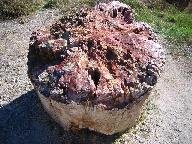
The rarest sight on Lesbos is a petrified forest of trees that turned to stone 20 million years ago. It spreads across the west of the island between Andissa and Sigri, and a museum in Sigri explains how the volcanic ash preserved it. Byzantine and Genoese castles crown Molyvos, Mytilene and Sigri, the Limonos Monastery near Kalloni dates from 1523, and a Roman aqueduct still stands at Moria. Hot mineral springs bubble up at Eftalou, Polichnitos and Lisvori. These are gathered in the Lesbos sights guide.
Where to stay
Accommodation on Lesbos clusters by area. Molyvos and Petra hold the main tourist base in the north, Vatera suits a quiet beach holiday in the south, Skala Kallonis works for birdwatchers on the bay, and Mytilene is the transport hub. The Gulf of Gera and the villages inland are villa country for travellers who want to escape the crowds. Compare the areas in the Lesbos hotels guide and the Lesbos villas guide.
Where to eat
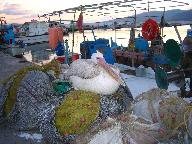
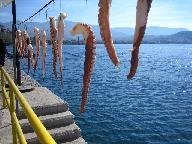
Lesbos serves ouzo and mezedes as its signature meal, and Plomari is the town that made the drink famous. The best fish tavernas sit on the harbours, from the Captains Table in Molyvos to the seafront tavernas of Skala Kallonis, Skala Eressos and Vatera. Grilled meat, fresh sardines from Kalloni bay and local olive oil round out the menus. Dining areas are set out in the Lesbos restaurants guide.
A short history
Lesbos has been inhabited since Neolithic times and became a centre of philosophy and art in the 7th century BC. The poet Sappho was born at Eressos in the 6th century BC. The island passed from Athens to Macedon, then Rome, Byzantium, the Genoese Gattelusi family from 1355, and the Ottomans, until it joined Greece in 1912. That long layering left castles, monasteries and neo-classical mansions across the island.
The Lesbos guides
Six guides cover the island in detail. Pick a theme below.
Vatera, Skala Eressos, Eftalou, Faneromeni Lesbos villages
Molyvos, Petra, Agiasos, Plomari, Sigri Lesbos sights
Petrified forest, castles, monasteries, springs Lesbos hotels
Molyvos, Petra, Vatera, Skala Kallonis Lesbos villas
Gulf of Gera, Skala Mystegna, Vatera Lesbos restaurants
Molyvos, Skala Kallonis, Vatera, ouzo & mezedes