
Rethymno Sights: Old Town, Monasteries & Gorges
The Rethymno region holds a Venetian old town and Fortezza, the national sanctuary of Crete at Arkadi, the Preveli and Vosakos monasteries, a Minoan necropolis at Armeni and two dramatic gorges. This guide covers the marquee sights of central Crete, from Rethymno old town and the Arkadi and Preveli monasteries to the Minoan tombs of Armeni and the Kourtaliotiko and Kotsifou gorges.
- Region
- Central Crete
- National sanctuary
- Arkadi
- Minoan tombs
- Armeni
- Deep gorge
- Kourtaliotiko
Rethymno Old Town
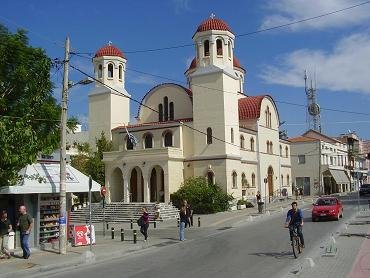
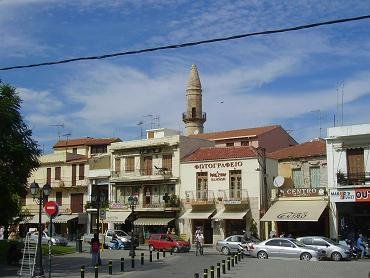


Rethymno old town is a well-preserved Venetian and Ottoman quarter on the north coast, in a city of about 20,000 people. A Venetian harbour with a lighthouse sits below the Fortezza castle, and its quay is lined with restaurants that look out over the sea. Behind the harbour run narrow alleys with tourist shops, Turkish minarets, churches, a city park, museums, Venetian houses with covered wooden balconies, old mosques and a former Turkish bathhouse. The old town keeps its atmosphere and stays quiet out of season.
Arkadi Monastery


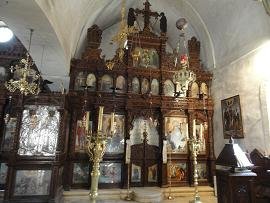


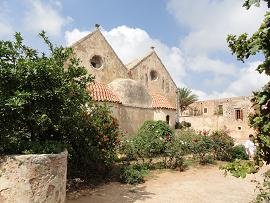

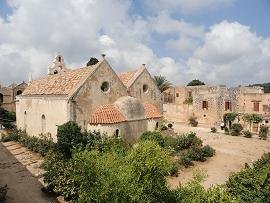


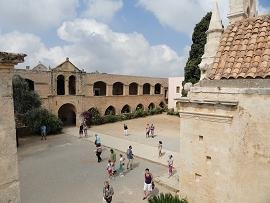

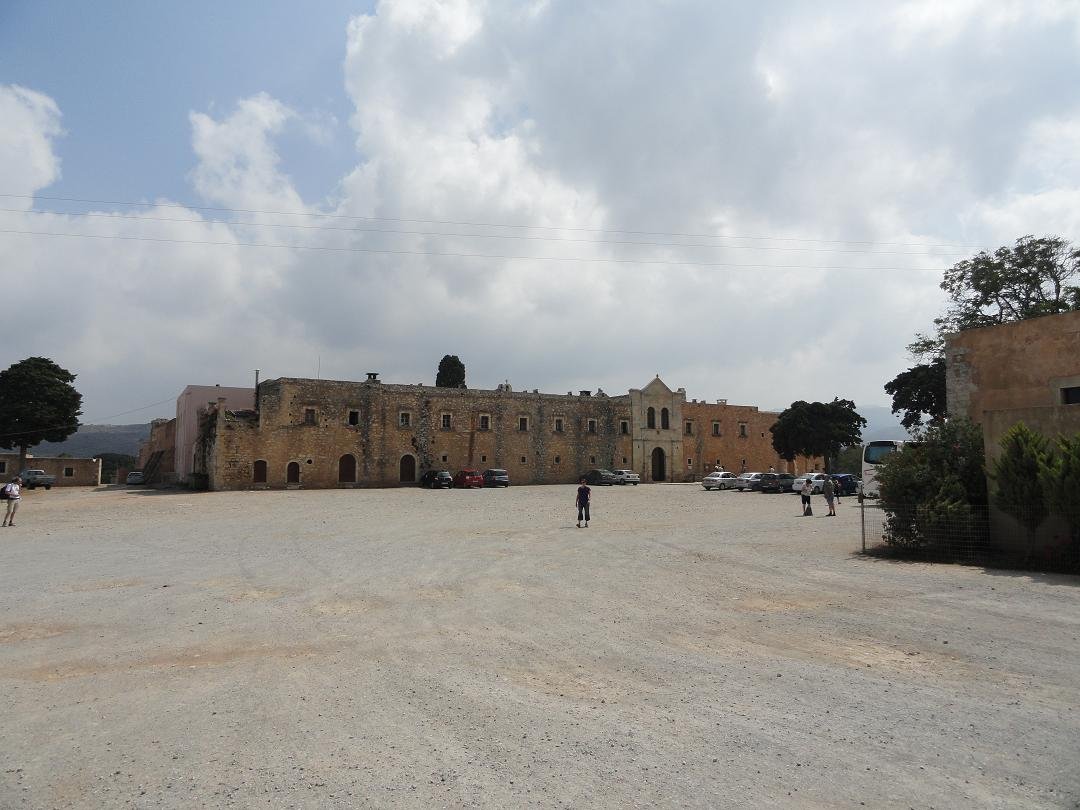
The Arkadi Monastery is the national sanctuary of Crete, about 25 km south-east of Rethymno at an altitude of 500 m. A monk, probably named Arkadios, founded it in the Byzantine period. It was rebuilt as a fortress in the late Venetian period, and the large church that stands today dates from 1587, on the remains of a 13th-century Byzantine church. The drive there climbs through green, hilly country and passes the village of Kiriana with its Byzantine church. Arkadi is the most important historical symbol for the people of Crete.
Preveli Monastery
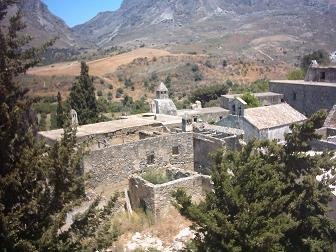

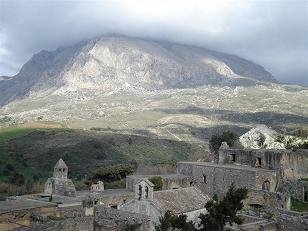
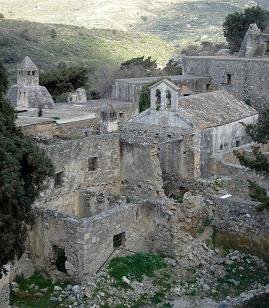
The Preveli Monastery was probably founded in the 16th century during the Venetian occupation. It stands in two separate parts. The Monastery of Saint John the Theologian, known as Piso Moni, lies nearer the sea and still operates today. The Monastery of Saint John the Baptist, known as Kato Moni, sits closer to the Megas river. The monastery played a major role in the Second World War resistance, sheltering foreign troops trapped on Crete and organising two escapes. German soldiers later interrogated and arrested the monks and damaged the monastery.
Vosakos Monastery
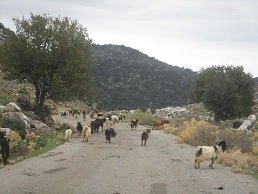
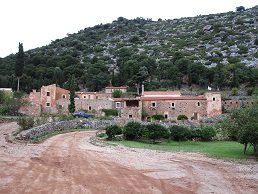
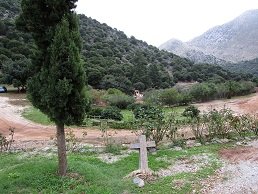

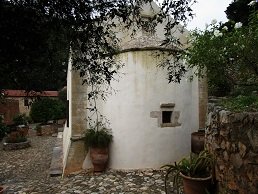
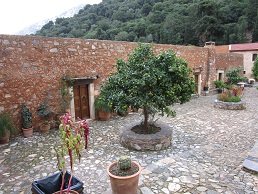
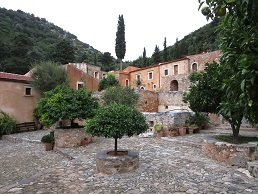
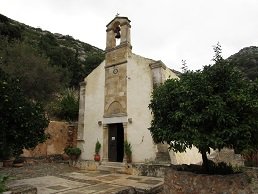
The Vosakos Monastery, also spelled Vossakos or Vosakou, stands in the north of the Rethymno district, reached by the Doxaro and Kambos exit. Its church is named Timios Stavros, the Church of the Holy Cross. It dates from the 17th century and was once a rich monastery that owned much farmland in the area. A winding road leads to it through beautiful, almost unearthly country, past grazing goats, and the asphalt ends at the monastery gate.
Armeni Necropolis
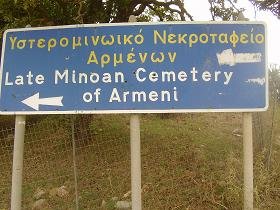
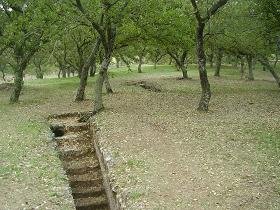

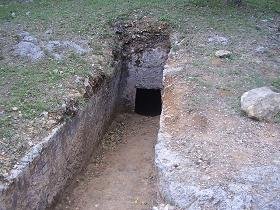
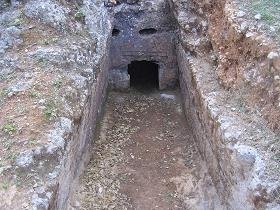
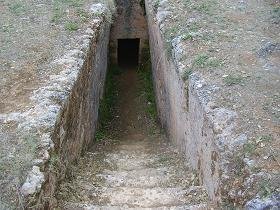
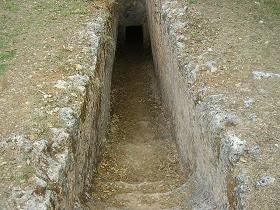
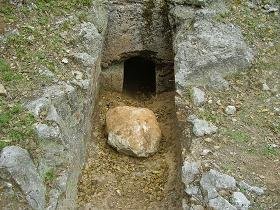
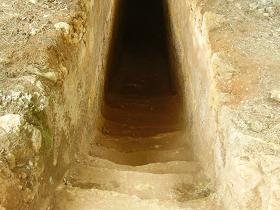
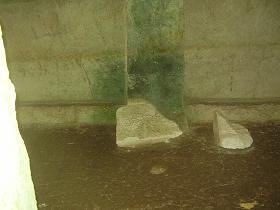
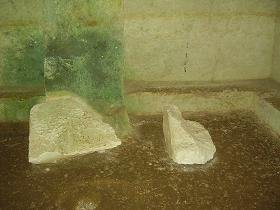
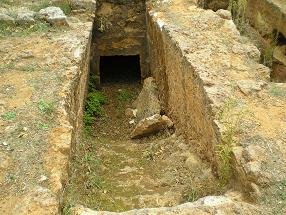
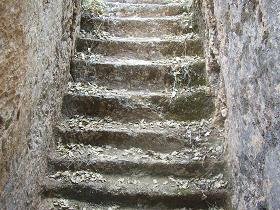
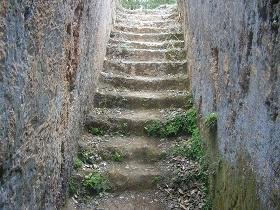
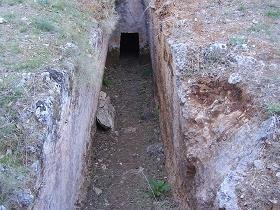
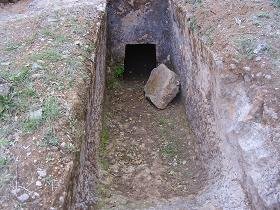
The Armeni necropolis is a Minoan cemetery 8 km south of Rethymno, reached on the exit toward Spili and Agia Galini. It lies just north of the village of Armeni, which Armenian soldiers of the Byzantine general Phokas founded in 961 AD after he took Crete from the Arabs. The site holds about 200 rock-cut chamber tombs dating from 1300 to 1050 BC, set under shade trees, with steps leading down into them. One larger beehive-shaped tholos tomb has a wooden roof and lights inside.
Kourtaliotiko Gorge
The Kourtaliotiko Gorge is a deep gorge 23 km directly south of Rethymno, on the road through Armeni. The peaks of Kouroupa at 984 m and Xiro Oros at 904 m form its walls. The gorge begins at the village of Koxare and follows the Kourtaliotiko river for about 1 km. Halfway through, parking places and steps lead down to the riverbed and the church of Agios Nikolaos. The road continues to either Preveli or Plakias, and the gorge ends at Preveli beach.
Kotsifou Gorge
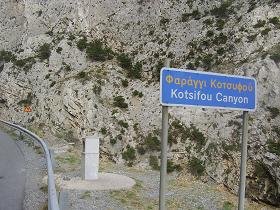
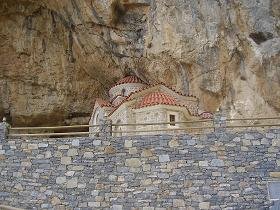
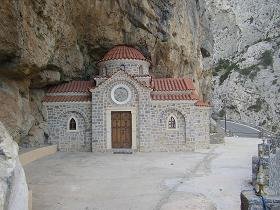
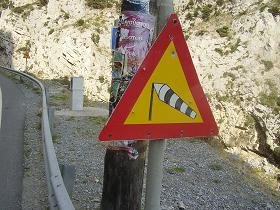
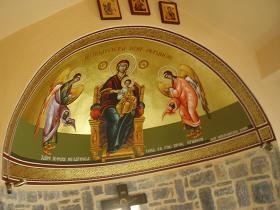
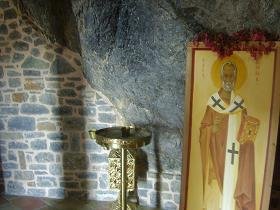
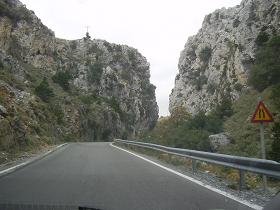
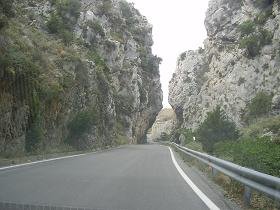
The Kotsifou Gorge is a narrow gorge in southern Crete, just above Plakias and Selia, on the route from Selia north to Kanevos. The road runs through a slit in the mountains where strong wind funnels through, and a warning sign marks the spot. A stone church stands here, partly carved into the rock.