Sights of Antiparos: The Cave, the Kastro and Despotiko
The marquee sight of Antiparos is its stalactite cave in the south of the island, joined by the Venetian Kastro at the heart of Antiparos Town and the ancient island of Despotiko. From Agios Georgios, boat trips cross to the sea caves and the archaeological site on Despotiko, opposite the village. Together they make a full day of sightseeing on a small island.
- Marquee
- Stalactite cave
- Cave depth
- >100 m
- Kastro
- 15th century
- Despotiko
- 0.7 km off
The Cave of Antiparos
The Cave of Antiparos is the island's best-known sight, a stalactite cave on a hill about 250 metres high in the south, roughly 7 kilometres from the port. Next to the entrance stands the small church of Agios Ioannis. The cave holds three large halls and runs more than 100 metres deep, and it is famous for its huge stalactites and stalagmites, many of which carry ancient inscriptions. The most famous stalagmite is 8 metres tall and is called the Agia Trapeza, the "Holy Table": the name comes from a mass celebrated here on 24 December 1673 in the presence of the French ambassador in Constantinople, the marquis de Nointel, and a Latin inscription still records the event. In turbulent times the cave also sheltered the islanders.
The Venetian Kastro

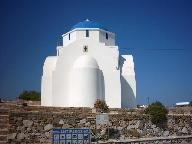
Antiparos Town, the Chora, is built around a Venetian kastro that dates from the 15th century, at the heart of the village and about 500 metres from the town beach. The kastro is built around a central tower, of which only the base now remains, and the white-washed lanes of the old town wrap around it. It is an easy walk from the harbour where the small ferry from Paros arrives.
Despotiko island and its sanctuary

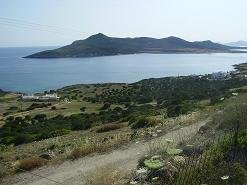


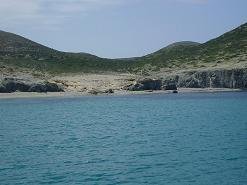

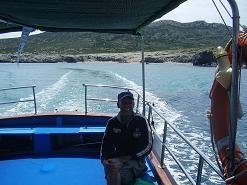

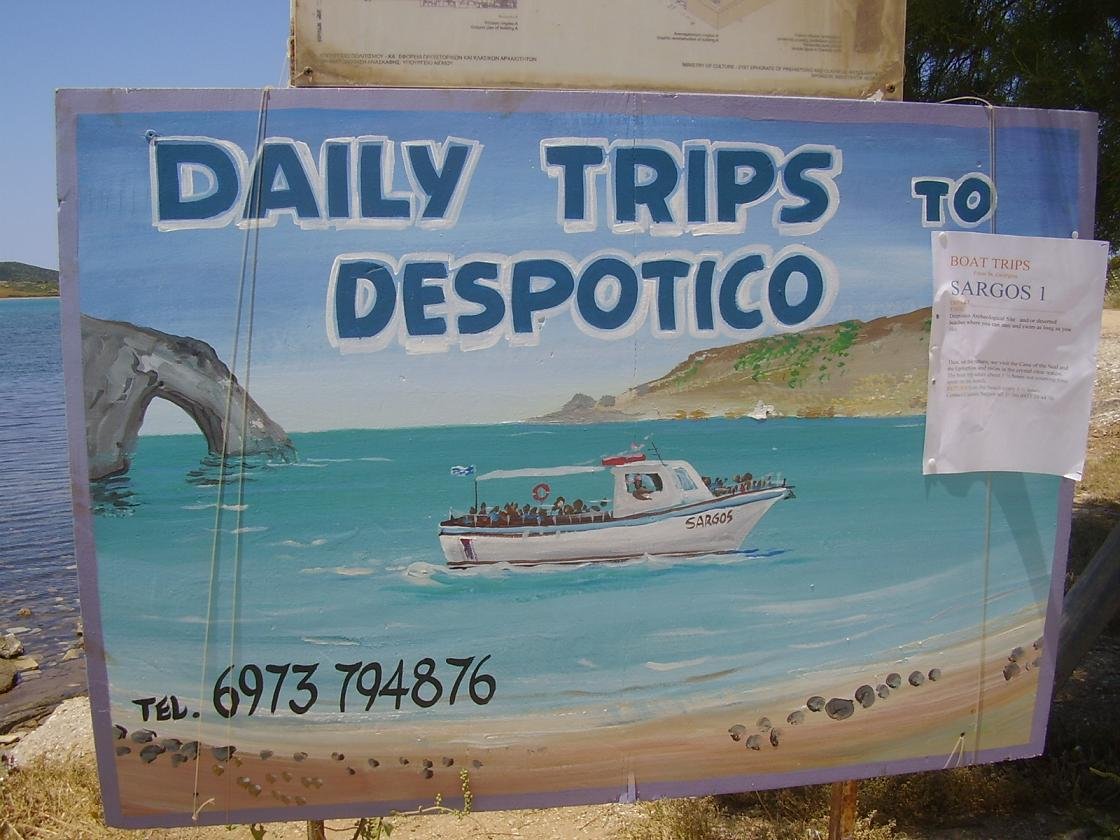
Despotiko, also spelled Despotico, is a small uninhabited island 0.7 kilometres south of Antiparos, close to the geographical centre of the Cyclades. Houses and a sanctuary have been excavated here, and the digs are still in progress; the island's last inhabitant, a goat shepherd, had to leave because his house stood on top of the sanctuary. Its safe bay once gave anchorage to ships that traded with mainland Greece, the wider Mediterranean and north Africa, and remains from Archaic, Classical, Hellenistic, Roman and later periods have come to light, with many finds held in the Archaeological Museum in Parikia on Paros. The coast is ringed with small sandy coves; the largest sand beach, Livadi, lies in the north opposite the islet of Strogili and can be reached only when the wind blows from the north.
Sea caves and the boat from Agios Georgios
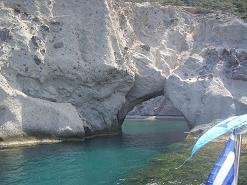
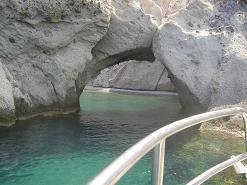
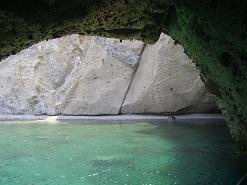
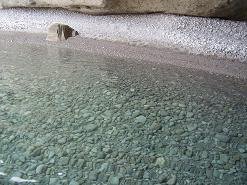
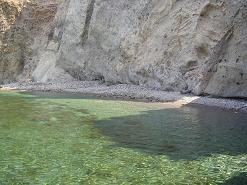
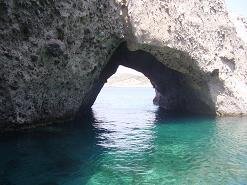
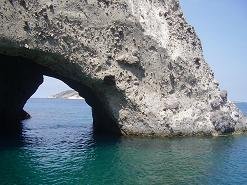
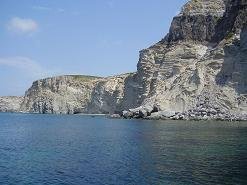

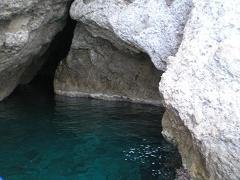
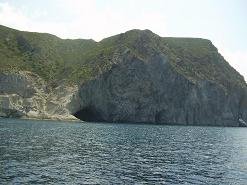
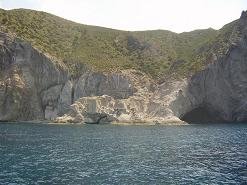
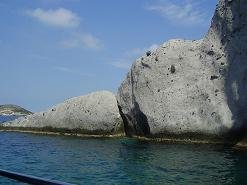
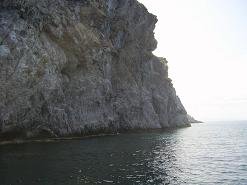
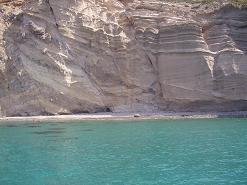
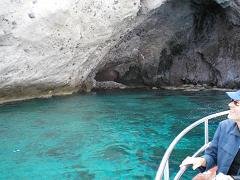
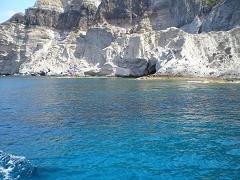
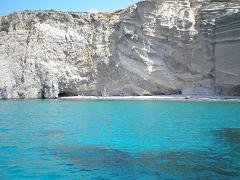
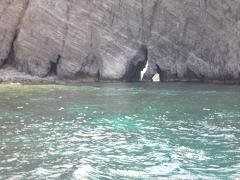
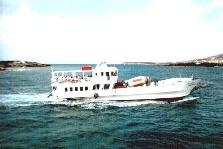
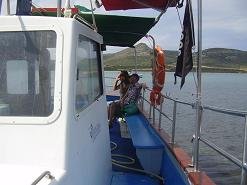
Boat excursions to the sea caves and Despotiko leave from Agios Georgios, 12 kilometres from the port. Captain Marianos runs trips on his wooden boat, the Sargos, from beside the three seafront tavernas, dropping visitors on a private beach and picking them up at an agreed time. A typical trip lasts about 2 hours plus time on the beach and takes in the archaeological site on Despotiko and the tight sea cave of the Epitaphios, where you can swim from the boat. In high season the boat leaves around 10:30–11:00 and then roughly every 2 hours, and in low season - April, May, September and October - trips run on demand.