Corfu Town (Kerkyra): The Old Town, Fortresses and Churches

Corfu Town, the capital of the island of Corfu, is a town of about 35,000 people whose old centre lies between two Venetian fortresses and reads as one of the most beautiful towns in Greece. Corfu Town is the highlight of any visit to the island, packed with imposing buildings, French-style arcades and terraces, Greek Orthodox churches and museums. The old town is car-free, so most visitors park a little outside the centre and walk in. Hire a car to explore Corfu at your own pace, covered in our Corfu car hire guide.
- Inhabitants
- ~35,000
- Old Fortress
- Venetian
- New Fortress
- 1576–1589
- St Spiridon
- Built 1589
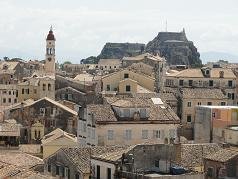
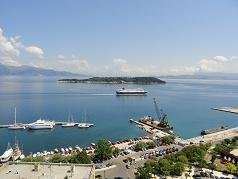
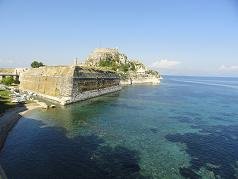
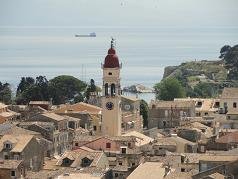
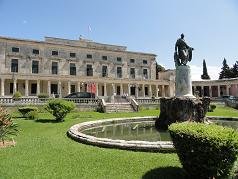
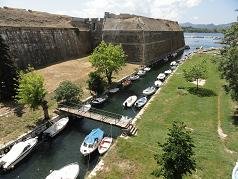
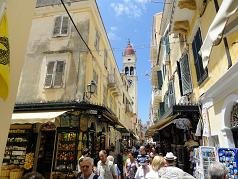
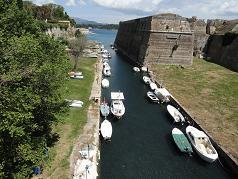
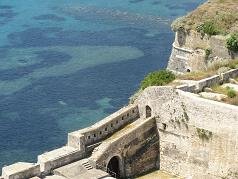
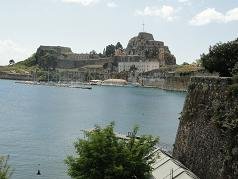
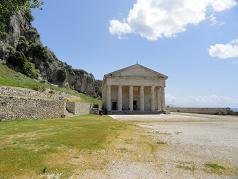
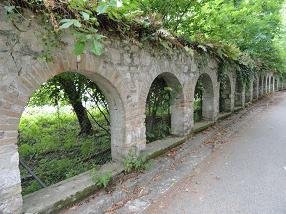
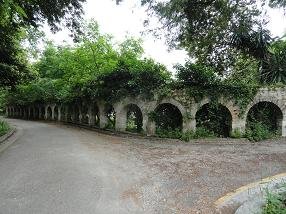
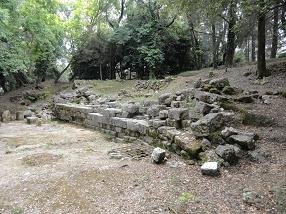
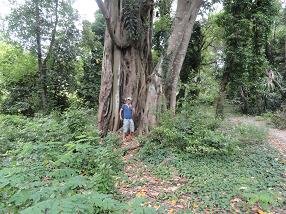
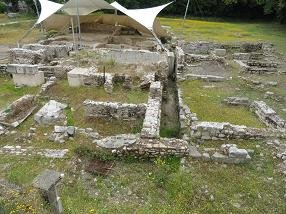
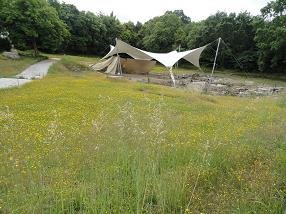
The old town of Corfu
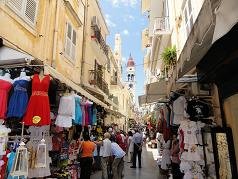
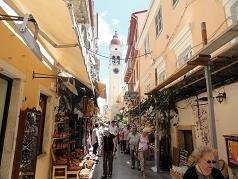
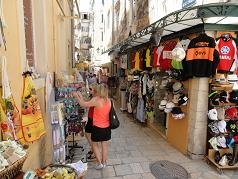
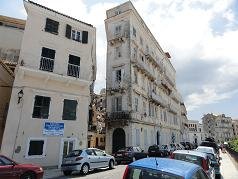
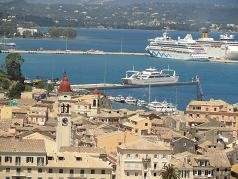
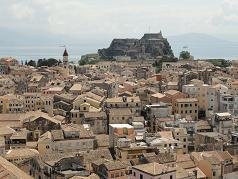
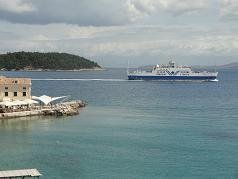
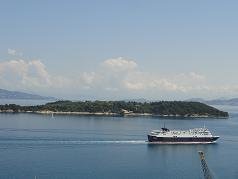
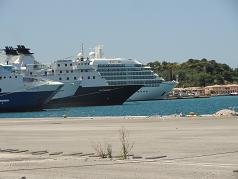
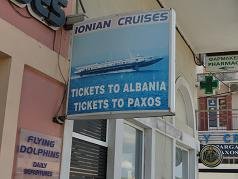
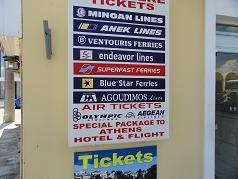
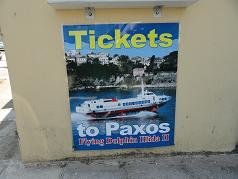
The old town of Corfu sits between the Old and the New Fortress in a labyrinth of narrow streets, alleys, stairways and small squares. The houses stand unusually tall, because in Venetian times the people of Corfu were not allowed to live outside the town walls and so extended their homes upwards, giving the centre an Italian look. The town has two harbours, both on the north side: the international ferries dock at the new harbour outside the centre, while the smaller boats to Paxos and other places leave from the old harbour east of the New Fortress, alongside the fishing boats. A busy vegetable and fruit market is held every day at the foot of the fortress.
The two Venetian fortresses
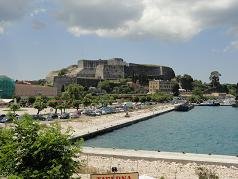
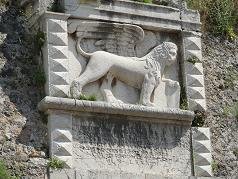
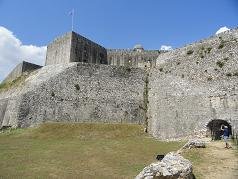
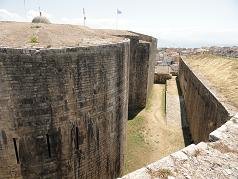
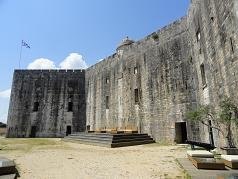
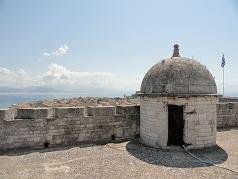
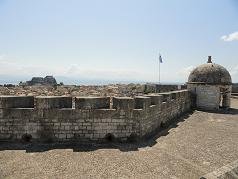
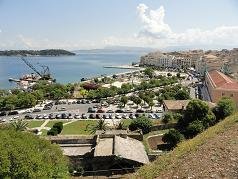
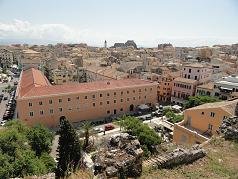
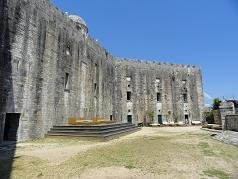
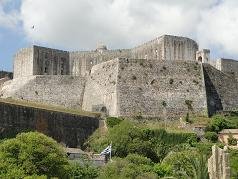
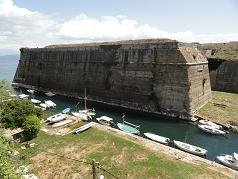
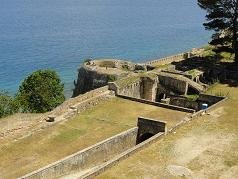
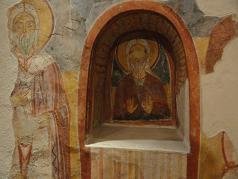
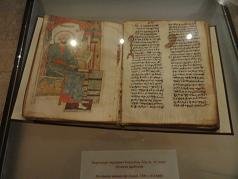
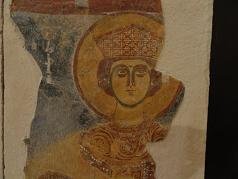
The Venetians built the two fortresses that dominate Corfu Town today, and both are open to visitors who can climb to the top for a wide view over the capital. The Old Fortress stands on the sea, ringed by the water and by a moat that once had a drawbridge to seal off the entrance. Inside stands the Church of St George with its columns, put up by the English in 1840, and the path up passes a Venetian bell tower and reaches a lighthouse at the summit; entry costs a small fee (4 euros in 2012) and includes a small museum of old frescoes, icons and church treasures. The New Fortress was built about 30 years later, begun in 1576 and finished 13 years afterwards, and is also called the San Marco fort after the winged-lion emblem carved above its main gates; entry costs 3 euros (2012) and the top gives a view over Corfu Town, the sea and the island of Vidos.
The Esplanade and the Palace
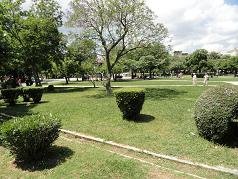
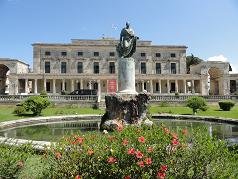
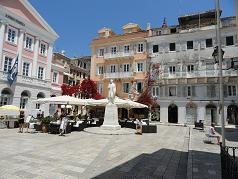
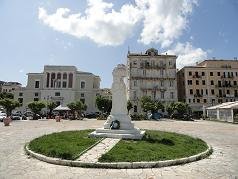
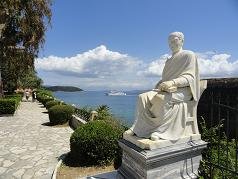
The Esplanade is the heart of Corfu Town, a large square and cricket ground ringed by terraces and a big car park. The Venetians levelled it to keep a clear view of any approaching enemy, and the French later planted it with palms and other trees. The Ionic monument on the square commemorates the union of Corfu with Greece in 1864. On the north side stands the Palace of St Michael and St George, built by the English between 1818 and 1823 with 32 Ionic columns as the residence of the British high commissioner, and now home to the Museum of Asian Art; a statue in front honours the commissioner Frederick Adams, who improved the island's water supply through an aqueduct.
Churches of Corfu Town
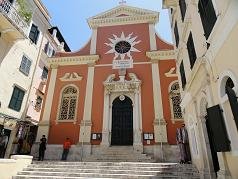
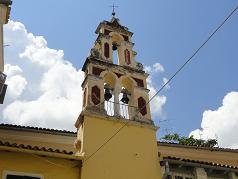
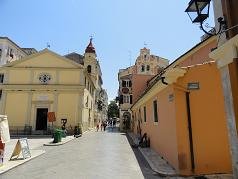
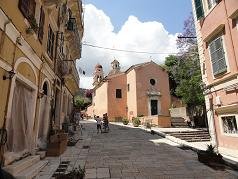
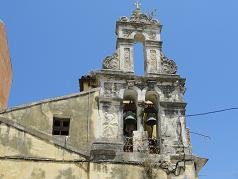
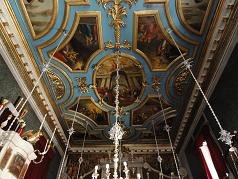
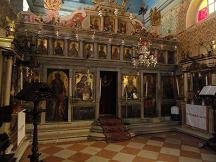
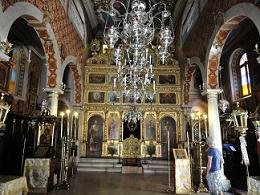
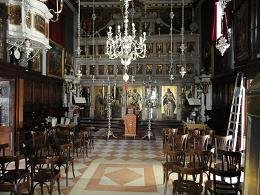
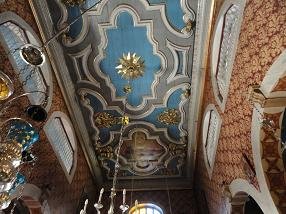
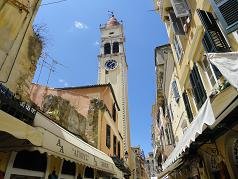
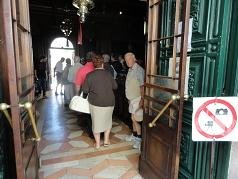
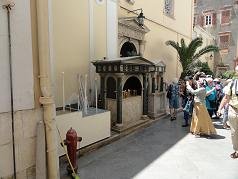
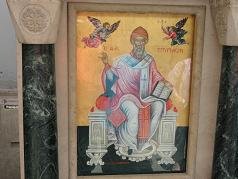
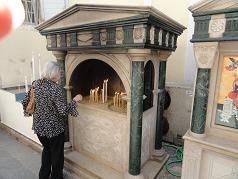
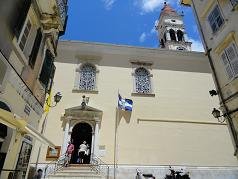
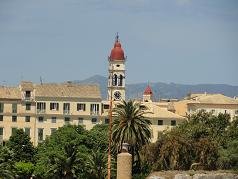
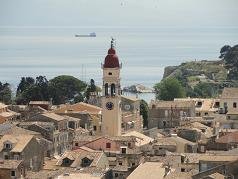
Corfu Town has many beautiful churches, and most are free to enter, with painted ceilings and icons on the walls. The Orthodox cathedral, Panagia Spiliotissa, stands at the top of a stairway leading up from the old harbour; it was built in 1577, became a cathedral in 1844 and is dedicated to the Byzantine empress Saint Theodora, whose remains rest in a silver casket beside the altar. The Church of St Spiridon, with the highest bell tower on the island and a red dome, stands at the end of Spiridon Street and is the holiest place on Corfu. It was built in 1589 and holds the mummified body of Saint Spiridon, smuggled from Constantinople in 1453; born in Tremithous on Cyprus in the year 270, Spiridon became a bishop, died in 350 and is the patron saint of Corfu, credited with saving the island from famine and plague.
Palaeopolis and Mon Repos
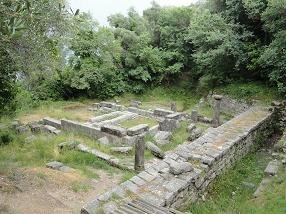
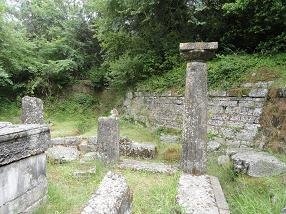
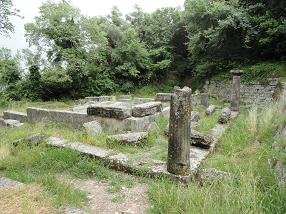
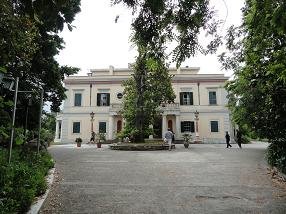
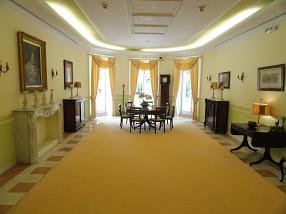
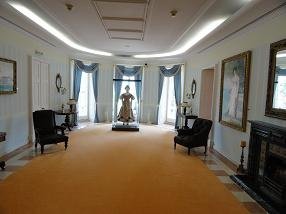
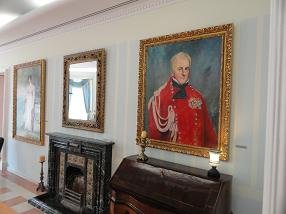
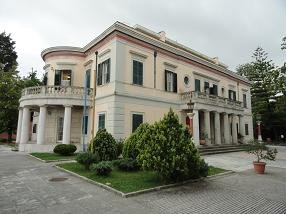
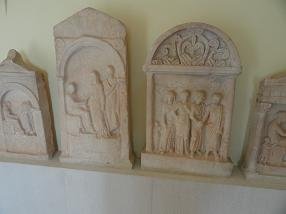
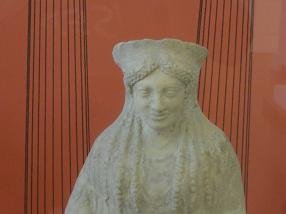
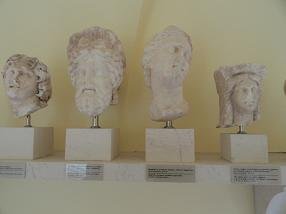
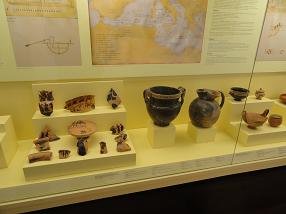
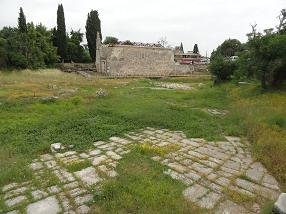
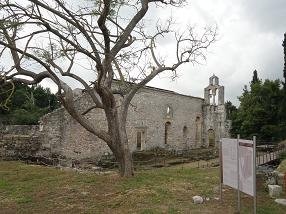
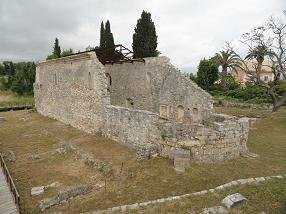
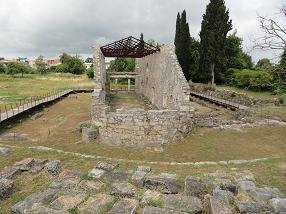
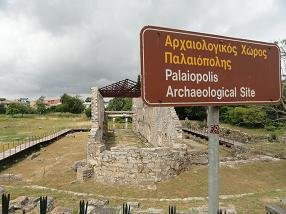
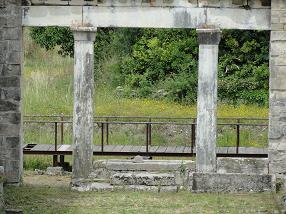
The remains of the ancient town lie about half an hour's walk along the sea from the centre, at the small castle of Mon Repos, in an area now called Palaeopolis, the old city. Here you can see the ruins of an aqueduct, a Doric temple and a Heraion; the temple is fairly well preserved and was probably dedicated to Poseidon, the god of the sea. Entry to the small Mon Repos palace costs 3 euros and is worthwhile: it was built in 1828 for the English high commissioner Frederick Adams as a gift for his wife, later passed to the Greek royal family, and now displays restored furniture and archaeological finds such as coins, grave statues, jewellery, pottery and marble heads, one of which is thought to be Alexander the Great. Just outside the grounds stands the 5th-century Church of Agia Kerkira, the oldest church on the island, built on the foundations of an old temple.
The Platytera Monastery
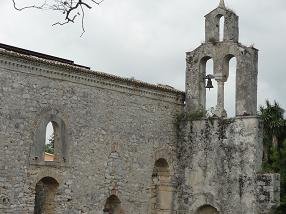
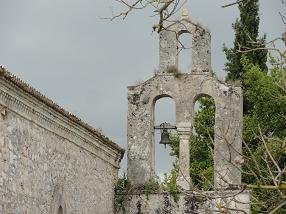
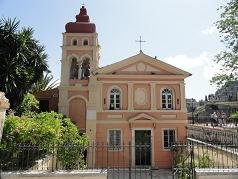
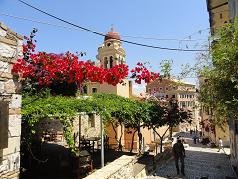
The Platytera Monastery lies in the east of Corfu Town at the end of Andreadi Ioulios Street, south of the Avrami hill between the San Rocco and Mandouko districts. The monastery was founded in 1743 by the monk Chrisanthos Syropoulos, born on the island of Lefkas, and is notable for its tall bell tower with a red dome. Its courtyard holds a church filled with icons made by two monks from the island of Zakynthos. The French burned the monastery in 1798 but removed its treasures first, and it was rebuilt afterwards; the 28-metre bell tower was added in 1866 and a wall around the monastery in 1900.