The Beaches of Kasos
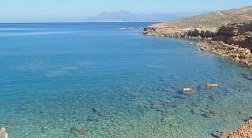
Kasos has few beaches that can be reached on foot, so the best swimming is at the organised beach at Emborio, the remote Helatros beach in the south, and Marmara beach on the nearby islet of Armathia. A beach lies near Agia Marina west of the capital, pebble coves at Fokiokamara and Antiperatos reward a walk across the hills, and in high season caiques carry day-trippers over to Armathia. Roads on Kasos are scarce, so much of the coast stays extremely quiet.

- On foot
- Emborio, Agia Marina
- Most remote
- Helatros
- Best sand
- Marmara, Armathia
- Pebble coves
- Fokiokamara, Antiperatos



Agia Marina and Emborio
Kasos keeps its two easiest beaches near the capital, Fry. A beach lies west of the town near the village of Agia Marina, and Emborio, the old ferry harbour 1 kilometre from Fry, has an organised beach with a couple of taverns. Kofteri beach sits close to Fry as well, about 500 metres from the studios at Galanou. These are the beaches most people reach on foot from the capital.
Helatros beach
Helatros, also spelled Chelatros, is the most remote beach on Kasos, in the south about 13 kilometres from the capital. You reach it by the asphalt road that runs south. It is a sandy beach with small rocks and large pebbles, set on a natural harbour that was already used in Minoan times. The beach has no facilities and lies isolated, so bring water, sunblock and something to eat. Helatros is a favourite with windsurfers.
Fokiokamara and Antiperatos
The three pebble beaches of Fokiokamara can be reached on foot, as can the pebble beach of Antiperatos. Roads on Kasos are scarce, so a large part of the island stays extremely quiet, and walkers cross the hills to reach these coves.
Armathia and Marmara beach
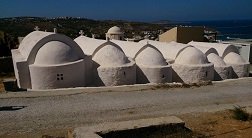
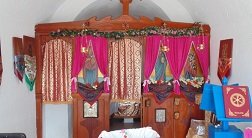
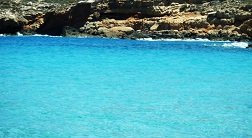
Armathia is an uninhabited islet north of Kasos, reached by caique from Fry in high season and the largest of the islets around Kasos. It holds three beaches: Marmara, Karavostasi and the small Apopantoula. Marmara is a sandy beach ringed by blue-green water and counted among the prettiest in Greece. In 1951 eight people still lived on Armathia, and at its peak about 100 residents mined a mineral used to make plaster; only the Ypapanti church still stands among the ruins of houses and stables.