Samos Sights: Heraion, the Eupalinos Aqueduct and the Monasteries
The great sights of Samos gather around Pythagorion - the UNESCO sanctuary of Heraion, the 1,350-metre Eupalinos aqueduct and the castle of Lykourgos Logothetis - with mountain monasteries, the museum in Vathi and the waterfalls of Potami spread across the rest of the island. Pythagorion and the Heraion are both on the UNESCO World Heritage list, and a regular bus links the two. For the towns and villages themselves, see the Samos island guide. Hire a car to explore Samos at your own pace, covered in our Samos car hire guide.
- Heraion
- 6 km from Pythagorion
- Heraion temple
- 105 × 52 m
- Eupalinos tunnel
- 1,350 m (529–524 BC)
- Oldest monastery
- Moni Vronda (1566)


Sanctuary of Heraion (Ireon)
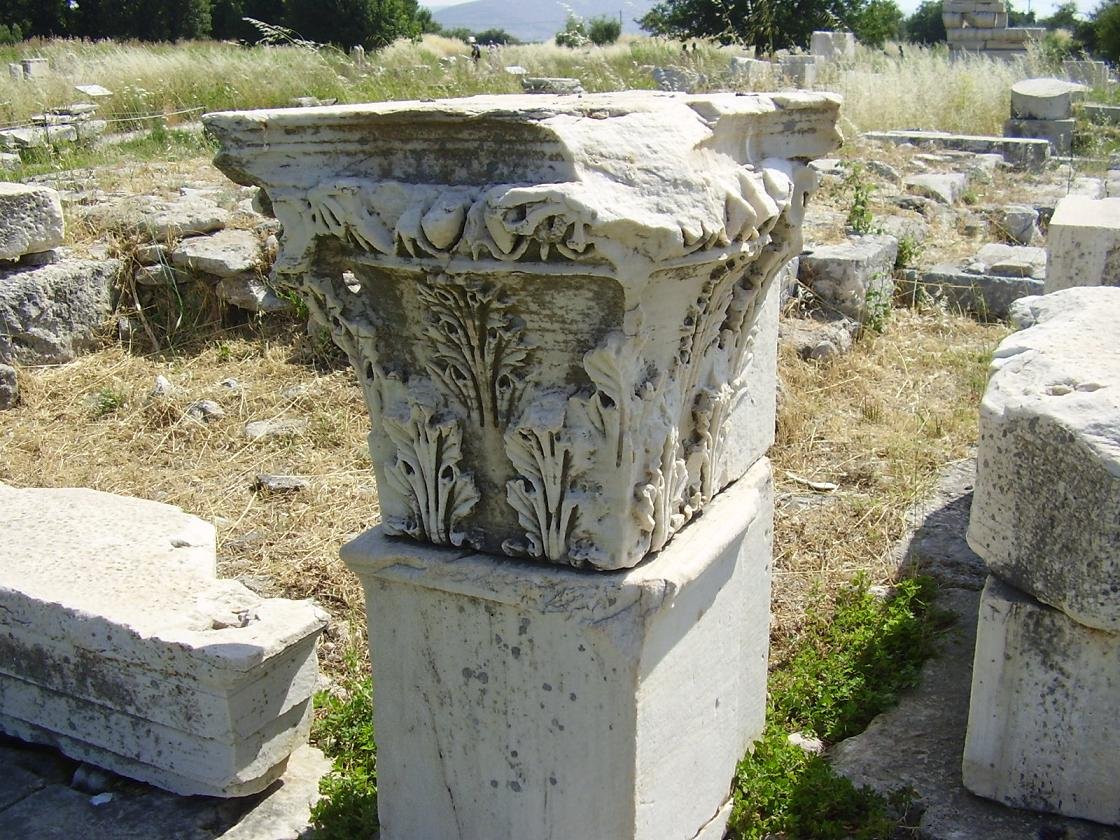
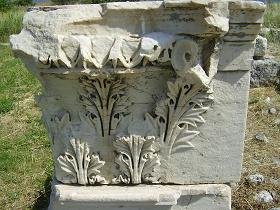
The Heraion (Ireon) is the most famous ancient sight of Samos, the sanctuary of the goddess Hera 6 kilometers from Pythagorion. It was built because people believed Hera, the wife of Zeus, was born on Samos; the first temple was raised in prehistoric times and destroyed by invaders, rebuilt in the 7th and 8th centuries BC and destroyed again by the Persians. The great temple was built under the tyrant Polycrates to show his power and wealth, in the Doric and Ionic orders, measuring 105 by 52 metres, with two rows of 21 columns on the long sides and 8 to 10 on the short sides, the columns more than 20 metres high - in its time the largest temple in Greece. Today only remains survive, along with the thermal baths, the grand altar and a Roman temple pavilion; the one column still standing is 10 metres high. A marble-paved sacred road, once lined with statues, ran across the Chora plain to the ancient capital at today's Pythagorion. The site is open Tuesday to Sunday from 8:30 to 14:00 with a small entrance fee, and the most important finds - large statues of young men and women - are now in the Archaeological Museum of Vathi.
Castle of Lykourgos Logothetis, Pythagorion

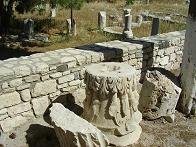


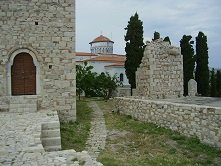
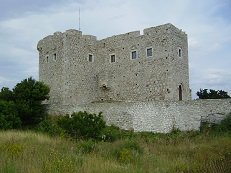
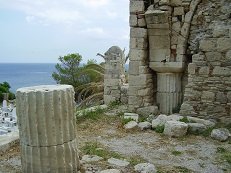
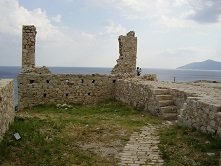

The Castle of Lykourgos Logothetis stands on a hill in Pythagorion, built in 1824 by Lykourgos Logothetis, leader of the Samos revolution against the Turks, using the foundations and stones of the old palace of Polycrates that once stood on this strategic spot. In its yard are two Roman galleries and the remains of late-Christian churches. On 6 August 1824 the people of Samos won a victory over the much larger Turkish army and proclaimed the island's independence, and the Metamorfosis church next to the castle was built to honour it. The village graveyard and small archaeological finds - remains of columns, an early-Christian basilica and low walls - lie between the church and the castle.
Archaeological Museum, Vathi
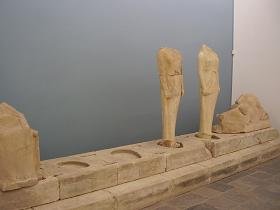


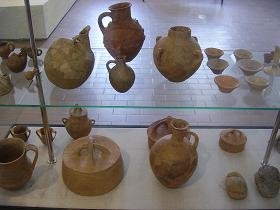
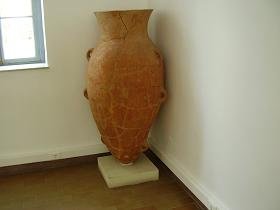
The Archaeological Museum in Vathi (Samos Town) holds many finds from around the island, including the archaic sculpture collection and the famous colossal Kouros. The Kouros was made under Polycrates, whose works all had to be grand and powerful, and many of the original artefacts from the Heraion are kept here.
Panagia Spiliani Monastery, Pythagorion


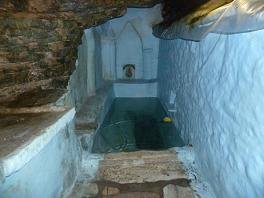


The Panagia Spiliani Monastery - the Cave of the Virgin Mary - lies a little north-west of Pythagorion, where 95 steps lead down into a large cave with a church dedicated to the Virgin Mary. Inside is a very old, faded marble icon of the Panagia Spiliotisa. The shrine sits at 125 metres altitude on the hill Ampelos, with a terrace for a drink or a souvenir and a fine view over the coastal plain and the sea; at the back of the cave water drips into a bowl and is said to have healing powers.
Roman baths and mosaics, Pythagorion

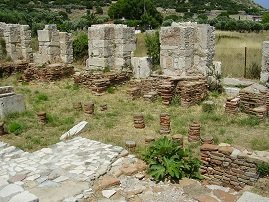
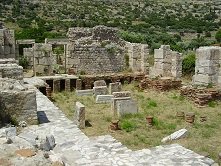
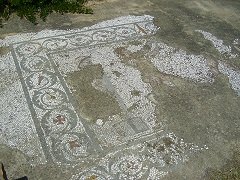


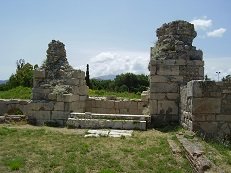


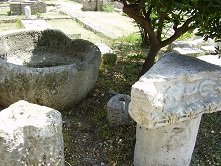
Half a mile south of Pythagorion, on the road to the airport, are the remains of a large Hellenistic gymnasium whose western part the Romans turned into a public bath. You can see low walls and marble floors, a Roman mosaic floor and an early-Christian basilica; the stone columns once supported a floor with underfloor heating, fed with heat from a basement where servants worked. The site is open Tuesday to Sunday from 9:30 (Wednesday 10:30) to 14:30, with free entrance.
Ancient theatre of Pythagorion
The ruins of an ancient theatre stand in Pythagorion near the Monastery of Spiliani, believed to be the theatre of the ancient town that stood where Pythagorion is today.
Aqueduct of Eupalinos and the city walls
The Aqueduct of Eupalinos is one of the most impressive works built under Polycrates, between 529 and 524 BC - a tunnel-aqueduct 1,350 metres long driven straight through a mountain by slaves who dug from both ends and met in the middle. The water itself ran through pipes set 4 to 9 metres lower, and it took five and a half years to dig the tunnel before the pipeline could be cut from inside it. The tunnel is a little outside Pythagorion and open to the public except Mondays, 8:30 to 14:00; the signs "tunnel" and "orygma" lead to it. The path from the car park passes the old city walls, with clearly visible guard towers and a wide view over Samos, the airport and the salt pans.
Waterfalls of Potami


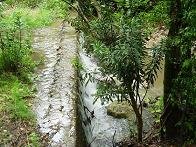
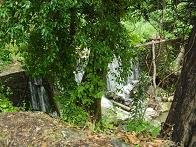

The area of Potami, 3 kilometers west of Karlovasi, is one of the most beautiful parts of Samos. A walk along the river through the forest leads to a small lake and the Potami waterfalls, whose beauty enchants every visitor.
Cave of Pythagoras, near Kambos
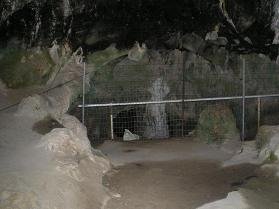


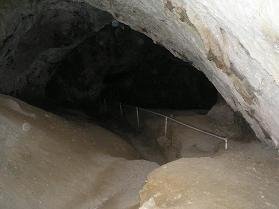
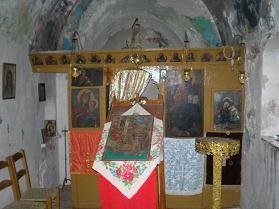
The Cave of Pythagoras, near Kambos, was the refuge of Pythagoras when he was on the run from Polycrates, reached by steps some 300 metres up from the car park. A second cave has been opened close to the main one and is said by some to be the real cave of Pythagoras, who spent much of his life in exile in Italy.
Genovese castle near Potami
A small Genovese castle can be reached on a detour from the Potami falls. The path starts beside the church on the way to the falls and is clearly signposted; the way up is steep but worth it for the ruins and the view.
Zoodochou Pigis Monastery


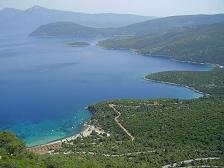
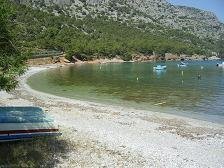

North-east of Vathi (Samos Town) stands the 18th-century monastery of Zoodochou Pigi, set on one of the higher points of Samos and considered one of the finest on the island, still in use. The views are very beautiful and there are beaches below the mountain; dress properly to look inside, and note that taking pictures is not allowed.
Manolates and the Valley of the Nightingales
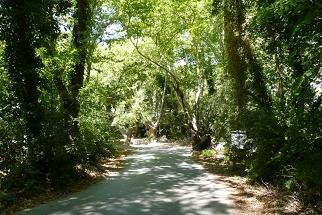
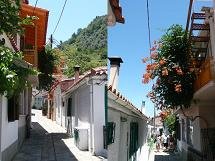


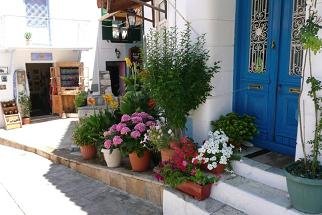
In the north of Samos, between Karlovasi and Kokkari, lies the Valley of the Nightingales, with the village of Manolates at its top. About a mile after turning off the main road you reach a car park opposite a taverna, and from there you can walk around this beautiful valley.
Vourliotes and Moni Vronda
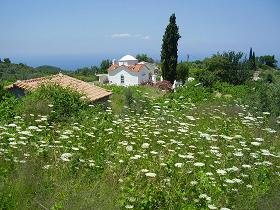

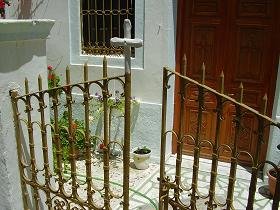
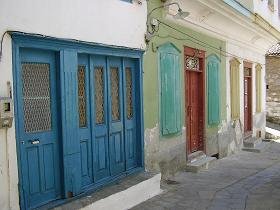
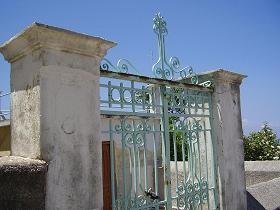
Following the coast road from the Valley of the Nightingales towards Kokkari brings you to Vourliotes and Moni Vronda. Vourliotes is an interesting mountain village, and Moni Vronda is the oldest monastery on Samos, a fortress-like building with incredible views over the valley.
Moni Vronda Monastery

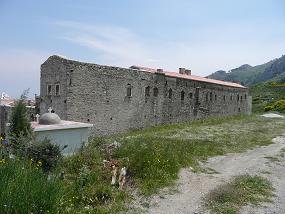
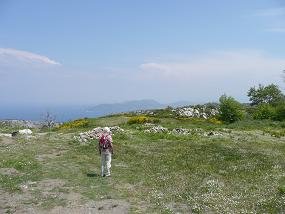


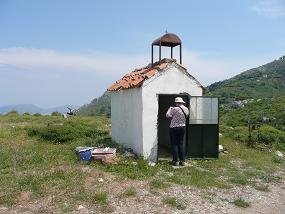


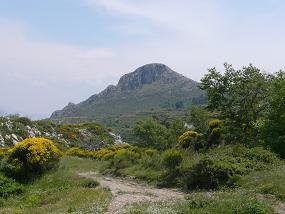
The Moni Vronda Monastery, dedicated to Maria, stands at 480 metres on the slope of Mount Lazarus in the Ampelos mountains, 2 kilometers south of Vourliotes and also reached by a 7-kilometer marked track from Kokkari. It is the oldest monastery on Samos, founded in 1566 by the monks Makarios and Iakobos, and takes its name from the frequent thunderstorms of the mountain ("vronda" is Greek for thunder). The 2000 fires that devastated Samos badly damaged the monastery and its surroundings, and the immediate area is now largely military, with only a few soldiers living there - so check whether it is open. Restored to its old glory in 1960, it is three storeys high with a fortress-like look, and inside the church is a beautiful wooden iconostasis with icons from the 18th and 19th centuries, the most important an icon of Maria.
Timiou Stavrou (Holy Cross) Monastery
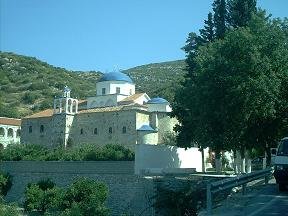
The Timiou Stavrou Monastery lies 2 kilometers south of the quiet village of Mavratzei, near Koumaradei. It was founded in 1592 and enlarged in the 17th and 19th centuries, with a friendly courtyard full of flowers and plants and a church with blue domes. The three-aisled basilica has a beautiful carved wooden iconostasis inside; as usual, photography is not allowed. Wine grapes are grown around Mavratzei and, as in Koumaradei, many people make pottery.