
Alonissos Sights: The Marine Park, the Monk Seal and Ancient Ikos
The marquee sight of Alonissos is the National Marine Park over the uninhabited islands north-east of the island. The park shelters the Mediterranean monk seal and rare birds across islands such as Kyra Panagia, Gioura and Piperi. On Alonissos itself the ancient city of Ikos lies at Kokkinokastro, Byzantine churches and monasteries dot the land, and a four-storey museum in Patitiri holds the island's history. This guide sits within the Alonissos island guide. Hire a car to explore Alonissos at your own pace, covered in our Alonissos car hire guide.
- Group
- Sporades
- Ancient name
- Ikos
- Marine park
- Zones A & B
- Museum founded
- 2000
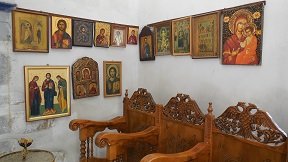
The National Marine Park
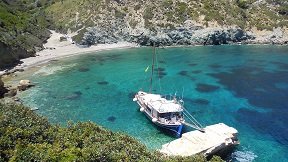
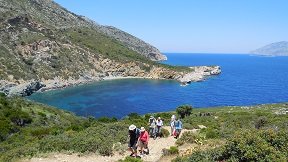
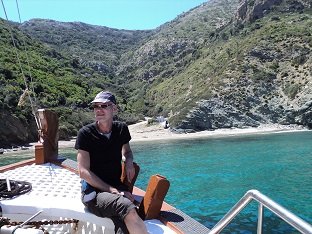
The National Marine Park of Alonissos Northern Sporades protects the uninhabited islands north-east of Alonissos as a nature reserve. The park is divided into two zones with different rules. Zone A carries more restrictions than Zone B, which is completely open for visits. In some parts of Zone A you may approach, swim or take pictures, but reaching certain islands needs special permission from the responsible authority. Excursion boats run to the park and the coastline from the harbour of Patitiri.
The Mediterranean monk seal
The Mediterranean monk seal (Monachus monachus) is the protected species at the heart of the marine park. The seals shelter among the uninhabited islands off Alonissos. Part of the population lives on Gioura, and the island of Piperi is the natural refuge of the seal. Approaching or visiting Piperi is prohibited to keep the colony undisturbed.
Kyra Panagia
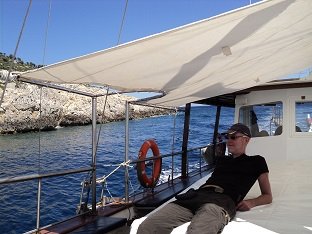
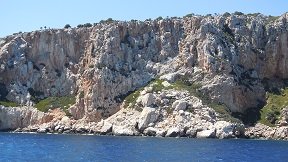
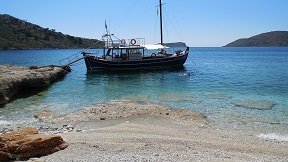
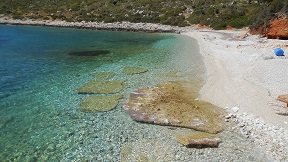
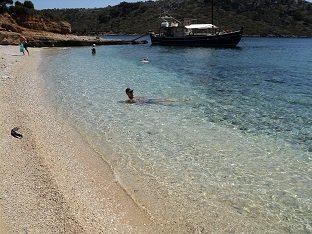
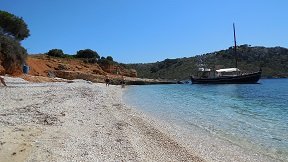
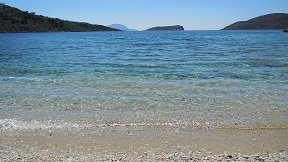
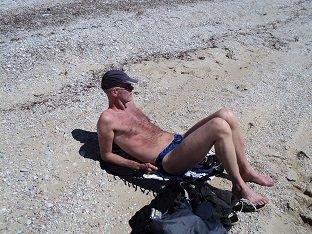
Kyra Panagia is the largest of the marine-park islands at 25 km2. It is a hilly island with a monastery on it and two deep natural bays that serve as harbours, Agios Petros and Planitis. The name once belonged to the island now called Alonissos, before the names were reassigned after the war of independence. Boat trips from Patitiri take in the island as part of the park.
Gioura
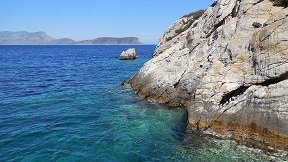
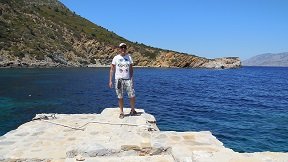
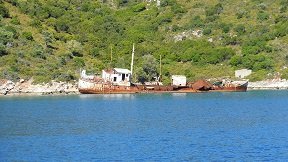
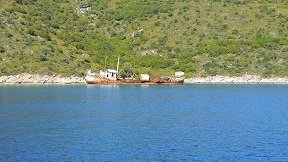
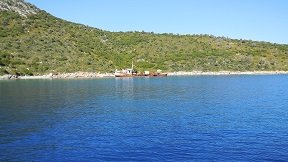
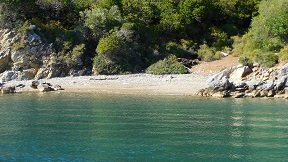
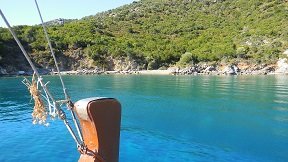
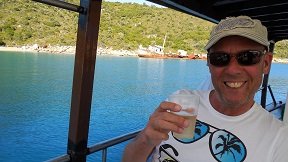
Gioura is a rocky, pine-covered island known for its rare plants and a unique wild goat. The island holds a beautiful cave, and part of the monk-seal population lives here, so visits are restricted. A large variety of birds nest on Gioura, among them around 800 falcons. Because of the seals and the wildlife the island is not freely open.
Piperi
Piperi is the natural shelter of the protected monk seal, and approaching the island is prohibited. On the island and in the water off its coast lie caves with stalactites and stalagmites. Steep cliffs on the nearby island of Skantzoura hold rare falcons and the rare Aegean seagull. Piperi sits in the strictest part of the reserve.
Psathoura & Skantzoura
Psathoura is the most northerly island of the group and volcanic in origin. A 25-metre lighthouse stands on it, and the island has a beautiful sandy beach. Psathoura is relatively flat and barren, rising only between 10 and 15 metres above the sea, and it can be visited freely without restriction. In the sea in front of the coast lie the ruins of an ancient city. Skantzoura, about 8 km2, lies between Alonissos and southern Skyros, holds an old and abandoned monastery, and is a forbidden area.
Peristera
Peristera lies in Zone B and is about 16 km2 and rather barren. The island is the habitat of some goats and, unlike Alonissos, has no pine forests. Graves found on Peristera suggest it was inhabited in ancient times. The island does have a number of nice beaches and two shepherd's houses. Being in Zone B, it is open to visits.
Ancient Ikos & Kokkinokastro
In ancient times Alonissos was called Ikos, and the remains of the city of Ikos lie at the beach of Kokkinokastro. The burial grounds of the city sit partly in the sea. People lived here as far back as the Mesolithic period, from 10,000 to 5,000 BC, and even Old Stone Age tools have been found. Around 500 BC, in the classical period, a wall was built around the city, and snorkellers at Kokkinokastro can still see its remains under the water. One of the tombs at Kokkinokastro is thought to belong to King Peleus, the father of Achilles. Kokkinokastro is one of the island's beaches.
Shipwrecks & the amphora sites
Many shipwrecks from the classical and Byzantine periods have been found around Alonissos, showing that the island stood on an important sea route. Wine was the main export, and amphorae from the island were inscribed with the name Ikion. Behind the beach of Tsoukalia, whose name means pots, ovens made these amphorae around 400 BC, and potsherds still turn up there and in the sea in front. The area behind Tsoukalia is now a protected archaeological site. At the bottom of the sea off Marpounta lie the remains of a temple thought to be dedicated to Asclepius, the god of medicine.
Byzantine churches & monasteries
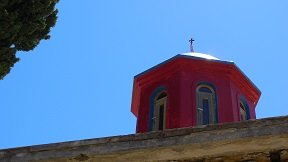
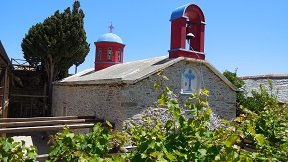
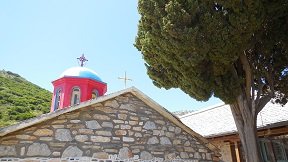
Alonissos keeps churches and monasteries from the Byzantine period across the island. A basilica stands behind the beach of Agios Dimitrios, which took its name from a Byzantine monastery destroyed by pirates, and further churches lie near Agios Petros beach and at Agios Andreas. In the west of the island the small 13th-century monastery church of Agioi Anargyroi sits beside the remains of its old monastery, between Megali Ammos and Tsoukalia. The monastery of Analipsi stands in the far north of the island. Watchtowers and settlements survive at Agios Yiannis, Steni Vala, Garbitsa and Kastraki.
The Old Town of Chora
Chora, the old capital of Alonissos, sits on top of a hill in the traditional island style. In the classical period one of the island's two towns stood on the spot where Chora now stands. The old town holds three Byzantine churches and the remains of a Venetian fortress. Chora is covered in more detail in the Alonissos villages guide.
The Alonissos Museum


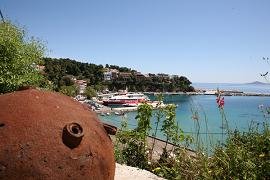
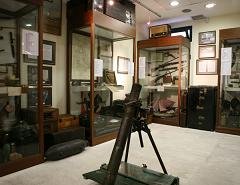
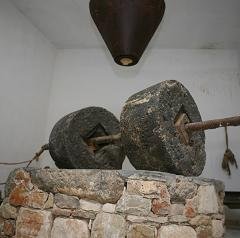
The Alonissos Museum in Patitiri, founded in 2000 by Kostas and Angela Mavrikis, is the largest privately owned museum on any Greek island. The four-storey stone building gathers the cultural heritage of the island. Alongside historical items from Alonissos, the museum focuses on the weapons and objects of the pirates of the Aegean Sea, and each floor carries marble sculptures and paintings. The museum shop opens off the entrance hall without an admission ticket. A separate Traditional House Museum on the main square in Chora furnishes an old stone house as it once was, and its entrance is free.