Karpathos Villages: Olympos, Pigadia & the Mountain Villages
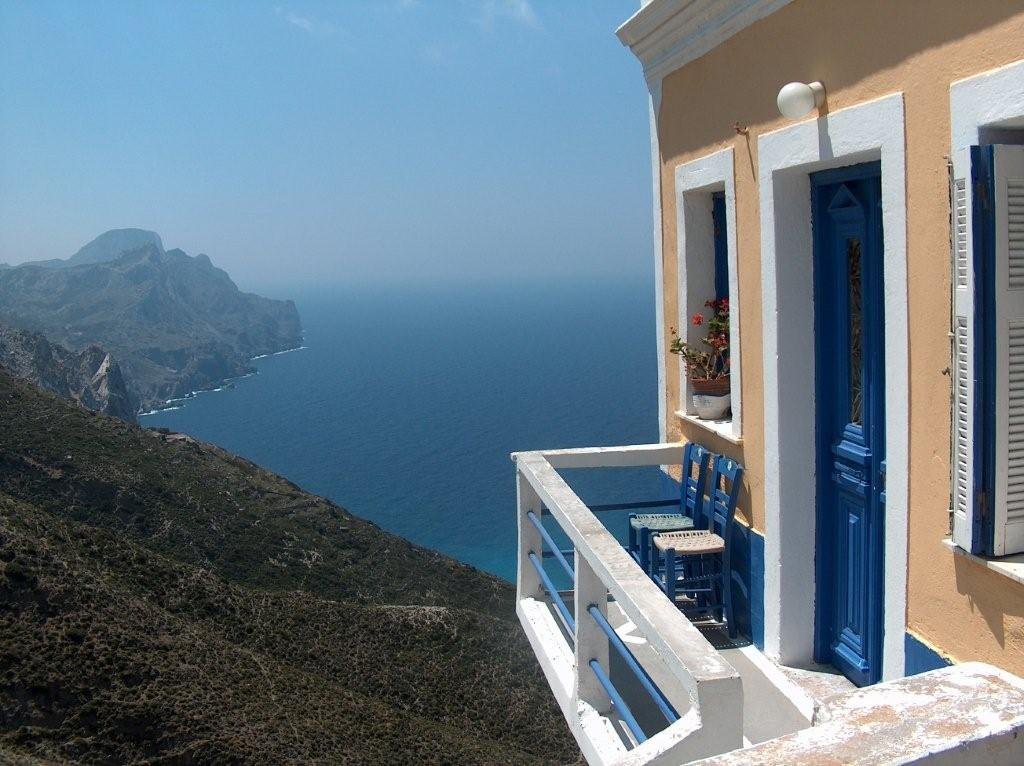
The villages of Karpathos run from the capital and port of Pigadia in the south to the traditional mountain village of Olympos in the north, with a cluster of green highland villages - Aperi, Menetes, Volada and Othos - on the road between them. Many sit off the coast on the slopes of the island's mountainous middle, so a hire car makes reaching them far easier. The northern village of Olympos, reached from the harbour of Diafani, is the island's marquee sight and has its own place in the sights guide. Hire a car to explore Karpathos at your own pace, covered in our Karpathos car hire guide.
- Capital
- Pigadia
- Highest village
- Othos, ~500 m
- Most famous
- Olympos
- Northern port
- Diafani




Pigadia (Karpathos Town)
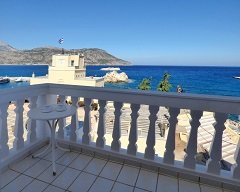
Pigadia, also called Karpathos Town, is the capital and only large town on the island, in the flatter, more populated south, with about 2,500 inhabitants and the airport 18 kilometres away. It lacks a truly historic heart; its best parts are the port and the couple of kilometres of beach that run north of town, the busiest on Karpathos and lined with hotels. Wooden fishing boats, excursion boats and the ferries from Piraeus, Kasos, Chalki and Rhodes come into the port, and restaurants and shops ring the traffic-free boulevard. As the main harbour, Pigadia makes the best base for exploring the rest of the island.
Menetes
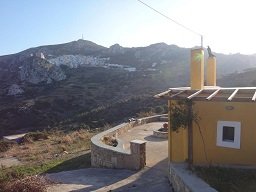
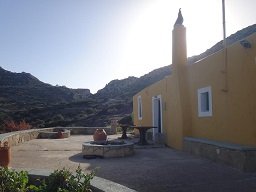
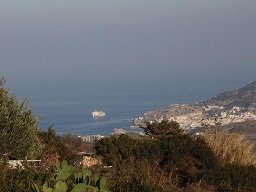
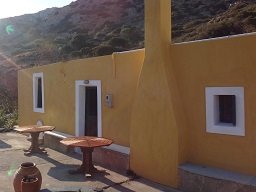
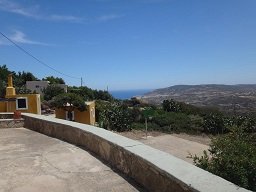
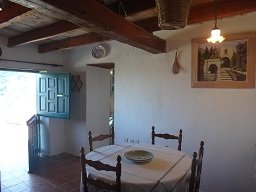
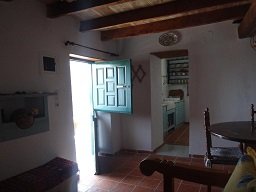
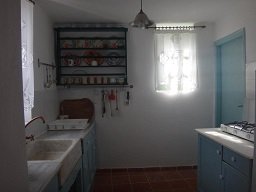
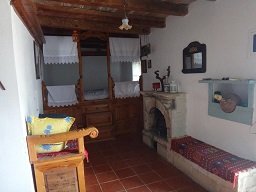
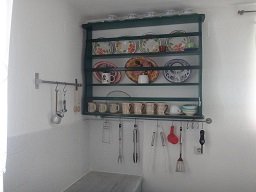
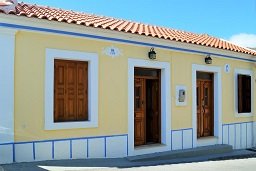
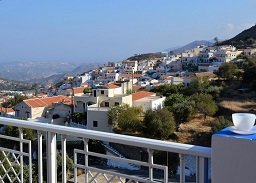
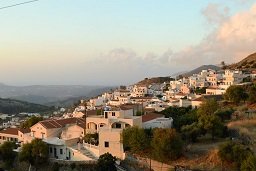
Menetes is a medieval village 8 kilometres south-west of Pigadia at 280 to 350 metres, built in the shape of an amphitheatre against the hills on the road from Pigadia to Arkasa. After Pigadia it is the largest village on Karpathos, with about 350 permanent residents. Its churches include the 19th-century Kimisis tis Theotokou, the largest, which holds an old icon of Mary said to work miracles; the older Agios Antonios church keeps its frescoes, and the Byzantine Agios Mamas church stands nearby. Large neo-classical houses, narrow flower-filled streets, a Folklore Museum and a war memorial complete the village.
Aperi
Aperi is a mountain village 8 kilometres north of Pigadia at 350 metres, the first village on the road north and one of the largest on the island, with about 400 inhabitants. It sits at the foot of Mount Hamali, on which stand the remains of a Venetian castle, built behind the mountains and hidden from the sea. Between 1700 and 1892 Aperi was the capital of Karpathos, and it is still the seat of the archbishop of Karpathos and Kasos. The houses are large and well kept with red roofs, citrus trees and flowers fill the village, and hiking trails run to Achata beach and Kyra Panagia.
Volada
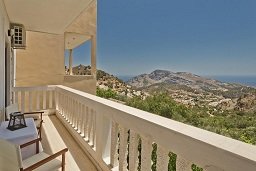
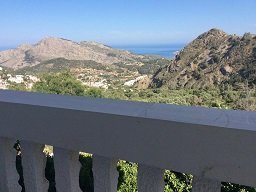
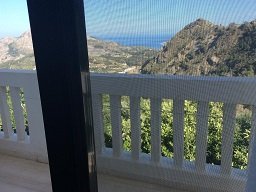
Volada is a small, quiet mountain village a short drive on from Aperi, set among olive groves at about 500 metres with the sea in the distance. It sees hardly any tourists and keeps a traditional feel. From the village, walks run up to Mount Kali Limni, at 1,215 metres the highest peak on Karpathos, and to the Flaskia gorge. Small tavernas serve the village and the neighbouring highland villages.
Othos
Othos is the highest village on Karpathos, at about 500 metres, 12 kilometres north-west of Pigadia, reached from the capital via Aperi and Volada or from the south via Arkasa, Finiki and Piles. About 300 people live here, most of them from farming and stock-rearing, and the houses are generally in good condition, set among lemon trees, bougainvillea and vines. A row of derelict old windmills stands on the hill above the village, which has a mini-market, taverns and restaurants, and many footpaths lead out from it for walkers.
Piles
Piles is a small mountain village on the west side of Karpathos, on the road that links the highland villages of Othos and Volada with Finiki and Lefkos on the coast. It sits among the green, terraced slopes of the island's mountainous middle. Like its neighbours it stays quiet and traditional, well off the main tourist routes.
Spoa
Spoa is a village in the centre of Karpathos, at the junction where the paved road turns north towards Olympos and Diafani. The route from Aperi runs on through Spoa to the north of the island, so it is the point where drivers head for the traditional village of Olympos. A short unpaved stretch remains on the road on to Olympos.
Olympos
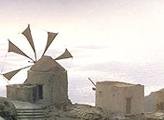
Olympos is the most dramatic and photogenic village on Karpathos, a protected traditional settlement in the north where many older residents still wear the island's costume. The village dates from 1420 and is known for its old stone windmills, its narrow streets of souvenir shops and a small house-museum of embroidery. It was built hidden on the mountain to escape pirate raids. You can reach it by bus from the harbour of Diafani, and organised excursions run from Pigadia to Diafani and Olympos every day; its churches and history are covered in the sights guide.
Diafani
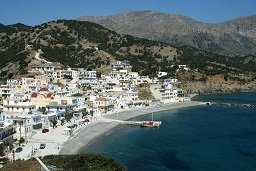
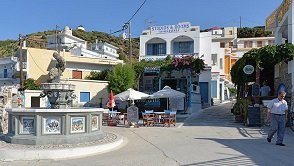
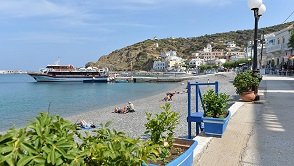
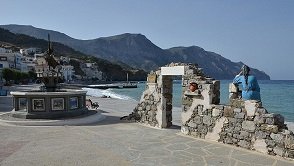
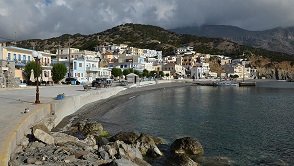
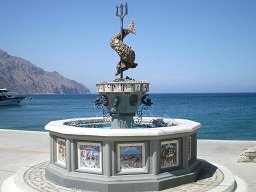
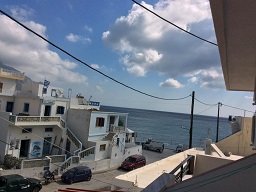
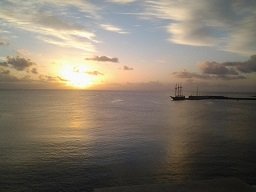
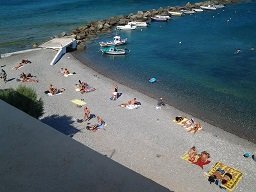
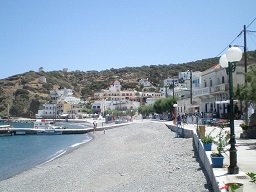
Diafani is a traditional fishing village and the second port of Karpathos, in the north-east about 70 kilometres from Pigadia, and in ancient times it was the harbour of Olympos. Many ferries between Pigadia and the island stop here, and a fairly regular ferry runs the route in about an hour, with excursion boats in high season. Olympos is a 10-minute, 8-kilometre drive away, and boats leave Diafani for the islet of Saria to the north. Besides the grey-pebble village beach, Vandana beach lies a half-hour walk to the north, passing quiet coves along the way.
Avlona
Avlona is the most northerly village on Karpathos, a small traditional farming settlement in a valley between the mountains of Steoe and Oros, about 8 kilometres from Olympos. Few people live here - 16 at the 2001 count - and many houses stand empty, their walled plots keeping the round stone floors once used for threshing grain. Islanders still come up to farm at harvest time. Walking paths lead over the mountains to Diafani and to Vananda and Vroukounda beaches, and some Olympos excursion buses drive on to Avlona; a small taverna serves visitors.