Kimolos Beaches: Aliki, Kalamitsi, Prassa & Ellinika
Nearly all the beaches of Kimolos lie on the sheltered south and south-east coast, an easy walk from the port of Psathi, with sand that is often white or red. Aliki, Bonatsa and Kalamitsi have the largest stretches of golden sand, Agios Georgios has white sand, and Prassa sits apart on the north-east coast near a mine. Ellinika in the west is the island's quiet naturist beach, set over the remains of the sunken ancient capital. This guide sets out the beaches by area.

- Coast
- South & south-east
- Sand
- White & golden
- Naturist
- Ellinika
- Getting there
- On foot from Psathi




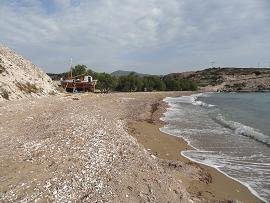
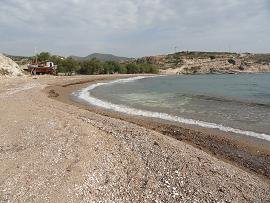
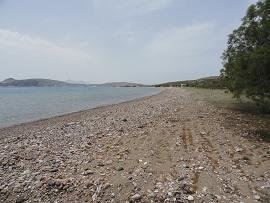
The south-coast beaches
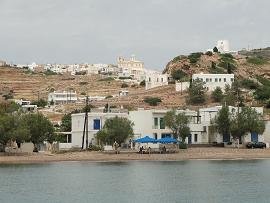
The south and south-east coast holds nearly all the beaches of Kimolos, sheltered from the wind and easy to reach on foot from Psathi. The sand is often white or red, and the beaches range from organised stretches with cafeterias to quiet, rustic coves.
Aliki, Bonatsa and Kalamitsi
Aliki, Bonatsa and Kalamitsi have the largest beaches of golden sand on the island, side by side on the south coast. Aliki is the bathing resort, with cafeterias, a sandy beach and a medicinal sulphur spring, and Bonatsa and Kalamitsi lie a short way along the same shore, about 150 metres apart.
Agios Georgios and the south-east
Agios Georgios has white sand, and the beaches of Livadaki, Klima, Rema and Psathi, the port itself, fill out the south and east. The cove of Goupa, a short distance from Psathi, has a beautiful beach with a couple of tavernas.
Prassa and the north
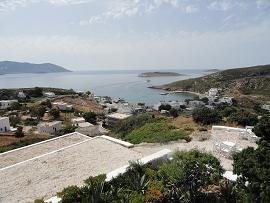
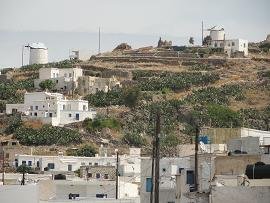


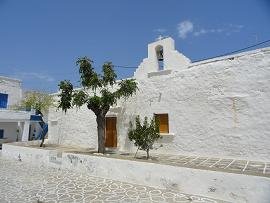


Prassa lies on the north-east coast near a mine, reached by a road from Chora, and is one of the sandiest and best beaches on the island. Further round, the north and west hold quieter, harder-to-reach beaches such as Soufi and Monastiria in the north and Ormos or Athinia and Kastro in the west.
Ellinika and Kambana
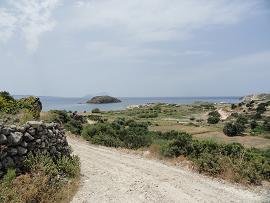
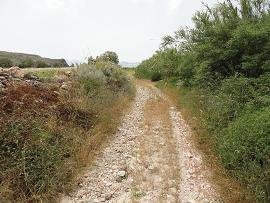

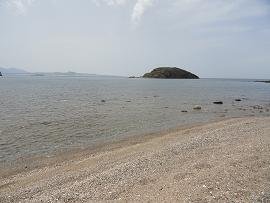
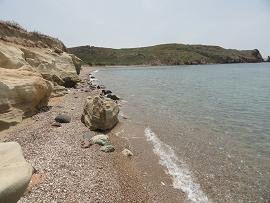
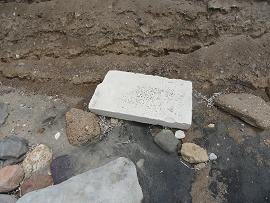
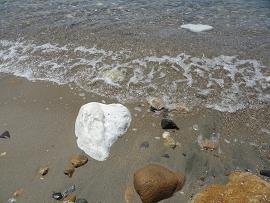

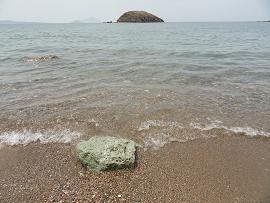
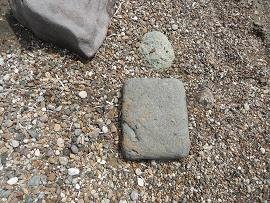
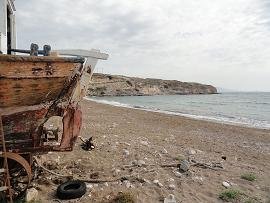
Ellinika, on the west of the island, is a quiet beach that serves as the island's unofficial naturist beach. It can be reached on foot from Psathi in about an hour, and it lies over the remains of the ancient capital, which sank into the sea between Kimolos and the islet of Agios Andreas. Near Kambana beach are the remnants of a number of Mycenaean tombs.
Beach walking on Kimolos
Many of the beaches are reached on foot, and if you walk on Kimolos it is best to keep to the footpaths and not push through the dense bushes, because there are snakes on the island, including a poisonous viper. Beyond the beaches, the surrounding waters shelter the rare and protected Mediterranean monk seal. The rest of the island is set out in the Kimolos island guide.