
Kimolos Sights: the Kastro, Paliokastro, Ellinika & Polyaigos
The main sights of Kimolos are the fortified Kastro of Chora, the ruined Venetian castle of Paliokastro on the highest point of the island, and the sunken ancient capital at Ellinika. Chora also holds a small Archaeological Museum and old churches from the seventeenth century, while the uninhabited island of Polyaigos lies off the south-east coast. Together they make a quiet island unusually rich in history for its size.

- Kastro gate
- 1556
- Paliokastro
- 355 m
- Ellinika
- 8th century BC
- Polyaigos
- 18 km²




The Kastro of Chora
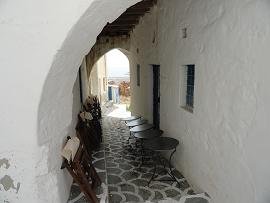
The Kastro is a group of houses in Chora built like a fortress to protect the village against pirate raids. It is more than four centuries old: one of its gates carries the date 1556, and some pieces used in the buildings come from an even older thirteenth-century reinforcement. Chora was laid out like a labyrinth to confuse the pirates, and the village grew outward around the Kastro to its present size. Similar kastros stand on Folegandros and Antiparos, but the one on Kimolos is regarded as the finest, and much of it remains unrestored and in its original state.
Churches and the museum
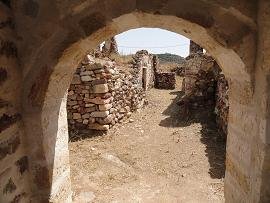


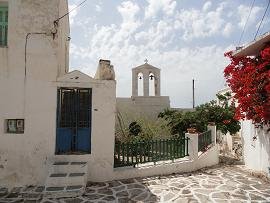


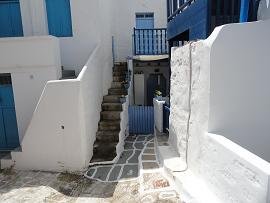


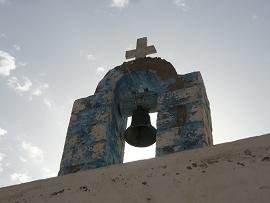
Just north of the Kastro stands the church of Evangelistia, which dates from 1608, and the village also keeps the churches of Taxiarhis (1670) and Chrisostomos (1680), along with a twentieth-century cathedral. Chora holds a small Archaeological Museum, with objects mainly from the excavations at Ellinika. Scattered across the island are further old churches from the sixteenth century.
Paliokastro
Paliokastro is a tower and ruined Venetian castle on the highest mountain of Kimolos, 355 metres high, built by Marco Sanudo. It is easy to reach on foot from Chora and gives wide views over the island and the sea.
Ellinika and Kambana
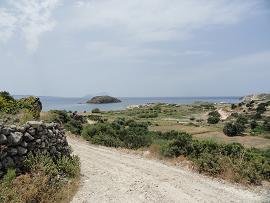
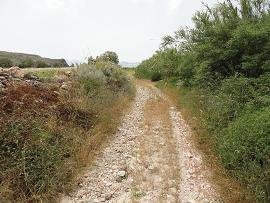

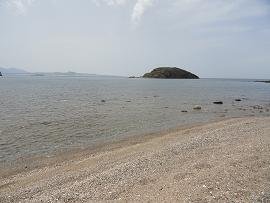
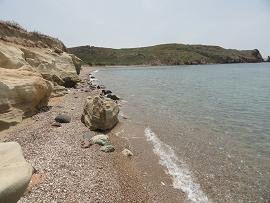
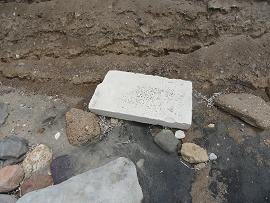
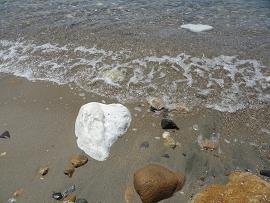

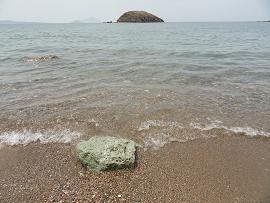
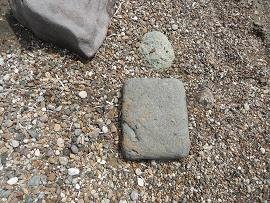
Kimolos was once joined to Milos and was separated by an earthquake, in which the ancient town of Ellinika sank. Its remains lie partly in the sea between Kimolos and the opposite islet of Agios Andreas, on the west of the island, and excavations here have found remains from the eighth century BC. Ellinika is reached on foot from Psathi in about an hour. Near Kambana beach are the remnants of a number of Mycenaean tombs.
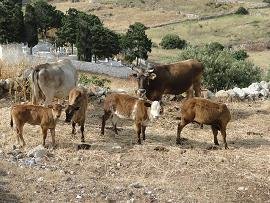
The island of Polyaigos


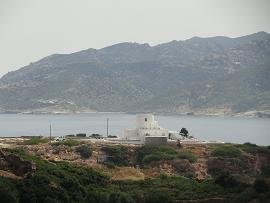


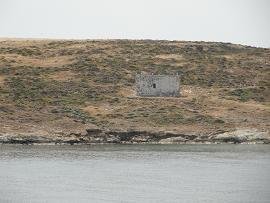


Off the south-east coast lies Polyaigos, an uninhabited island of 18 square kilometres that belongs to the municipality of Kimolos, about 2 kilometres away. Its name means "many goats", and goats are now its only inhabitants; the land is mostly owned by the Greek Orthodox church and rented to shepherds from Milos and Kimolos. It has two mountains, Stroggylo (330 metres) and Psilo Vouno (370 metres), a church to the Virgin Mary from 1622 that was part of a now-deserted monastery, and an automated lighthouse. Polyaigos is the largest uninhabited island of Greece and shelters the protected Mediterranean monk seal, but it has no organised trips and is reached only by private boat. The whole island is set out in the Kimolos island guide.