Samos Villages: Vathi, Pythagorion, Kokkari & the Mountain Villages
Samos keeps its life in a handful of coastal resorts and a scatter of green mountain villages, from Pythagorion and Kokkari on the coast to Vourliotes, Manolates and Koumaradei in the hills. This guide gathers the towns and villages worth a visit, from the capital Vathi and the town of Karlovassi to the herb village of Koumaradei and the car-free mountain village of Manolates. For the island as a whole, see the Samos island guide. Hire a car to explore Samos at your own pace, covered in our Samos car hire guide.
- Region
- North Aegean
- Prettiest village
- Vourliotes
- Herb village
- Koumaradei
- Main north resort
- Kokkari



Pythagorion



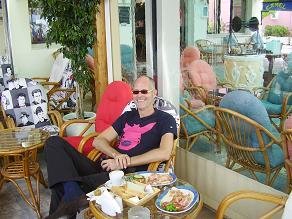

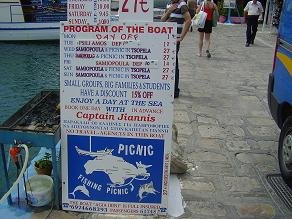
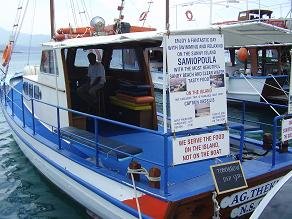
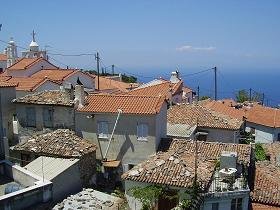
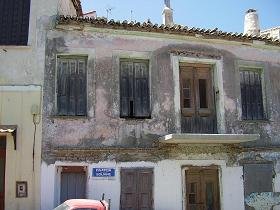
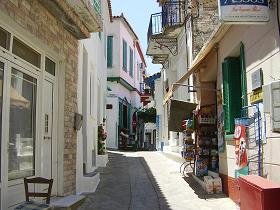
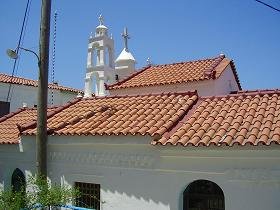
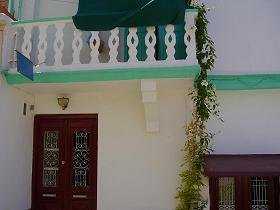
Pythagorion is a busy tourist resort on the south-east coast of Samos, near the airport, named after the mathematician Pythagoras, whose statue stands on the harbour front. The village has many shops, hotels and restaurants and a long, good beach. Ancient sights lie close by - the Eupalinos aqueduct, the castle of Lykourgos Logothetis, an early-Christian basilica and the Roman thermal baths, all covered on the Samos sights page. Boats run from the harbour to the islets of Samiopoula and Agathonisi and along the coast to Psili Ammos. Pythagorion was named Tigani until 1955.
Vathi (Samos Town)
Vathi, also called Samos Town, is the capital of the island, on the north-east coast. It has an impressive harbour front, a main square with lion statues and a narrow parallel shopping street lined with small tavernas. Churches stand in Vathi and in the higher old quarter of Ano Vathi, and the Archaeological Museum holds the colossal Kouros and finds from the Heraion. Four small beaches sit on the edge of town, with Gangou beach just outside. For the capital in detail, see the Samos Town guide.
Ireon
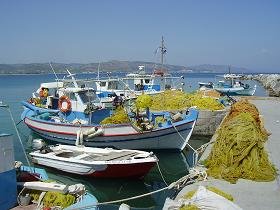
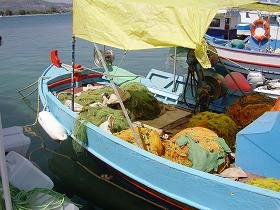
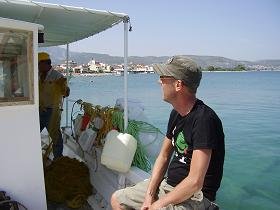
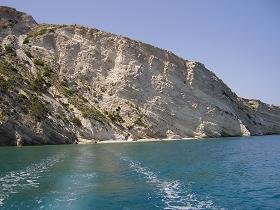
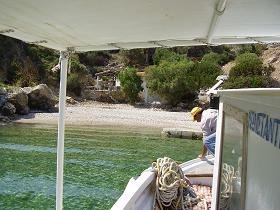
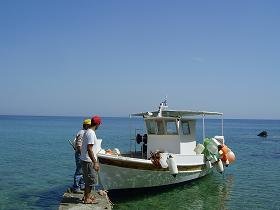
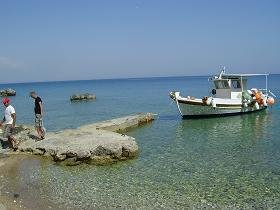
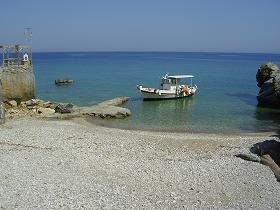
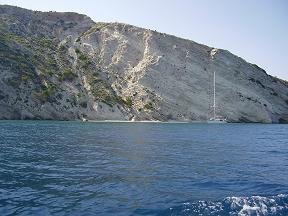
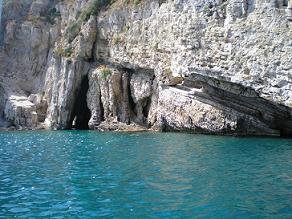
Ireon is a small settlement on the south coast of Samos, close to the airport and a few kilometres from Pythagorion. It is the home of the ancient temple of Hera, the Heraion. The village beach is pebble with some sand and runs towards Pythagorion, so it is a quieter alternative to the resort. A small fishing fleet works from the harbour, which makes it a good place to eat fresh fish, and there are restaurants and cosy streets with shops. For the temple itself, see the Samos sights page.
Kokkari


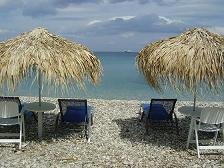
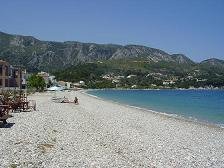
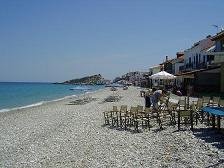
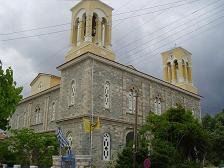
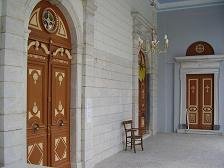
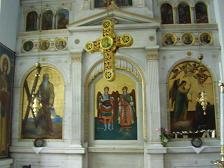
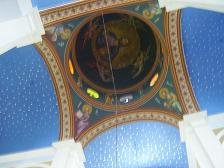
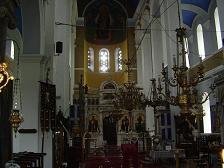
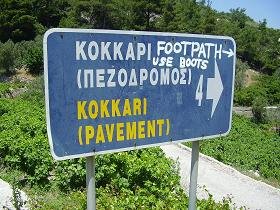
Kokkari is the main tourist resort in the north of Samos, not far from the capital Vathi, with just over 1,000 inhabitants. It has a long pebble beach, many tavernas, supermarkets, tourist shops, car rentals and banks. It is often windy here because the village faces north, which makes it popular with windsurfers. The smaller beaches of Lemonakia and Tsamadou (part naturist) lie within walking distance, and hiking trails run from the village to nearby mountain villages. Its accommodation is mostly pensions, small hotels and apartments.
Karlovassi
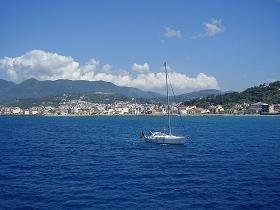
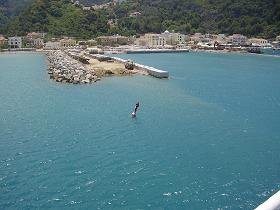
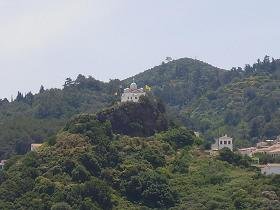
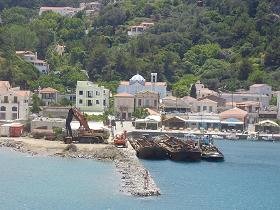
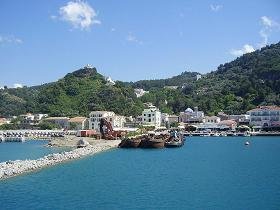
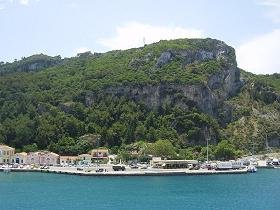
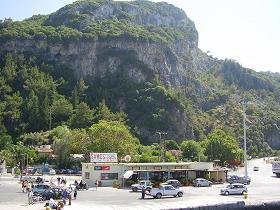

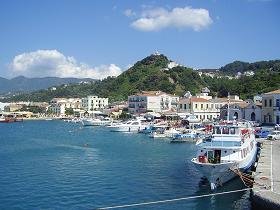
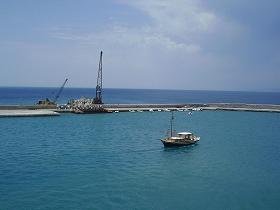
Karlovassi is a large town in the north-west of Samos, more a working town than a beach resort - the ferries leaving Vathi call here before heading on to the Cyclades. It has a small beach with a taverna, sunbeds and parasols, many modern shops, large churches and banks. Old mansions line the waterfront, some restored and some falling apart. The Potami area, 3 kilometres west, has a river walk to a small lake, the Potami waterfalls and a Genovese castle.
Kampos & Votsalakia

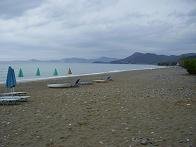

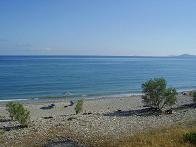
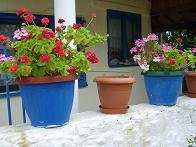
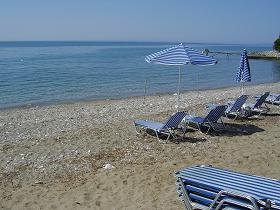
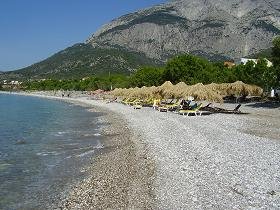
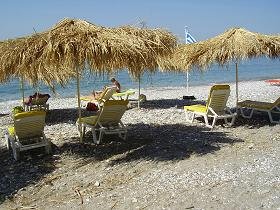
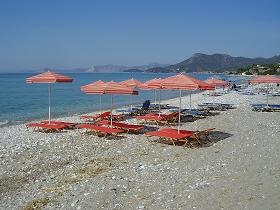
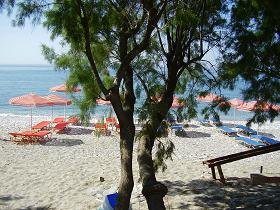
Kampos (Kambos) and Votsalakia lie side by side on one long beach in the south-west of Samos, at the foot of Mount Kerkis. Votsalakia is officially called Kampos Marathokampos but took the name of the Votsalakia hotel that opened here. The beach is long and sandy with a few pebbles, and the village has ATMs, a car rental, supermarkets, a bakery, tavernas and some quiet evening bars. It is calmer than Pythagorion, and this south-west corner is one of the nicest, least-crowded parts of the island. For the beaches here, see the Samos beaches page.
Marathokampos


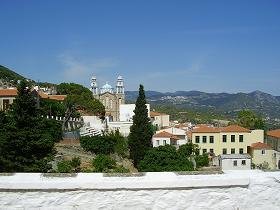

Marathokampos is a large village on a hillside in the south-west of Samos, on the road from Ormos in the south to Karlovassi in the north, and it is the most important village in the area. It has churches, village squares, tavernas, kafenions, a post office and a bank, but almost no tourists and no accommodation to rent - for that you go down to the coast at Ormos Marathokampou and Votsalakia. The village sits among large olive groves, and the people live mainly from olive oil and olive soap. From here there are wide views over the bay and towards Mount Kerkis in the west.
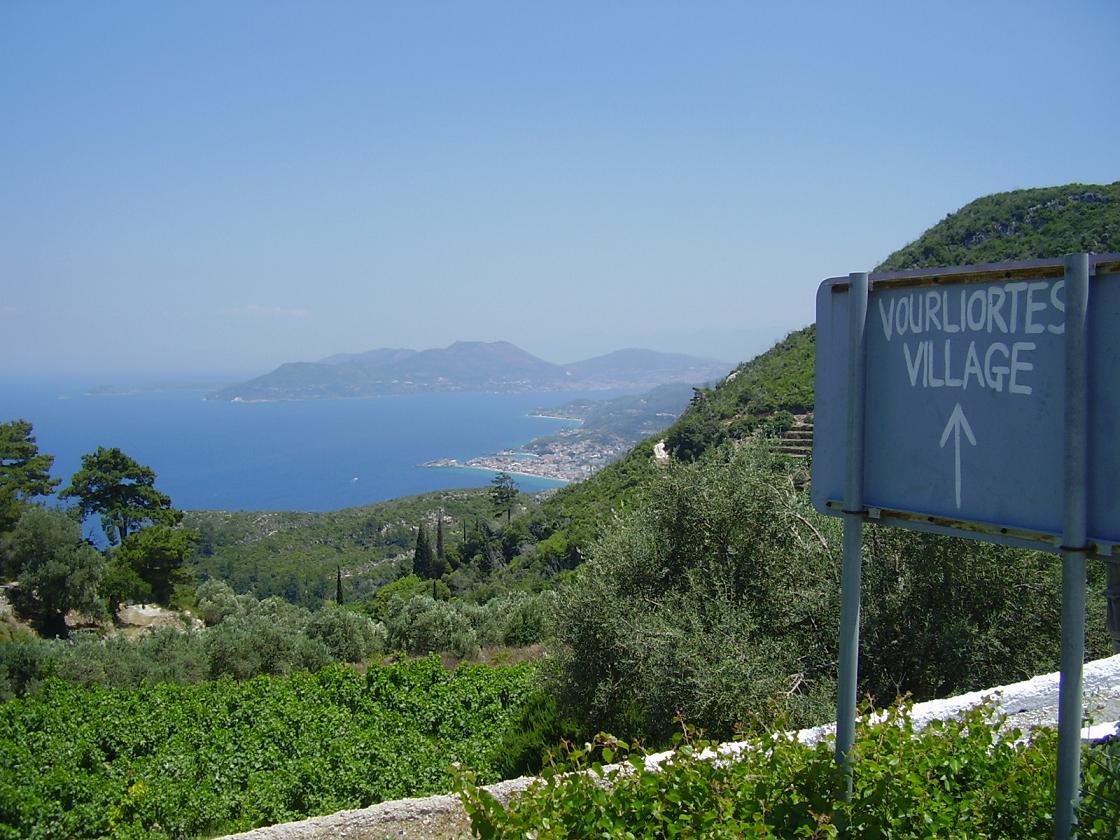
Vourliotes
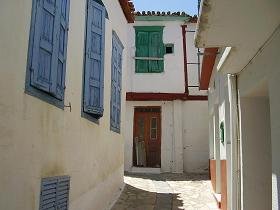
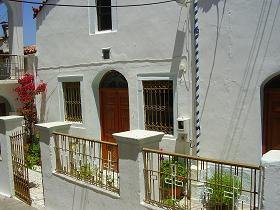
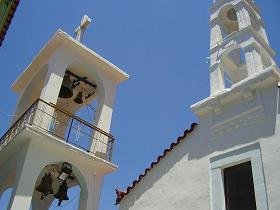
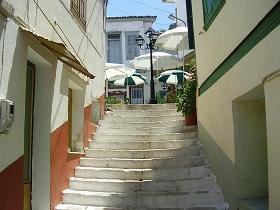
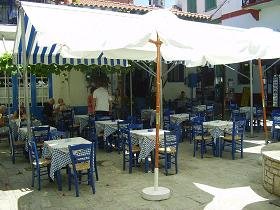
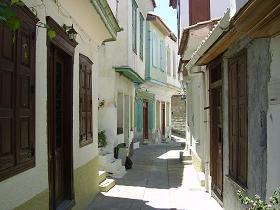
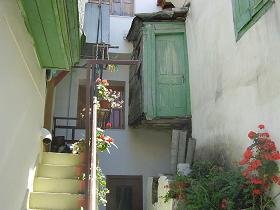
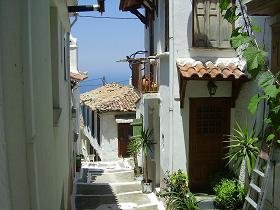
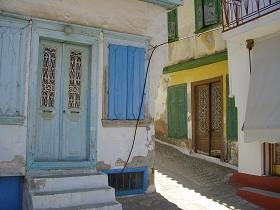
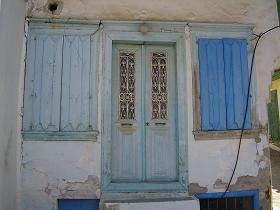
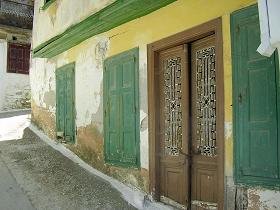
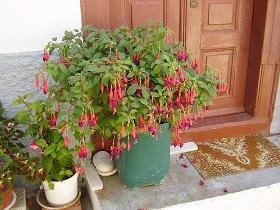
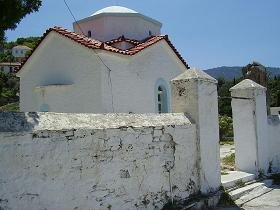
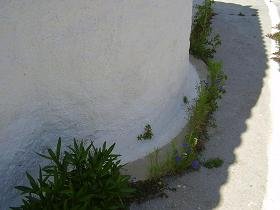
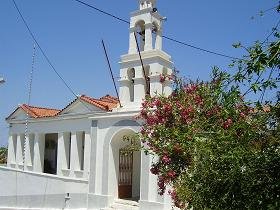
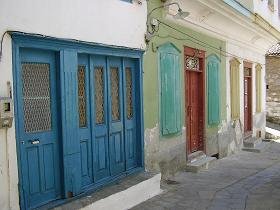
Vourliotes is probably the prettiest mountain village on Samos, with about 500 inhabitants, in the north of the island at around 300 metres altitude and 21 kilometres from Samos Town. It dates from the 16th century and was settled by people from Vourla in Asia Minor, who gave it its name, and it lies at the foot of Mount Lazaros. The central square has restaurants, and there are pretty churches and colourful houses with bay windows. Nearby stands Moni Vronda, the oldest monastery on Samos, described on the Samos sights page.
Manolates
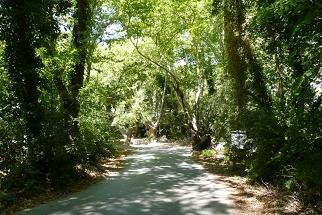
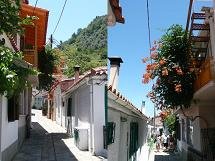


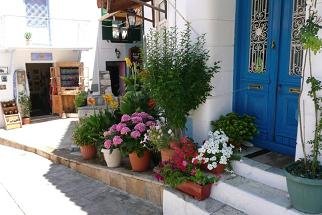
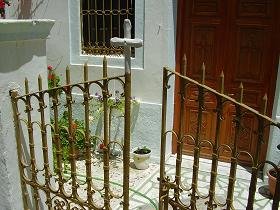
Manolates is a mountain village at the top of the Valley of the Nightingales, in the north of Samos between Karlovassi and Kokkari. A car park sits opposite a taverna about a mile after the turn off the main road, and cars are not allowed in the narrow streets. Many houses are decorated with flower pots, some traditional ones have bay windows, and the main street holds most of the tavernas and shops. From the village you can walk around the green valley.
Koumaradei
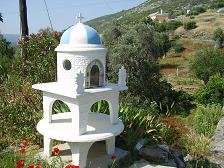
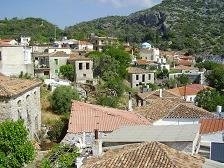
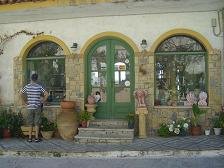
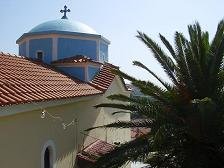

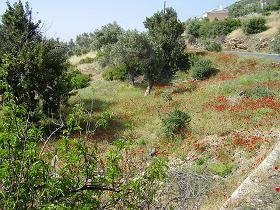
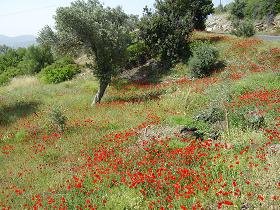
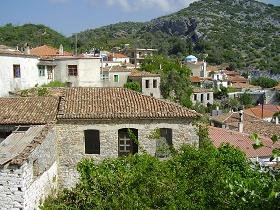
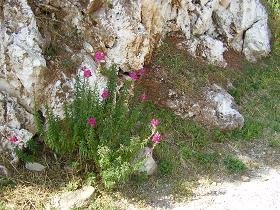
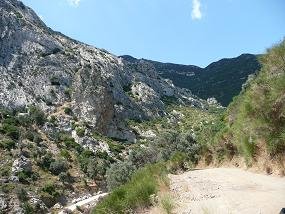
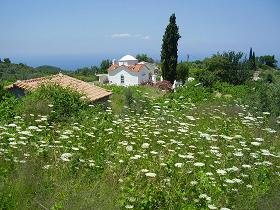
Koumaradei is a quiet mountain village in the south-centre of Samos, 7 kilometres west of Chora on the road to Pirgos, known as the herb capital of the island. Ceramic shops, herbs and honey are sold here, and small churches with blue domes stand among the old houses. In the 1970s Konstantinos Kontaxis founded a factory that cleaned and exported thyme, oregano, sage, bay, mint, anise and chamomile, and many villagers still pack and sell herbs. The 16th-century monastery of Megali Panagia is signposted from the village, and there are marked walking paths into the nature around it.
Agios Konstantinos, Kampos & Avlakia
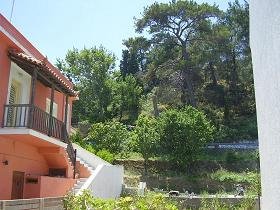
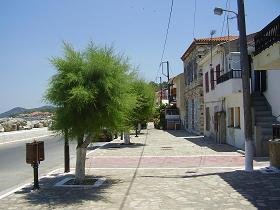
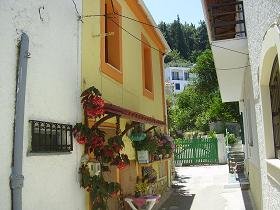
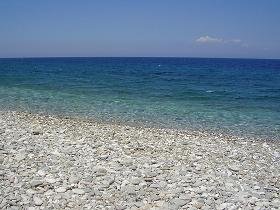
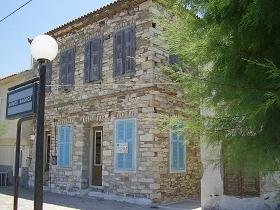

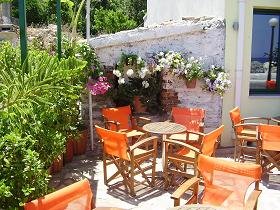
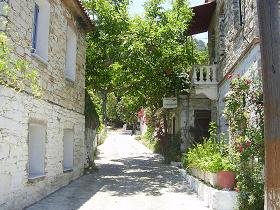
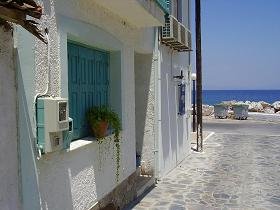
Agios Konstantinos, Kampos and Avlakia are three green coastal villages in the north of Samos, west of Kokkari. Agios Konstantinos has about 200 inhabitants and stretches roughly a kilometre along the coast, 30 kilometres west of Vathi, with old houses among the new ones, tavernas and a picnic area in the pine forest. The area is very green - the so-called nightingale forest rises behind the villages - and there are pebble beaches such as Tsabou near Avlakia. Kampos (Kampos Vourlioton) sits in a small plain, and its church of Agia Matrona holds beautiful 18th-century frescoes telling the story of Creation and the Fall.
Mytilini
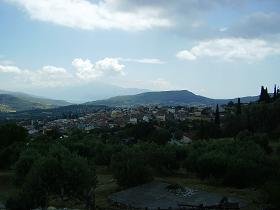
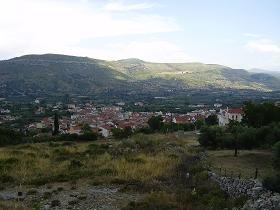
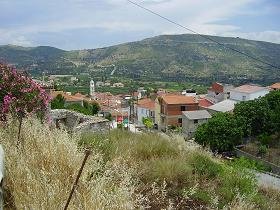
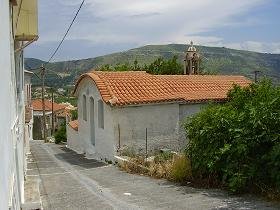

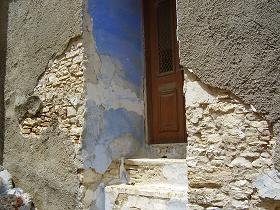

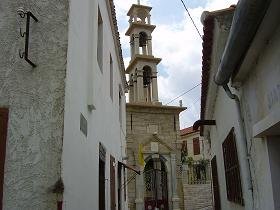
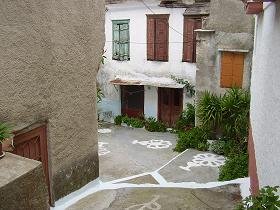
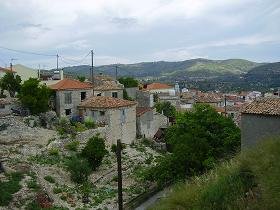
Mytilini is a large inland village in the east of Samos, on the road from Pythagorion through Chora to Vathi, with about 2,500 inhabitants. It was founded around 1700 by settlers from Lesbos (also called Mytilini) after an earthquake destroyed their homes. It sits in a farming plain where grapes and some tobacco are grown, and stays very quiet, with life centred on the large village square under the trees by the church. Its Paleontological Museum holds fossils excavated around the village since 1887, proving the island was once joined to Asia Minor.
Paleochori, Kallithea & Drakei
Paleochori, also spelled Palaiochori, means "the old town" and is a small settlement in the remote south-west of Samos, where the paved road ends and the dirt tracks begin. From here footpaths lead to remote beaches and places such as Agios Ioannis and Kedros. The nearby villages of Kallithea and Drakei lie in the same isolated western corner, below the mountains, and the taverna of Kostas in Drakei is one of the best on the island.