Serifos Sights: The Monastery, the Throne of the Cyclops & the Mines
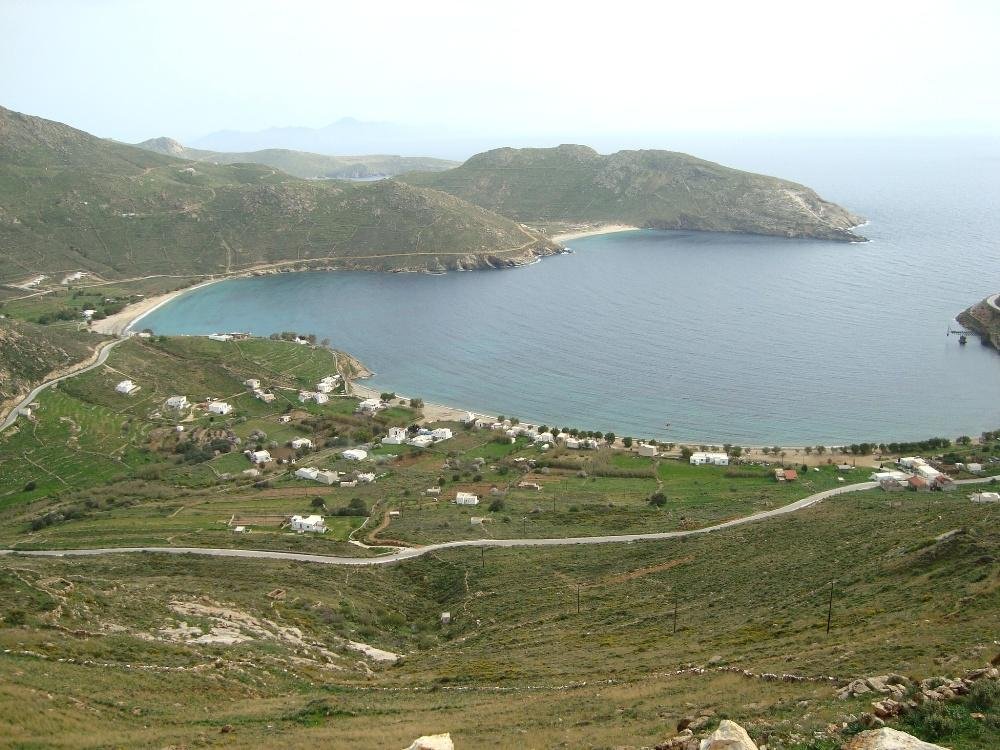
The most important sight of Serifos is the fortress-like Monastery of the Taxiarches in the north, followed by the Throne of the Cyclops, the old mining village of Megalo Livadi and the Hellenistic fortress and cave at Koutalas. Serifos rewards travellers who explore beyond the beaches, with monasteries, mining ruins and ancient fortresses scattered across the island. Hire a car to explore Serifos at your own pace, covered in our Serifos car hire guide.
- Island
- Serifos, Cyclades
- Top sight
- Taxiarches Monastery
- Built
- Early 17th c.
- Mining village
- Megalo Livadi




Sights of Serifos
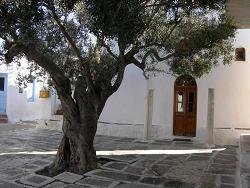
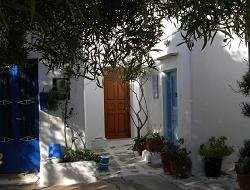
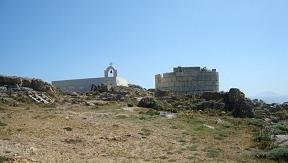
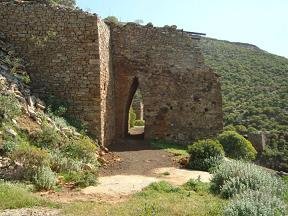
Serifos holds sights from several ages, from a Hellenistic fortress and a cave once used for worship to a 17th-century monastery and a 19th-century mining village. The Monastery of the Taxiarches in the north is the most important. The south-west of the island keeps the Throne of the Cyclops and the mining ruins of Megalo Livadi, while the coastal village of Koutalas guards an ancient fortress and cave and the village of Kentarhos hides a Roman tomb.
Monastery of the Taxiarches
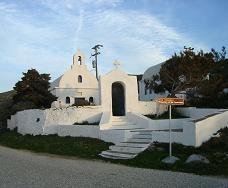
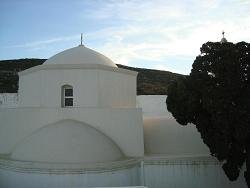
The Monastery of the Taxiarches in the north is the most important sight of Serifos. This white-painted monastery, with high walls, a blue dome and a clock tower, was built in the early 17th century and looks like a large fortress, standing 8 kilometers north of Hora. Under the Turkish occupation of Serifos it served as the economic and religious centre of the island, and its sacristy still keeps important relics, Byzantine manuscripts and rare documents.
The Throne of the Cyclops
The Throne of the Cyclops stands in the south-west of the island, above Megalo Livadi, a construction of very large "cyclops" stones. The building measures just nine by seven metres and looks out from its height over the bay. Mythology tells that the Cyclops, the one-eyed giants, lived in a cave on Serifos and that this was their throne.
Megalo Livadi mining village
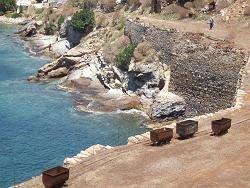
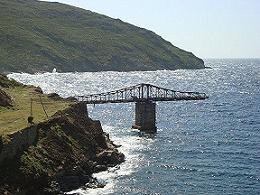
Megalo Livadi was an important mining village, built just after 1850, where a lot of iron and even gold were won from the mines of Serifos. Ruined buildings from that time survive, along with a monument in memory of the miners who died in the strike of 1916 for better working conditions. A large iron bridge on a stone-built pillar reaches out into the sea, where the loading and unloading of the ships took place.
Koutalas: fortress and cave
Koutalas is a coastal village in the south-west of the island, with a beach below and the remains of the old "Kastro tis Grias" above it, a Hellenistic fortress of great historical importance. There are ruined houses, fortification walls and remains of an early Christian basilica, and nearby stand the ruins of a Hellenistic tower known as Aspropyrgos, or white tower. Koutalas also has an interesting cave with stalactites and stalagmites, thought from several findings to have been used as a place of worship in ancient times; the cave has two chambers, a small lake and a floor of petrified seashells.
Kentarhos village
Kentarhos, also spelled Kendarhos, lies in a valley in the north-eastern part of Serifos, a village of narrow streets, whitewashed houses and many dovecotes. Here the remains of a vaulted tomb of a Roman centurion have been discovered. A 20-minute walk over a path with stone steps that starts at the village leads down to the nearby Kentarhos beach.