Kassandra Sights: Byzantine Towers, Ancient Mende & the Petralona Cave
The sights of Kassandra mix Byzantine towers, ancient cities and coastal churches with the fossil cave at the base of the peninsula. The sights of Kassandra spread through the resort villages, from the 1407 Byzantine tower at Nea Fokea and the 1858 basilica of Afitos to the castle of ancient Mende at Kalandra and the marble icon of Nea Skioni. Paliouri holds the ruins of Theramvos and the temple of Apollo Kanastreos, Sani the Stavronikita tower and wetland, and Nea Potidaia the canal and walls at the door to the peninsula.
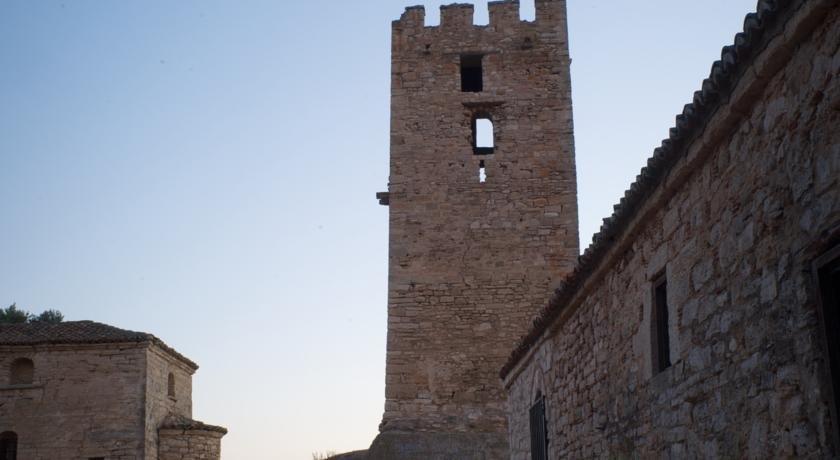
- Oldest tower
- Nea Fokea, 1407
- Only domed basilica
- Afitos, 1858
- Ancient city
- Mende, Kalandra
- Fossil cave
- Petralona ~1m yrs




Byzantine tower of Nea Fokea
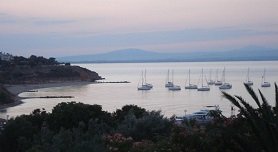
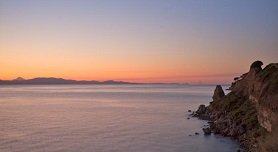
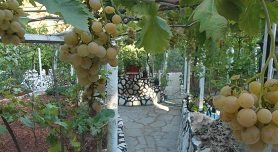

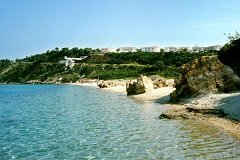
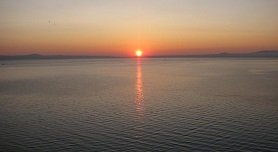
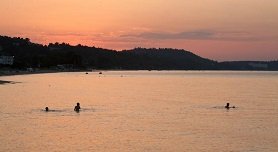
The Byzantine tower of Nea Fokea stands by the harbour of the town, a well-preserved fortified tower dating from 1407. The tower is closed inside, so visitors see it only from the outside, and a small old church of the Apostle Paul stands next to it. The harbour of colourful fishing boats around the tower makes a fine place to watch the sunset over Kassandra Bay.
St Demetrius basilica, Afitos
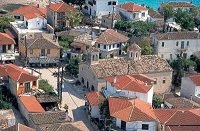
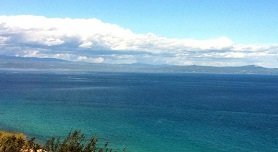
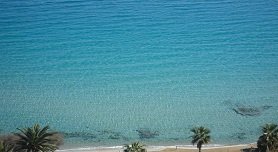
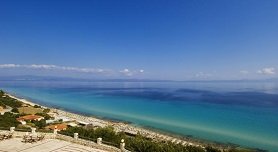
The church of St Demetrius stands on the square of Afitos, built in 1858 in the traditional stone village on the north-east coast. St Demetrius is the only domed basilica on the whole Halkidiki peninsula, surrounded by the bars and restaurants of the square. The village sits on a 75-metre cliff called the balcony of Kassandra, and its natural-stone houses and narrow streets are a sight in themselves.
Ancient Mende, Kalandra


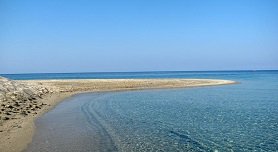
Ancient Mende spreads over a plateau and the hills just south of Kalandra in the south-west of Kassandra. Colonists from Eretria on Evia founded Mende around the 8th or 9th century BC, and the city grew rich on wine, silver, gold and lead, with a fortress, an acropolis, warehouses and a sanctuary of Poseidon in use from the 12th to the 2nd century BC. Archaeologists excavated the bulk of the site between 1984 and 1994, uncovering a road, buildings and a cemetery of 241 tombs, and the ruins stand close to the Hotel Mendi on Kalandra beach.
Panagia Faneromeni, Nea Skioni

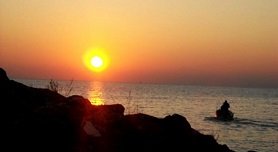
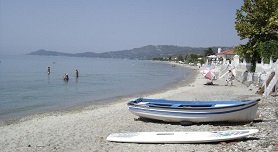

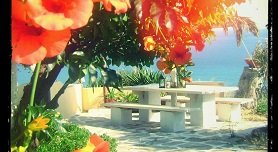
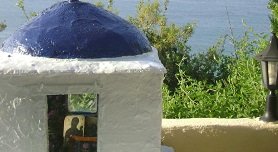
The church of Panagia Faneromeni stands 2 kilometres from Nea Skioni, on the site of the ancient city of Skioni in the south-west of Kassandra. Panagia Faneromeni keeps a marble icon of the Virgin Mary and wall paintings from the 16th century. Local tradition says a fisherman found the icon floating in the sea, and a footprint pressed into the marble is shown as the mark of a Turkish commander who allowed the church to be built.
Temple of Apollo Kanastreos, Paliouri
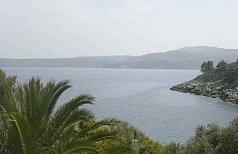
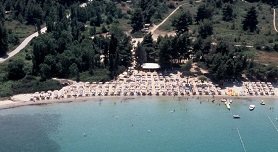
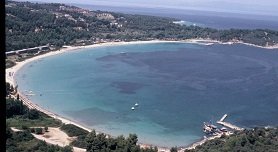
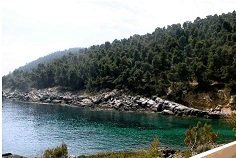
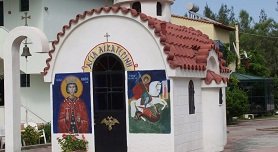
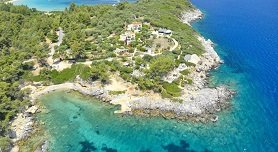
The temple of Apollo Kanastreos once stood at Cape Kanistro, the southernmost point of Kassandra, 8 kilometres from the hill village of Paliouri. The temple dates from the Ionian period, and one of its original pillars is built into the nearby chapel of Agios Nikolaos. Near Chrousso beach lie the remains of the ancient city of Theramvos, mentioned by Herodotus, which survived until Roman times.
Stavronikita tower and wetland, Sani
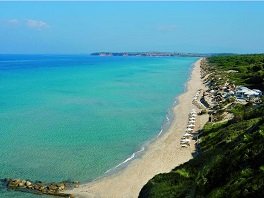
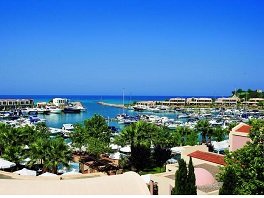
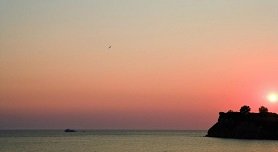
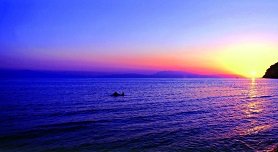
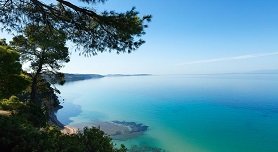

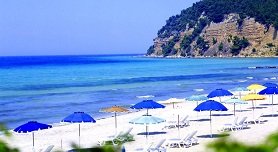
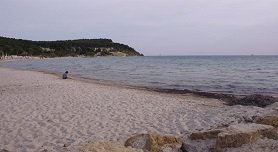

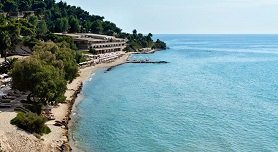
The tower of Stavronikita stands on a headland at Sani on the north-west coast of Kassandra, built to guard against pirate raids. The tower and its land belonged to the monastery of Stavronikita on the Athos peninsula. Just inland lies the protected Stavronikita wetland and lake, a popular spot for birdwatchers, where many different species can be watched among the marsh.
Museum and turtle lake, Polychrono
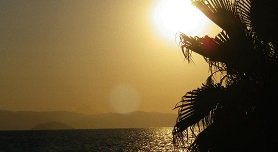

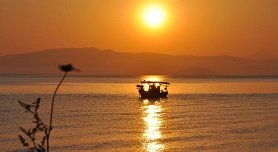
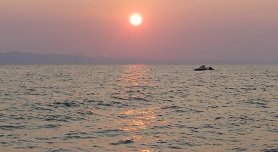



Polychrono keeps two smaller sights above its beach in the south-east of Kassandra. The village Ethnographic Museum shows everyday objects from earlier centuries, and two churches, Agios Athanasios from 1912 and the Church of Christ from 1860, stand in the village. Three kilometres away a nature reserve holds a freshwater-turtle lake at Mavrombara, with walking trails laid out through the surrounding woods.
Nea Potidaia canal and walls


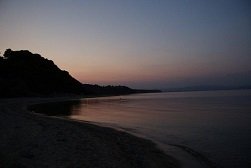
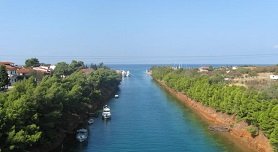
The canal at Nea Potidaia cuts across the neck of Kassandra, connecting the Gulf of Toroneos with the Gulf of Thermaikos and turning the peninsula into an effective island. Romans or Macedonians probably first dug the canal, and Nea Potidaia is called the door to Kassandra because the road crosses it onto the peninsula. The town keeps the remains of ancient walls, a 7th-century-BC Corinthian colony and Byzantine fortresses that the emperor Justinian built across the neck.
Petralona cave
The Petralona cave lies near the base of Kassandra in Halkidiki, a limestone cave famous for its fossils. In the cave a hominid skull and skeleton were unearthed from an ice-age layer, among the oldest human remains ever found in Europe at about a million years old. The find makes Petralona one of the most important prehistoric sites in Greece, an easy detour from the resorts on the way onto the peninsula.
More sights around Kassandra
Kassandra keeps more sights among its villages and the western approach. Kallithea holds the ruins of ancient temples and the small church of Agios Panteleimon with its murals, near an 11th-century monastery. Nea Kallikratia on the approach guards the acropolis of ancient Antigonia at Nea Gonia, built in 285 BC, and the villages themselves, from stone-built Afitos to the harbours of Nea Fokea and Possidi, are set out in the Kassandra peninsula guide.