


 <
<The Minoan tombs at Armeni - The Armeni Necropolis on the island of Crete
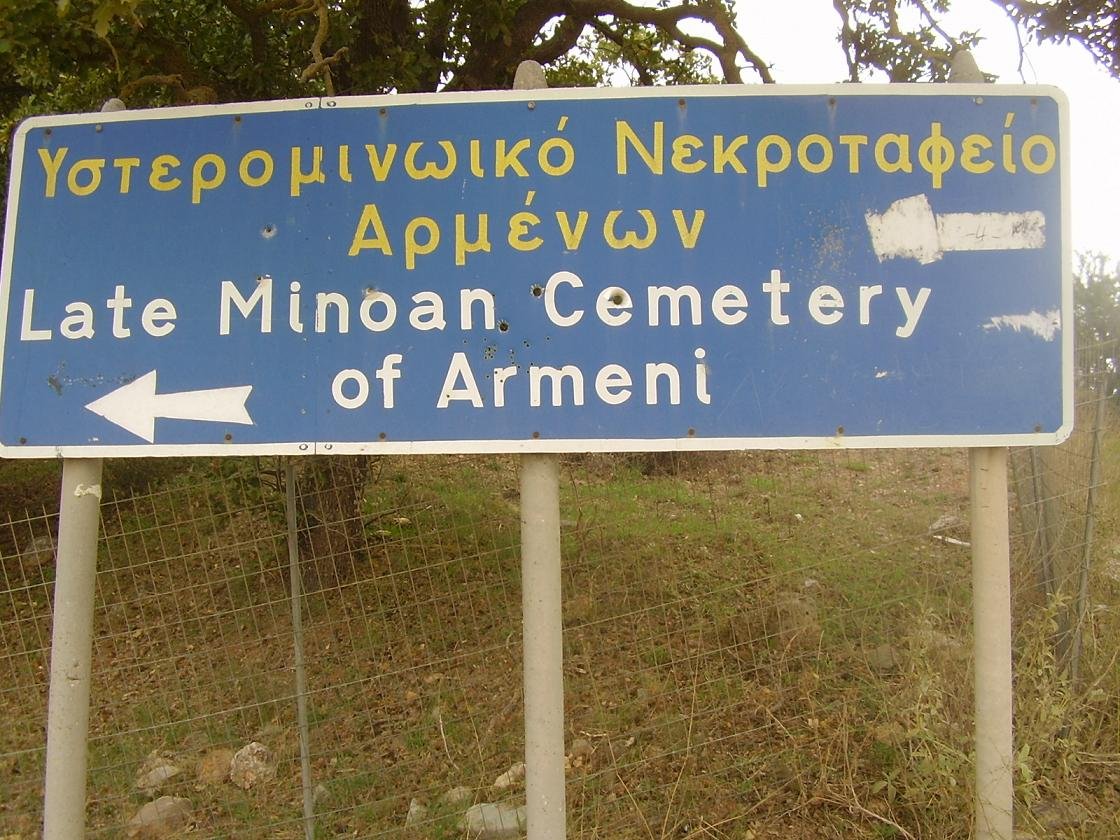

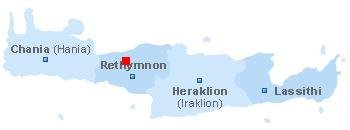 The Minoan cemetery of Armeni is situated 8 kilometers south of Rethymnon and can be reached by taking the exit to Spili and Agia Galini. The necropolis is situated just outside (on the north side) of the village of Armeni (there are several villages with the name Armeni on Crete). Armeni itself is just a small village and not very spectacular. It was founded in 961 AD by Armenian soldiers from the army of the Byzantine general Phokas, who conquered Crete from the Arabs in that year.
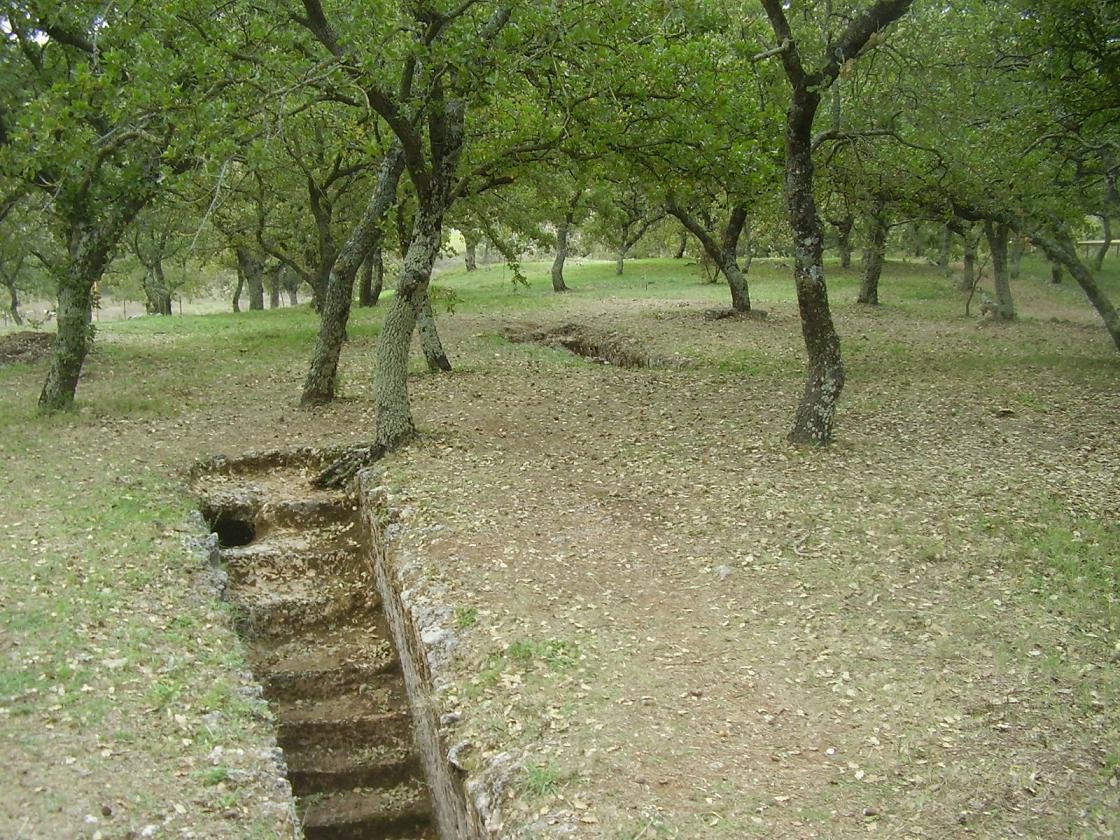
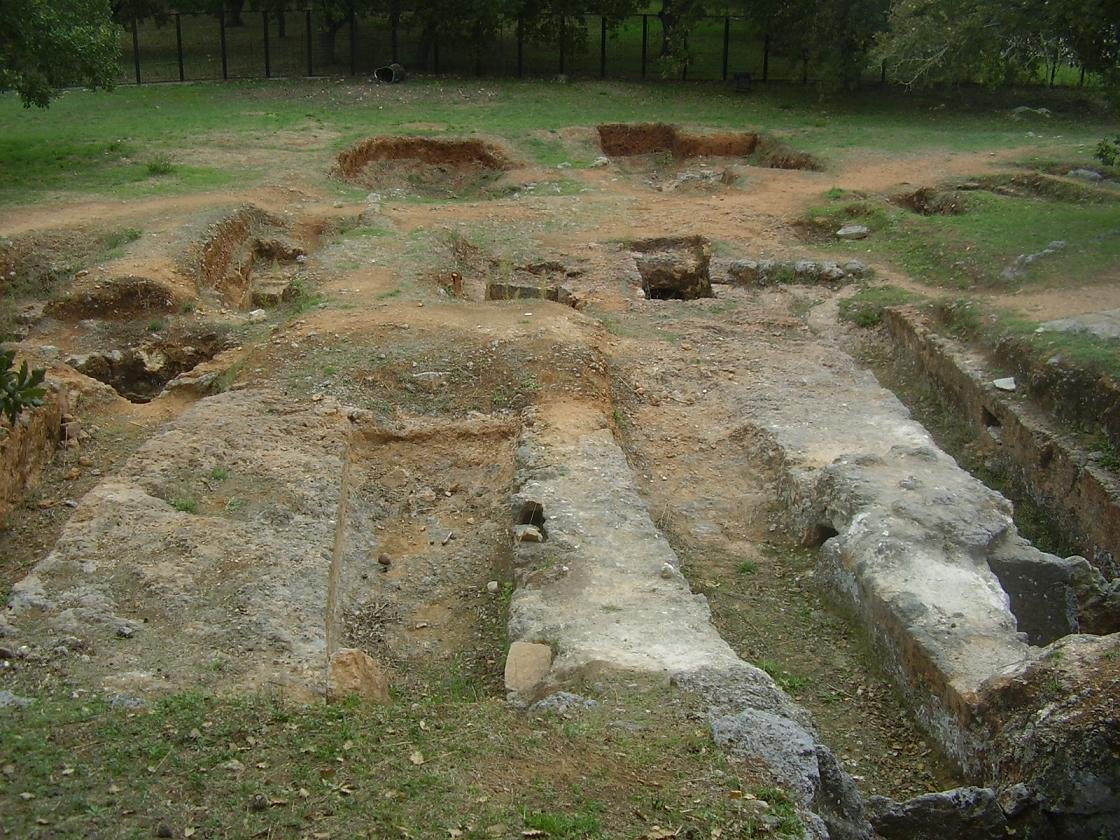
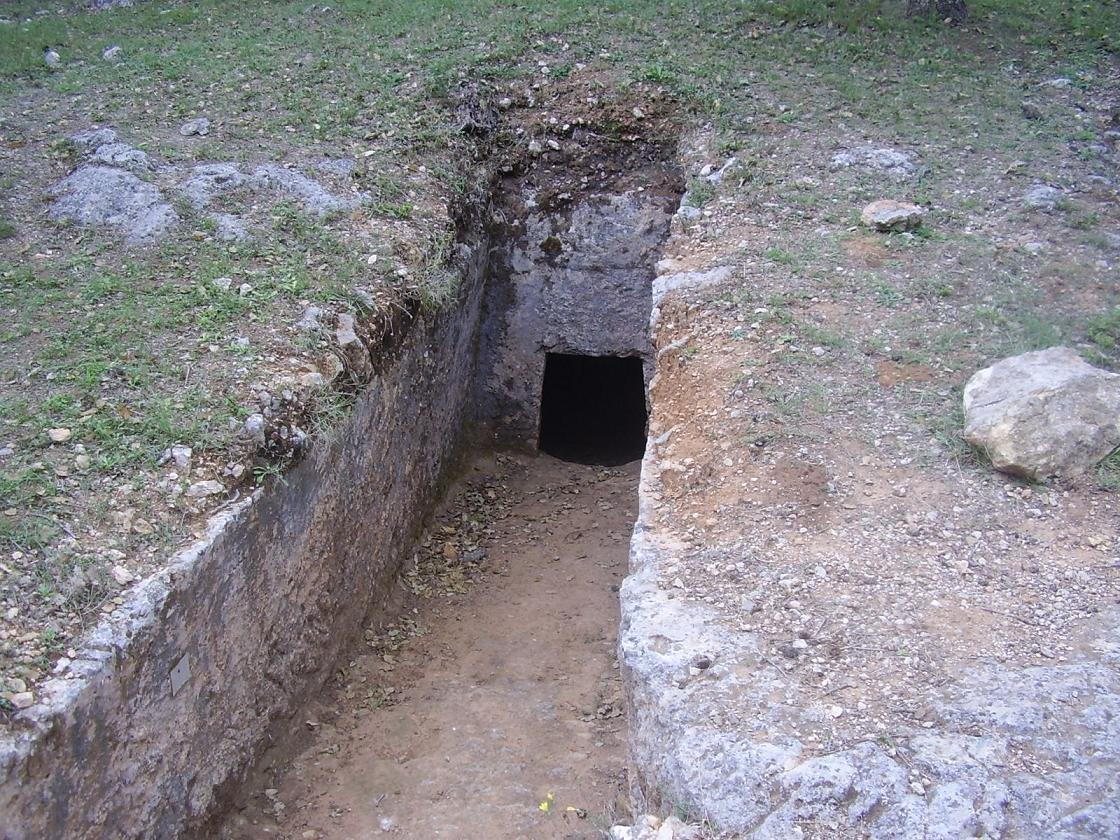
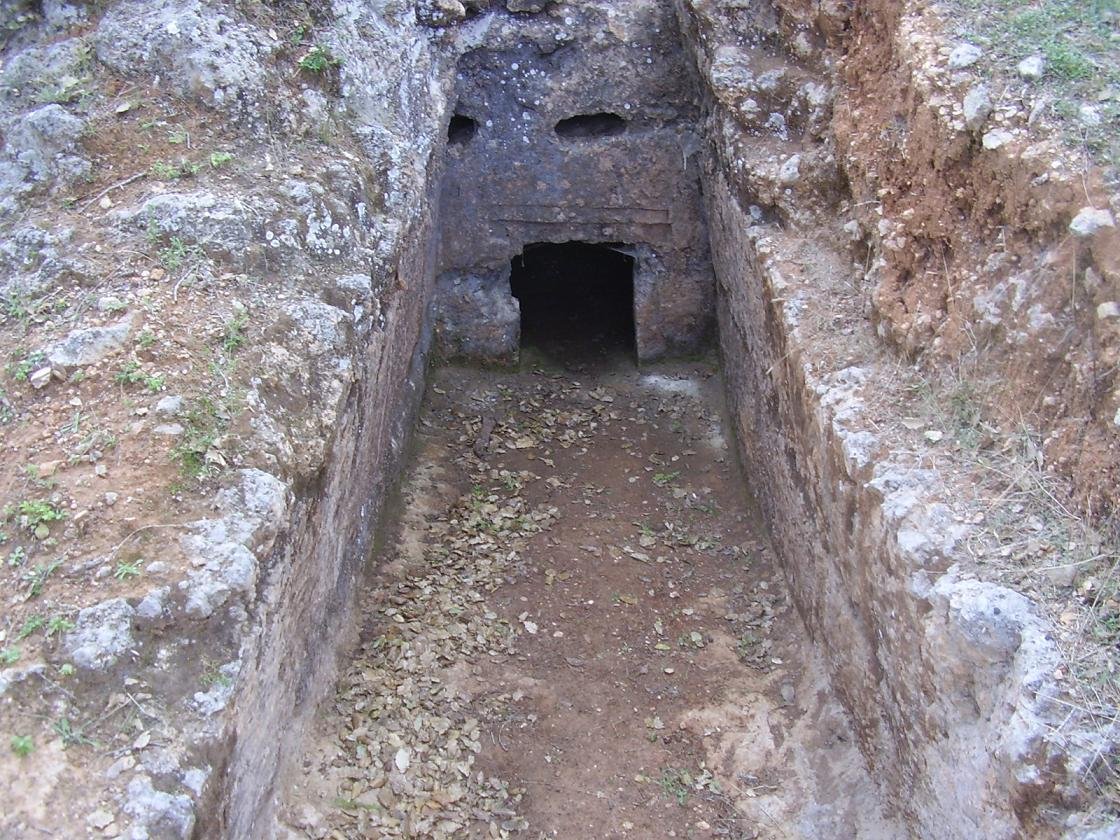
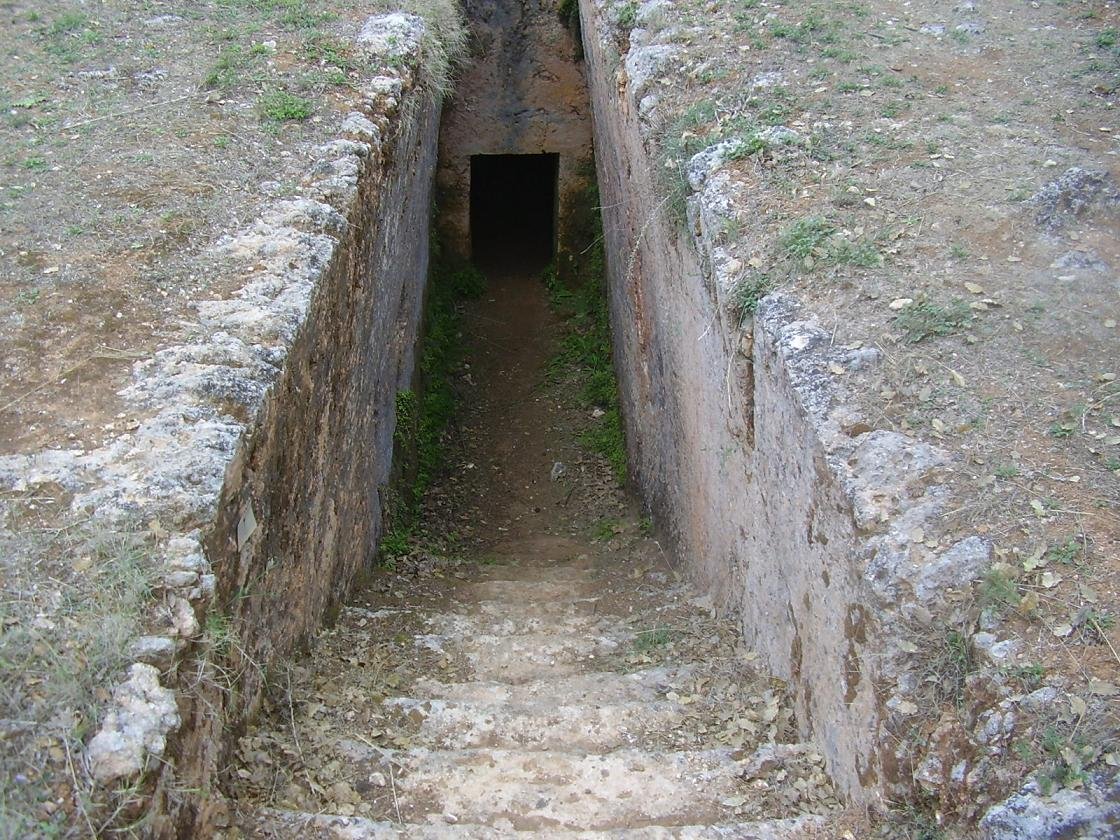
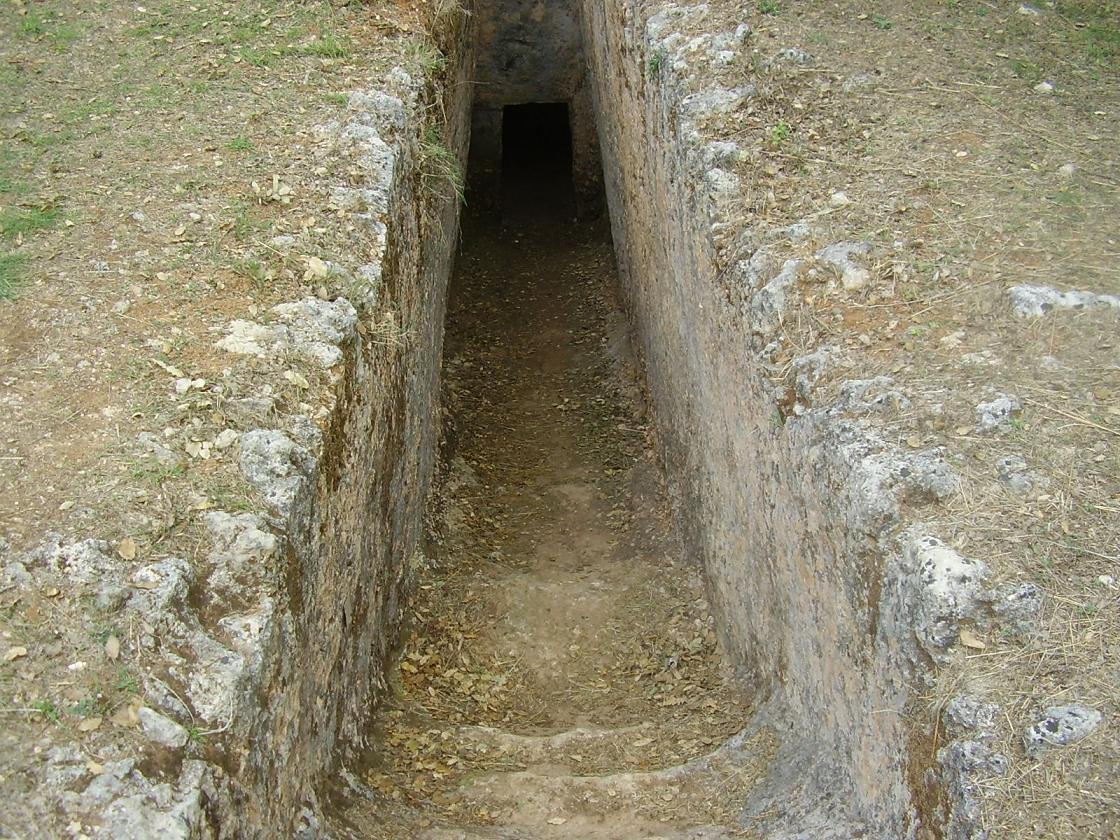
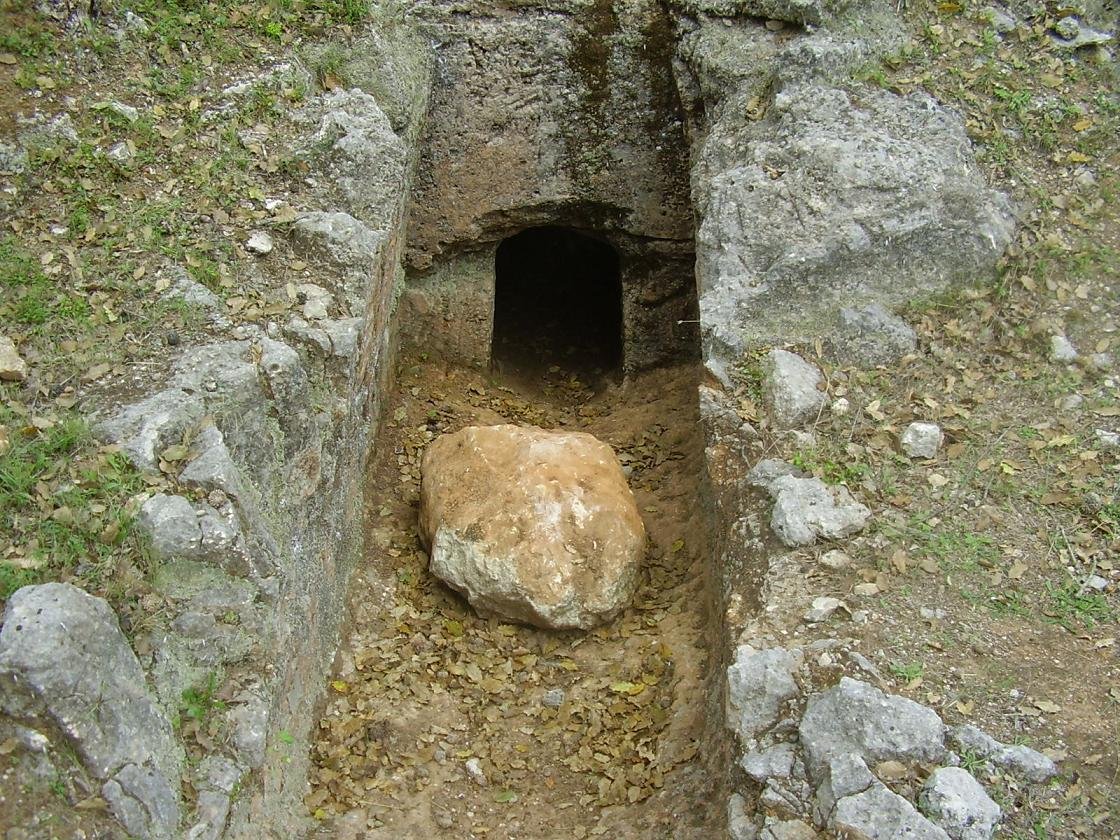
The tombs are placed in a field under the shade of the trees. There are around 200 of them and they date from 1300 - 1050 B.C. These tombs are carved out of the rocks and steps take you down where you can have a look at them. Some of them have the stones that used to close them off still next to the entrance. They are all chamber tombs except for one which is a larger "Tholos tomb" - meaning it is beehive shaped in rings, and these rings get smaller the higher to the ceiling of the tomb. This one extra large tomb is protected with a wooden roof and has light inside (this will automatically go on as you step inside).
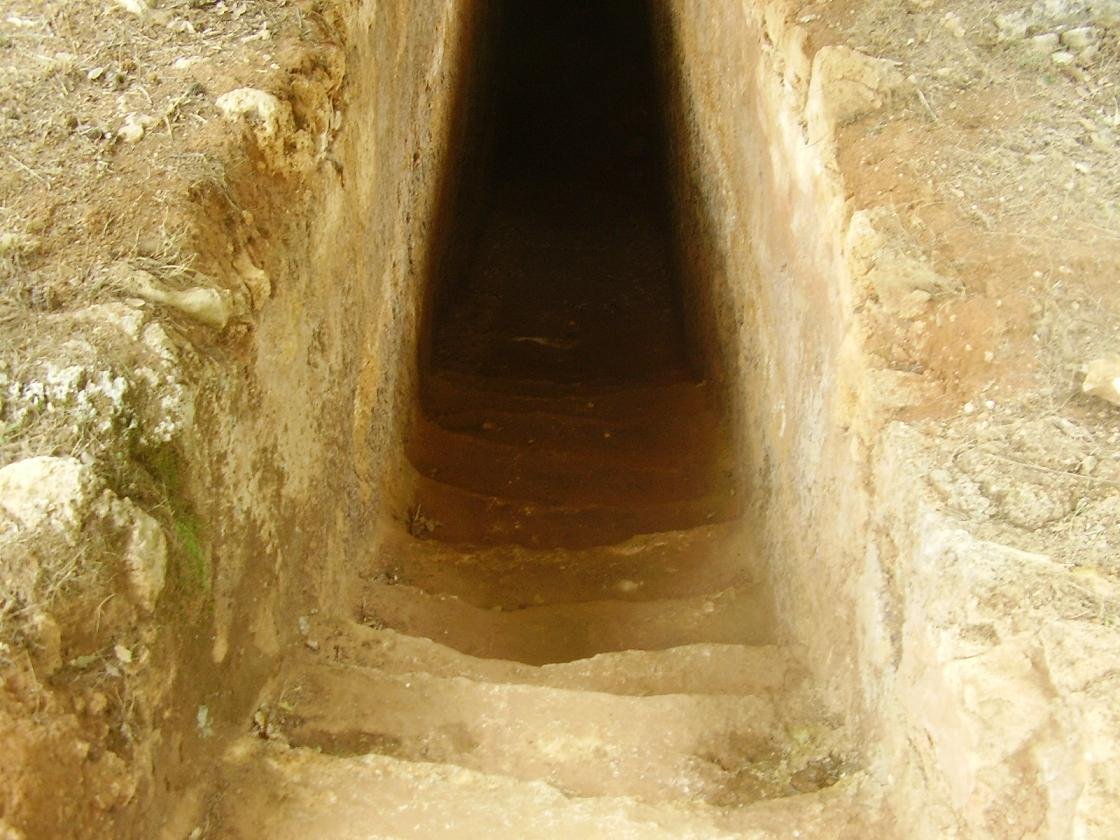
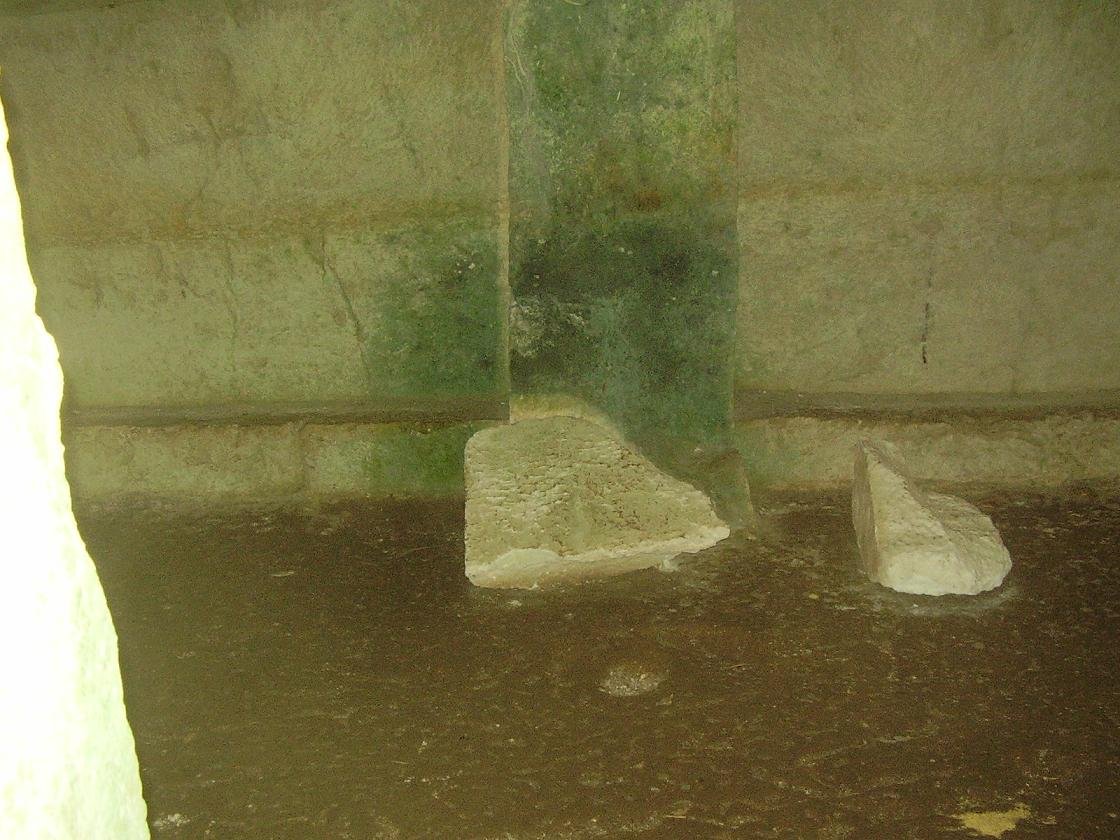
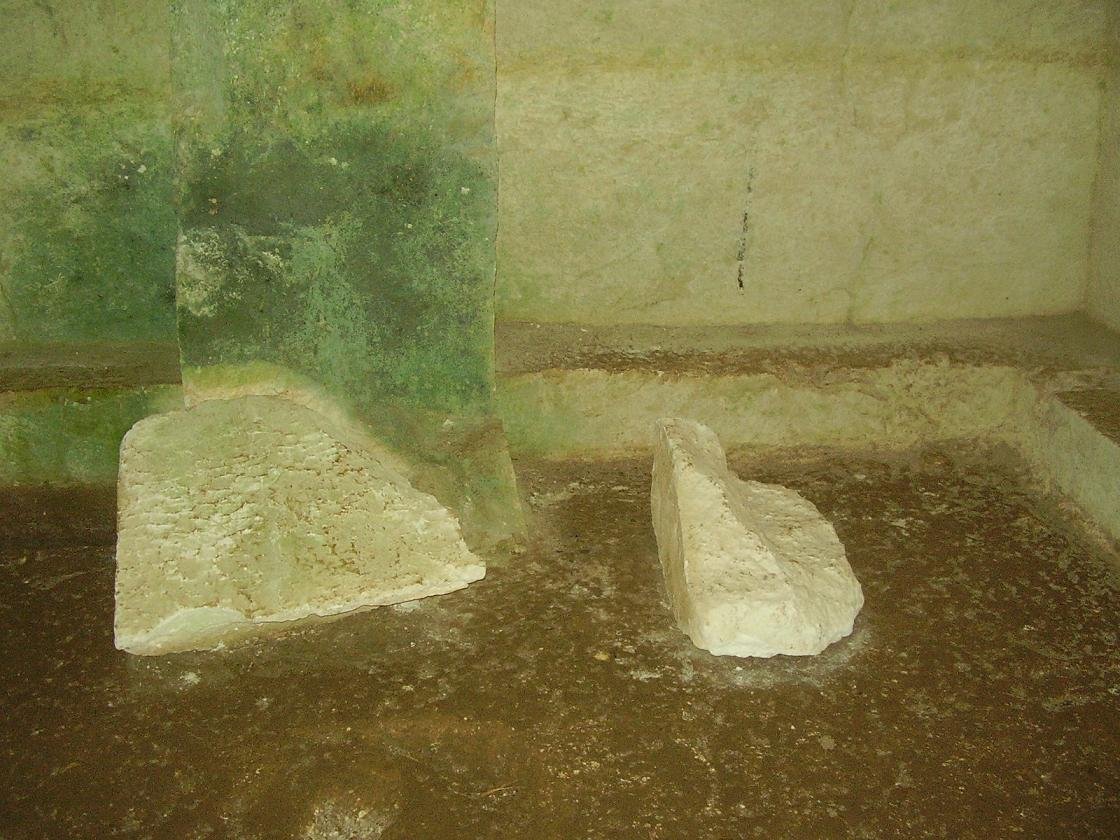
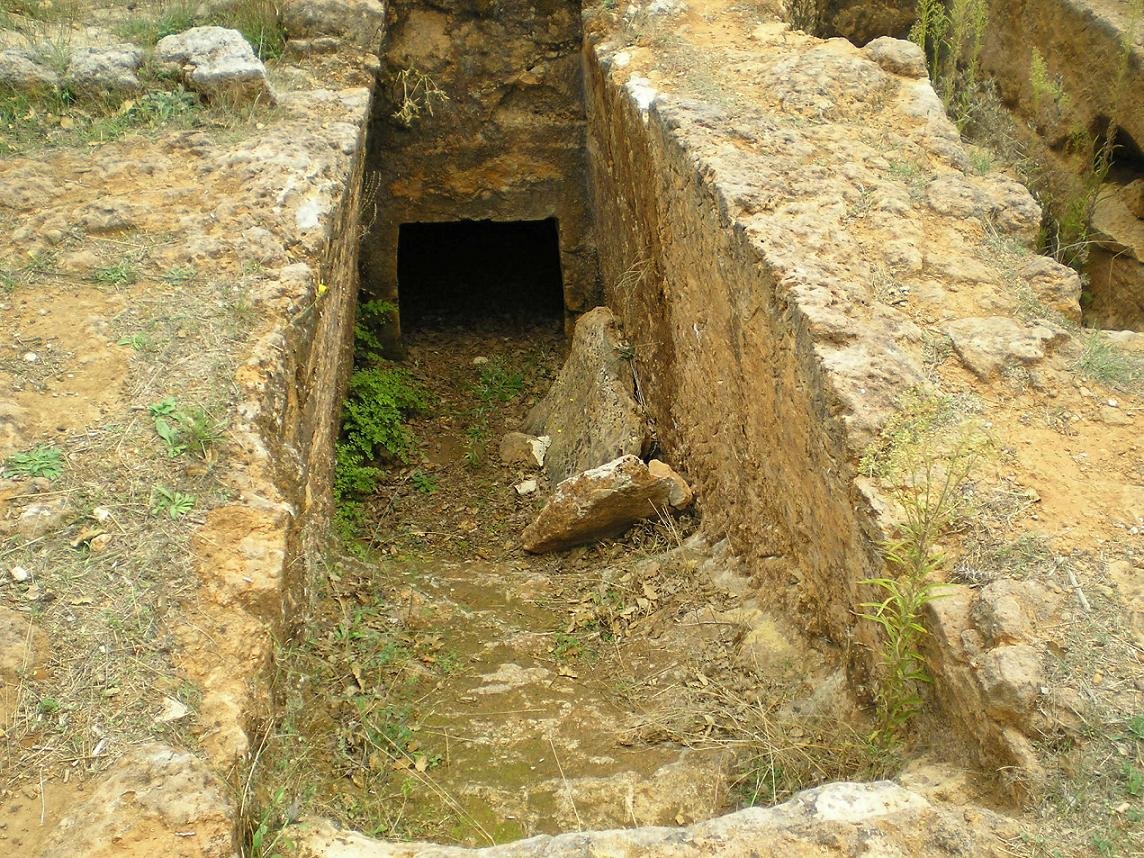
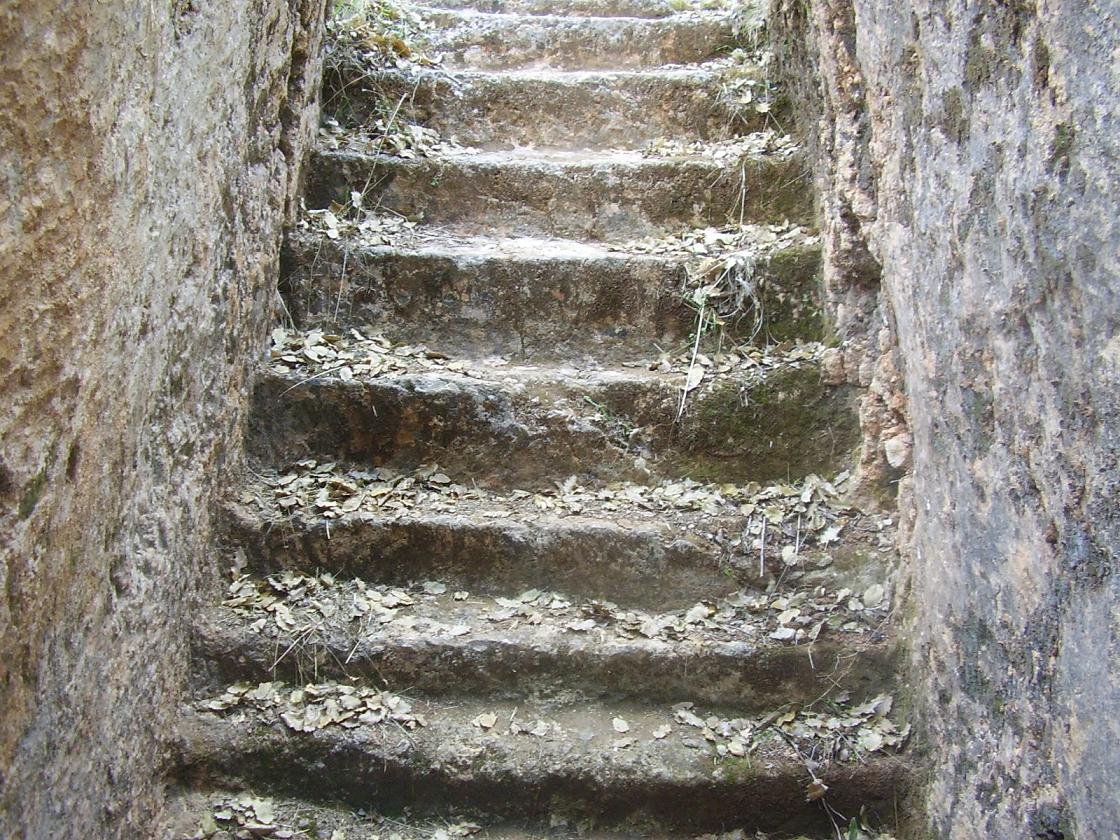
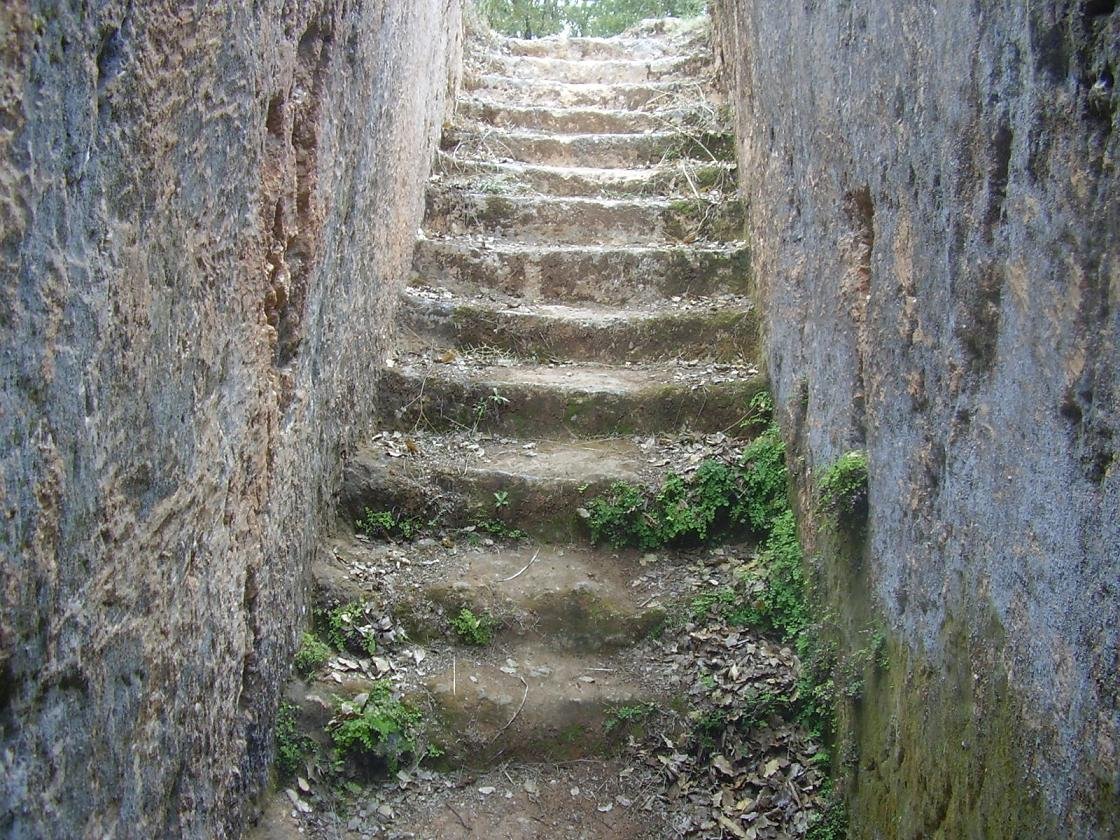
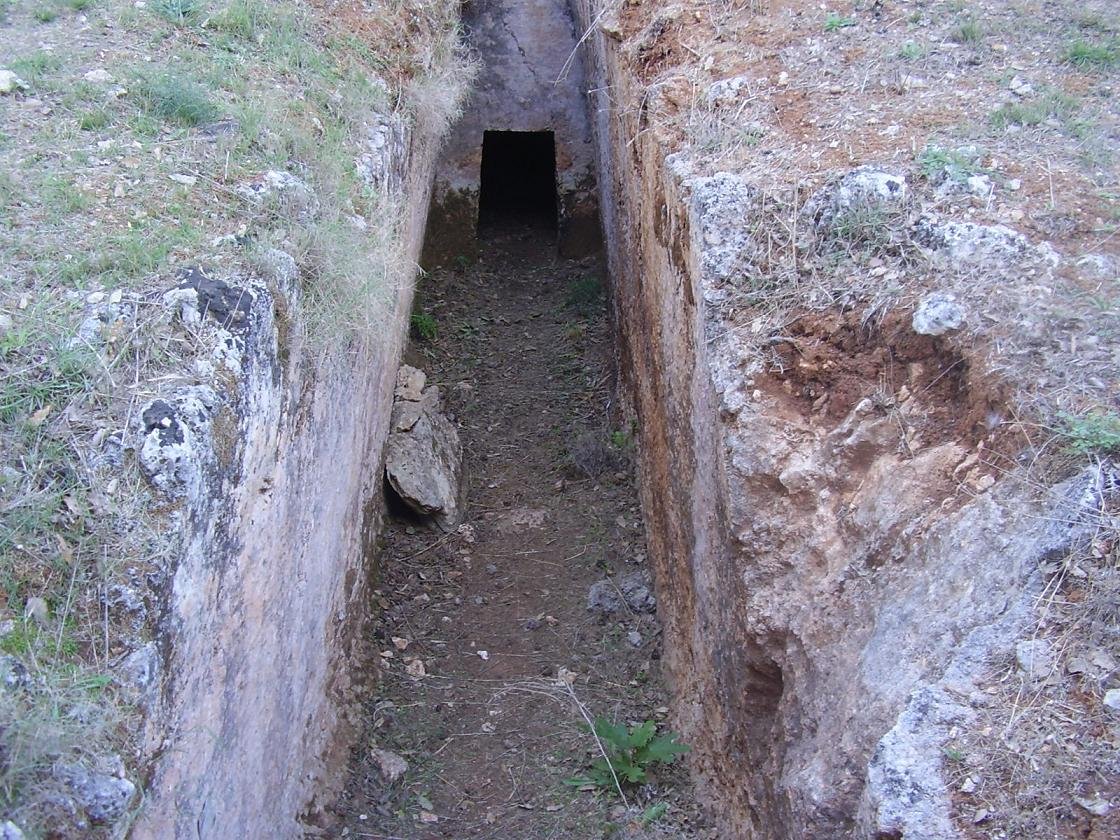
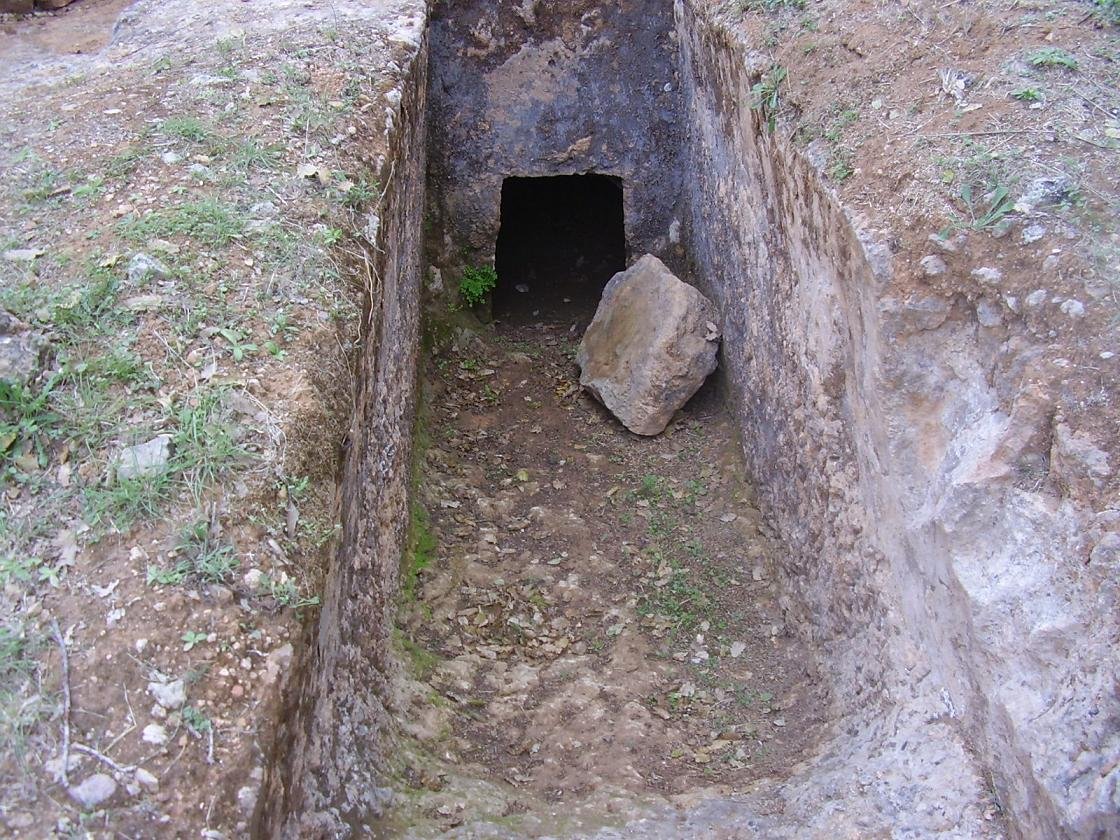
The tombs are very well preserved and this is because the stone into which they were carved is quite hard. 500 Skeletons have been found in the tombs, which helped to make a picture of how these people lived and what kind of diet they had which was not much meat but lots of vegetables and fruits). Among the finds in the tombs were pottery, bronze vessels, tools, jewellery, stone vases and seal stones. Clay coffins decorated with double axes, sacred horns of consecration and scenes of ritual hunting and of bulls were also found. These finds can be seen in the Archaeological Museums of Chania and Rethymnon.
Excavations in the area have so far failed to show the existence of a nearby settlement, so it is still a mystery where these people have lived. The site is opened every day from 8.30 to 15.00 o'clock and the entrance is free. On Mondays it is closed.