


 <
<The ancient city of Gournia on the island of Crete

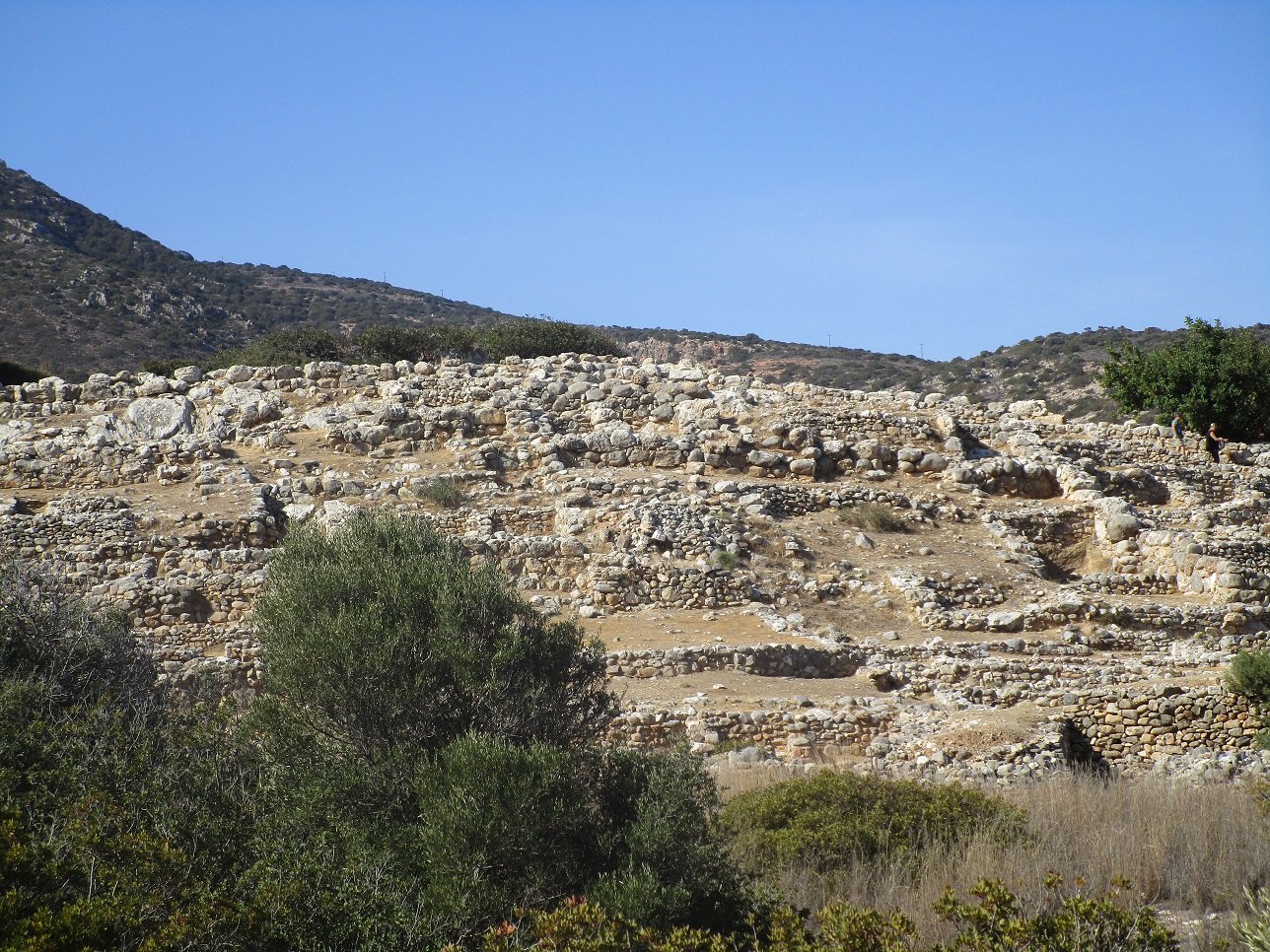
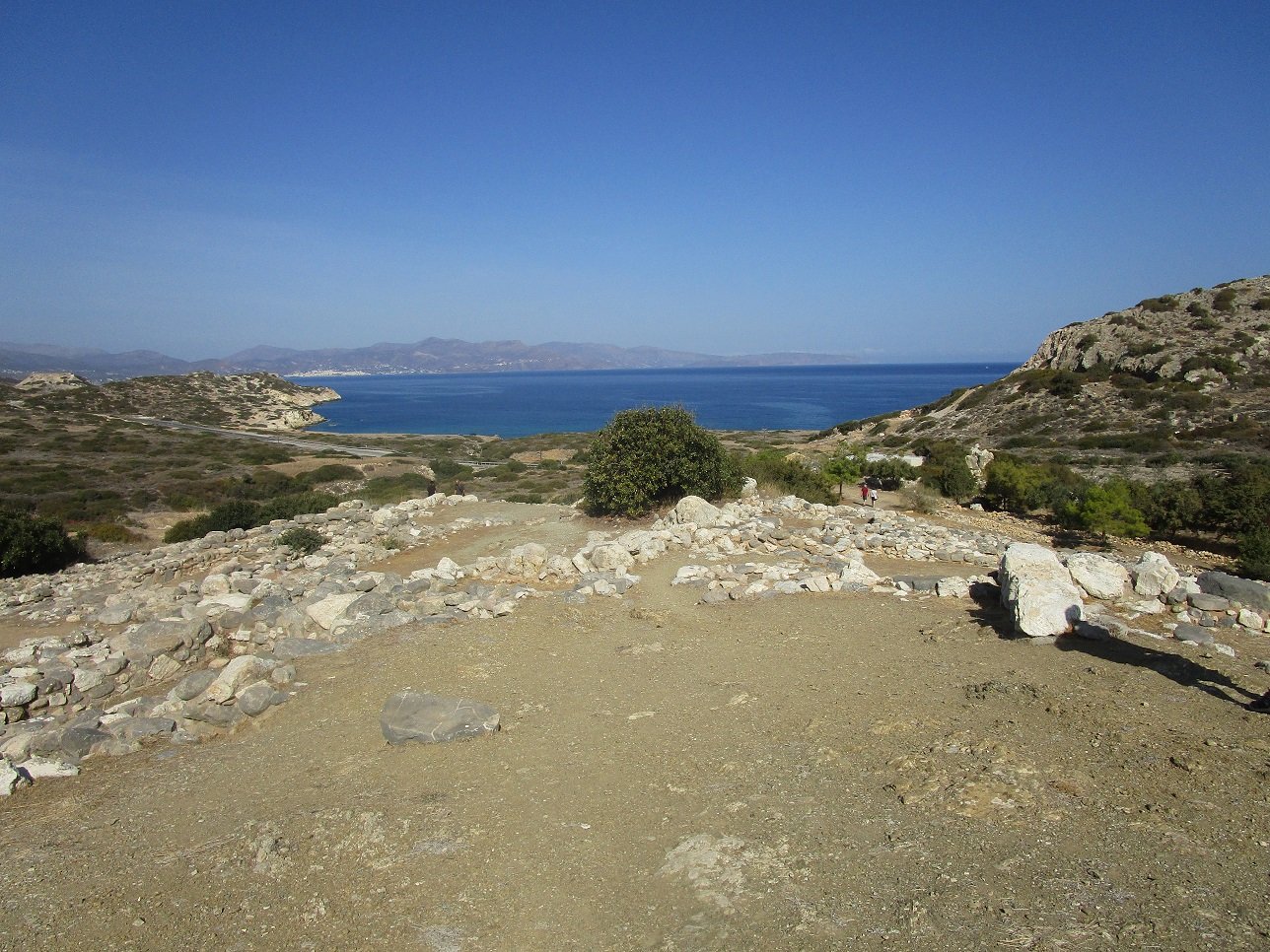

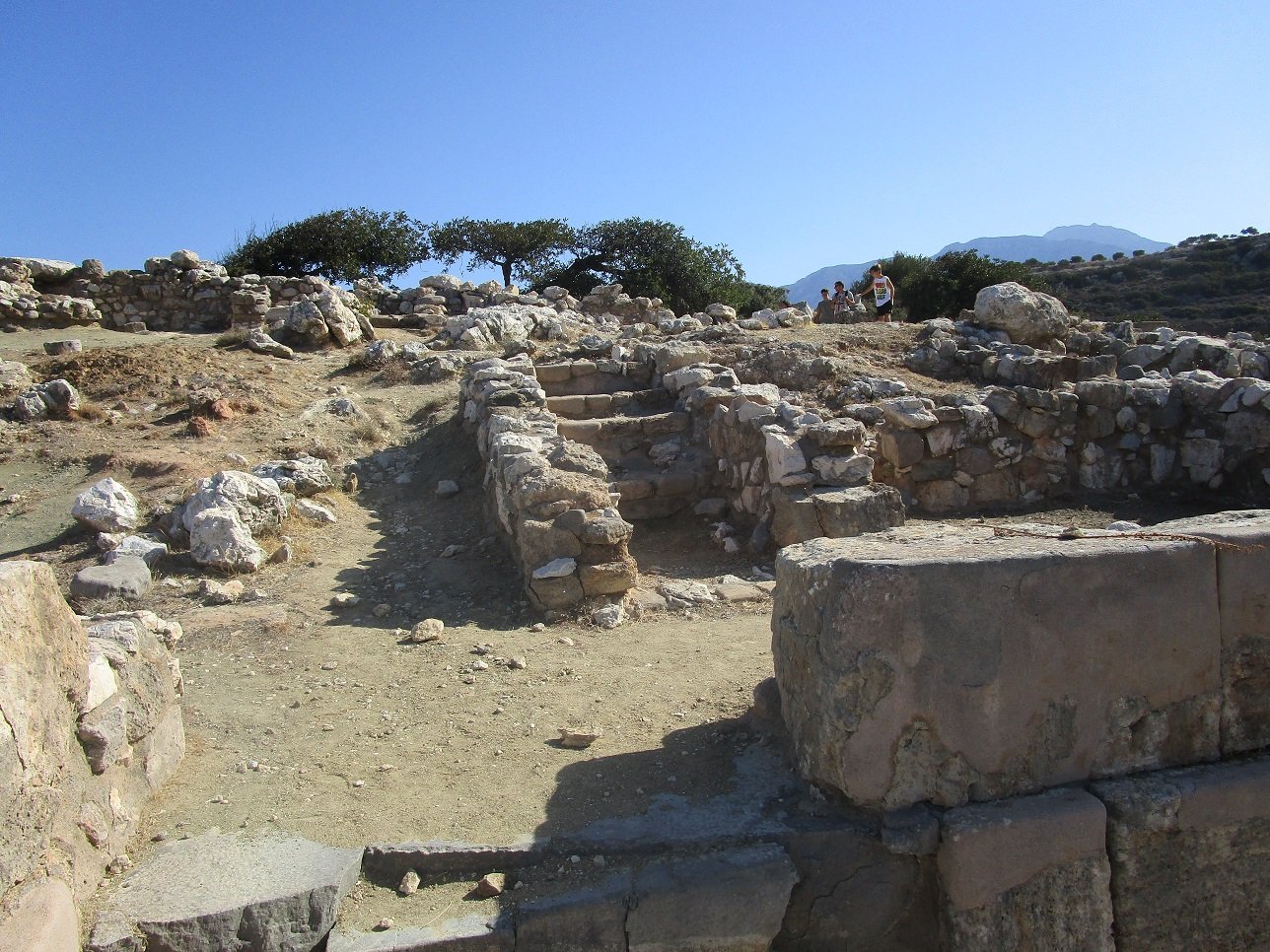
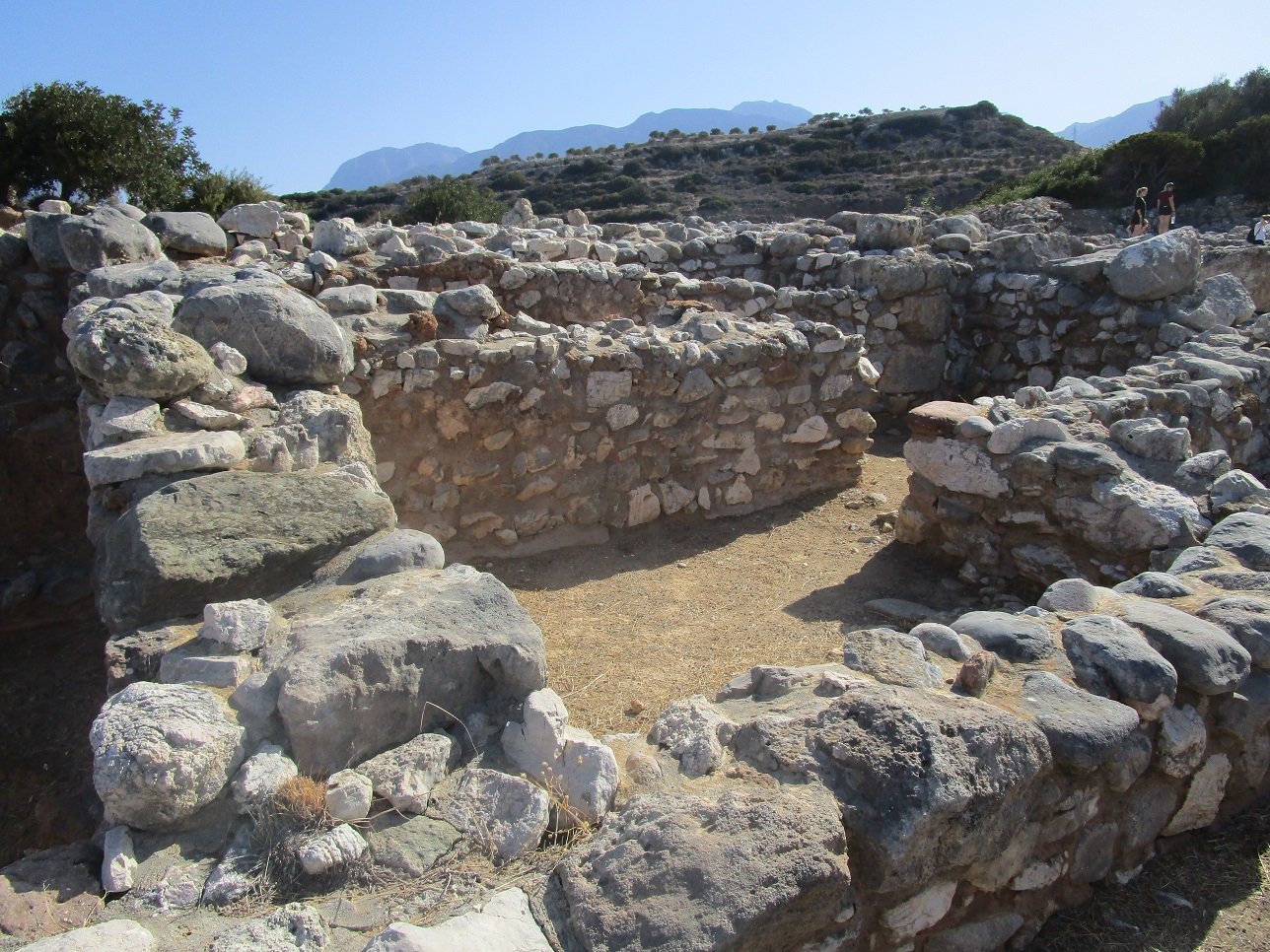

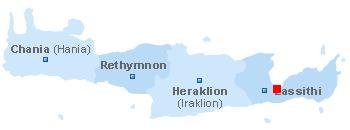 Gournia, the Minoan "Pompeii" is situated on a hill close to the sea, where once a 14km long Minoan road lead south to Ierepetra.
Entrance to the terrain was 2 euro in 2018.
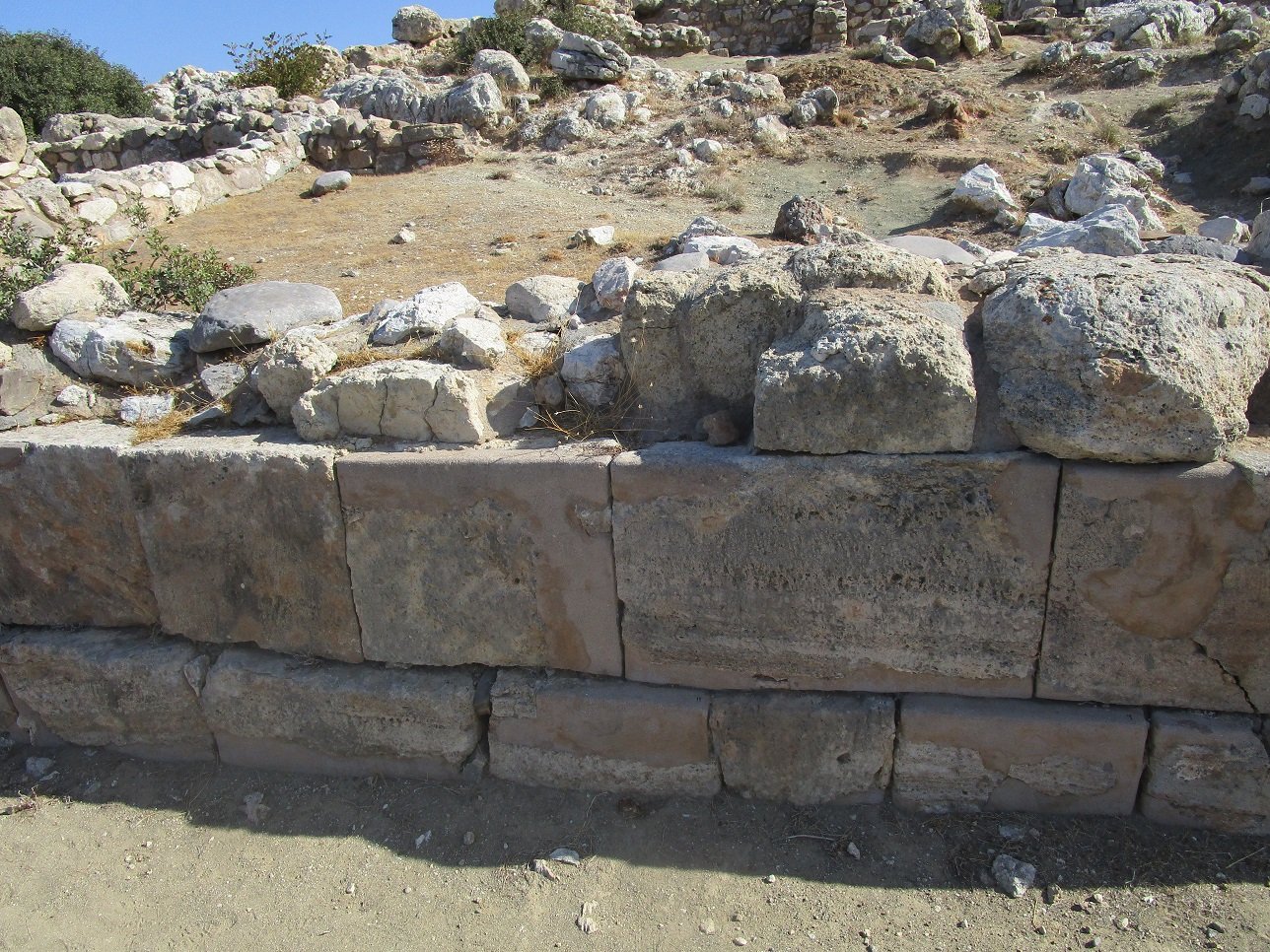
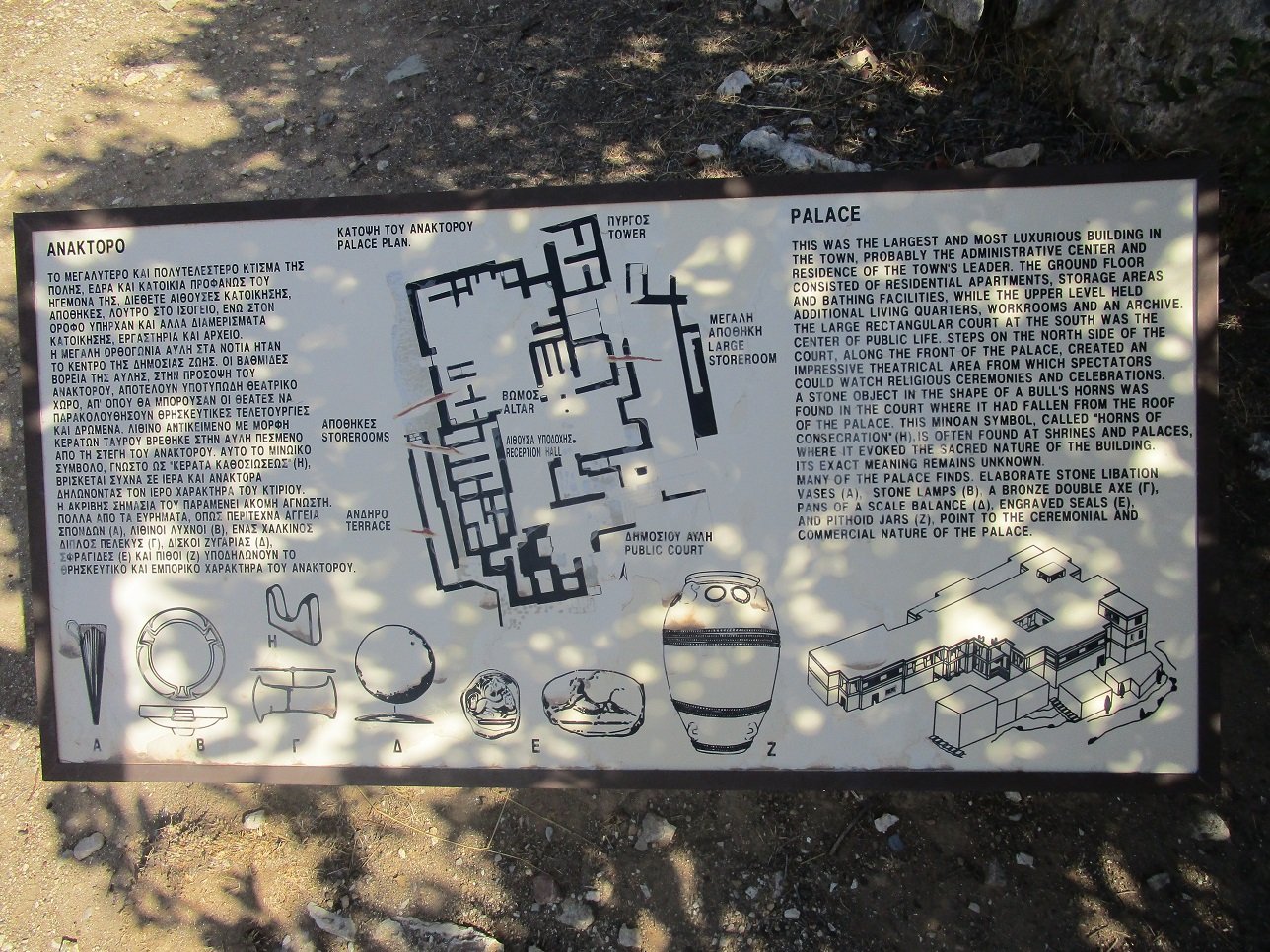
There are no palaces in the center of attention, although at the top of the town there is a building which is described as "The Palace". It is the largest and most luxurious building in Gournia and it is believed to be the administrative center and residence of the town leader.
Gournia, the Minoan "Pompeii" is situated on a hill close to the sea, where once a 14km long Minoan road lead south to Ierepetra.
Entrance to the terrain was 2 euro in 2018.
There are no palaces in the center of attention, although at the top of the town there is a building which is described as "The Palace". It is the largest and most luxurious building in Gournia and it is believed to be the administrative center and residence of the town leader.
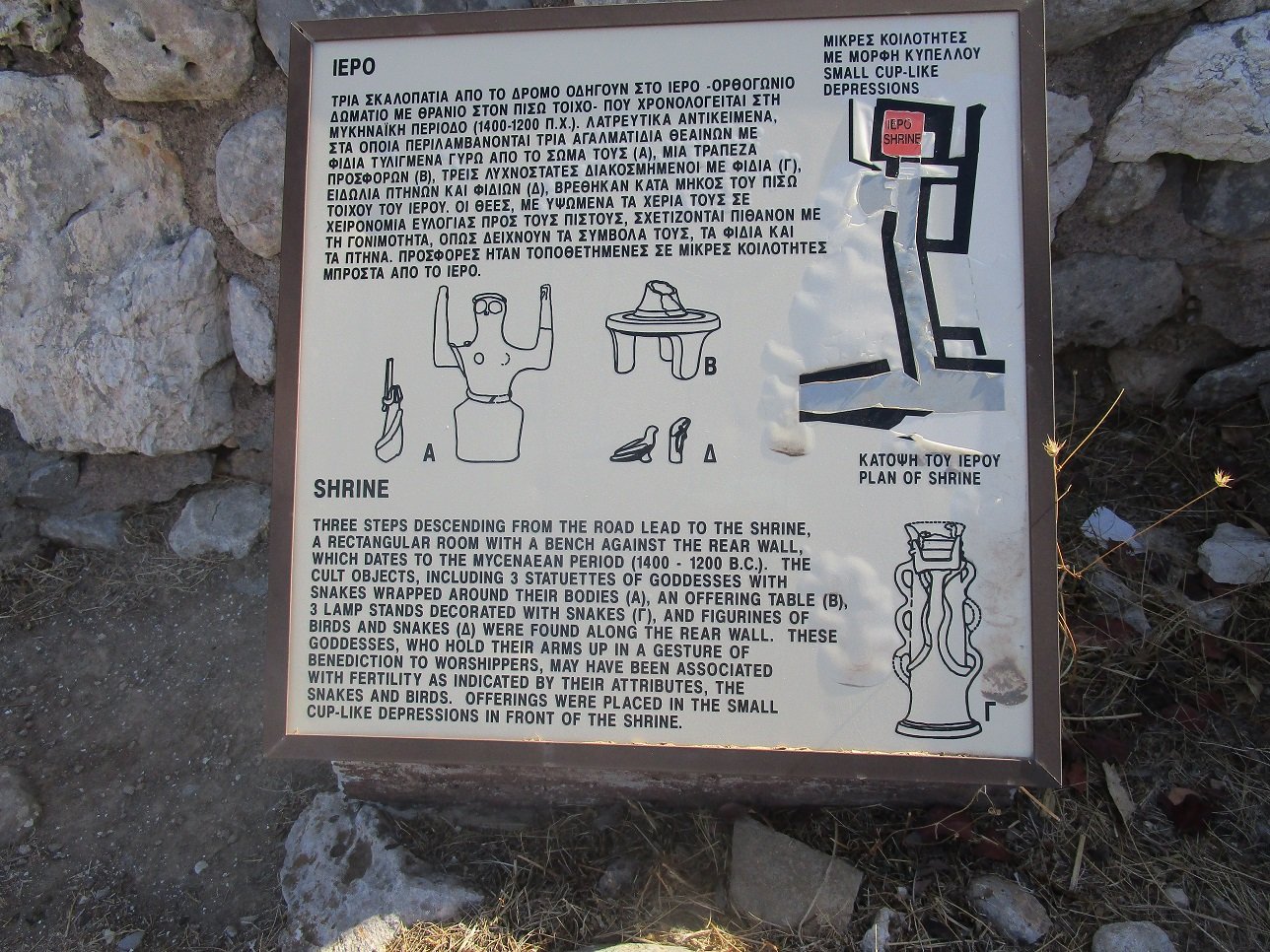
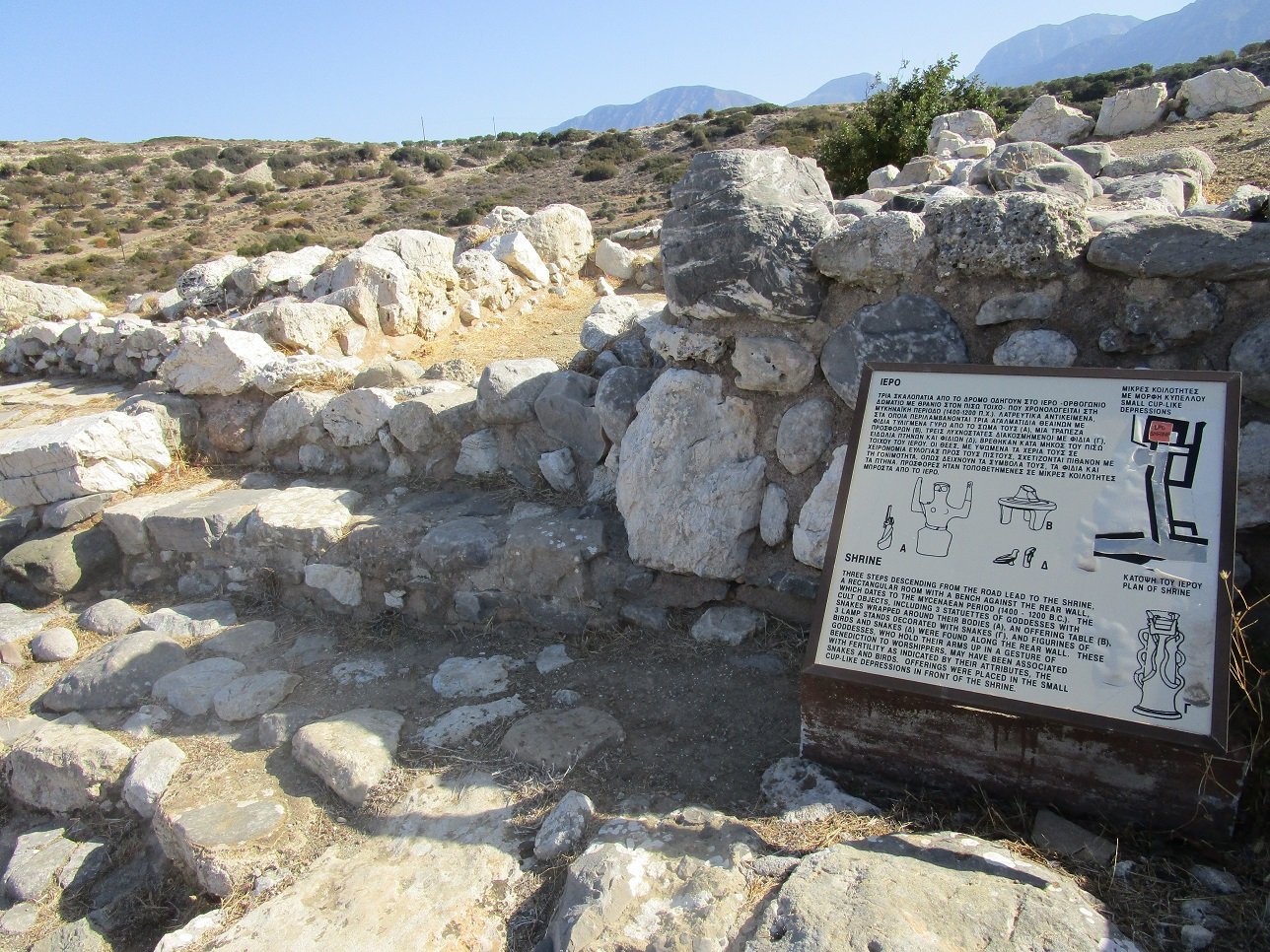

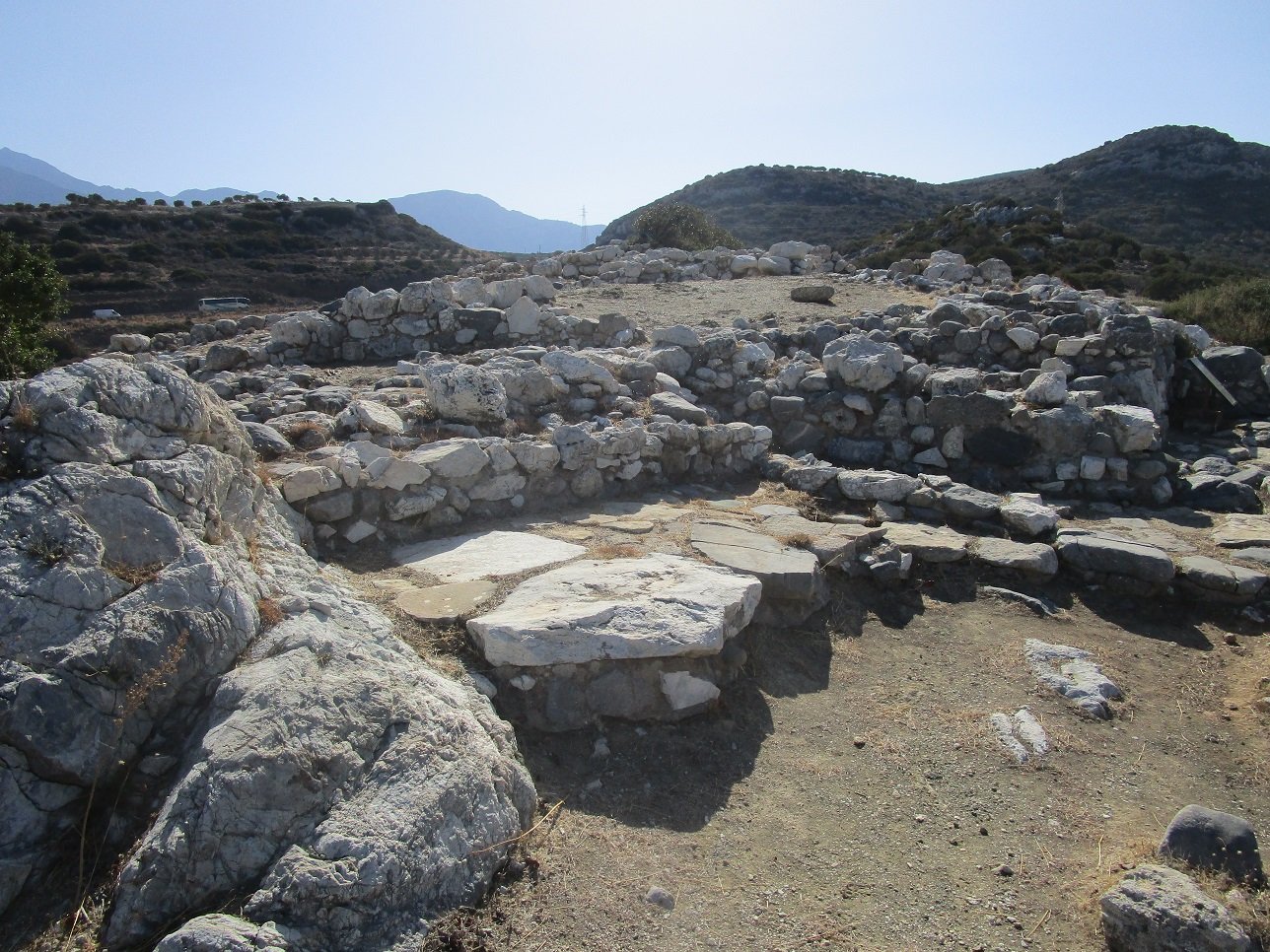
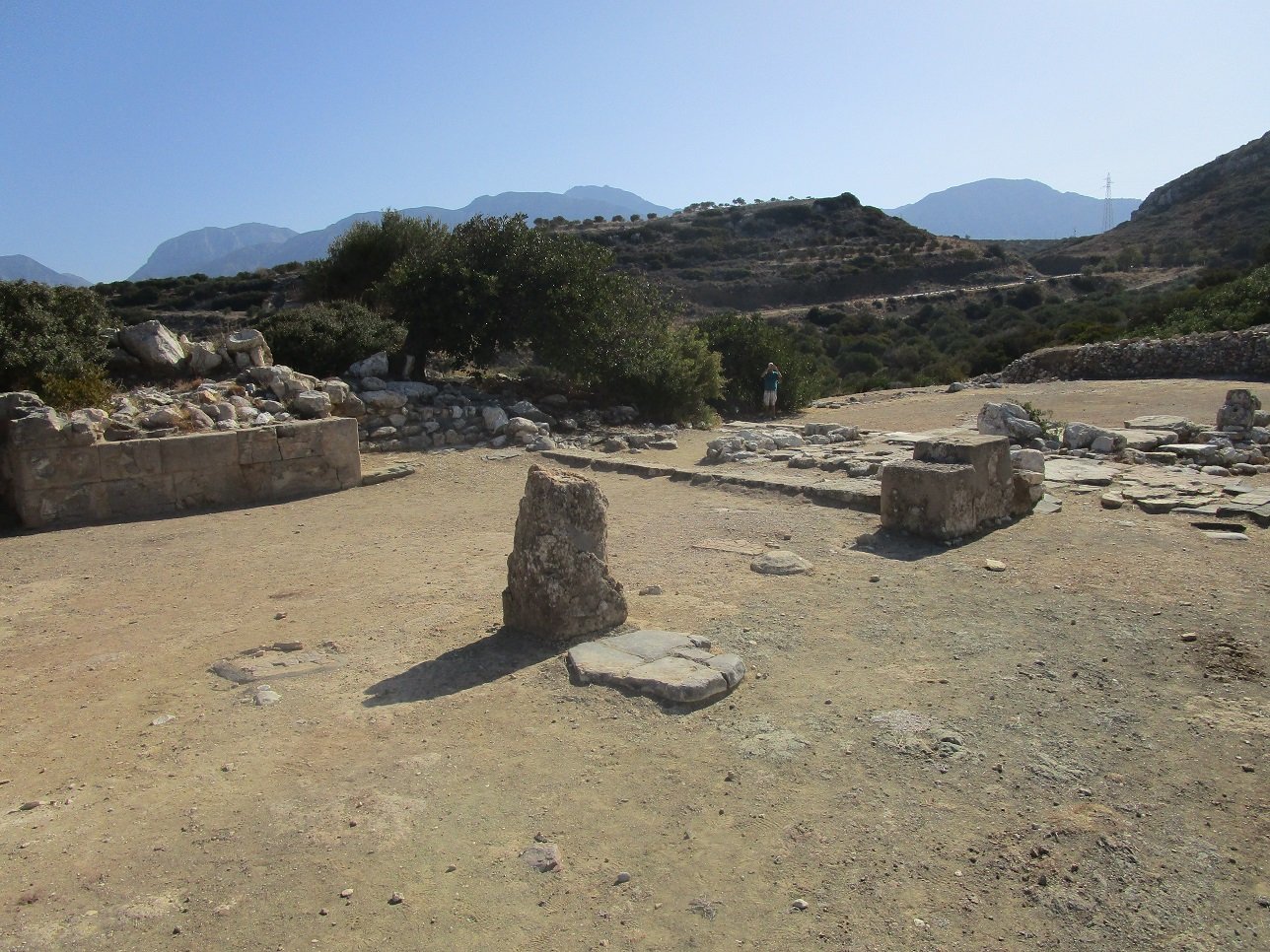
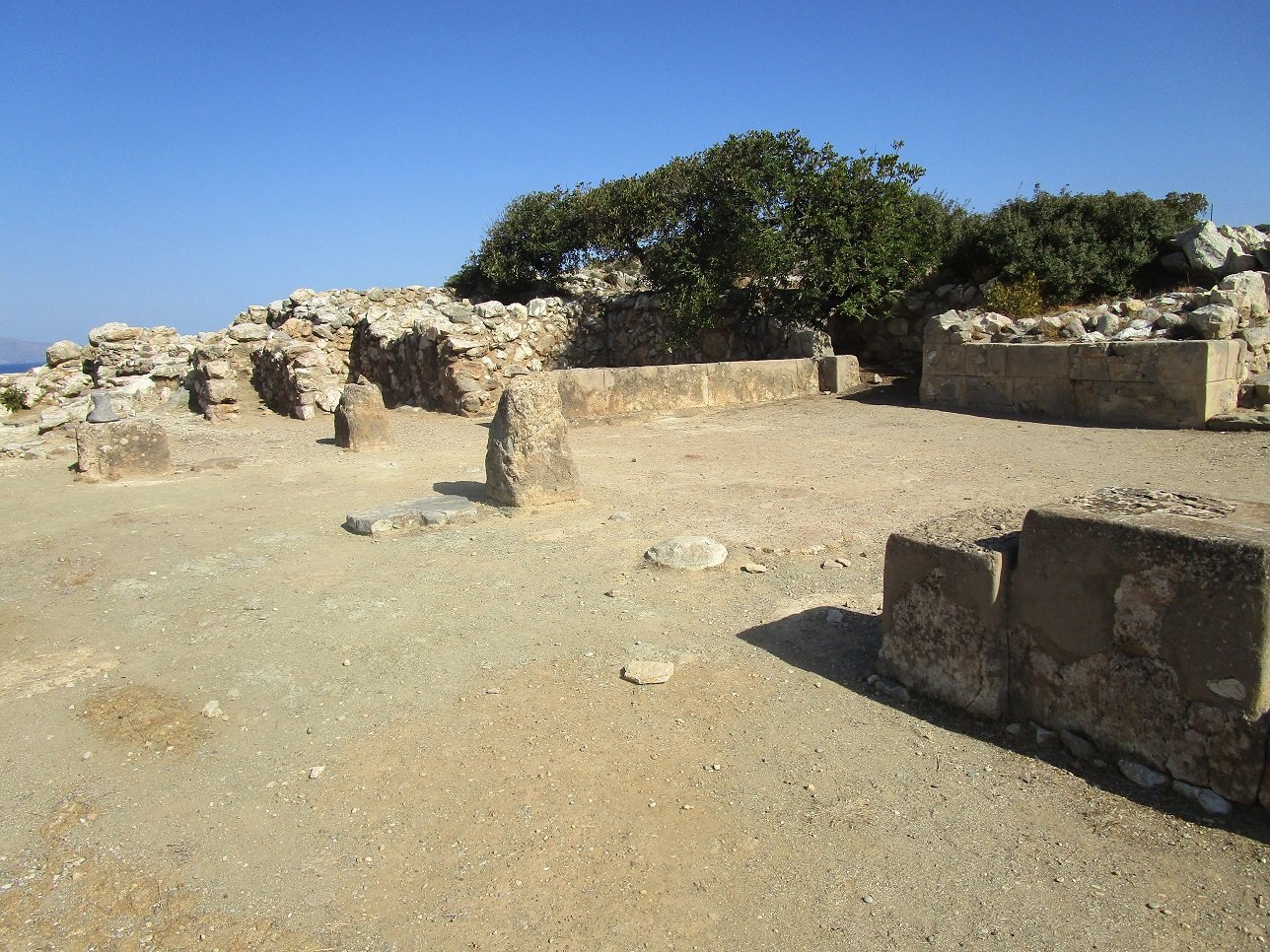

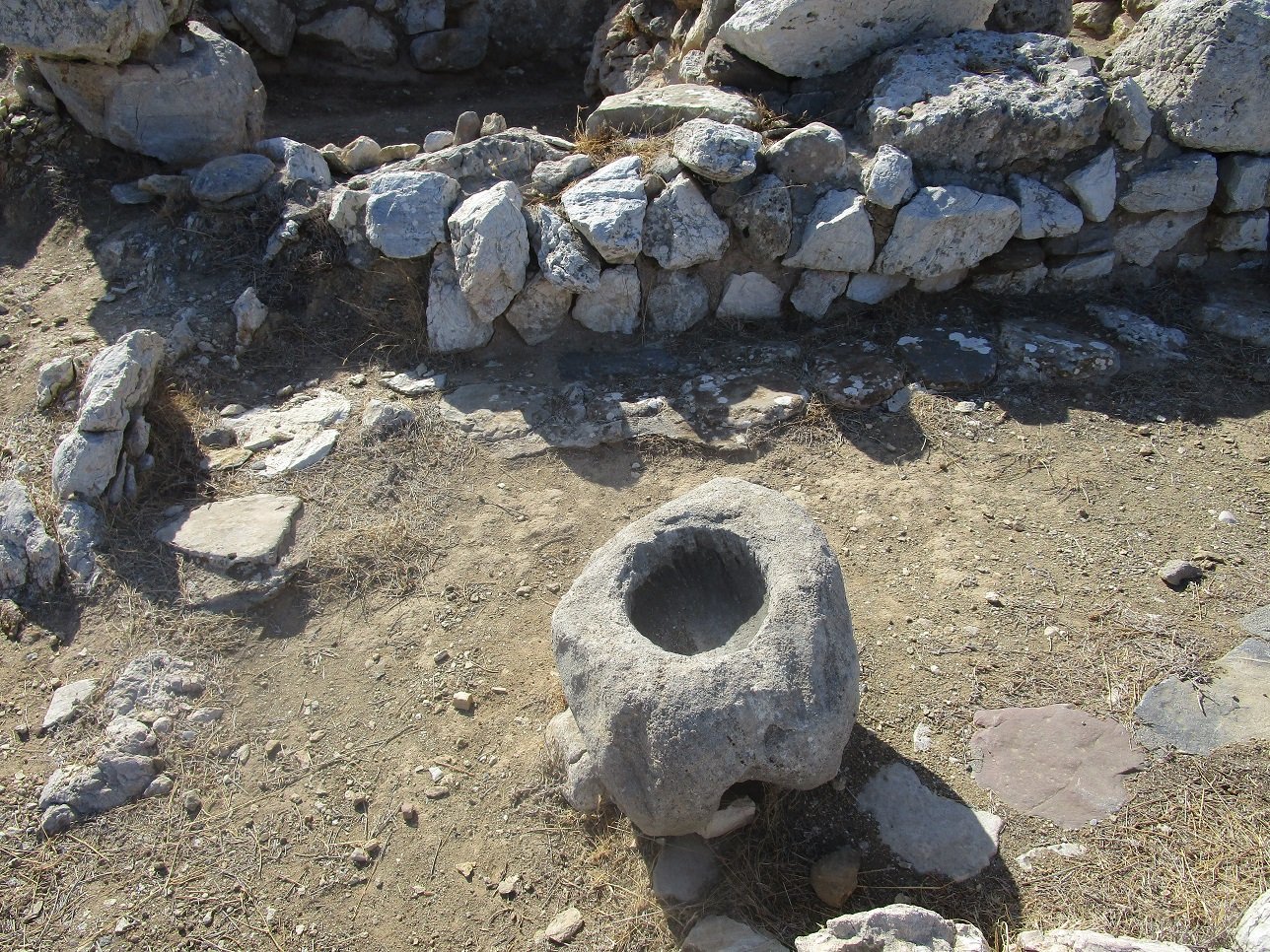
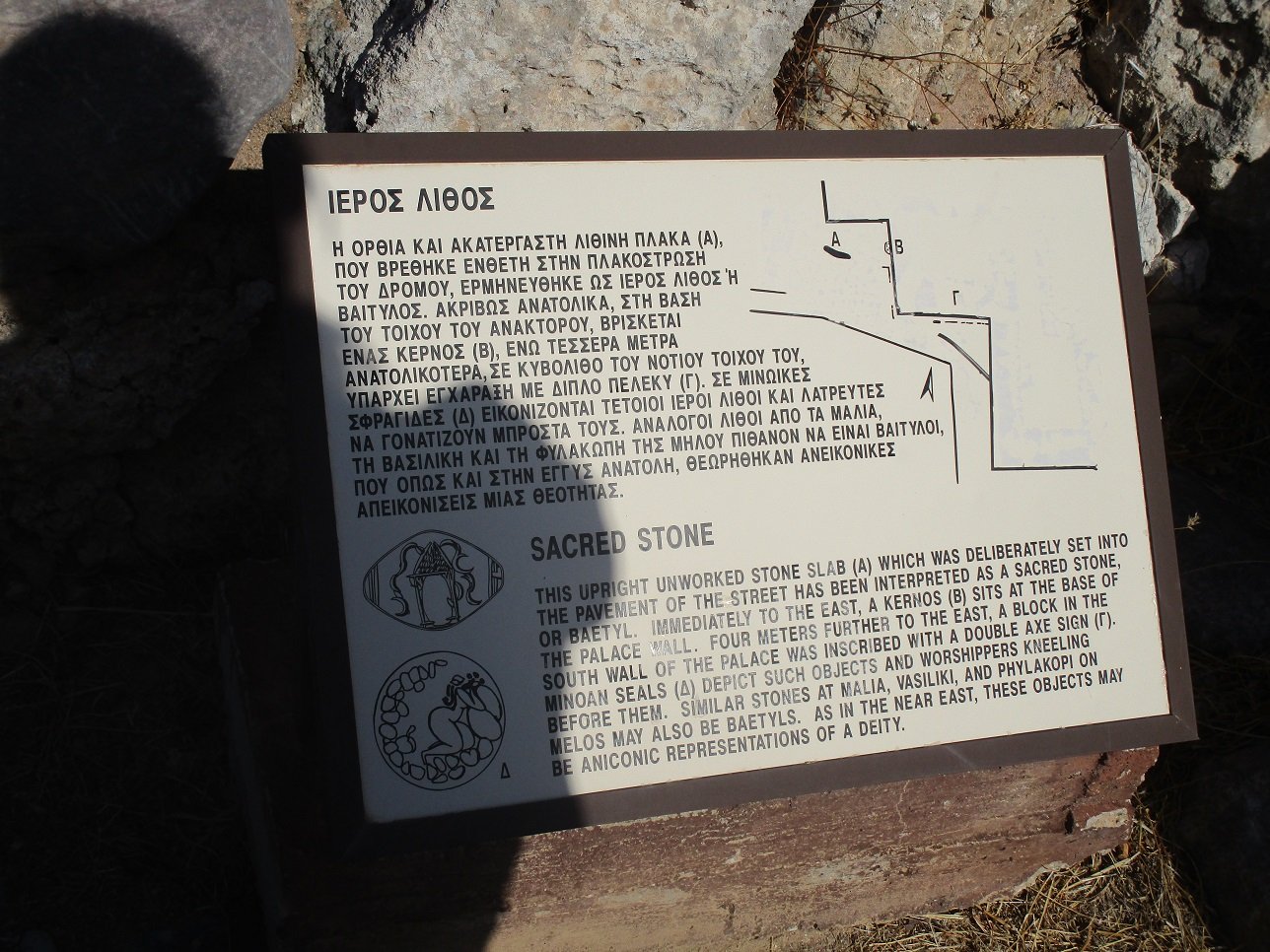
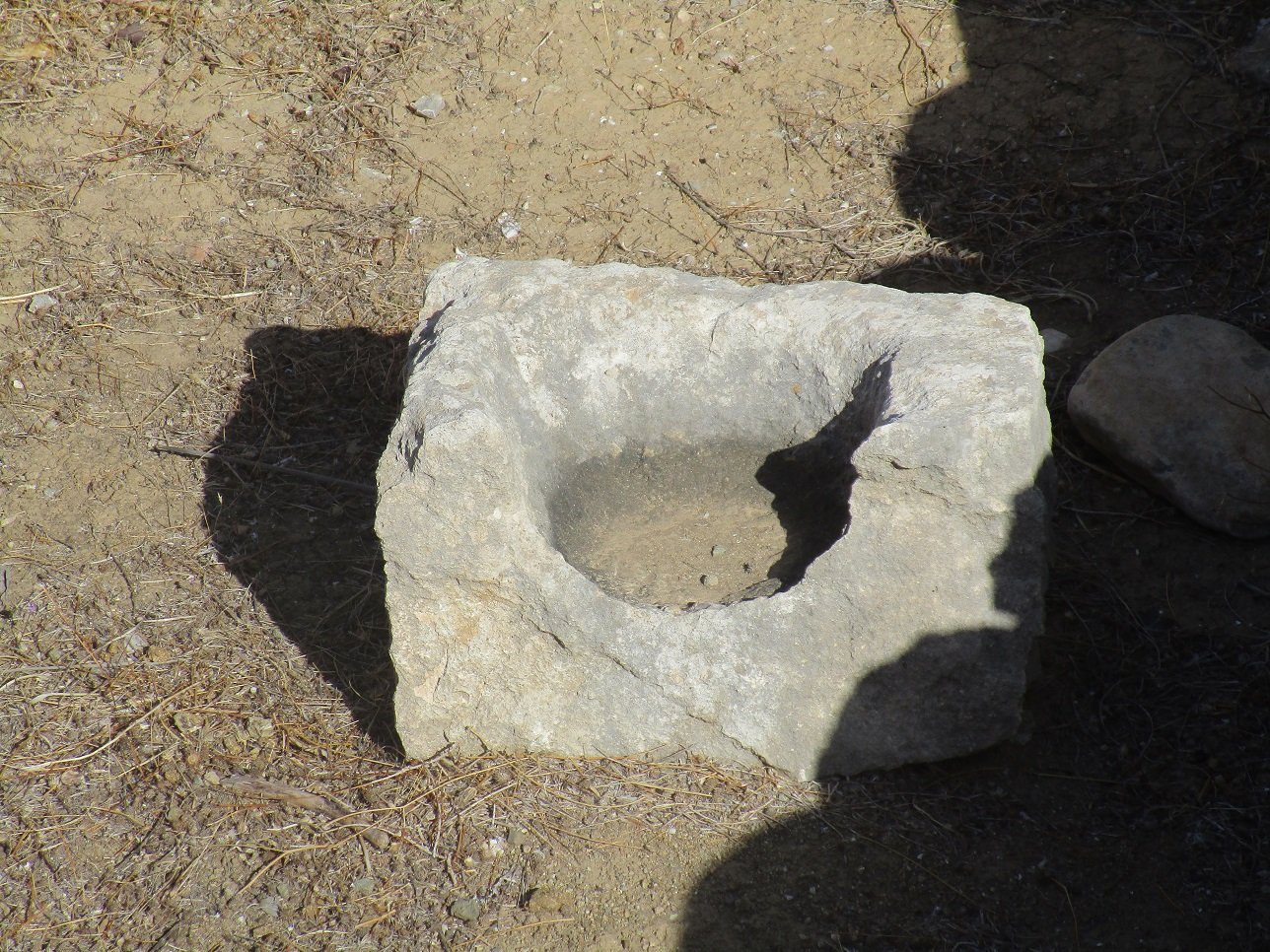
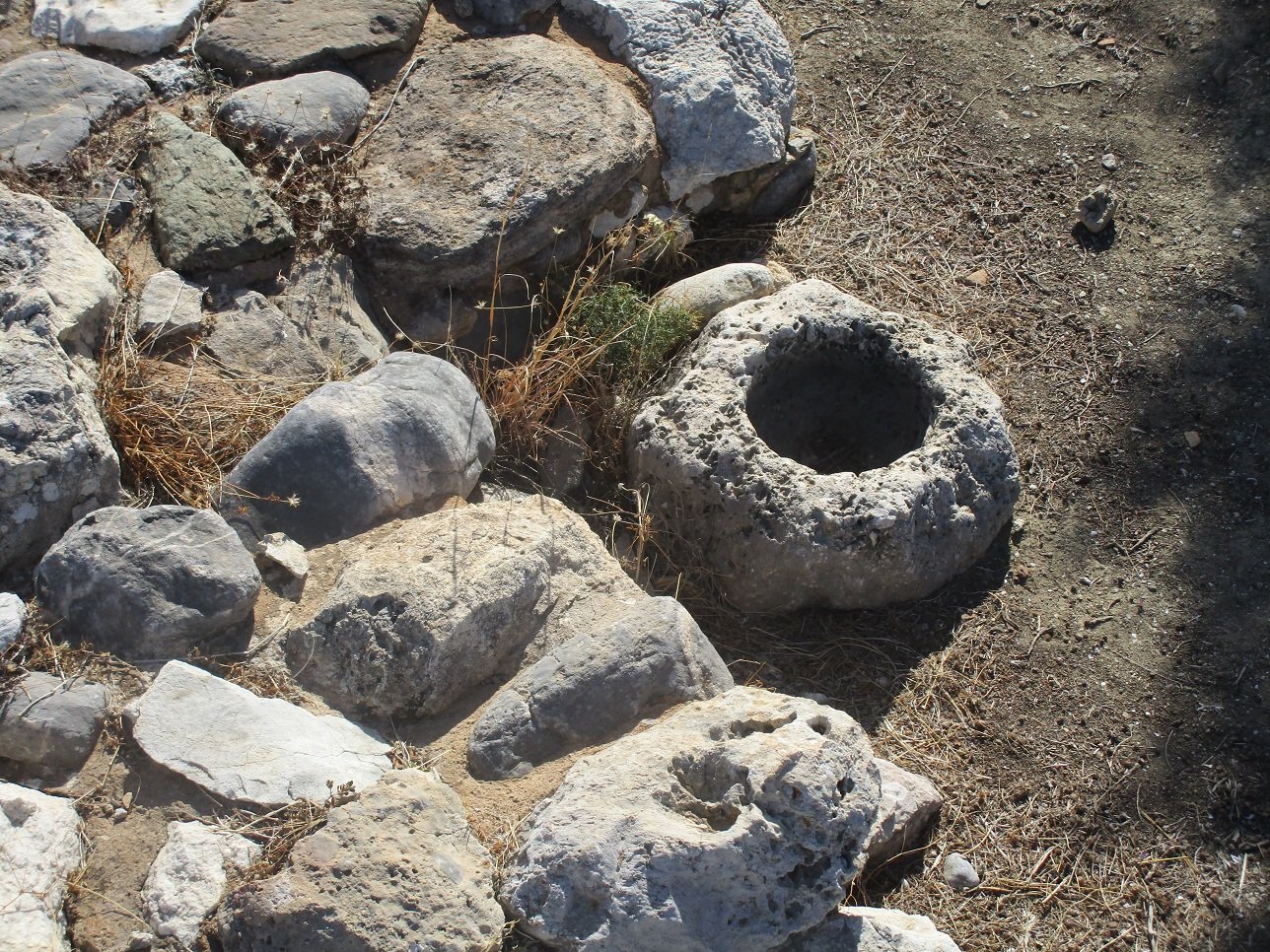
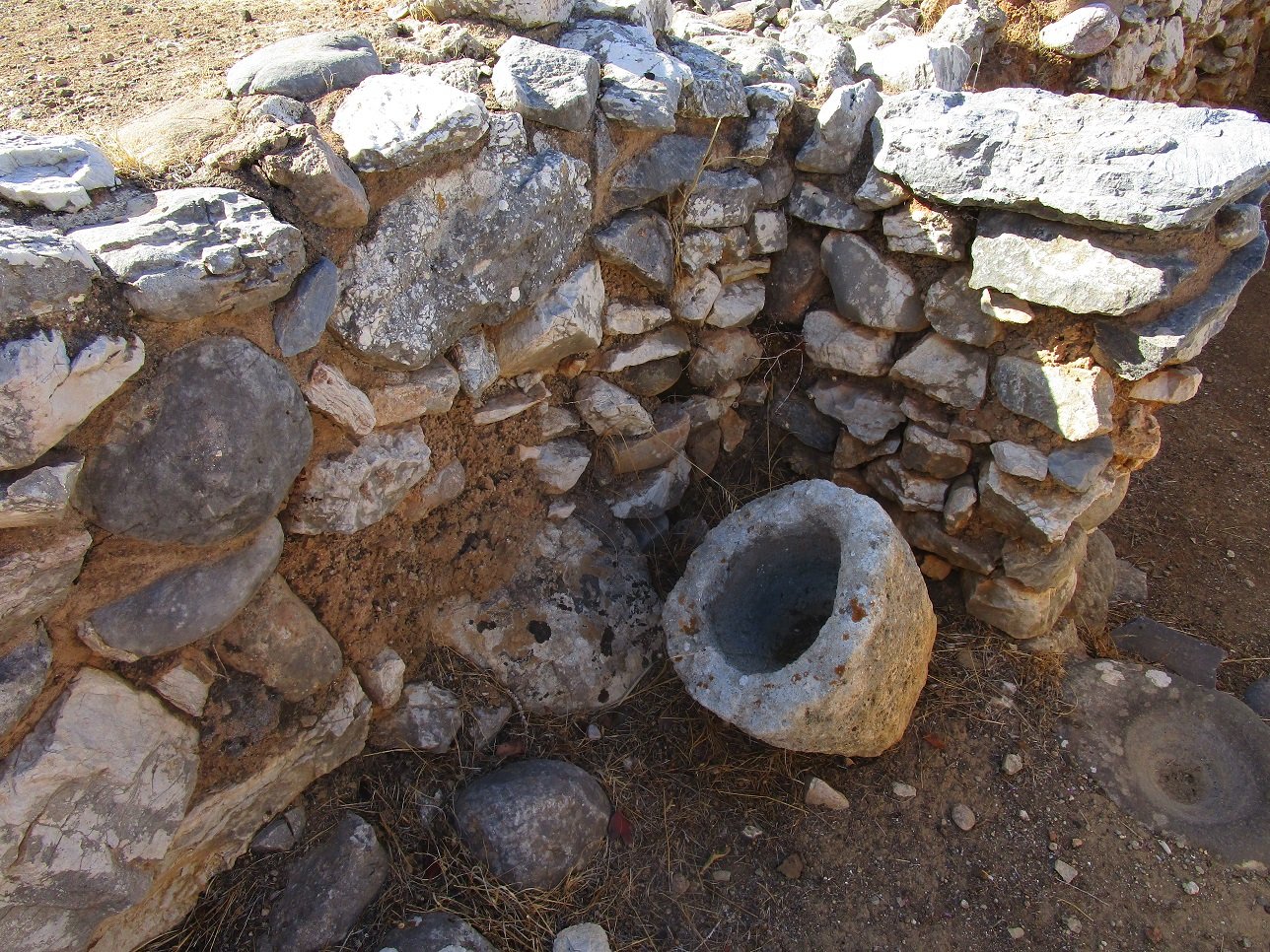
Gournia was a city for ordinary people, with homes, workshops an shops. There was even a sewage system. The center is a square on the top of the hill, with next to it a sanctuary. The streets are paved. the houses were two to three stories high. Downstairs was the place for the cattle and the supplies, upstairs were the living quarters. Here and there there are in the floor places to drink for the cattle (in Greek these are called "gournes", and this is where the name derives from).
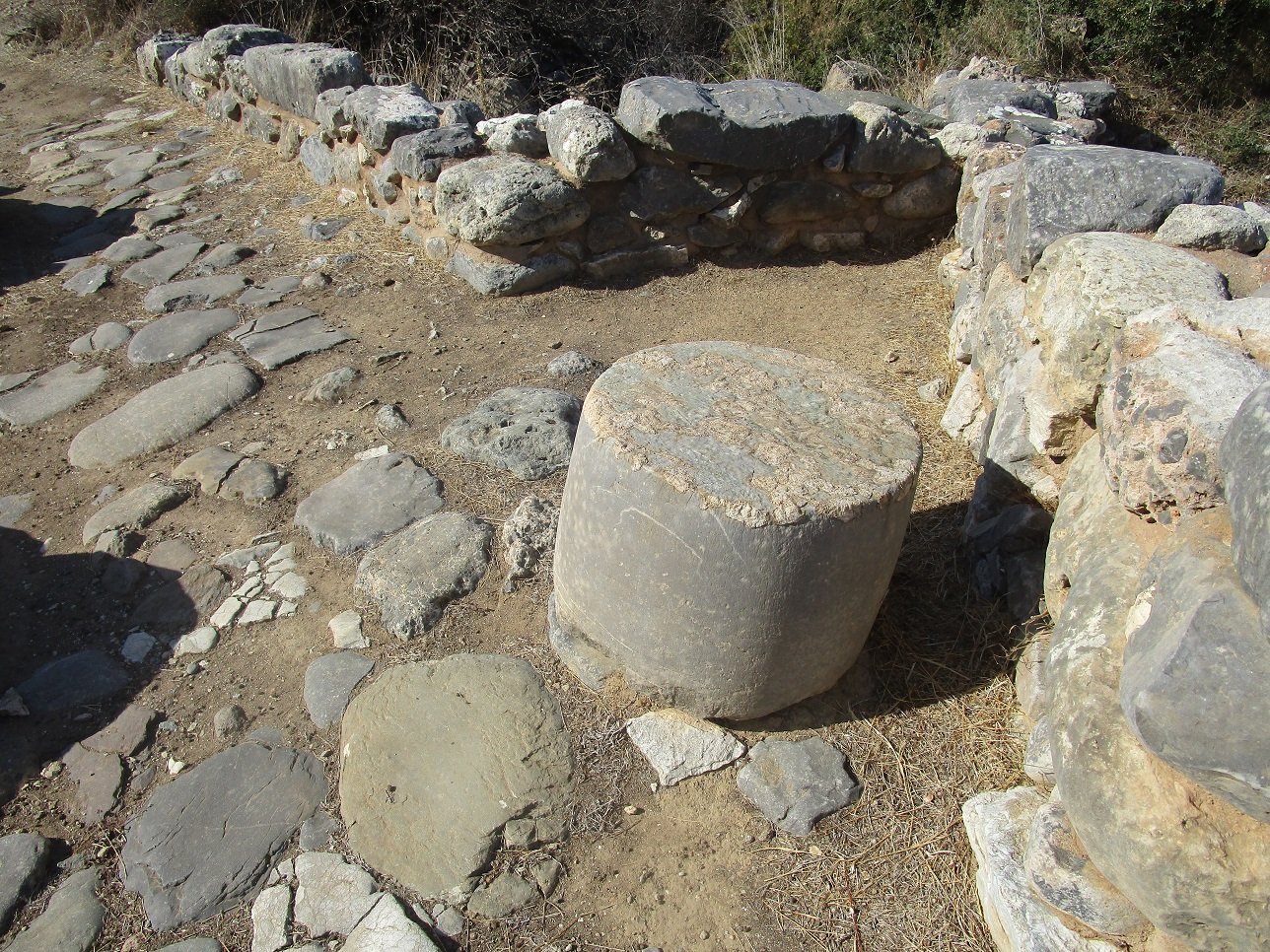
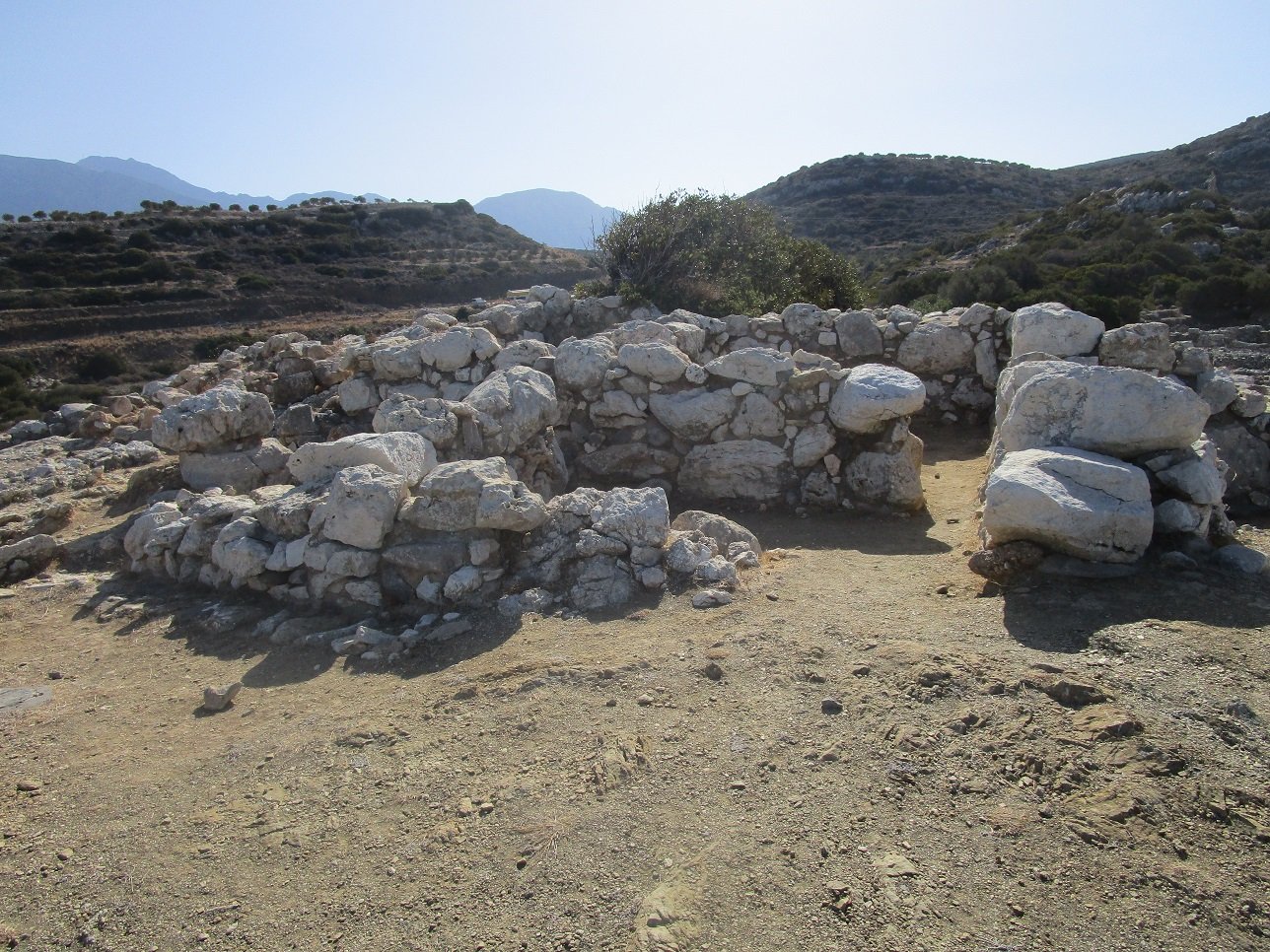

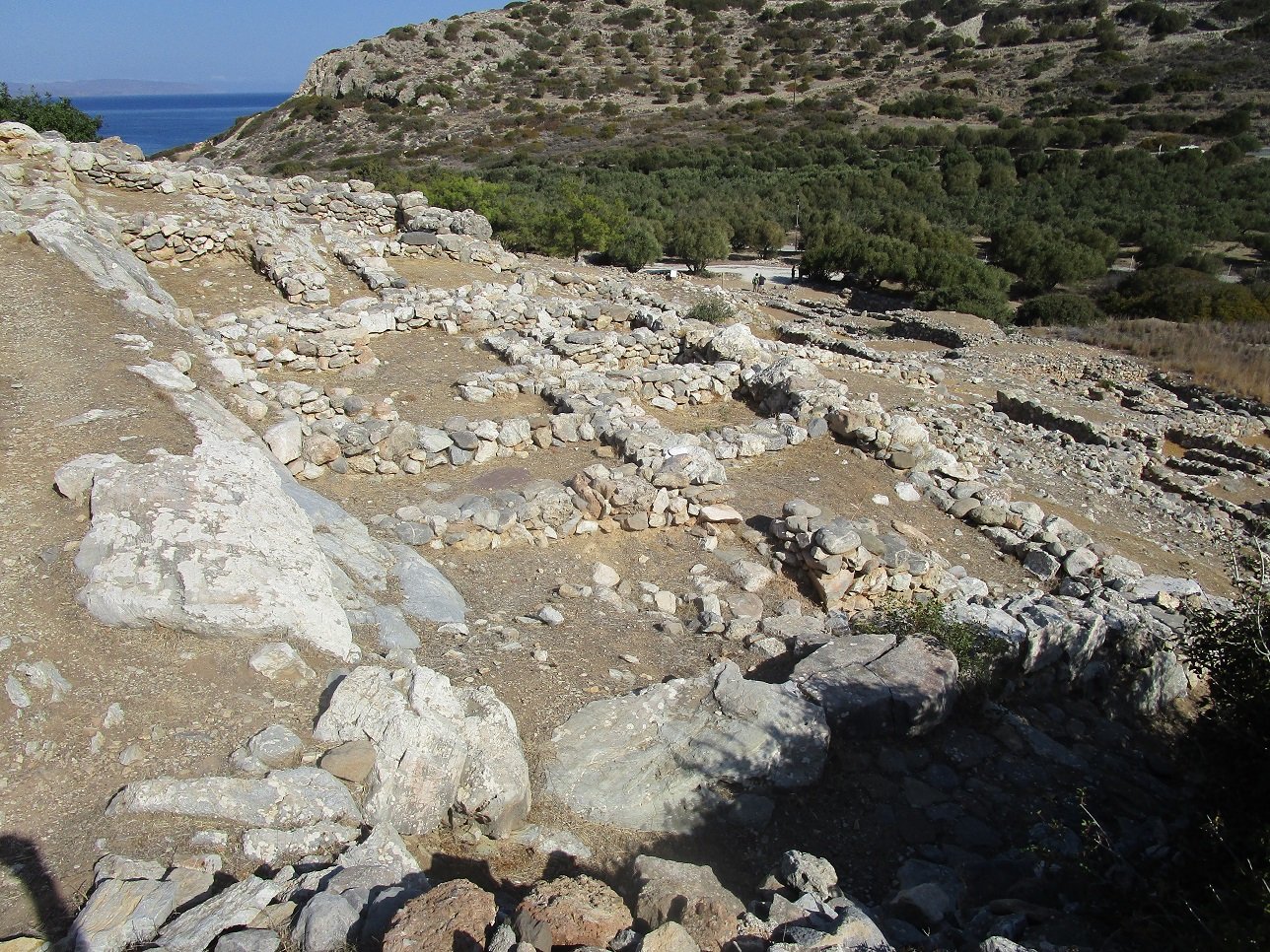

The place, on a hill and not far from the sea was strategically chosen. This way the residents could live from fishing and the surrounding land could be cultivated. Gournia was also situated at the narrowest part of the island and there was a road connecting the city to the south (Ierapetra). Like this the residents could also trade with Africa and a dangerous trip along the east of Crete could be avoided.
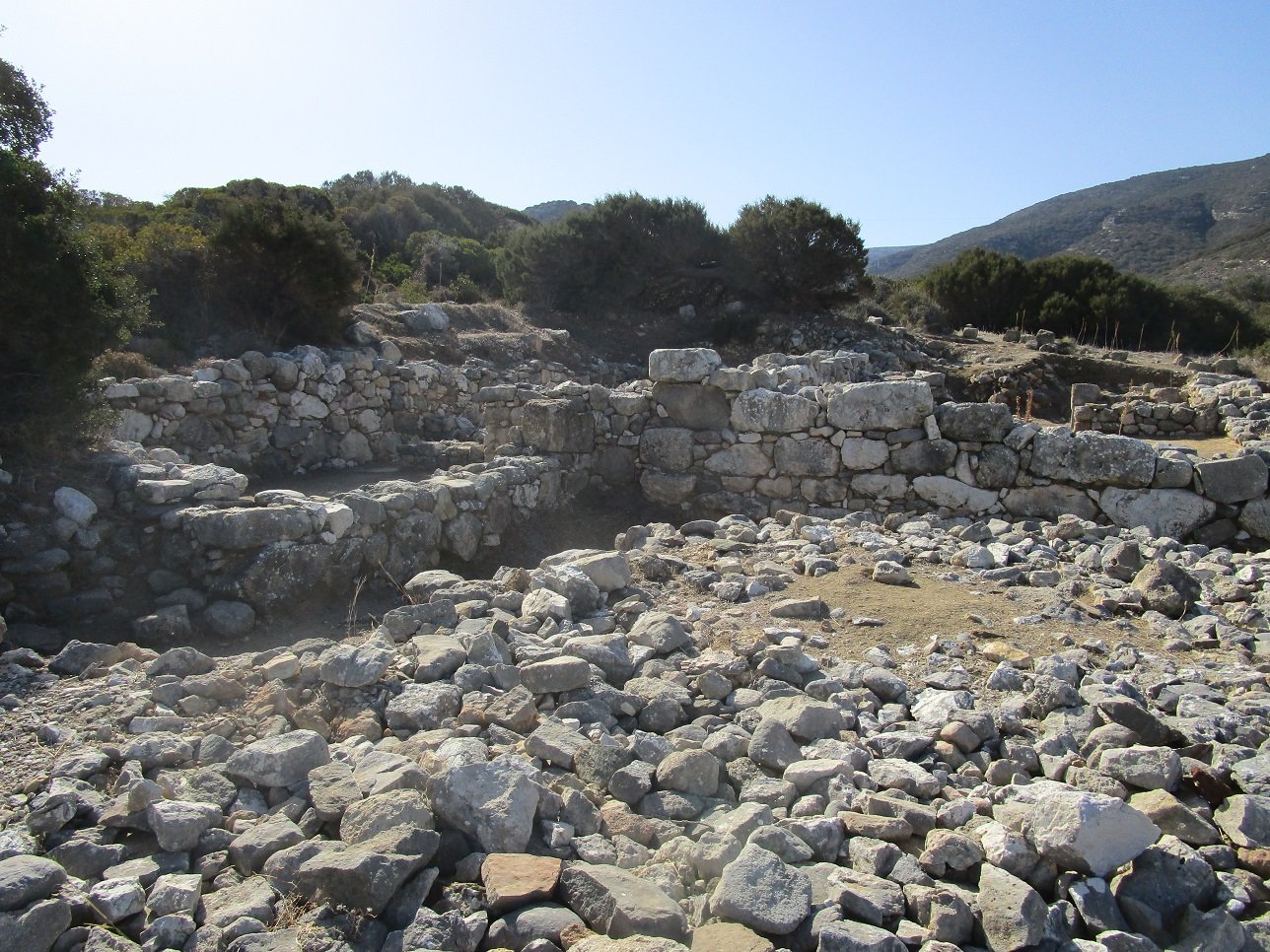
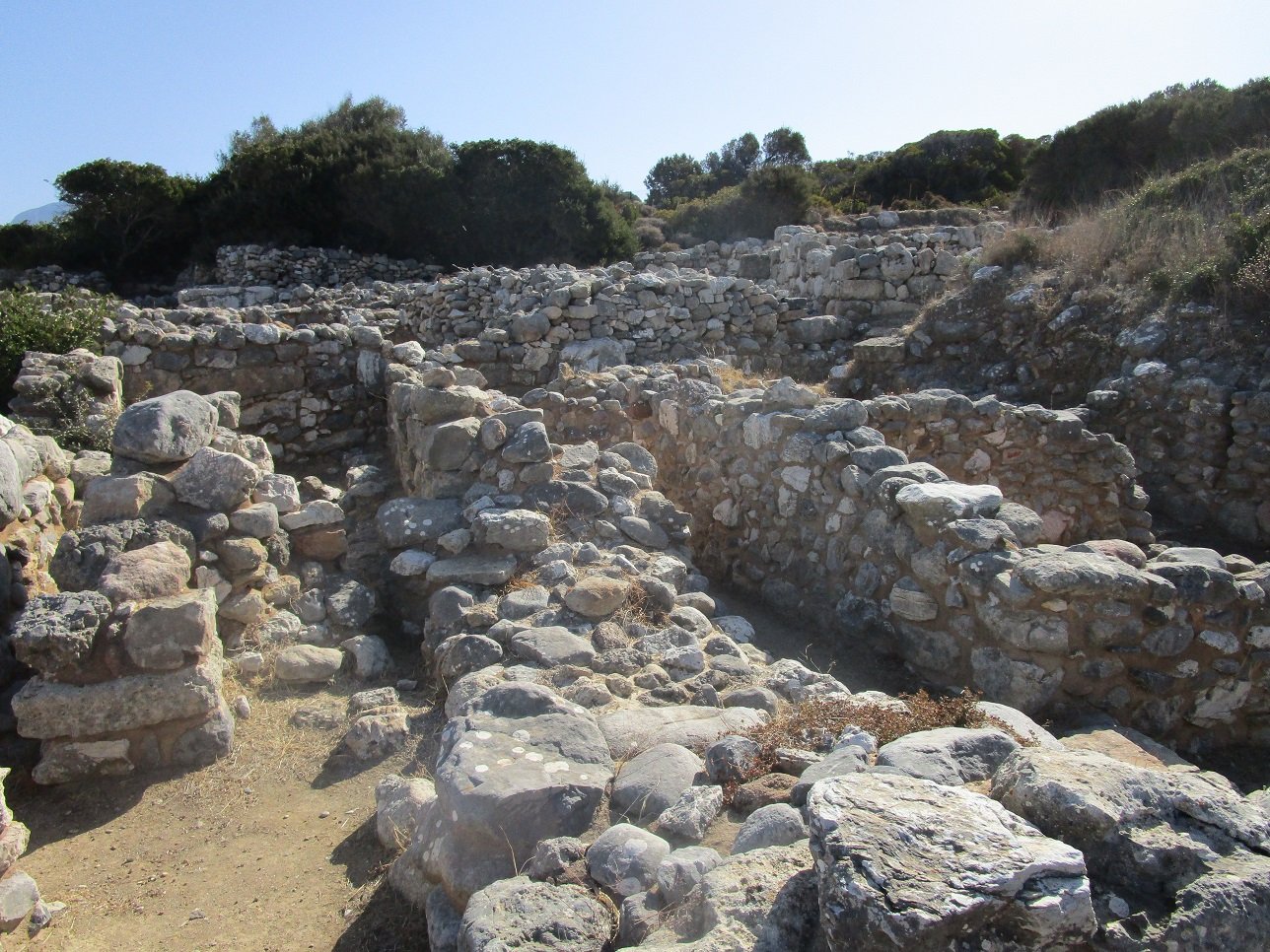
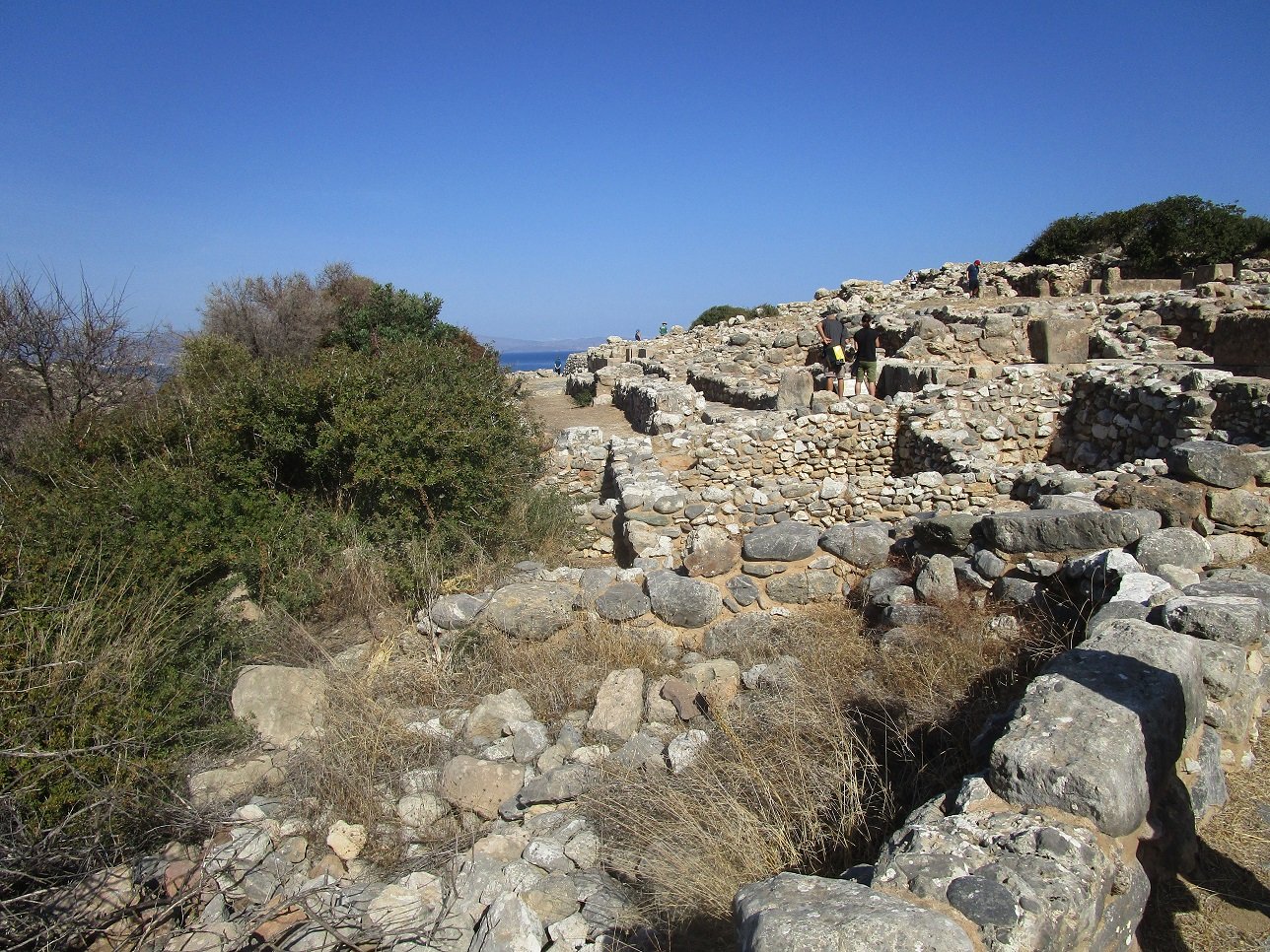
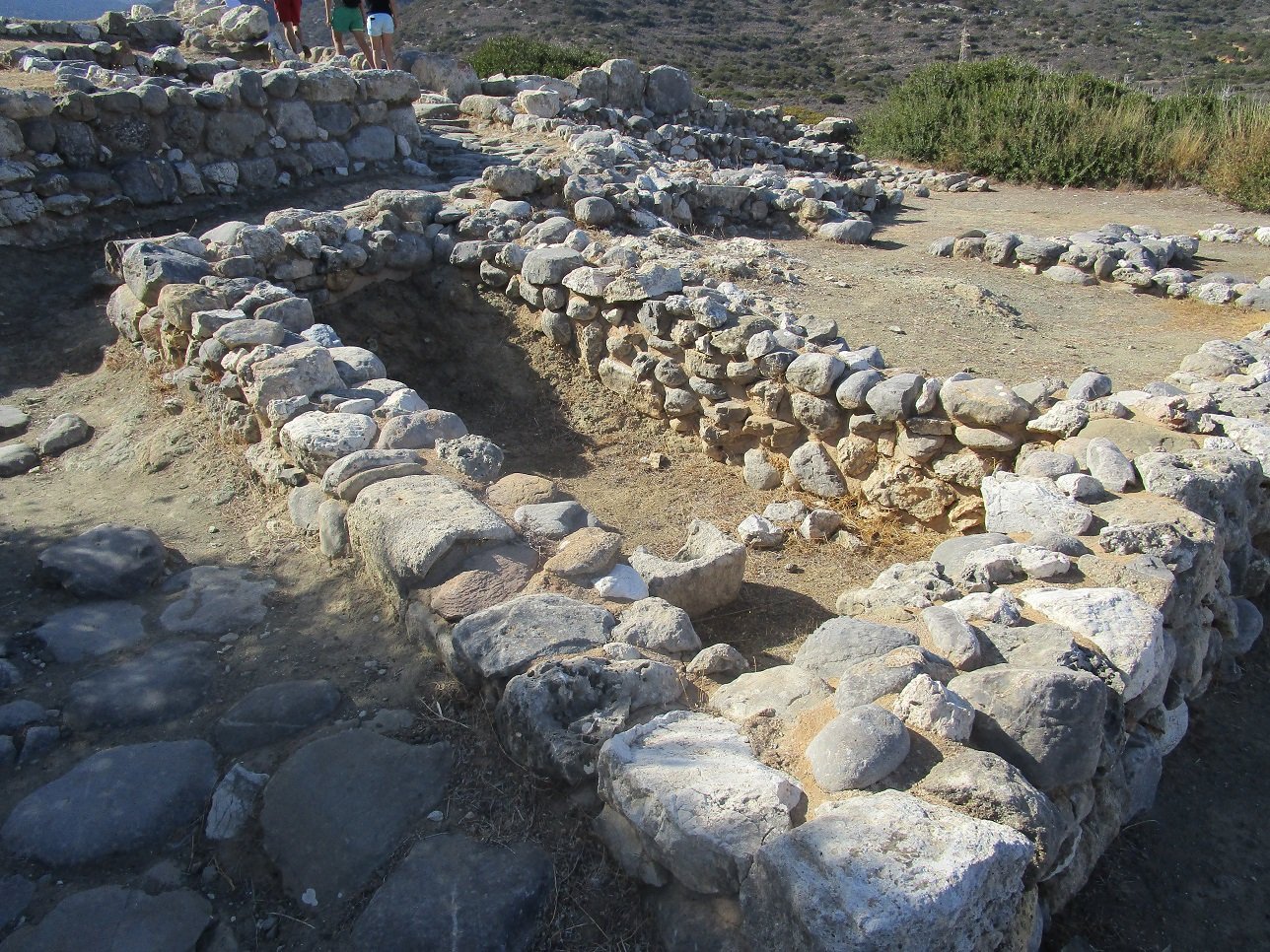
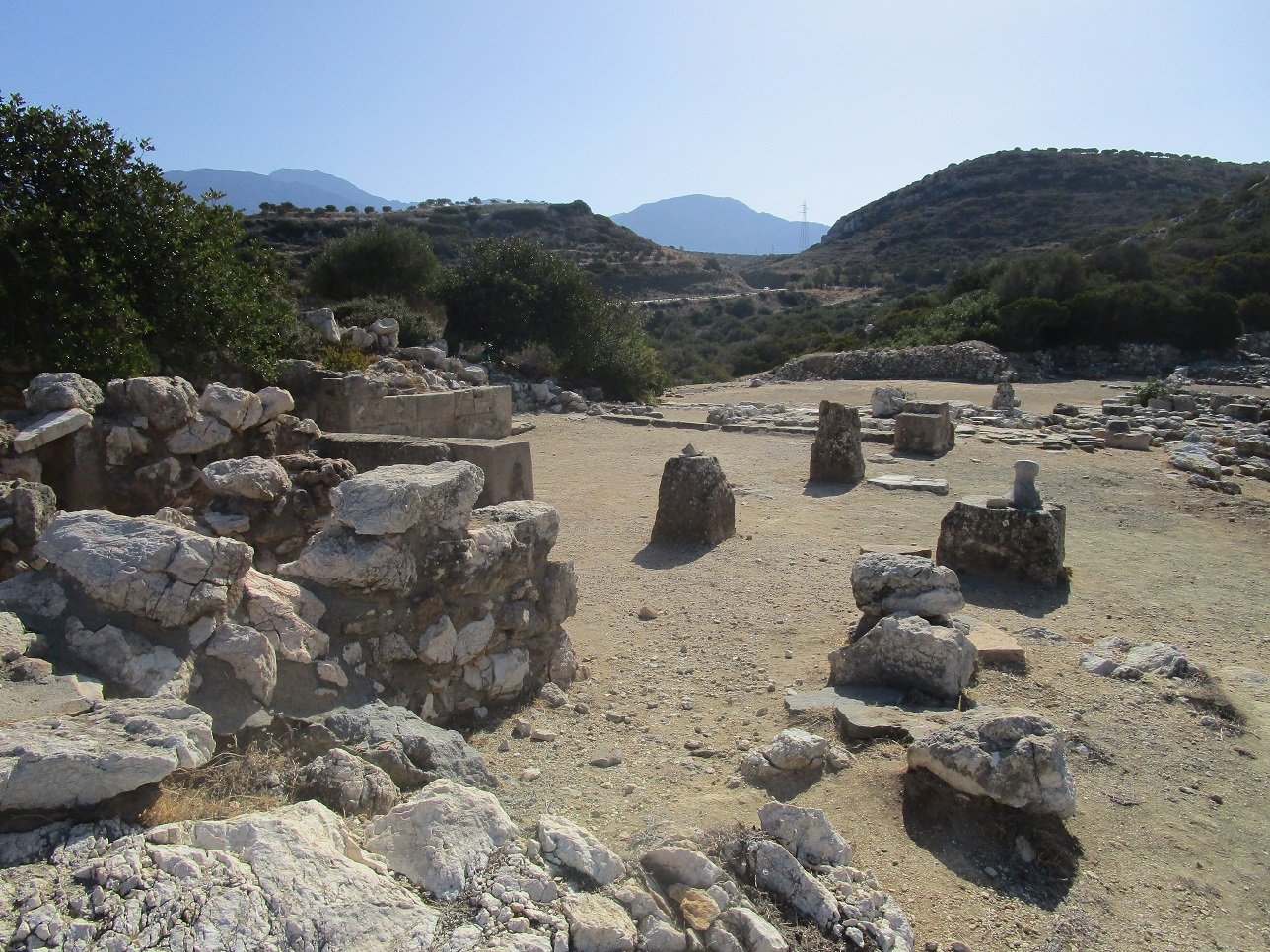
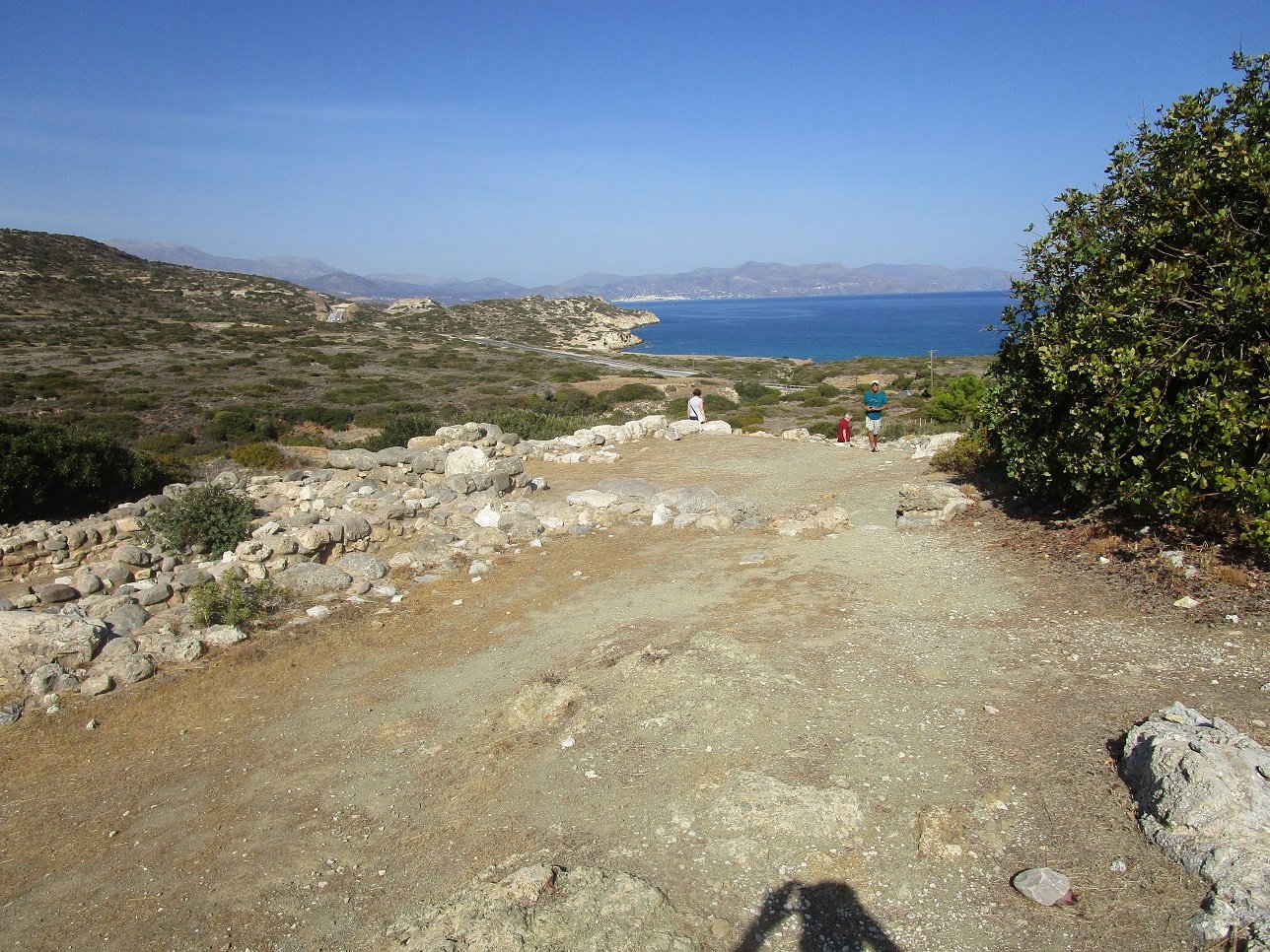

The largest part of the city dates from the 15th to 17th century BC but Gournia was already inhabited before that. Around 1450 BC the city was destroyed in a war. Of the 25,000 square meters that the city once covered only the foundations are left.