


 <
<THE MONASTERY OF AGIOS GEORGIOS IN KARYDI NEAR VAMOS, APOKORONAS
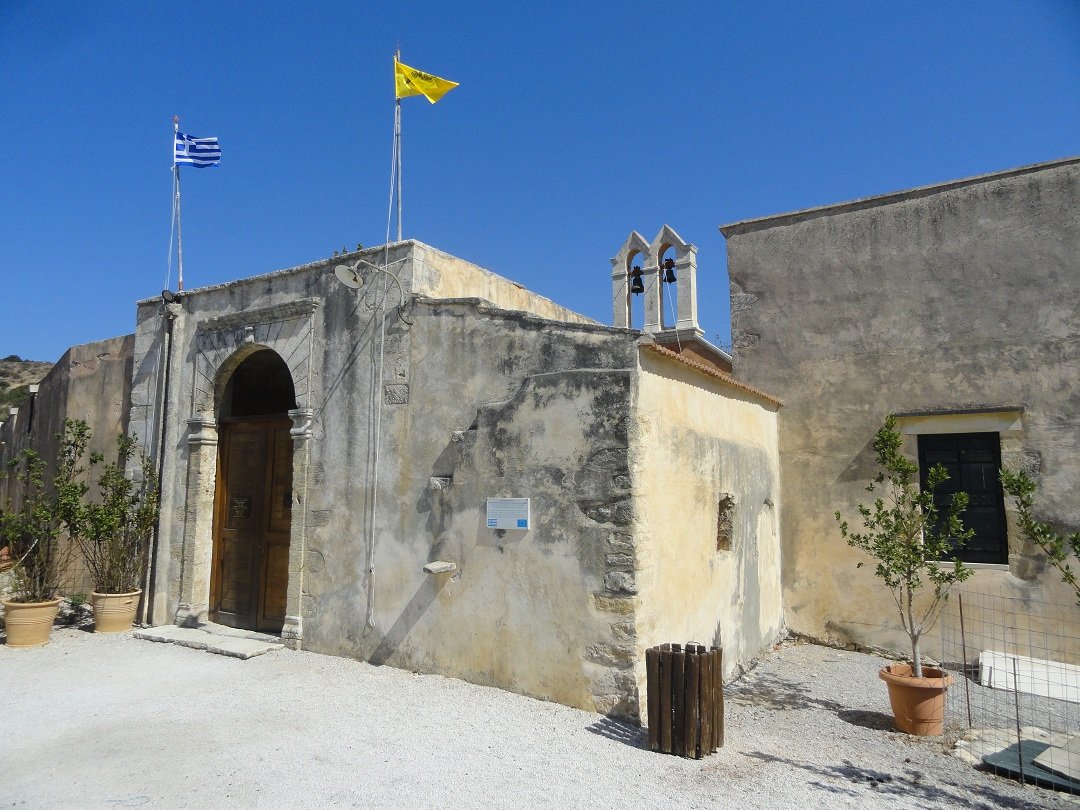
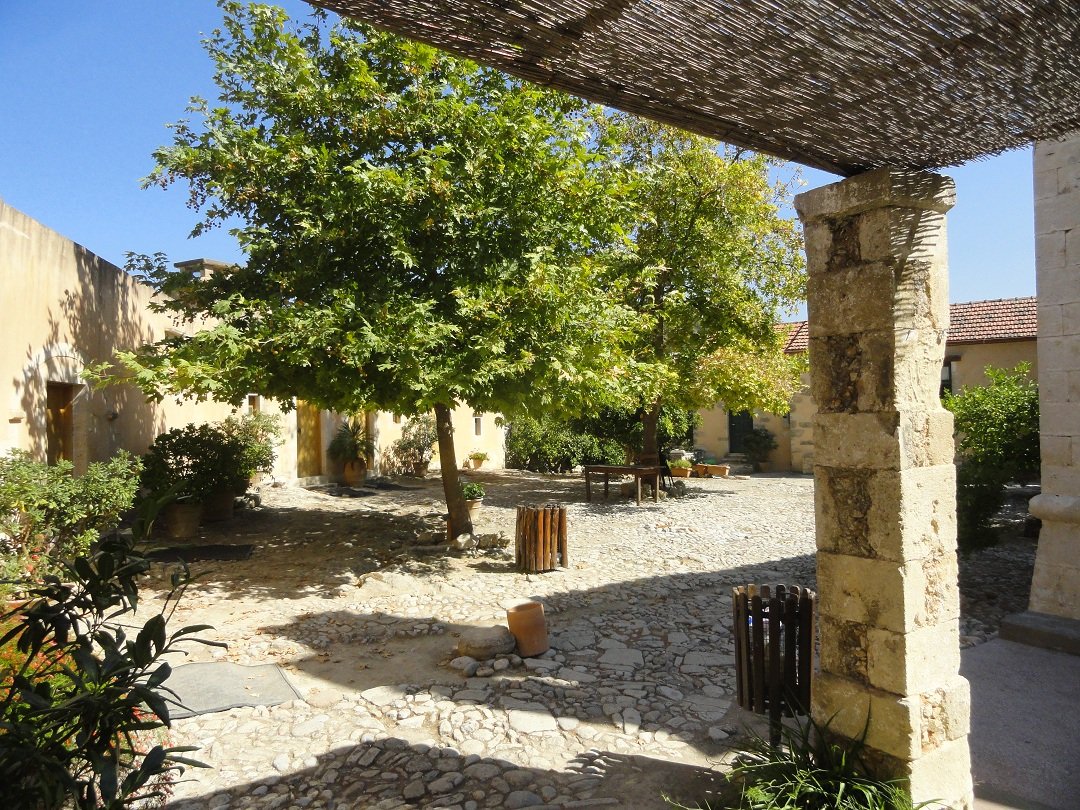
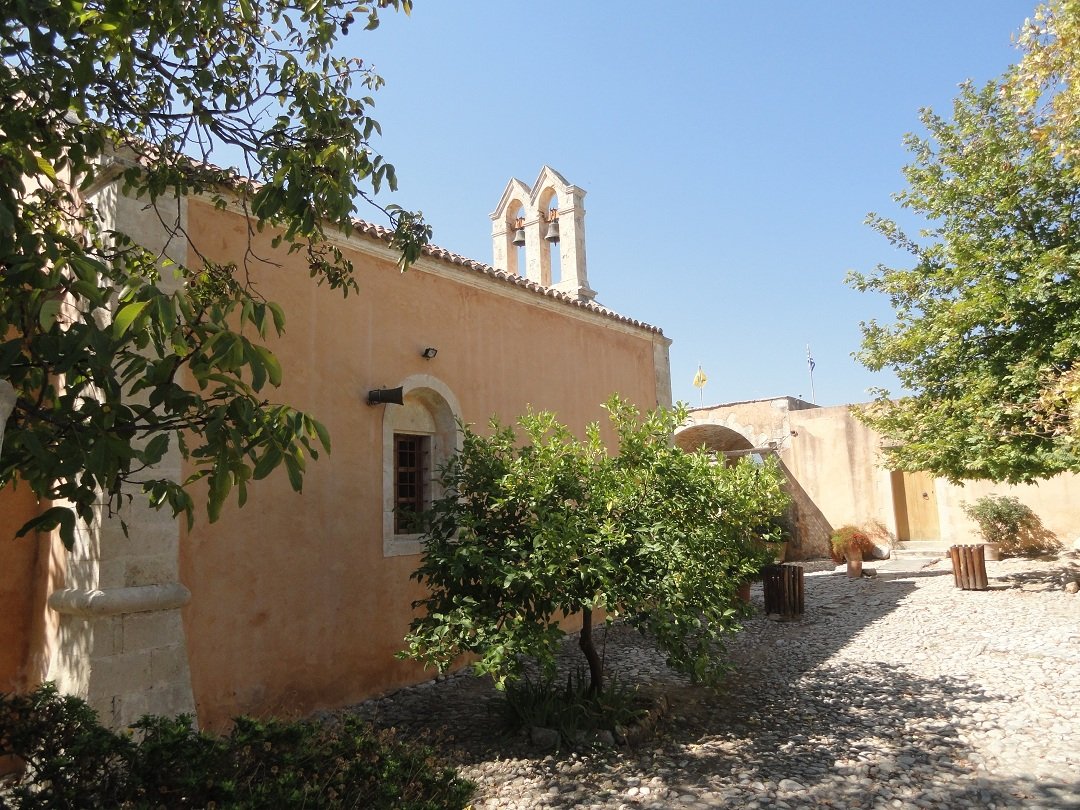
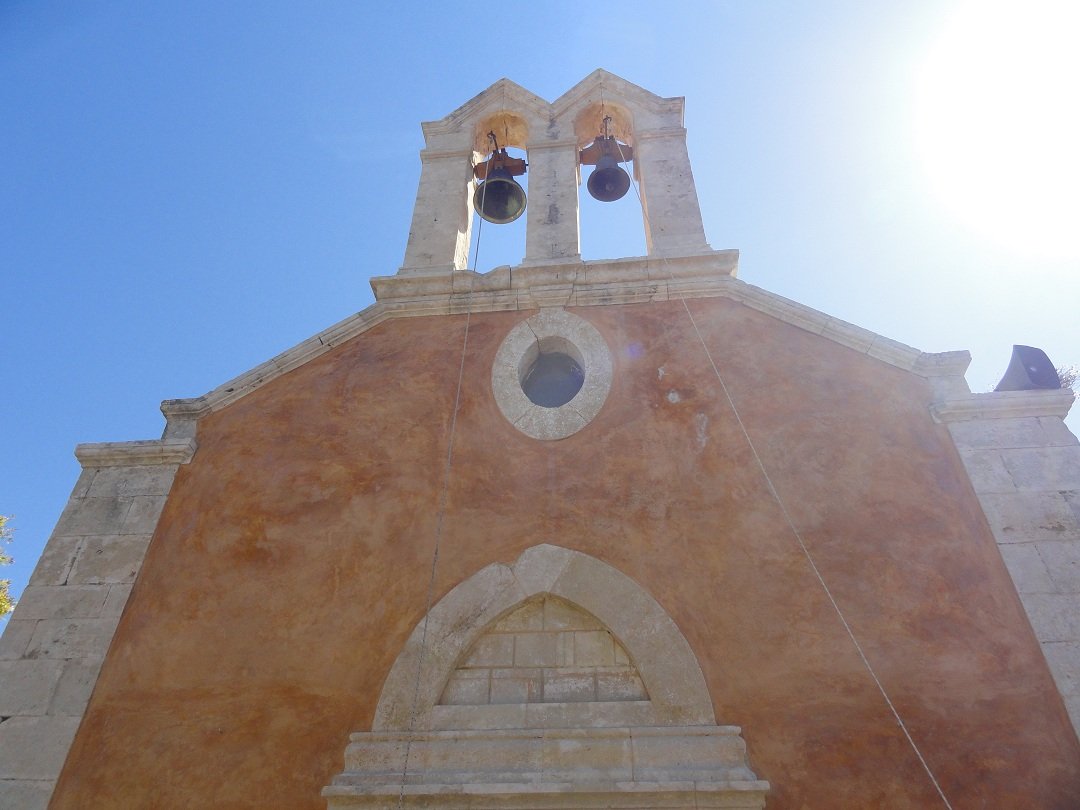

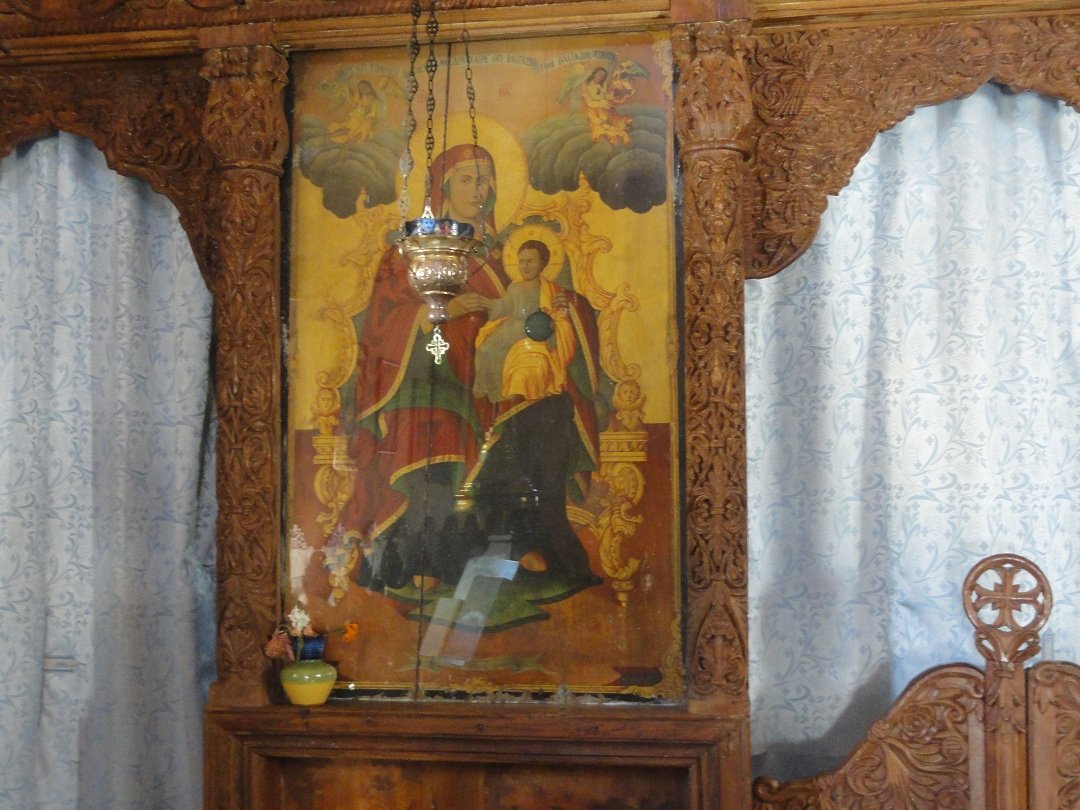
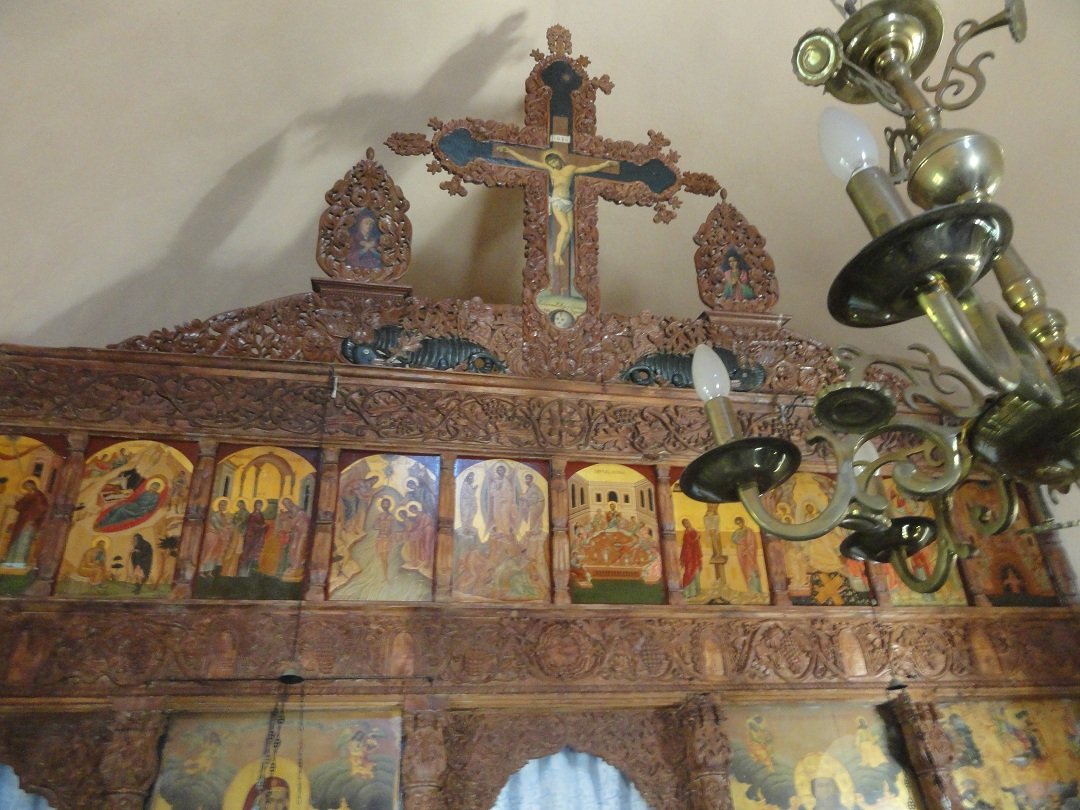

 The monastery of Agios Georgios in Karydi (opening hours 7:30 to 14:00 and 16:30 to 20:00) is located about two kilometers east of the large village of Vamos. It can be reached if you drive into Vamos from the north and follow the long road through the village of Vamos and exit the village again. You keep right at the first fork and go down the mountain until you see the sign, after just over a kilometer, that points to the monastery (at the next fork). Here you turn left.

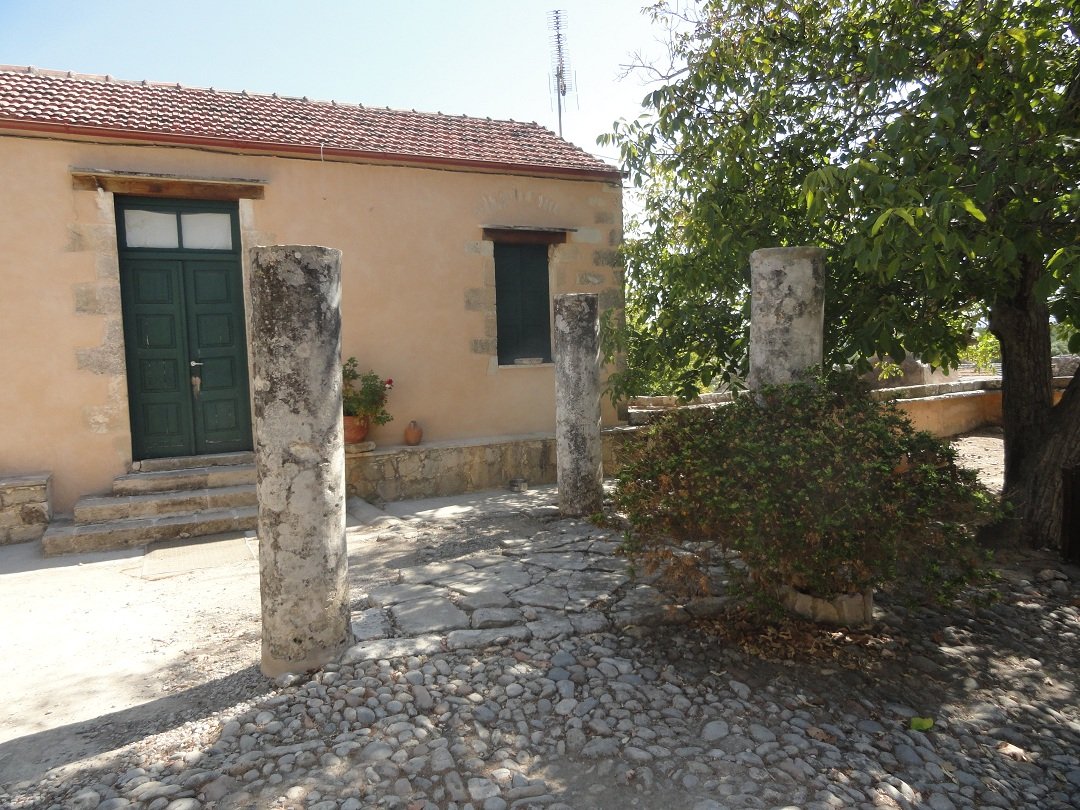
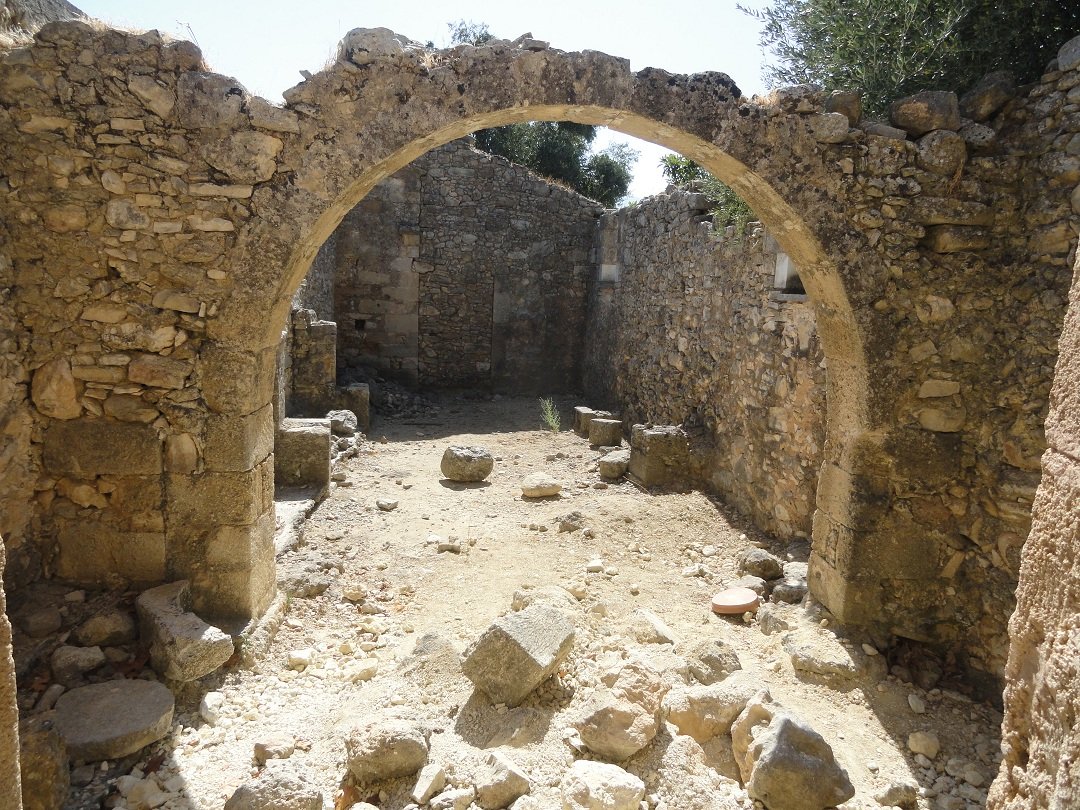
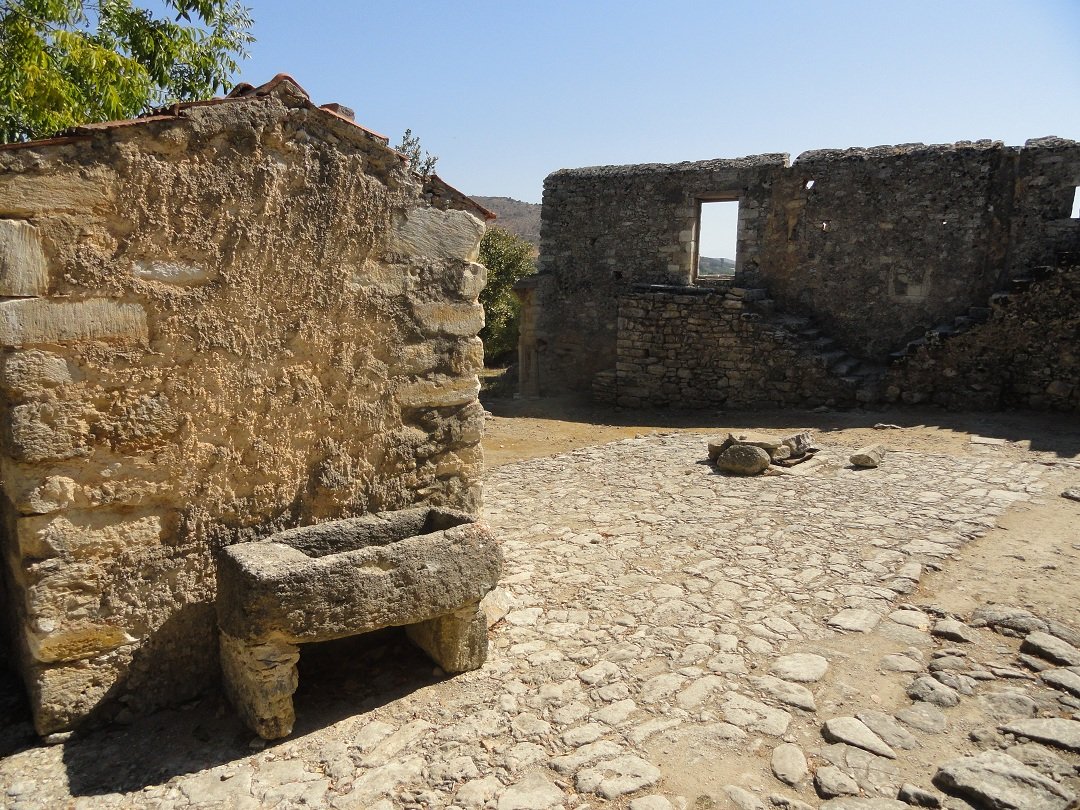
The monastery of Agios Georgios in Karydi was founded around 1600 when there was a settlement here in this place. During the Turkish occupation the village was destroyed because it was in a strategic position to the south (Sfakia). The residents (about 10 families) had to convert to Muslim or they had to leave. Four families were converted. The priest had to pay a lot taxes to keep the church intact (the Turks wanted to destroy it), in which he eventually succeeded with the help of the Agia Triada Monastery. In 1720 the monastery was therefore given to the Agia Triada Monastery to thank them. In 1821 the Christians were given more freedom from their Turkish oppressors.
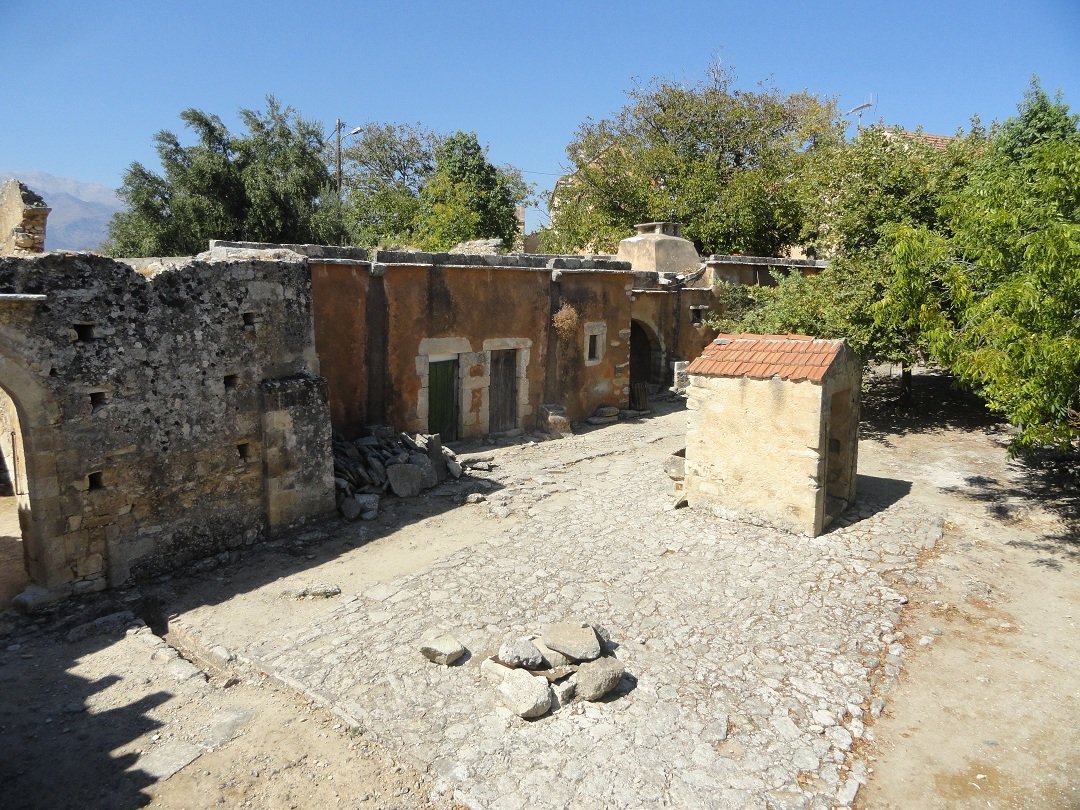
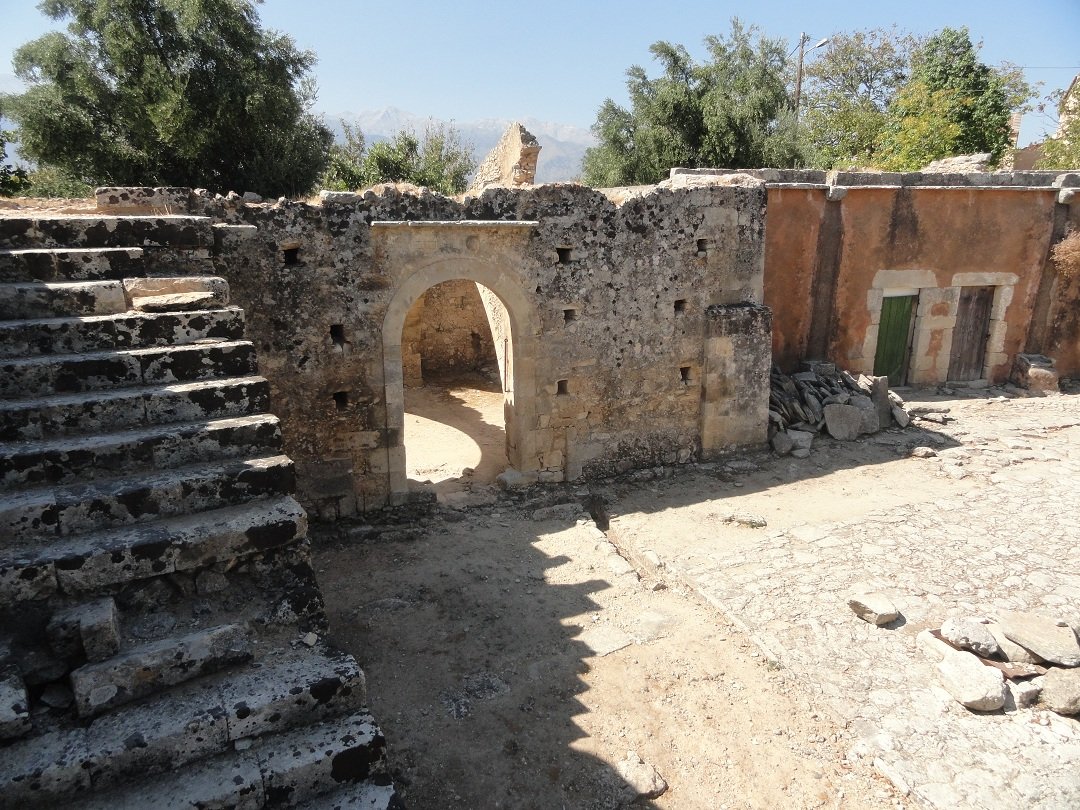
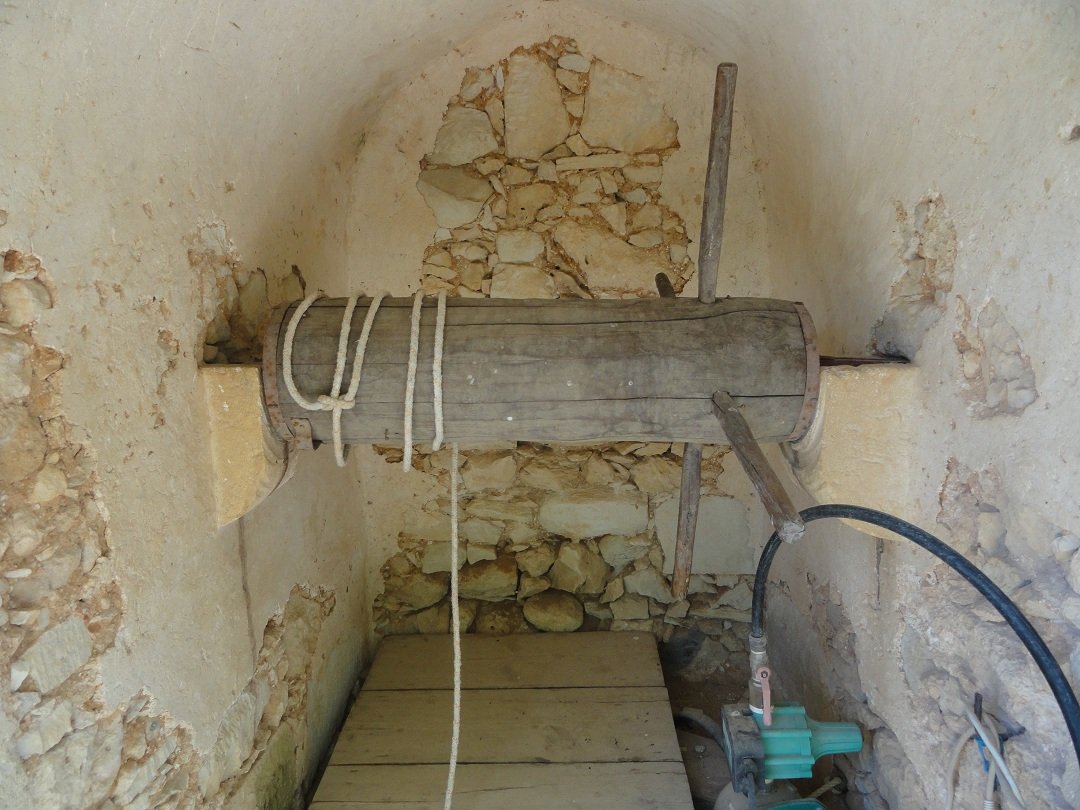
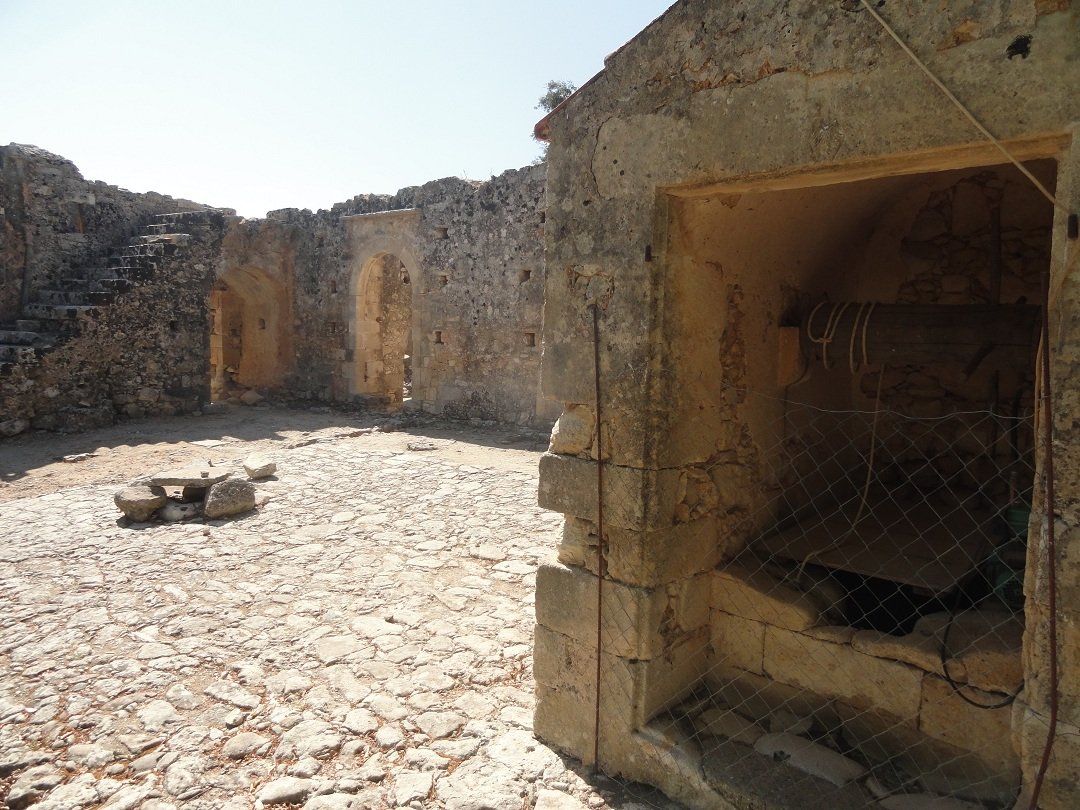
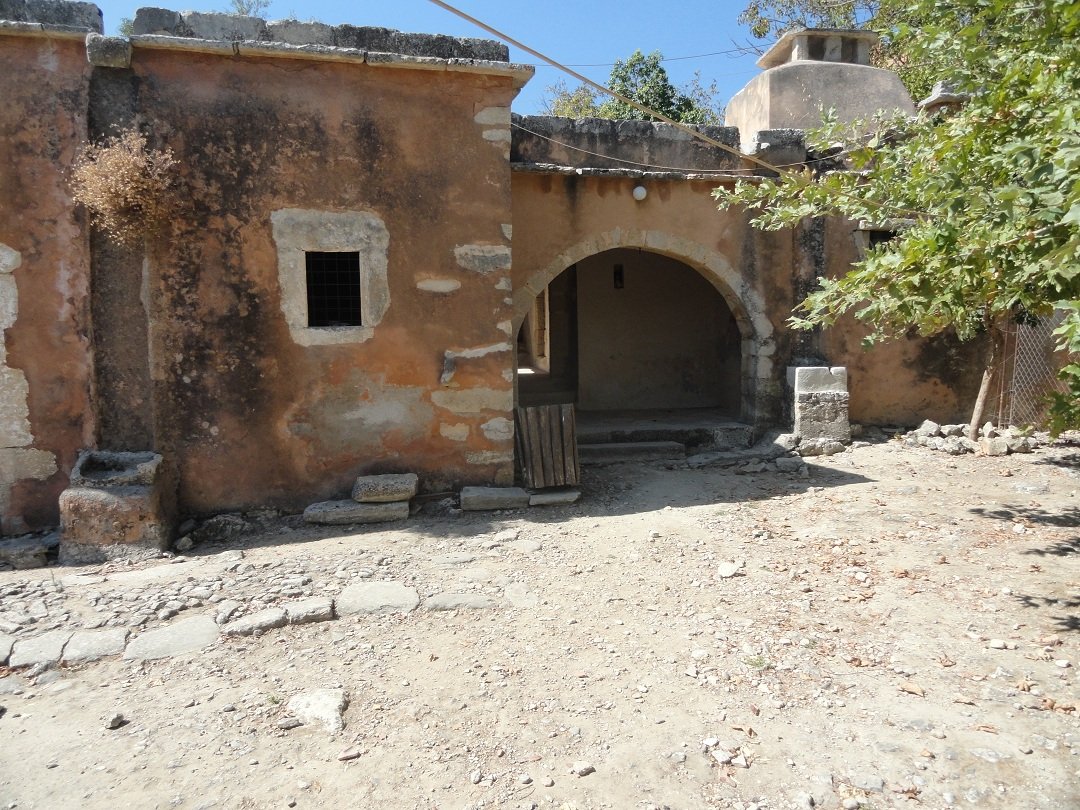

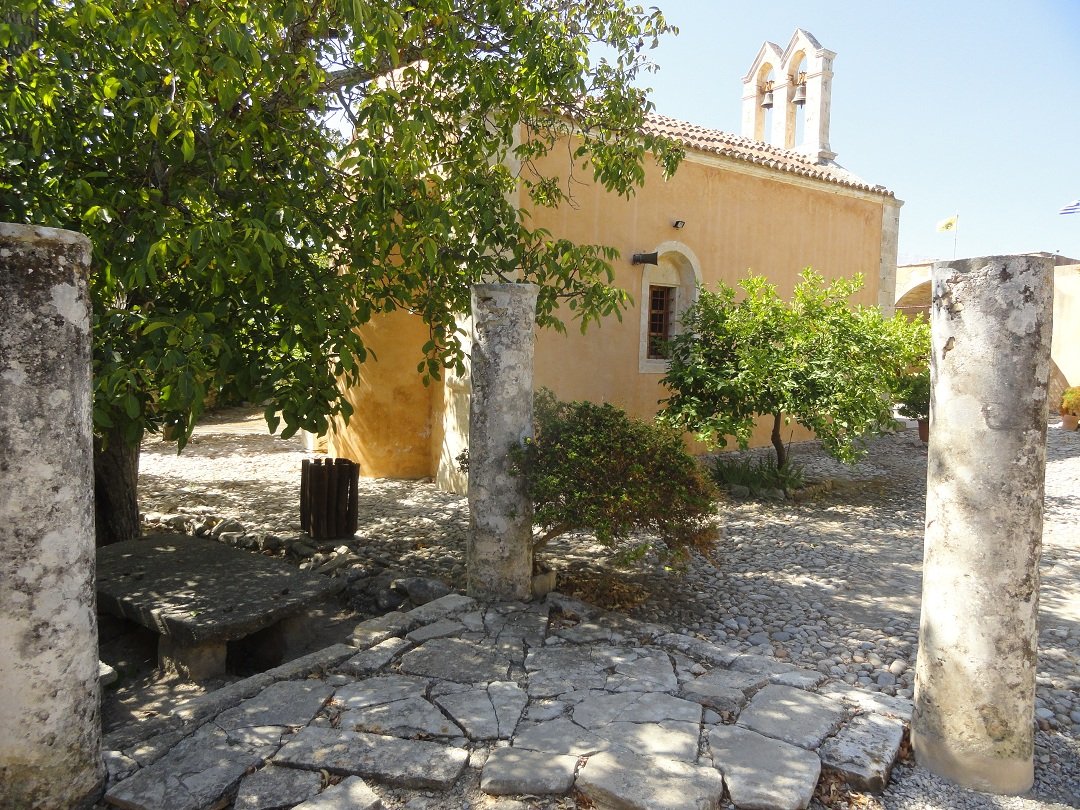
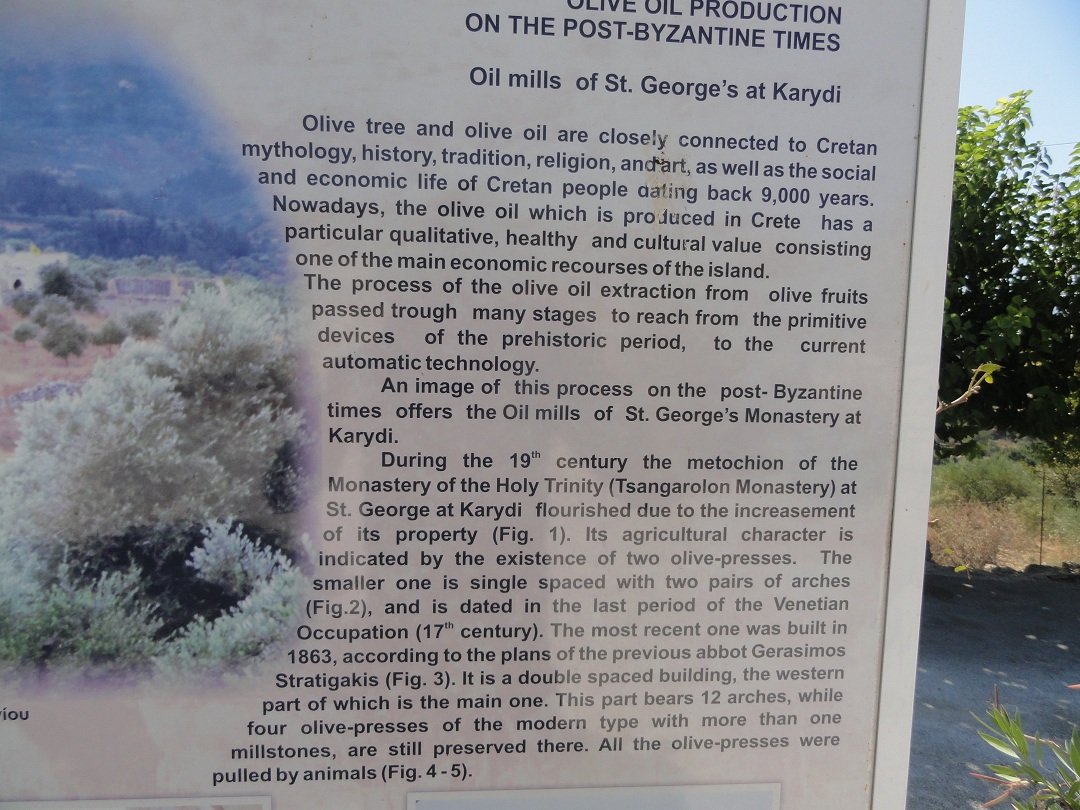
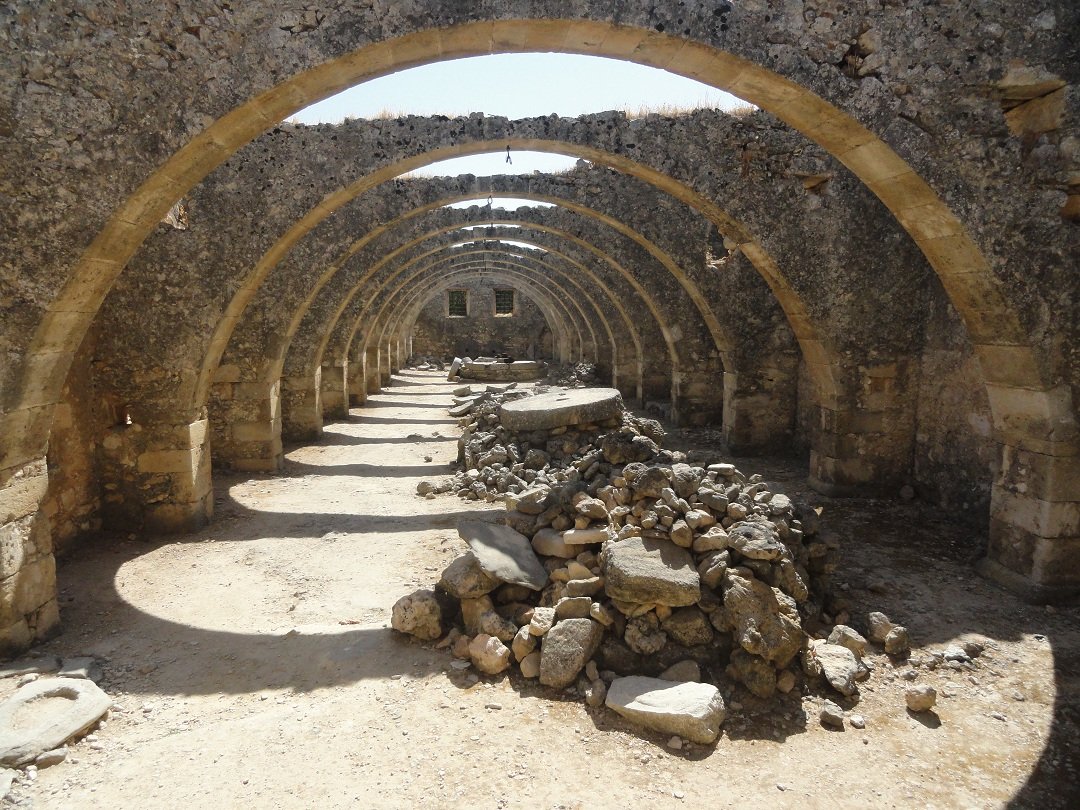
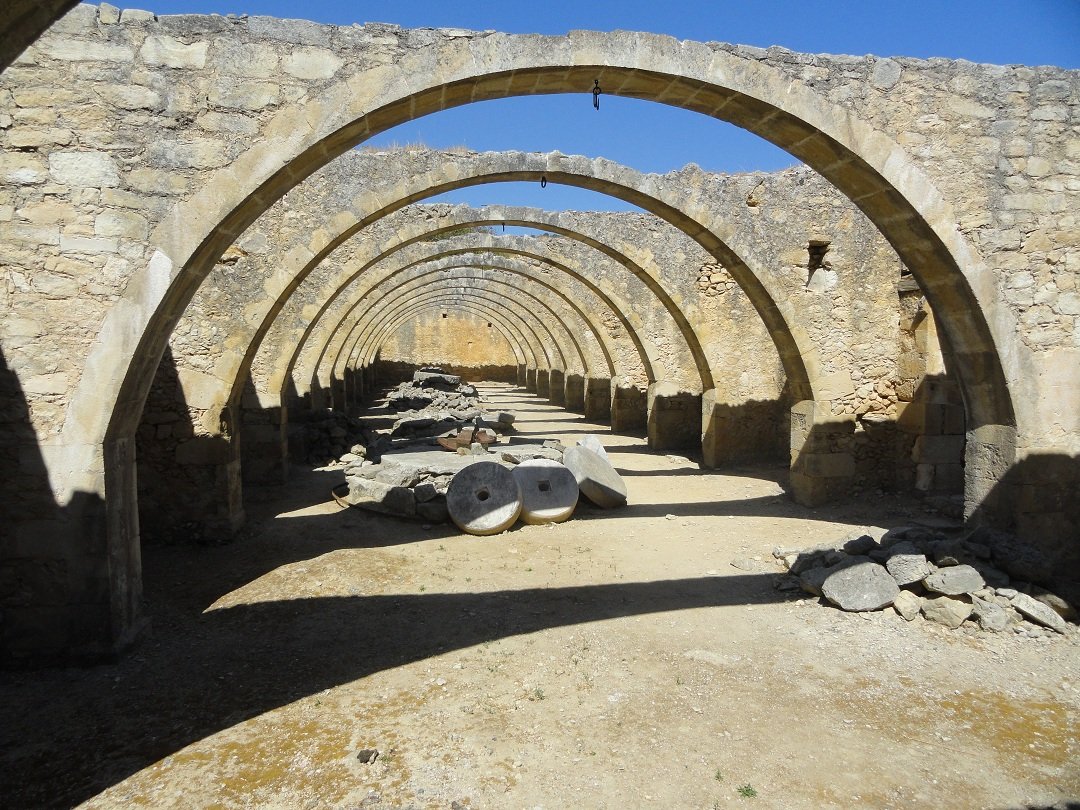
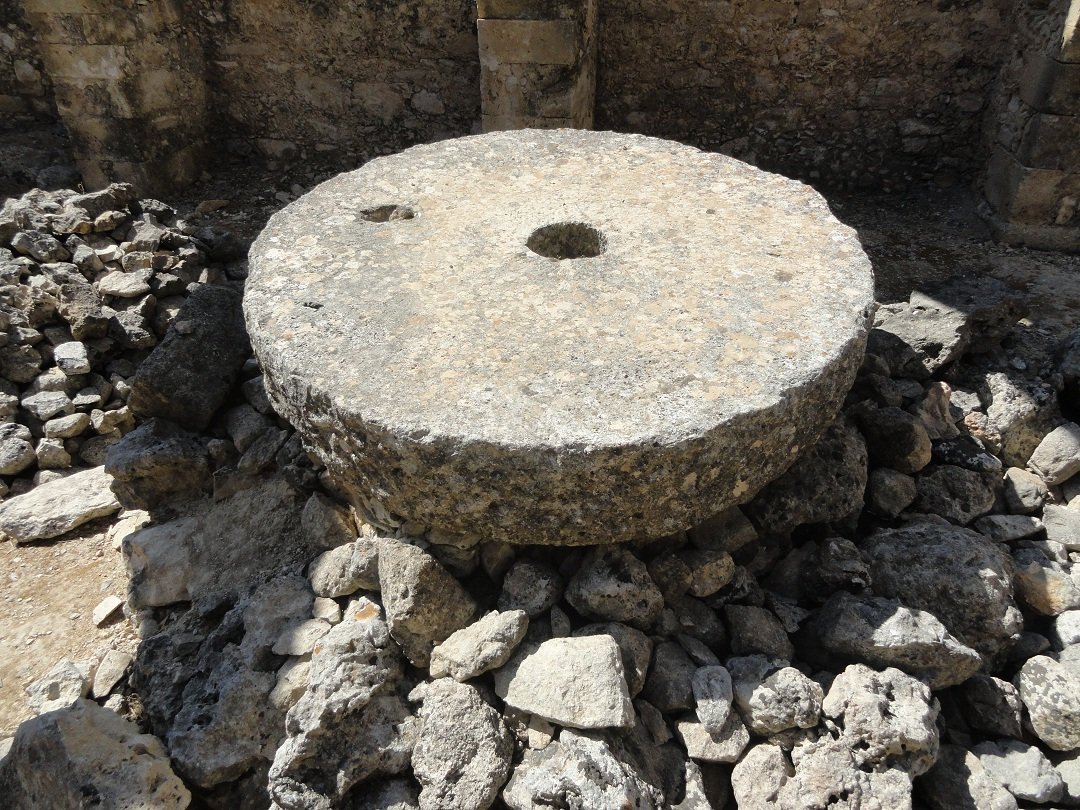
In 1829 they began olive cultivation, which made the monastery grow and it provided work for many people. An olive oil factory arose with twelve large arches, which was completed in 1860. The production was 25,000 barrels of oil per year. In 1923 the monastery and many of the surrounding olive groves were destroyed. Only since 1996 they try again to restore the monastery and keep it in good order. The church on the site contains fresoes of the 1880s and in one of the buildings on the left side of the church a small part of a bone of Saint George is kept.